

Are you looking for a pet that brings both charm and a big presence into your home? Large cat breeds can be the perfect companions if you want a feline friend with a little extra size and personality.
These cats are not just bigger—they often have unique traits that make them stand out. If you’ve ever wondered which domestic cats grow to impressive sizes, and what makes them special, this guide is for you. Keep reading to discover the best large cat breeds that could soon be part of your family.
Majestic Large Cat Breeds
Large domestic cat breeds are truly majestic creatures. Their size, grace, and gentle nature make them special pets. These cats often surprise people with their loving personalities despite their imposing looks. They bring a unique charm to any home.
Many large cat breeds have thick fur, strong muscles, and impressive paws. Their calm and friendly behavior makes them great companions for families. These cats enjoy playtime and cuddles equally.
Maine Coon
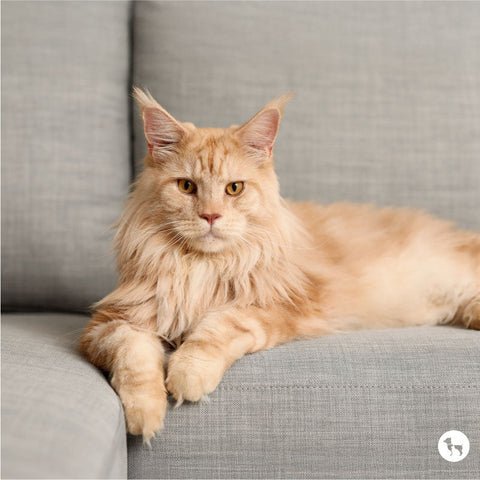
The Maine Coon is one of the largest domestic cat breeds. It has long, thick fur and tufted ears. This breed is friendly, intelligent, and very playful. Maine Coons adapt well to different homes and lifestyles.
Siberian Cat
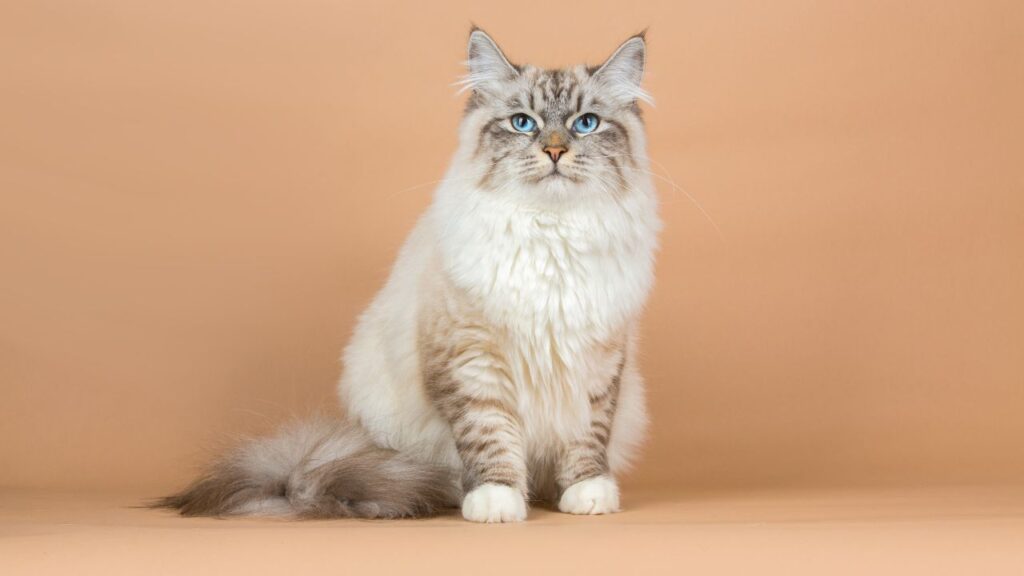
The Siberian cat has a thick triple coat that protects it from cold weather. It is sturdy, agile, and loves to explore. Siberians are affectionate and bond closely with their owners.
Norwegian Forest Cat
This breed has a dense, water-resistant coat and a strong body. Norwegian Forest Cats are curious and social. They enjoy climbing and need plenty of space to roam.
Ragdoll
Ragdolls are large cats with striking blue eyes and soft fur. They are calm, gentle, and often go limp when held. This breed is perfect for those wanting a relaxed pet.

Credit: www.aol.com
Physical Traits Of Big Cats
The physical traits of large domestic cat breeds reveal much about their unique nature and how they fit into your home. Understanding these features helps you appreciate their presence and care for them better. Let’s look closely at what makes these big cats stand out physically.
Size And Weight
Big domestic cats often weigh between 15 to 25 pounds, with some reaching even higher. Their muscular bodies give them a solid, powerful look that’s hard to miss.
Do you know that the Maine Coon, one of the largest breeds, can grow up to 40 inches long including the tail? This size difference means you need to consider space and furniture durability in your home.
Coat Patterns And Colors
Large cat breeds come in a variety of coat patterns and colors. You might see tabby stripes, solid colors, or even spotted coats.
- Maine Coons often have thick, shaggy coats with tabby patterns.
- The Norwegian Forest Cat sports dense fur that protects it in cold climates.
- Siberians can display a range of colors from silver to golden.
Your choice of breed might depend on how much grooming you’re willing to do, as longer coats need more care.
Distinctive Features
Look for unique traits like tufted ears, bushy tails, and large paws. These features are not just for show—they help cats adapt to their environment.
For example, the tufted ears of a Maine Coon help keep debris out, while its big paws act like snowshoes in winter.
What distinctive traits catch your eye when you meet a big domestic cat? These details often reveal the breed’s history and personality.
Popular Domestic Large Cat Breeds
Large domestic cat breeds attract many pet lovers. Their impressive size and gentle nature make them unique companions. These cats often have thick fur, strong bodies, and friendly personalities. Many enjoy playing and cuddling with their owners. They bring warmth and charm to any home.
Here are some popular large cat breeds known for their size and character.
Maine Coon
The Maine Coon is one of the largest domestic cat breeds. It has a long, thick coat and tufted ears. This breed is friendly and intelligent. It adapts well to families and other pets. Maine Coons love to play but also enjoy relaxing. Their gentle nature makes them great indoor cats.
Norwegian Forest Cat
Norwegian Forest Cats are strong and built for cold climates. They have dense fur and bushy tails. These cats are independent but loyal to their owners. They enjoy climbing and exploring. Their playful spirit stays even as they grow large. This breed is perfect for active households.
Savannah Cat
Savannah Cats are a mix between domestic cats and wild servals. They are tall and slender with spotted coats. This breed is energetic and curious. Savannah Cats need plenty of exercise and mental stimulation. They form close bonds with their families. Their exotic look makes them stand out.
Bengal Cat
Bengal Cats have a striking leopard-like appearance. Their coats are sleek with rosettes or spots. Bengals are active and love to climb and jump. They are intelligent and enjoy interactive toys. This breed is social and enjoys being around people. Bengals bring energy and beauty to any home.
Temperament And Personality
Large cat breeds have unique temperaments and personalities that make them special. Their behavior can be gentle and calm or playful and energetic. Understanding these traits helps in creating a happy home for these big feline friends.
Social Behavior
Many large cat breeds enjoy being around people. They often get along well with other pets too. These cats are usually friendly and curious. They like to explore their environment but also seek company. Some may follow their owners from room to room. They show interest in family activities and love attention.
Activity Levels
Large cats can be quite active and playful. They enjoy climbing, running, and chasing toys. At times, they rest quietly and enjoy calm moments. Their energy varies by breed and age. Regular playtime helps keep them healthy and happy. These cats need space to move and stretch their muscles.
Affection And Bonding
Big cats often form strong bonds with their owners. They show affection through purring, head nudges, and gentle kneading. Many like to sit close or even on laps. They appreciate gentle petting and soft voices. These cats can be loyal companions, offering comfort and love. Their affectionate nature makes them great family pets.
Care And Maintenance
Large domestic cat breeds need special care to stay healthy and happy. Their size affects their diet, grooming, and exercise. Proper care helps avoid common health problems. It also improves their mood and lifespan. Understanding their unique needs makes pet ownership easier and more rewarding.
Dietary Needs
Large cats need a balanced diet with more protein and calories. Choose high-quality cat food made for bigger breeds. Avoid overfeeding to prevent obesity. Fresh water should always be available. Some cats benefit from supplements like omega-3 fatty acids for coat health. Monitor their weight and adjust food portions as needed.
Grooming Tips
Regular grooming keeps large cats comfortable and clean. Brush their fur at least twice a week. This reduces shedding and prevents mats or tangles. Check ears and eyes for dirt or infection. Trim nails carefully every few weeks to avoid damage. Bathing is rarely needed but can help if they get very dirty. Grooming also helps spot skin problems early.
Exercise Requirements
Exercise is vital for large cats to stay fit and active. Provide toys that encourage jumping and running. Create climbing spaces with cat trees or shelves. Play interactive games daily to stimulate their mind and body. Avoid long periods of inactivity to reduce obesity risk. Outdoor walks on a leash can be a safe way to explore new environments.
Health Concerns
Large cat breeds often bring a majestic presence into your home, but they come with unique health concerns you should watch closely. Understanding these concerns helps you provide the best care for your feline friend. Staying informed about their health needs can make a real difference in their quality of life.
Common Health Issues
Large cats like Maine Coons and Ragdolls are prone to specific health problems. Joint issues such as arthritis are common due to their size, causing discomfort and mobility challenges. Heart conditions like hypertrophic cardiomyopathy (HCM) also appear frequently in these breeds.
Some large cats may develop hip dysplasia, which you might notice if your cat has trouble jumping or seems stiff after resting. Obesity is another concern, especially since heavier cats can have more strain on their organs and joints. Have you noticed your cat slowing down or showing signs of pain during movement? These could be early warning signs.
Preventive Care
Preventive care is your best tool to keep large cats healthy and active. Feeding a balanced diet that suits their size and activity level helps maintain optimal weight and supports joint health. Adding supplements like omega-3 fatty acids can also reduce inflammation and improve coat condition.
Regular exercise is crucial. Encourage play that stimulates movement without stressing their joints. You can create simple obstacle courses or use interactive toys to keep your cat engaged and fit. Have you tried setting aside time daily for active play? It can boost their physical and mental health.
Veterinary Checkups
Routine vet visits are essential for catching health issues early. Large cats benefit from annual exams that include heart and joint assessments. Your vet may recommend X-rays or ultrasounds to monitor conditions like HCM or hip dysplasia.
Discuss any behavior changes or signs of discomfort with your vet promptly. You are your cat’s best advocate. Are you tracking any subtle shifts in their routine or mood? Sharing these observations can help your vet tailor care specifically for your big feline friend.
Choosing The Right Large Cat
Choosing the right large cat breed for your home is more than just picking a pet that looks impressive. These cats come with specific needs and personalities that can affect your daily life. Taking time to understand what suits your lifestyle helps create a happy environment for both you and your feline friend.
Lifestyle Compatibility
Ask yourself how active you are and how much time you can spend with your cat. Large breeds like the Maine Coon or Norwegian Forest Cat enjoy interaction and play but also need some quiet moments. If you travel often or work long hours, a low-maintenance large cat that can entertain itself might suit you better.
Think about your family too. Some large cats are great with kids, while others prefer a calmer home. Knowing your cat’s temperament helps avoid frustrations down the road.
Space Considerations
Large cats need room to move and explore. Do you have enough space for them to stretch, climb, and roam? Apartment living can work if you provide vertical spaces like cat trees or shelves.
Remember, a big cat isn’t just about length or height—it’s also about their energy. A roomy home means fewer behavior issues like scratching or restlessness. What kind of setup do you have at home that can welcome a larger pet?
Budget And Commitment
Large cat breeds often come with higher costs. Their food portions are bigger, and they may require special grooming tools or veterinary care. Have you considered the ongoing expenses before making a decision?
They also live long lives, sometimes 12 to 15 years or more. Are you ready to commit to this responsibility for over a decade? Reflecting on this helps you choose a cat that fits your financial and emotional readiness.
Credit: worldanimalfoundation.org
Creating A Comfortable Home
Creating a comfortable home for large domestic cat breeds requires thoughtful planning and attention to their unique needs. These cats often have different space, activity, and rest requirements compared to smaller breeds. Making your home welcoming and safe helps your big feline friend thrive and feel truly at ease.
Safe Indoor Environment
Large cats need room to move without feeling cramped. Clear pathways and secure windows prevent accidents and escapes. Consider sturdy furniture that can support their weight—some big cats can jump with surprising force.
Remove small items they could swallow and secure cords or strings out of reach. You might be surprised how curious your cat can be, exploring places you wouldn’t expect. Have you checked your home for hidden hazards lately?
Enrichment Activities
Keeping a large cat mentally and physically active reduces boredom and destructive behavior. Provide tall scratching posts and wide climbing shelves sturdy enough to hold their weight. Puzzle feeders challenge their minds and slow down eating.
Rotate toys regularly to keep interest high. Sometimes, just observing birds through a window can provide hours of entertainment. What new game or toy can you introduce today to spark your cat’s curiosity?
Litter And Sleeping Areas
Your big cat needs a litter box that matches their size to avoid discomfort. Larger, deeper boxes with high sides help contain messes while giving them ample space. Place the box in a quiet, accessible spot to encourage consistent use.
Sleeping areas should be spacious and cozy, offering both warmth and privacy. Many large cats enjoy a mix of soft beds and elevated spots for observing their territory. Can you create a special nook that feels like their personal sanctuary?

Credit: www.moneycontrol.com
Frequently Asked Questions
What Are The Largest Domestic Cat Breeds?
The largest domestic cat breeds include the Maine Coon, Savannah, and Ragdoll. These cats are known for their impressive size and friendly nature. They can weigh between 15 to 25 pounds or more, making them stand out among typical house cats.
How Big Do Maine Coon Cats Grow?
Maine Coon cats can grow up to 40 inches long, including their tail. They usually weigh between 13 to 18 pounds, with some males reaching 25 pounds. Their large size and tufted ears make them one of the most recognizable big domestic cats.
Are Large Cat Breeds Good For Families?
Yes, large cat breeds are generally good for families. They tend to be gentle, sociable, and playful, making them great companions. Their calm temperament suits homes with children and other pets, adding warmth and fun to family life.
What Care Do Large Domestic Cats Need?
Large domestic cats need regular grooming to maintain their thick fur. They require a balanced diet to support their size and energy. Regular vet check-ups are important to monitor their health and prevent obesity or joint issues.
Conclusion
Large cat breeds bring charm and strength to any home. They need space and care to stay happy and healthy. These cats often have gentle and friendly personalities. Choosing a large breed means more love and fun. Remember to learn about their needs before bringing one home.
A big cat can be a great companion for years. Enjoy the beauty and joy they bring every day.
