

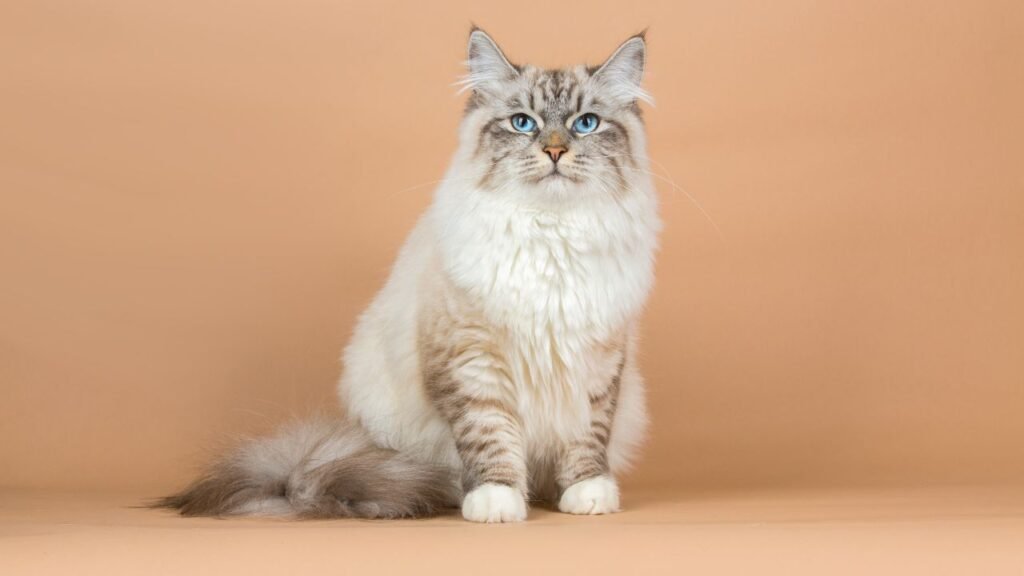
Are you fascinated by the majestic charm and commanding presence of large cat breeds? If you’re considering adding a feline companion to your family, or simply curious about these gentle giants, you’re in for a treat.
Large breeds of cats are not only strikingly beautiful, but they also bring a unique blend of personality and companionship. You’ll discover their intriguing traits, learn what makes them stand out, and uncover why they might be the perfect fit for your household.
Dive into this captivating world and see how these sizable furballs can bring joy, warmth, and a touch of the wild into your life. Curious yet? Keep reading to explore the wonders of large cat breeds and find the perfect match for you and your lifestyle.

Credit: www.aol.com
Famous Large Cat Breeds
Large cat breeds are captivating for their impressive size and gentle personalities. These cats often combine a striking appearance with loving behavior, making them unforgettable companions. If you’re curious about which breeds stand out in the world of big cats, here are some famous ones you might want to know.
Maine Coon
The Maine Coon is often called the gentle giant of the cat world. This breed can weigh up to 18 pounds or more, with tufted ears and a bushy tail that looks like a raccoon’s. Their friendly nature makes them great for families, and they often enjoy playing fetch or following you around the house.
Norwegian Forest Cat
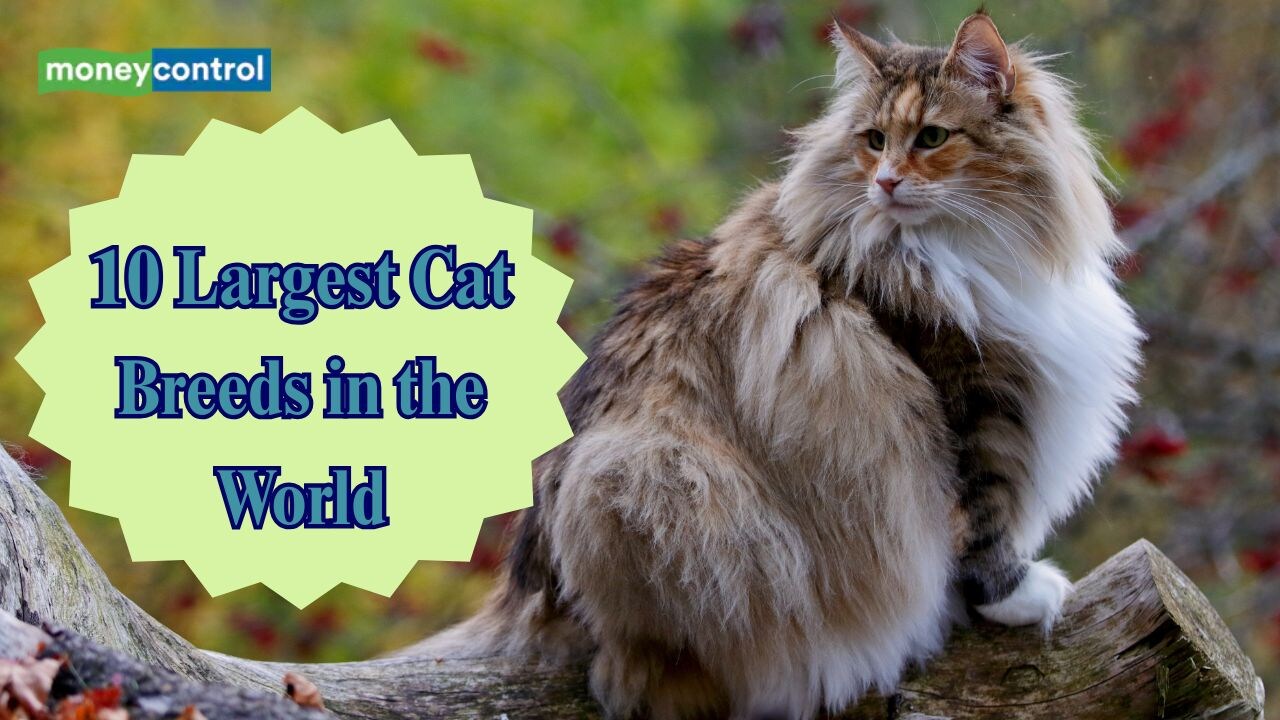
Known for their thick, water-resistant coats, Norwegian Forest Cats are built for colder climates. They have a muscular build and can grow quite large, sometimes tipping the scales at 16 pounds. These cats love climbing and exploring, so providing tall cat trees or shelves can keep them happy.
Savannah Cat
Savannah Cats are a stunning mix between domestic cats and wild servals. Their tall, lean bodies and large ears give them a wild look, but they are very social and active. If you want a cat that’s playful and interactive, a Savannah might be the right fit—but be ready for their energy!
Ragdoll
Ragdolls are known for their striking blue eyes and silky fur. They earn their name because they tend to go limp when you pick them up, showing just how relaxed and trusting they are. These cats thrive on human attention and can be quite the lap warmers on a cold day.
Chausie
Chausies come from crossing domestic cats with jungle cats, resulting in a large, athletic breed. They are curious and intelligent, often learning tricks and enjoying interactive toys. If you’re looking for a cat with a wild look but a loyal heart, the Chausie offers an exciting blend.
Credit: www.moneycontrol.com
Physical Traits Of Giant Cats
Giant cats are truly a sight to behold, with physical traits that set them apart from their smaller feline cousins. These traits not only make them impressive companions but also influence their care and lifestyle. Understanding their size, coat types, and distinctive features helps you appreciate their unique beauty and needs.
Size And Weight
Giant cats often weigh between 15 to 25 pounds or more, with some exceptional individuals reaching over 30 pounds. Their length can stretch up to 40 inches from head to tail, making them one of the largest domestic cat breeds.
Have you noticed how their size affects their movement? They tend to be slower but more deliberate, showing a graceful strength that’s different from smaller cats.
Coat Types And Colors
Their coats vary widely—some have short, dense fur, while others boast long, flowing hair that requires regular grooming. Common colors include tabby patterns, solid black, silver, and even striking lynx points.
Long-haired giant cats often develop a soft, plush coat that feels like a warm blanket. Do you know how coat type can influence a cat’s comfort in different climates? A thicker coat means they may prefer cooler environments.
Distinctive Features
Look closely, and you’ll see traits like large tufted ears, bushy tails, and broad paws that resemble those of wildcats. Their eyes often appear larger and more expressive, adding to their majestic appearance.
These features aren’t just for show—they help with hunting and survival instincts, even in domestic settings. How might these traits affect your interaction or playtime with your giant feline friend?
Personality And Temperament
Large breeds of cats are not just impressive in size. Their personality and temperament make them special companions. They often combine gentleness with a strong presence. Understanding these traits helps owners connect deeply with their pets.
Social Behavior
Large cats usually enjoy social interaction. They are friendly with family members. Many get along well with other pets. These cats often seek attention and love. They can be calm around strangers too. Their social nature makes them great house pets.
Intelligence Levels
Big cat breeds show high intelligence. They learn tricks and commands quickly. Puzzle toys and games keep them busy. Their smart nature helps in training. These cats often remember routines well. Intelligence adds to their charm and appeal.
Activity And Playfulness
Despite their size, these cats love to play. They enjoy chasing toys and climbing. Playtime helps them stay healthy and fit. Large cats need space to move freely. Their playful spirit stays even as adults. Active play strengthens the bond with owners.
Care Needs For Large Cats
Large breeds of cats have unique care needs that differ significantly from their smaller counterparts. Their size affects everything from what they eat to how much space they need to move comfortably. Understanding these needs can improve your cat’s well-being and help you avoid common pitfalls.
Diet And Nutrition
Large cats require diets rich in high-quality protein to support their muscle mass. You should provide food formulated specifically for large or active breeds, as their calorie needs are higher.
Watch out for overfeeding, though. Large cats can gain weight quickly, leading to serious health issues. Feeding measured portions and avoiding too many treats keeps their weight in check.
Have you noticed how your big cat’s appetite changes with the seasons or activity levels? Adjusting their diet accordingly ensures they get the right nutrients without excess calories.
Exercise And Space Requirements
Big cats need more room to roam and play. If you live in a small apartment, think about creating vertical spaces like cat trees or shelves to give them a sense of freedom.
Interactive toys and regular play sessions help prevent boredom and maintain muscle tone. Your large cat might surprise you with bursts of energy that need a safe outlet.
How often do you set aside time to engage your cat in active play? Consistency is key to keeping them agile and happy.
Health Considerations
Large breeds often face joint stress and heart conditions more than smaller cats. Regular vet check-ups are essential to catch early signs of arthritis or heart disease.
Keep an eye on your cat’s mobility and breathing. If you notice any limping or shortness of breath, contact your vet immediately.
Preventive care like maintaining a healthy weight and providing supplements can make a significant difference in your cat’s quality of life. What health changes have you observed in your large cat over time?
Choosing The Right Giant Cat
Choosing the right giant cat is more than just picking a breed that looks impressive. It’s about finding a companion that fits smoothly into your daily life, matches your energy levels, and suits your space. Large cats bring unique joys and challenges, so knowing what to expect helps you make a choice you’ll be happy with for years.
Matching Lifestyle
Think about your daily routine and how a large cat will fit in. Giant breeds like Maine Coons or Ragdolls often need plenty of space to move and play. If you live in a small apartment, a big, active cat might feel cramped or stressed.
Also, consider your activity level. Some large cats are playful and energetic, requiring interactive playtime. Others are more laid-back and enjoy lounging around. Which personality matches your pace?
Costs And Commitments
Big cats usually mean bigger expenses. Their food intake is higher, and they might need larger litter boxes or special grooming tools. Vet bills can also add up, especially if the breed has health concerns linked to size.
Beyond money, think about time. Giant cats often require regular grooming to keep their coats healthy. Are you ready to commit to daily brushing or frequent vet visits? Your willingness to invest in care directly impacts your cat’s happiness.
Finding Reputable Breeders
Not all breeders are equal, and this matters a lot with large cat breeds. A reputable breeder prioritizes health, temperament, and ethical practices. They’ll provide health clearances and let you meet the kitten’s parents.
Ask questions about the cat’s history and socialization. A trustworthy breeder will be honest and supportive, helping you find a cat that fits your home. Have you checked breeder reviews or sought recommendations from trusted cat owners?
Credit: www.rd.com
Famous Giant Cats In Pop Culture
Giant cats have captured the imagination of many through various forms of pop culture. Their impressive size and unique personalities make them perfect characters for stories and viral moments. Whether on screen or online, these large felines leave a lasting impression.
Movies And Tv Shows
Big cats have often taken center stage in movies and TV shows. Think of the majestic lions in “The Lion King,” which brought a royal presence to the screen. Or remember the enormous Cheshire Cat in “Alice in Wonderland,” whose size added to its mysterious charm.
These portrayals do more than entertain—they influence how people see and appreciate large cats. Have you noticed how these characters often symbolize strength or wisdom? That association can shape your feelings about real giant cat breeds.
Internet Sensations
Online platforms have turned large cats into global celebrities. Cats like Lil Bub and Stewie became famous not just for their size but for their unique looks and personalities. Their viral videos and photos show how a big cat can brighten your day instantly.
Have you ever found yourself stopping to watch a cat video because the feline’s size or behavior caught your eye? These internet stars highlight the joy and companionship giant cats offer in everyday life.
Historical Giants
Some large cats have made headlines through history for their sheer size. One example is Himmy, an Australian cat recognized as the heaviest domestic cat ever recorded. Stories like Himmy’s remind us that giant cats aren’t just fictional—they exist and often surprise us.
What does it say about your perceptions when you learn about such real-life giants? These historical cats encourage you to think differently about what a cat can be and how big cats fit into your world.
Frequently Asked Questions
What Are The Largest Cat Breeds By Size?
Large cat breeds include Maine Coon, Savannah, and Ragdoll. They typically weigh 15-25 pounds or more. These breeds have sturdy bodies and long fur, making them appear even bigger.
How Do Large Cat Breeds Differ In Temperament?
Large cat breeds often have gentle and friendly temperaments. For example, Maine Coons are sociable, while Ragdolls are calm. Their size doesn’t affect their affectionate nature.
Are Large Cats More Demanding To Care For?
Large cats require more food and space but similar grooming as smaller cats. Regular vet visits and exercise are essential to keep them healthy and happy.
Can Large Cat Breeds Live In Small Homes?
Yes, large cats can adapt to small spaces if given enough stimulation. Vertical climbing spaces and interactive toys help keep them active indoors.
Conclusion
Large cat breeds bring charm and size to any home. They need space and gentle care. Their calm nature makes them great companions. These cats enjoy play and quiet time alike. Choosing the right breed suits your lifestyle best. Loving a big cat means patience and kindness.
Each breed offers unique looks and traits. A big cat can fill your life with joy. Think about your home and family before deciding. Big cats deserve love, care, and respect always.
