

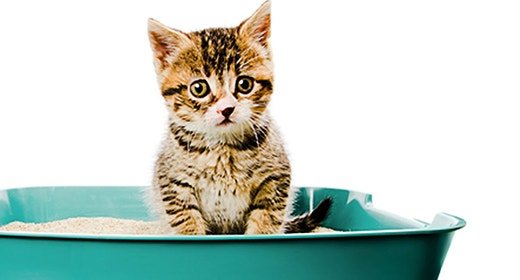
Bringing a new kitten home is exciting, but teaching your little furball to use the litter box can feel like a challenge. You want your kitten to learn quickly and easily, without stress for either of you.
What if there was a simple way to make litter training smooth and even enjoyable? In this guide, you’ll discover clear, practical steps to help your kitten master the litter box fast. Keep reading, and you’ll turn this tricky task into a success story you’ll both be proud of.
Credit: www.petsradar.com
Choosing The Right Litter Box
Choosing the right litter box is essential for successful kitten litter training. The right box makes the experience comfortable for your kitten and easier for you to maintain. Understanding the different options and what fits your kitten’s needs can save time and frustration.
Types Of Litter Boxes
You’ll find various types of litter boxes designed to suit different kittens and homes.
- Open litter boxes:These are simple, easy to clean, and allow your kitten to enter from any side.
- Covered litter boxes:These provide privacy but can trap odors and might feel cramped for some kittens.
- Top-entry litter boxes:Great for reducing litter scatter but may be difficult for small kittens to access.
- Self-cleaning litter boxes:These save time but can be intimidating or noisy for young kittens.
Think about your kitten’s personality. Is she shy and likely to prefer privacy? Or curious and playful? Matching the box type to your kitten’s behavior encourages consistent use.
Size And Accessibility
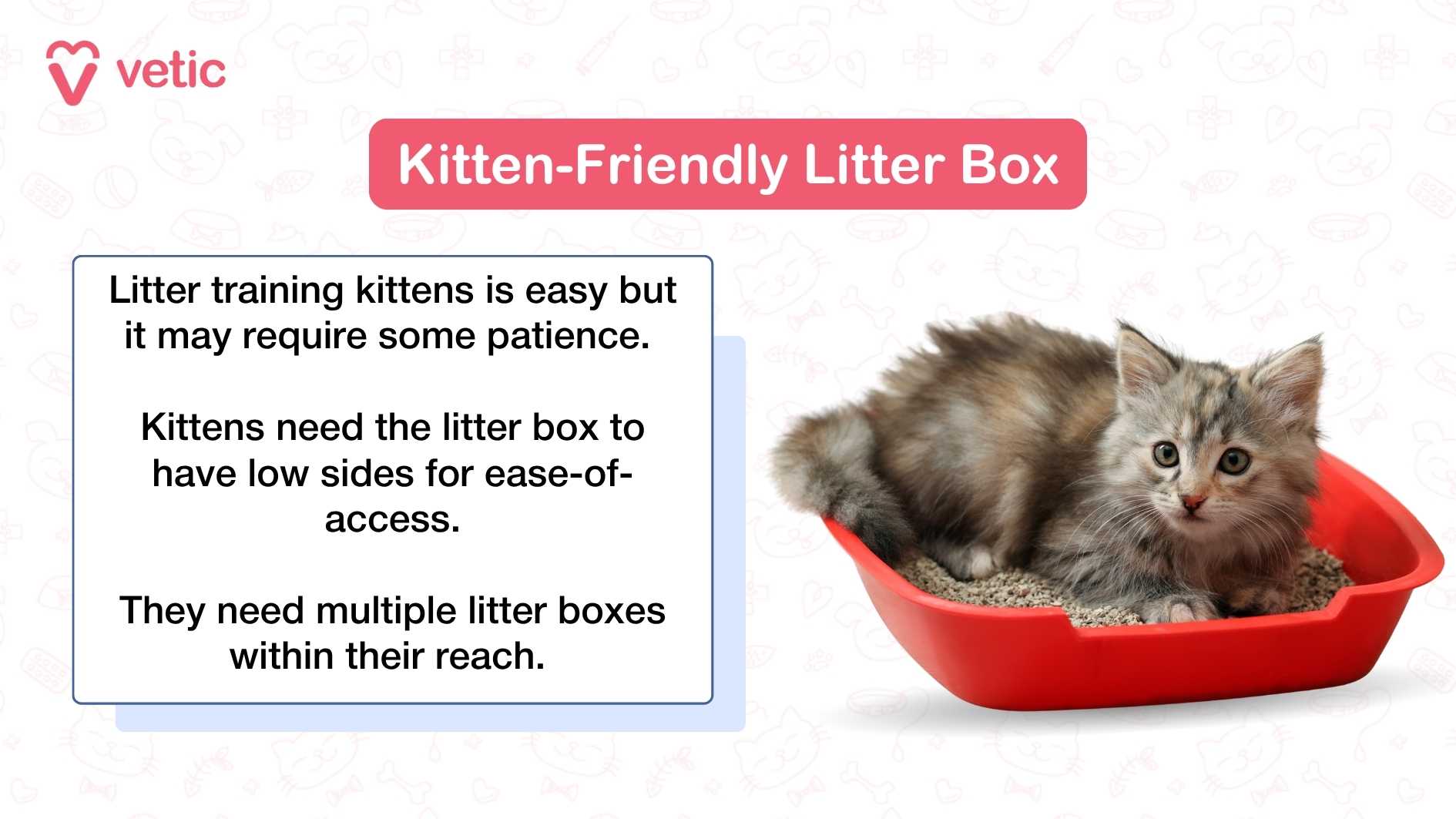
Your kitten needs enough room to move and dig comfortably inside the litter box. A box that’s too small will discourage use and create messes outside.
Choose a box with low sides if your kitten is very young or small. This helps them get in and out without struggle.
Remember, your kitten will grow quickly. Consider a larger box that will still be suitable in a few months. This saves you from buying multiple boxes as your kitten grows.
Placement Tips
Where you place the litter box affects how easily your kitten finds and uses it.
- Pick a quiet, low-traffic spot where your kitten won’t be startled.
- Avoid placing the box near your kitten’s food and water bowls; cats dislike using the bathroom close to their eating area.
- Ensure the area is easy for you to access for regular cleaning to keep the box fresh and inviting.
Have you noticed your kitten avoiding the box? Try moving it to a different spot. Sometimes small changes make a big difference in training success.
Credit: www.whiskas.com.ph
Selecting The Best Cat Litter
Choosing the right cat litter plays a big role in how quickly your kitten learns to use the litter box. The texture, smell, and material can affect your kitten’s comfort and willingness to use the box consistently. Understanding the differences between types of litter helps you pick one that suits both your kitten’s needs and your lifestyle.
Clumping Vs Non-clumping
Clumping litter forms solid clumps when wet, making it easier to scoop out waste and keep the box fresh. This can help you maintain a cleaner environment, which encourages your kitten to keep using the litter box.
Non-clumping litter absorbs moisture but doesn’t form clumps. It often needs to be changed more frequently but can be gentler on sensitive paws. Think about your kitten’s preferences and your cleaning routine before deciding.
Scented Vs Unscented
Scented litters mask odors with fragrances, which might seem appealing to you. However, some kittens dislike strong smells and might avoid the box if the scent is overwhelming.
Unscented litter is usually safer for kittens and those with allergies. It lets you detect odors naturally and clean the box more effectively. Have you noticed if your kitten reacts to strong smells in other products? That could guide your choice here.
Material Options
Cat litter comes in various materials like clay, silica gel, recycled paper, and natural options such as wood or corn. Clay litter is common and affordable but can be dusty, which may irritate your kitten’s respiratory system.
Silica gel crystals control odor well and require less frequent changes, but some kittens don’t like their texture. Natural litters are biodegradable and eco-friendly, often softer on paws but sometimes pricier.
Think about your kitten’s comfort and any allergies when selecting the material. Trying small amounts of different types can help you find the perfect match.
Preparing Your Kitten For Training
Preparing your kitten for litter training sets the foundation for a clean and happy home. It’s about patience, understanding, and creating the right environment. The sooner you start, the easier the process becomes for both of you.
Introducing The Litter Box
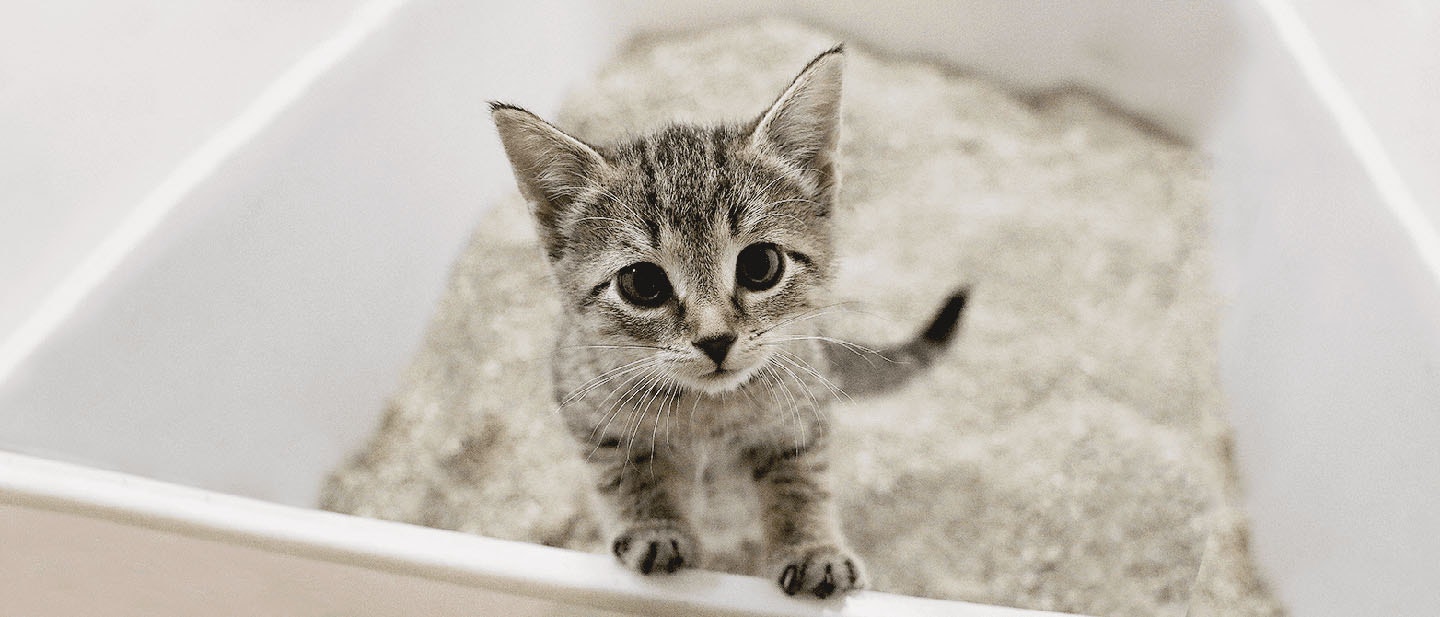
Place the litter box in a quiet, accessible spot. Avoid busy areas or places where your kitten might feel trapped. Let your kitten explore the box freely—sometimes they just need a little time to get curious.
Use a litter that is gentle on tiny paws, such as unscented clumping litter. I once noticed my kitten avoided a scented box, but switched quickly when I changed to a natural option. Have you checked if your kitten prefers a covered or open box?
Setting A Routine
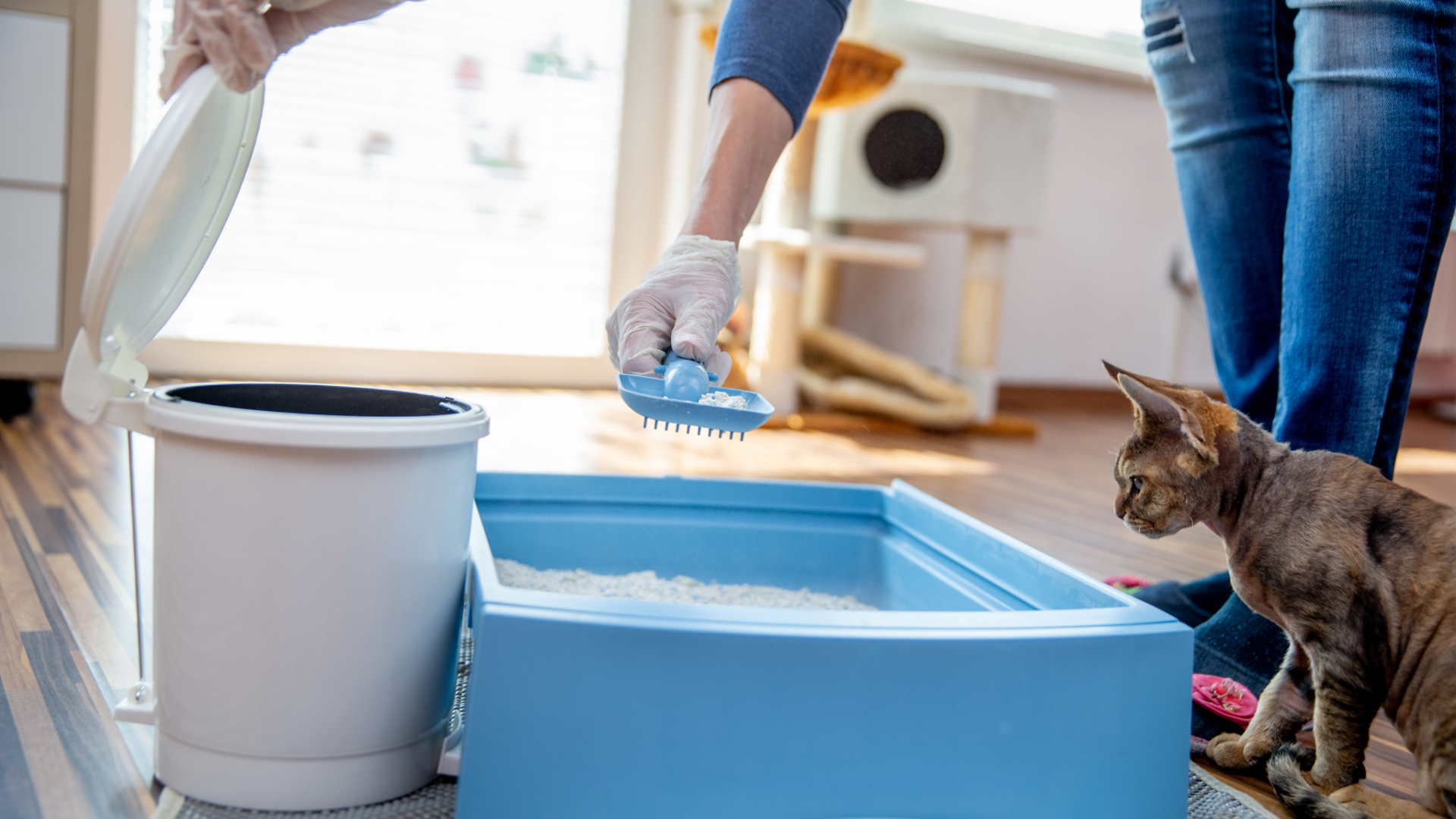
Kittens thrive on routine. Bring your kitten to the litter box after meals, naps, and playtime. This builds a habit and helps them understand where to go.
Keep the box clean by scooping daily; a dirty box discourages use. Have you observed any specific times your kitten tends to need the bathroom? Use those moments to reinforce the routine.
Handling Accidents
Accidents happen, and your response matters. Never punish your kitten—this can cause fear and confusion. Instead, calmly clean the area with an enzyme cleaner to remove odors.
Consider if the box location or litter type might be causing problems. Sometimes, a subtle change can make a big difference. How do you stay patient when things don’t go as planned?
Training Techniques That Work
Training your kitten to use the litter box effectively takes patience and the right approach. Some techniques are more effective than others, especially when tailored to your kitten’s unique personality. Let’s look at training methods that help you build good habits early on and make litter training a smooth experience.
Positive Reinforcement
Reward your kitten immediately after they use the litter box correctly. Use treats, gentle petting, or soft praise to make the connection clear. This encourages them to repeat the behavior without fear or confusion.
Try to keep rewards consistent and timely. For example, if your kitten uses the box, say “Good job!” and offer a small treat right away. This immediate feedback helps your kitten understand what you expect.
Using Commands
Simple commands like “go potty” or “litter time” can help your kitten associate words with the action of using the box. Repeat these commands every time you place your kitten in the litter box.
Keep your tone calm and encouraging. Over time, your kitten will start recognizing these commands and respond by heading to the litter box, even on their own.
Monitoring Behavior
Watch your kitten closely, especially during the early days of training. Notice signs like sniffing around or scratching the floor, which often mean they need to go.
If you catch these behaviors, gently guide your kitten to the litter box. This helps them make the connection between their natural urges and the appropriate place to relieve themselves.
How often do you observe your kitten’s behavior before accidents happen? Paying attention can prevent problems before they start and speed up the training process.
Common Challenges And Fixes
Training your kitten to use the litter box can come with a few bumps along the way. Understanding common challenges and knowing how to fix them will save you frustration and keep your kitten happy. Let’s look at some typical hurdles and practical ways to overcome them.
Avoiding Litter Box Aversion
Sometimes kittens avoid the litter box because something about it bothers them. It could be the type of litter, the box’s location, or even a bad past experience. You need to observe your kitten’s behavior closely and test different litters or move the box to a quieter spot.
Have you noticed your kitten stepping in and then quickly leaving? This might mean the litter is too rough or dusty. Try a softer, unscented litter to encourage use.
Dealing With Inconsistency
It’s normal for kittens to have accidents, but if it happens often, it can confuse you. One key is keeping a consistent routine. Feed your kitten at the same times and place the litter box where they can always find it easily.
Cleaning the box regularly also helps. Dirty litter boxes discourage use, so scoop daily and fully change the litter weekly. If your kitten keeps missing, try placing a second box in another room to see if that helps.
Health Issues Impacting Training
Sometimes, accidents are not about training but health problems. Urinary tract infections or digestive issues can make your kitten avoid the litter box. If you see blood, frequent urination, or straining, visit your vet immediately.
Have you noticed sudden changes in your kitten’s habits? Don’t ignore these signs. Early health checks can prevent long-term problems and keep your training on track.
Maintaining A Clean Litter Area
Maintaining a clean litter area helps keep your kitten healthy and happy. It reduces odors and prevents accidents outside the box. A tidy space encourages your kitten to use the litter consistently. Cleanliness also makes your home more pleasant for everyone.
Cleaning Frequency
Clean the litter box daily by removing clumps and solid waste. This keeps the box fresh and inviting for your kitten. A full clean with soap and water should happen weekly. Regular cleaning stops bacteria buildup and bad smells.
Deodorizing Tips
Use natural baking soda to control odors without harsh chemicals. Sprinkle a small amount under the litter before adding fresh litter. Avoid strong perfumes or sprays that might scare your kitten. Good ventilation in the litter area also helps keep smells down.
Replacing Litter
Change the litter completely every one to two weeks. This prevents litter from becoming too dirty or clumpy. Wash the box with mild soap and warm water during each full change. Dry it well before adding fresh litter to keep moisture away.
Credit: vetic.in
Frequently Asked Questions
How Do I Start Kitten Litter Training Effectively?
Begin by placing your kitten in the litter box after meals and naps. Use a shallow, clean box with unscented litter. Reward your kitten with praise or treats when they use it. Consistency and patience are key to successful training.
When Should I Begin Litter Training My Kitten?
Start litter training as soon as you bring your kitten home. Ideally, kittens can begin learning around 3 to 4 weeks old. Early introduction helps them develop good habits quickly and prevents accidents in the house.
What Type Of Litter Is Best For Kittens?
Choose a non-clumping, unscented, and dust-free litter for kittens. This type is safe if ingested and gentle on their paws. Avoid scented or clumping litters until your kitten is older to prevent respiratory or digestive issues.
How Often Should I Clean The Kitten’s Litter Box?
Clean the litter box daily to keep it fresh and inviting. Remove waste promptly and replace soiled litter regularly. A clean box encourages consistent use and helps prevent litter box avoidance.
Conclusion
Training your kitten to use the litter box is essential. It takes patience and consistency. Start by choosing the right litter box. Place it in a quiet spot. Show your kitten the box. Praise them for using it. Clean the box regularly to avoid smells.
Be gentle and encouraging. Mistakes happen. Stay calm and guide them back. Over time, they’ll learn. Soon, your kitten will be a litter box pro. A little effort goes a long way. Happy training!
