

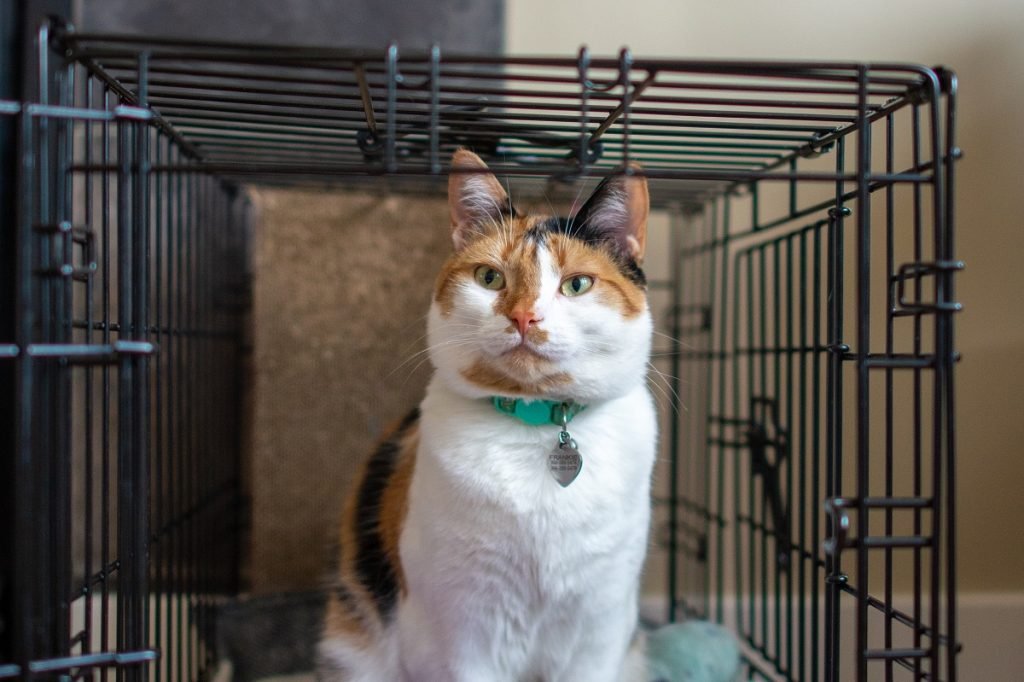
Imagine a world where your cat feels safe and secure in its own little haven. Kennel training a cat might seem like an unusual concept, but it can transform your pet’s life—and yours.
You might be asking, “Why should I kennel train my cat? ” The answer lies in the undeniable benefits it offers. By the end of this article, you’ll discover how kennel training can reduce stress, improve travel experiences, and even enhance your cat’s health.
Dive in to uncover the secrets to a happier, more relaxed feline friend. Your cat’s comfort and your peace of mind are just a few paragraphs away.

Credit: www.reddit.com
Benefits Of Kennel Training
Kennel training a cat offers several important benefits. It creates a safe space for your pet and helps manage stressful situations. Cats learn to feel comfortable in their kennel, making daily routines smoother. This training supports their well-being and strengthens your bond.
Safety And Security
A kennel provides a secure place for your cat. It keeps them safe from household dangers like electrical cords or toxic plants. In emergencies, a trained cat quickly moves to their kennel. This reduces anxiety for both you and your pet.
Travel Convenience
Kennel training makes travel less stressful. Cats feel calmer inside their familiar space. It prevents them from hiding or running away during trips. Car rides and visits to new places become easier with a well-trained cat.
Health And Vet Visits
Visiting the vet can be scary for cats. Kennel training helps them stay calm in carriers. It speeds up the process and lowers stress for your cat. This makes health checks and treatments safer and smoother.
:strip_icc()/the-kitty-1011094438-5c3d1af5c9e77c00015e66a6.jpg)
Credit: www.thesprucepets.com
Choosing The Right Kennel
Choosing the right kennel for your cat is essential for a smooth training experience. A good kennel offers safety and comfort. It helps your cat feel secure and relaxed. Consider several factors to find the best kennel for your feline friend.
Size And Comfort
Pick a kennel that fits your cat’s size well. It should be spacious enough for your cat to stand, turn, and lie down comfortably. Avoid kennels that are too large, as they may cause insecurity. Add soft bedding to make the kennel cozy. Comfort encourages your cat to spend time inside.
Material And Durability
Choose kennels made from sturdy materials. Plastic kennels are lightweight and easy to clean. Metal kennels offer strong protection and last longer. Avoid kennels with sharp edges that can hurt your cat. Durable materials ensure safety and long-term use.
Ventilation And Accessibility
Good airflow prevents overheating and keeps your cat comfortable. Select kennels with multiple ventilation points. Mesh windows or slits allow fresh air to enter. The kennel door should open easily for quick access. This helps with feeding, cleaning, and letting your cat in and out.
Preparing Your Cat
Preparing your cat for kennel training helps reduce stress. It makes the process smoother and more enjoyable. Start early to build trust and comfort. Patience is key for a positive experience.
Familiarizing With The Kennel
Place the kennel in a quiet, safe spot. Leave the door open to invite curiosity. Let your cat explore at their own pace. Use treats or toys near the kennel to encourage visits. Avoid forcing your cat inside to prevent fear.
Creating Positive Associations
Make the kennel a happy place. Feed your cat meals inside or near the kennel. Offer favorite toys and soft blankets inside. Praise your cat calmly when they enter or stay near the kennel. This builds trust and eagerness.
Setting A Comfortable Environment
Ensure the kennel is cozy and clean. Add soft bedding that smells like your cat. Keep the kennel in a warm area, away from drafts. Avoid loud noises around the kennel space. A calm setting helps your cat feel safe and relaxed.
Step-by-step Training Process
Training a cat to feel comfortable in a kennel takes patience and a clear plan. The process needs to be gentle and encouraging, so your cat associates the kennel with positive experiences. Breaking the training into manageable steps helps your cat adapt without stress.
Introducing Short Sessions
Start by placing your cat near the kennel without forcing them inside. Let your cat explore the area freely while you stay close, offering calm reassurance. Short sessions of just a few minutes help your cat build curiosity instead of fear.
Try sitting next to the kennel and reading a book or playing softly to create a relaxed environment. Your calm presence signals safety, making the kennel less intimidating. Have you noticed how your cat reacts to quiet company during new experiences?
Using Treats And Toys
Use your cat’s favorite treats to create a positive link with the kennel. Toss a treat inside the kennel and let your cat enter at their own pace. Pair treats with toys that your cat loves, like feather wands or small balls, to encourage interaction.
Play inside or near the kennel to build fun associations. This turns the kennel into a place of enjoyment rather than confinement. What toy does your cat respond to best during playtime?
Gradually Increasing Time
Once your cat is comfortable entering the kennel, slowly increase the time they spend inside. Start with just a few minutes and extend the sessions as your cat relaxes. Always watch for signs of stress and adjust accordingly.
Close the door briefly while your cat enjoys treats or toys inside, then open it again. This helps your cat get used to being enclosed without feeling trapped. How long can your cat stay calm inside before wanting to leave?
Managing Stress And Anxiety
Managing stress and anxiety is key to successful kennel training a cat. Cats can feel scared or uneasy in new spaces. Understanding their feelings helps create a calm training experience. A relaxed cat learns better and adapts faster.
Recognizing Stress Signals
Watch your cat’s body language closely. Signs of stress include:
- Hiding or avoiding eye contact
- Rapid breathing or panting
- Flattened ears or twitching tail
- Excessive grooming or scratching
- Refusing food or water
Noticing these signals early helps you act quickly. It prevents fear from growing stronger.
Calming Techniques
Create a peaceful environment inside the kennel. Use soft bedding and familiar toys. Speak softly to soothe your cat’s nerves. Gentle petting can comfort but watch for signs of discomfort. Try pheromone sprays designed to reduce anxiety. Keep the space quiet and dimly lit to ease tension.
When To Take Breaks
Pause training if your cat shows stress signs. Let them leave the kennel to relax. Offer treats or playtime outside the kennel. Short, calm breaks help your cat regain confidence. Return to training only when your cat seems calm and curious.

Credit: www.catbosstv.com
Tips For Successful Travel
Traveling with a cat in a kennel can be a smooth experience if you plan carefully and pay attention to your cat’s needs. Successful travel means making your cat feel safe and comfortable before, during, and after the trip. Here are some practical tips to help you manage each stage effectively.
Pre-trip Preparation
Start by getting your cat used to the kennel well before your travel date. Leave the kennel open in a familiar room with a soft blanket or your cat’s favorite toy inside. This creates positive associations and reduces anxiety.
Try short practice trips in the car to help your cat adjust to motion and sounds. Keep these sessions brief and reward your cat with treats or gentle praise. Have you noticed how your cat reacts to different sounds or movements during these trials?
Make sure your cat’s vaccinations and health checks are up to date. Pack a small travel kit with essentials like food, water, a portable litter box, and any medications your cat may need.
During The Journey
Keep the kennel secure and stable in the vehicle, ideally on the floor behind a seat, to prevent sliding or tipping. Covering the kennel partially with a breathable cloth can reduce visual stimuli and calm your cat.
Speak softly to your cat occasionally to reassure them, but avoid loud noises or sudden movements. If the trip is long, plan regular stops to check on your cat’s condition without opening the kennel unless necessary.
Temperature control is crucial. Never leave your cat unattended in a parked car, especially in hot or cold weather. Have you prepared a way to keep your cat comfortable no matter the climate?
Post-travel Care
Once you reach your destination, place the kennel in a quiet, safe spot and open it to let your cat explore at their own pace. Don’t force interaction; patience helps rebuild trust after the stress of travel.
Offer fresh water and familiar food to help your cat settle quickly. Observe their behavior for signs of stress or illness, such as excessive hiding or loss of appetite, and consult a vet if needed.
Give your cat plenty of attention and playtime to reinforce a sense of normalcy. How do you help your cat feel secure after a change in environment?
Common Mistakes To Avoid
Training a cat to use a kennel takes patience and care. Many pet owners make mistakes that slow progress or cause stress for their cat. Avoiding these errors helps create a calm and positive experience. Understanding common pitfalls leads to better results and a happier cat.
Rushing The Process
Cats need time to adjust to new spaces. Moving too fast can scare or confuse them. Let your cat explore the kennel at their own pace. Start with short visits and increase time slowly. Patience helps your cat feel safe and willing.
Ignoring Your Cat’s Comfort
Comfort is key for successful kennel training. A hard or noisy kennel scares many cats. Use soft bedding and place the kennel in a quiet spot. Keep the kennel clean and free of strong smells. A cozy space makes your cat more willing to enter.
Inconsistent Training
Consistency is important for your cat’s learning. Training at different times or changing rules confuses cats. Set a daily routine for kennel visits. Use the same commands and rewards each time. Regular practice builds trust and understanding.
Frequently Asked Questions
How Do You Start Kennel Training A Cat?
Begin by introducing the kennel with the door open. Place treats and toys inside to create positive associations. Gradually encourage your cat to enter, rewarding calm behavior. Keep initial sessions short and increase duration slowly to build comfort and trust.
What Are The Benefits Of Kennel Training A Cat?
Kennel training provides a safe space for your cat during travel or vet visits. It reduces stress and anxiety. It also helps with confinement during emergencies or house cleaning. Overall, it promotes better control and comfort for both owner and cat.
How Long Does Kennel Training Take For Cats?
Training duration varies by cat personality and experience. Typically, it takes one to two weeks of daily sessions. Consistency and positive reinforcement speed up progress. Patience is key to successful kennel training.
Can Kennel Training Help With Cat Anxiety?
Yes, kennel training can reduce anxiety by offering a secure retreat. It creates a familiar environment during stressful situations. Proper introduction and positive associations are essential to ease anxiety effectively.
Conclusion
Kennel training a cat takes patience and care. Start slow and keep sessions short. Use treats and praise to encourage good behavior. Make the kennel a safe and cozy space. Remember, every cat learns at its own pace. Consistency is key to help your cat adjust.
Soon, your cat will feel calm and happy in the kennel. This makes travel and vet visits much easier. Keep trying, and your efforts will pay off.
