

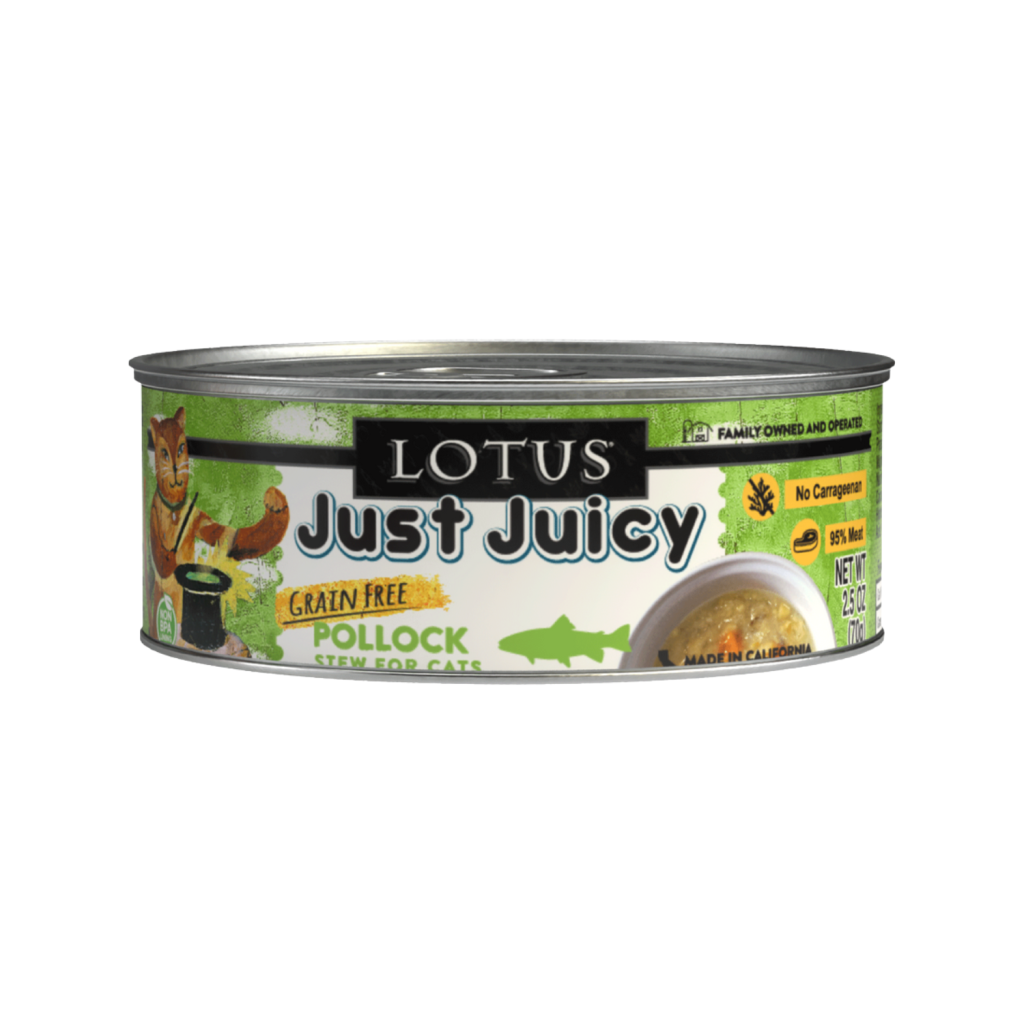
Are you sure your cat is getting the right nutrition? What your cat eats every day shapes their health, energy, and happiness.
Finding just the right food for your feline friend can feel confusing with so many options out there. But don’t worry—this guide will help you understand what “just food for cats” really means. By the end, you’ll know how to choose meals that keep your cat thriving and purring with joy.
Keep reading to discover simple tips that make a big difference for your furry companion’s well-being.

Credit: www.amazon.com
Why Nutrition Matters For Cats
Nutrition plays a huge role in your cat’s health and happiness. Just like people, cats need the right balance of nutrients to feel their best every day. When you pay attention to what your cat eats, you’re actually helping them live longer and stay active.
Understanding Your Cat’s Dietary Needs
Cats are obligate carnivores, which means they need animal-based proteins to thrive. They rely on specific nutrients like taurine and arachidonic acid that only meat provides. Feeding your cat a diet that lacks these essentials can lead to serious health problems.
Think about the last time you noticed your cat being less energetic or having a dull coat. Could it be linked to their diet? Often, poor nutrition shows up as subtle signs before bigger issues arise.
The Impact Of Nutrition On Cat Behavior
Nutrition affects more than just physical health—it also influences your cat’s mood and behavior. Cats fed poor-quality food might become lethargic or irritable. On the other hand, a well-balanced diet can help keep your cat calm and playful.
Have you ever seen your cat perk up after a good meal? That’s not just hunger satisfaction—it’s their body responding to the right nutrients.
Preventing Common Health Issues Through Diet
Feeding your cat high-quality food helps prevent common problems like obesity, kidney disease, and dental issues. Cats that eat balanced meals often require fewer vet visits and medications. Proper nutrition supports all their organs and keeps their immune system strong.
Ask yourself: Is your cat’s current diet supporting their long-term health, or just filling their stomach? Making smart food choices today can save you both from trouble tomorrow.
Essential Nutrients For Feline Health
Cats need specific nutrients to stay healthy and active. Their bodies require a balanced mix of proteins, fats, vitamins, and minerals. These nutrients support growth, energy, and overall well-being. Understanding what your cat needs helps you provide the best food for them.
Proteins And Amino Acids
Proteins are vital for muscle repair and growth. Cats need amino acids like taurine and arginine, which they cannot make themselves. These amino acids support heart health, vision, and immune function. High-quality animal proteins supply these essential building blocks.
Fats And Fatty Acids
Fats provide energy and help absorb vitamins. Omega-3 and omega-6 fatty acids keep a cat’s skin healthy and coat shiny. These fats also support brain function and reduce inflammation. Healthy fats are a key part of a balanced diet for cats.
Vitamins And Minerals
Vitamins like A, D, and E support vision, bone health, and immunity. Minerals such as calcium, phosphorus, and magnesium strengthen bones and teeth. A proper mix of vitamins and minerals helps cats stay strong and active every day.
Understanding Cat Food Labels
Understanding cat food labels helps you choose the best food for your pet. Labels show what ingredients are inside and the food’s nutritional value. Reading labels carefully ensures your cat gets proper nutrition. It also helps avoid harmful additives and fillers.
Decoding Ingredients List
The ingredients list shows what is in the cat food. Ingredients are listed by weight, from most to least. Meat or fish should be the first ingredient. Avoid foods with vague terms like “meat by-products.” Look for named ingredients such as “chicken” or “salmon.”
Ingredients like grains or fillers should be low on the list. Cats need protein, so higher protein sources are better. Watch for artificial colors or flavors, which have no health benefits.
Identifying Quality Indicators
Quality indicators help find good cat food. Look for labels that say “complete and balanced.” This means the food meets nutrition standards. Check for added vitamins and minerals, which support health.
Guaranteed Analysis shows protein, fat, fiber, and moisture levels. Higher protein and moderate fat are ideal for cats. Avoid foods with too many fillers or low protein content.
Look for certifications from trusted organizations. These show the food meets safety and quality standards. Freshness dates also matter; always choose the freshest available.
Types Of Cat Food
Choosing the right food for your cat is essential for their health and happiness. Cats have unique nutritional needs, and the type of food you select can impact their energy, coat condition, and overall well-being. Understanding the different types of cat food helps you make smarter choices that suit your cat’s lifestyle and preferences.
Dry Food
Dry food is popular for its convenience and affordability. It has a long shelf life and is easy to store. Many cat owners like it because it can be left out for cats who prefer to graze throughout the day.
However, dry food tends to have lower moisture content, which may not provide enough hydration. If your cat doesn’t drink much water, this could be a concern. You might want to add wet food or fresh water to balance it out.
Wet Food
Wet food contains higher moisture, which is great for keeping your cat hydrated. It often appeals to picky eaters because of its strong aroma and soft texture. Feeding wet food can help reduce the risk of urinary tract issues.
It’s usually more expensive and requires refrigeration after opening. Are you ready to clean bowls more often and watch your cat enjoy every bite?
Raw Diets
Raw diets mimic what cats would eat in the wild, focusing on fresh meat, organs, and bones. Some owners report improved coat shine and energy when switching to raw food. But it’s essential to handle raw ingredients carefully to avoid bacteria and nutrient imbalances.
Consult your vet before trying this approach. Could a raw diet meet your cat’s natural instincts while keeping them healthy?
Homemade Meals
Preparing homemade meals gives you complete control over ingredients. You can tailor recipes to your cat’s allergies or taste preferences. Many pet owners enjoy this bonding experience and the satisfaction of knowing exactly what their cat eats.
Keep in mind, it requires time, research, and sometimes supplements to ensure balanced nutrition. How much time can you dedicate to cooking for your cat without compromising quality?
Special Dietary Needs
Cats have unique dietary needs that change throughout their lives. Meeting these special needs helps keep them healthy and happy. Different stages and health issues require specific nutrition. Choosing the right food supports their growth, energy, and overall well-being.
Age-specific Nutrition
Kittens need more protein and calories for growth. Their food should support strong bones and sharp teeth. Adult cats require balanced nutrition to maintain weight and energy. Older cats benefit from diets that support joint health and kidney function.
Age-specific food helps prevent health problems. It provides the right vitamins and minerals for each stage. Feeding age-appropriate meals keeps cats active and healthy longer.
Health Conditions And Diet
Some cats have special health needs that diet can help manage. Cats with kidney issues need low protein and phosphorus diets. Diabetic cats benefit from foods with controlled carbohydrates. Cats with allergies require limited ingredient diets to avoid triggers.
Proper diet supports treatment and improves quality of life. Always consult a vet to choose the best food for health conditions. Tailored nutrition helps cats feel better and live longer.
Common Feeding Mistakes
Feeding cats the right way is key for their health and happiness. Many cat owners make simple mistakes that can harm their pets over time. These errors often come from good intentions but cause problems like weight gain or dehydration. Understanding common feeding mistakes helps keep cats fit and active.
Overfeeding And Obesity
Giving too much food is a top mistake. Cats eat less often, so extra food adds up quickly. Obesity can lead to serious health issues like diabetes and joint pain. Measure food portions carefully. Follow feeding guidelines on cat food packages. Avoid free-feeding, where food is always available. Instead, feed set meals to control intake.
Inadequate Hydration
Cats often drink too little water. This can cause kidney problems and urinary issues. Wet food can help increase water intake. Always provide fresh, clean water near feeding areas. Some cats prefer running water, so a cat fountain might encourage drinking. Watch for signs of dehydration like dry gums or lethargy.
Tips For Transitioning Foods
Changing your cat’s food needs care to avoid stomach upset. Cats may refuse new food if switched too fast. Follow simple tips to help them accept Just Food for Cats smoothly. This ensures better digestion and less stress.
Gradually Mix New Food With Old
Start by mixing a small amount of new food with the old. Increase the new food portion every few days. This slow change helps your cat get used to the new taste and texture.
Watch Your Cat’s Reaction
Check for any signs of discomfort or allergy. Look for vomiting, diarrhea, or changes in appetite. If any issues appear, slow the transition or consult a vet.
Keep Feeding Times Consistent
Feed your cat at the same times every day. Consistency helps your cat feel secure during food changes. It also creates a routine that supports healthy eating habits.
Use Positive Reinforcement
Praise your cat or offer gentle petting during feeding. This creates a positive association with the new food. Avoid forcing your cat to eat as it may cause stress.
Ensure Fresh Water Is Always Available
Always provide clean, fresh water alongside the food. Proper hydration supports digestion and overall health. Cats on new diets often drink more water.
The Role Of Treats In Nutrition
Treats play a special role in a cat’s diet beyond just taste. They provide extra nutrients and help build a strong bond between owner and pet. Understanding how treats fit into daily nutrition ensures cats stay healthy and happy.
Treats are not a meal replacement. They are small additions to a balanced diet. Choosing the right treats can support digestion, dental health, and even skin quality.
The Nutritional Value Of Cat Treats
Not all treats offer the same nutrition. Some treats contain high protein, which is essential for cats. Others may have vitamins and minerals that boost health.
Look for treats made with natural ingredients. Avoid those with artificial colors and flavors. Quality treats add value to your cat’s nutrition plan.
How Treats Affect Daily Calorie Intake
Treats add calories to a cat’s daily intake. Too many can lead to weight gain. Balance treats with regular meals to avoid overfeeding.
Measure treats carefully. Use them for training or as a special reward. This keeps calorie intake in check without sacrificing fun.
Using Treats To Encourage Healthy Habits
Treats help motivate cats during training or medical care. They make vet visits less stressful. Treats also encourage cats to try new foods or supplements.
Choose treats with functional benefits, like dental chews. These support oral health while rewarding your pet. Treats can improve behavior and overall well-being.
Consulting A Veterinarian
Consulting a veterinarian is essential before changing your cat’s diet. They provide expert advice tailored to your cat’s needs. A vet can help choose the best food for health and well-being.
Every cat is unique. Age, weight, health conditions, and lifestyle affect dietary needs. A veterinarian evaluates these factors to recommend suitable food options. This helps avoid common feeding mistakes.
Vets also monitor your cat’s health regularly. They can spot problems early and adjust the diet accordingly. This keeps your cat healthy and happy for longer.
Understanding Your Cat’s Nutritional Needs
A vet explains essential nutrients your cat requires. Protein, fats, vitamins, and minerals must be balanced. Some cats need special diets for allergies or illnesses. Your vet guides you to meet these needs safely.
Assessing Health Conditions
Health issues like kidney disease or diabetes need specific food choices. A vet diagnoses these conditions through exams and tests. They then suggest diets that support treatment and improve quality of life.
Choosing The Right Just Food For Cats Product
With many options available, a vet helps narrow down choices. They consider ingredient quality, calorie count, and portion sizes. This advice ensures your cat gets the best nutrition from Just Food for Cats.
Monitoring Progress And Adjusting Diet
After starting a new diet, follow-up visits are important. Vets check your cat’s weight, energy, and overall health. They adjust feeding plans based on these observations. This keeps your cat’s diet effective and safe.

Credit: jjpetclub.com
Credit: www.justfoodfordogs.com
Frequently Asked Questions
What Ingredients Are Best In Just Food For Cats?
High-quality protein like chicken, fish, or turkey is essential. Cats also need taurine, vitamins, and minerals for health. Avoid fillers like grains or artificial additives for optimal nutrition.
How Often Should I Feed Just Food To My Cat?
Feed your cat two to three small meals daily for balanced energy. Fresh food should be served at room temperature and replaced regularly to ensure safety.
Can Just Food Diets Help Cats With Allergies?
Yes, just food diets with limited ingredients can reduce allergic reactions. They avoid common allergens and contain natural, easily digestible components for sensitive cats.
Is Homemade Just Food Safe For All Cats?
Homemade just food can be safe if nutritionally balanced. Consult a vet to ensure it meets your cat’s dietary needs and avoid deficiencies or excesses.
Conclusion
Choosing the right food keeps your cat healthy and happy. Cats need balanced meals with good nutrients. Always check labels to find quality ingredients. Feeding your cat well helps them live longer. Simple steps make a big difference in their health.
Give your cat fresh water along with food. Small changes can improve your cat’s life today. Trust your care to keep your cat strong and active.
