

Your cat’s health is more important than you might think. When you understand just how much your feline friend relies on you for care, you start to see why simple steps can make a big difference.
Are you sure you’re doing everything to keep your cat happy and healthy? From diet to regular check-ups, there’s more to cat health care than meets the eye. Keep reading to discover easy tips and expert advice that can help your cat live a longer, healthier life.
You owe it to your furry companion to learn what really matters.

Credit: justcatsclinic.com
Daily Cat Care
Daily cat care is essential for keeping your feline friend healthy and happy. It covers simple routines that impact your cat’s well-being every day. Paying attention to what you feed, how you keep them hydrated, and maintaining a clean litter box can make a huge difference in their comfort and health.
Feeding The Right Diet
Choosing the right food for your cat means looking beyond just what’s convenient. Cats need a balance of proteins, fats, and a few carbs to stay active and healthy. You might have noticed how your cat reacts differently to dry kibble versus wet food—some cats prefer one, but wet food can help with hydration too.
Have you checked the ingredients on your cat’s food label recently? Avoid foods with too many fillers like corn or soy. Instead, prioritize options rich in animal proteins such as chicken, turkey, or fish. Feeding them small, frequent meals can also help keep their energy steady throughout the day.
Hydration Tips
Water is crucial, yet many cats don’t drink enough. If your cat ignores the water bowl, try adding a pet water fountain. The moving water often entices cats to drink more.
You can also offer wet food or add a bit of water or broth to dry food. Fresh water should be available at all times and changed daily to keep it appealing. Has your cat ever surprised you by drinking from the faucet? This behavior shows they might prefer fresh, flowing water over stagnant bowl water.
Litter Box Maintenance
A clean litter box is more important than many realize. Cats are naturally clean animals and may refuse to use a dirty box, leading to accidents around your home.
Scoop the litter box at least once a day, and wash it weekly with mild soap. You might want to have one more litter box than the number of cats you own to prevent territorial issues. What kind of litter does your cat prefer? Unscented, clumping litter is usually a safe bet, but some cats have unique preferences that you’ll discover over time.

Credit: justcatsclinic.com
Regular Vet Visits
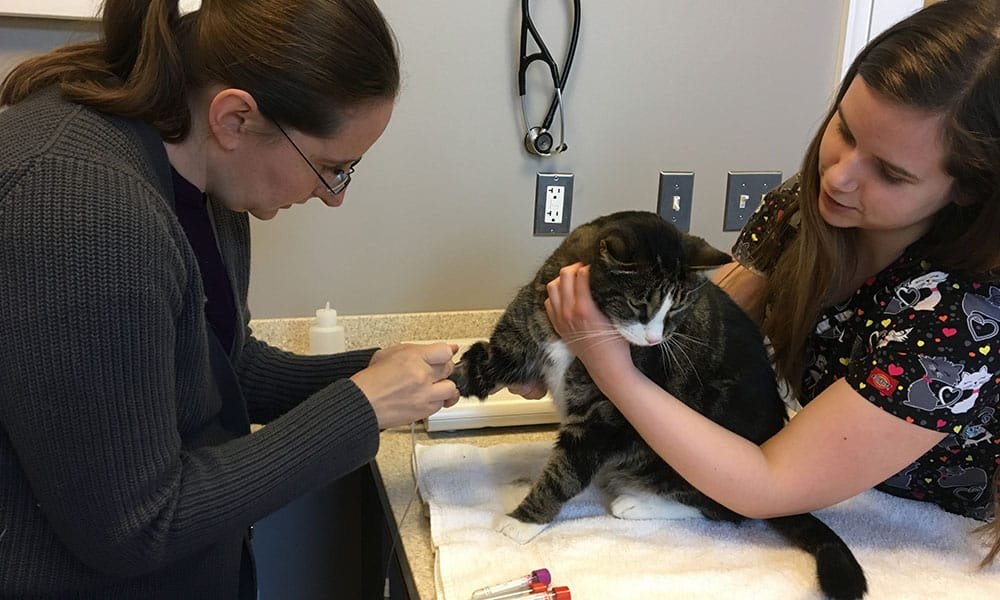
Regular vet visits keep your cat healthy and happy. These checkups catch health problems early. Your vet guides you on care, diet, and behavior. They protect your cat’s life and well-being. Scheduling visits on time is important for lasting health.
Vaccination Schedule
Vaccines shield cats from many serious diseases. Kittens need shots every few weeks until age four months. Adult cats require boosters yearly or every three years. Common vaccines protect against:
- Feline distemper
- Rabies
- Feline leukemia virus
- Upper respiratory infections
Your vet will create a vaccine plan based on your cat’s age and lifestyle.
Parasite Prevention
Parasites cause discomfort and illness in cats. Fleas, ticks, and worms are common threats. Your vet recommends treatments to stop these pests. These include topical drops, oral pills, and injections. Parasite control keeps your cat safe and your home clean.
Dental Checkups
Dental health affects your cat’s overall well-being. Plaque and tartar can cause pain and infection. Vets examine teeth and gums during visits. They may clean your cat’s teeth professionally. Good dental care helps prevent serious health issues.
Exercise And Enrichment
Keeping your cat active and engaged is key to their overall health. Exercise and enrichment prevent boredom, reduce stress, and help avoid common health issues like obesity. Let’s look at some practical ways to keep your cat moving and thinking.
Interactive Play Ideas
Use toys that encourage your cat to chase, pounce, and jump. Feather wands and laser pointers can turn ordinary moments into fun workouts. Try rotating toys regularly to keep your cat interested and excited.
Have you noticed how your cat reacts differently to various toys? Some cats prefer fast-moving objects, while others enjoy puzzle feeders that challenge their minds while they play.
Safe Outdoor Exploration
Outdoor time can be great for your cat’s physical and mental health, but safety is crucial. Use a secure harness and leash to let your cat explore the fresh air without risks. Alternatively, create a catio or enclosed outdoor space where your cat can roam freely yet safely.
Think about the last time your cat smelled grass or watched birds outside. Those simple experiences can be very enriching and stimulate their natural instincts.
Mental Stimulation
Exercise isn’t just physical; your cat’s brain needs a workout too. Puzzle toys, treat dispensers, and training sessions challenge your cat’s problem-solving skills. Even hiding treats around the house can turn mealtime into a fun game.
Ask yourself: How often do you change up your cat’s environment to keep their mind sharp? Small changes can make a big difference in their happiness and health.

Credit: justcatsclinic.com
Grooming Essentials
Grooming your cat goes beyond just making them look good; it’s essential for their health and happiness. Proper grooming can prevent many common issues like hairballs, skin infections, and even stress. Understanding the basics of grooming helps you build a stronger bond with your feline friend while keeping them comfortable.
Brushing Techniques
Choose the right brush depending on your cat’s fur type—slicker brushes work well for long-haired breeds, while rubber brushes suit short-haired cats. Brush gently in the direction of hair growth to avoid hurting your cat’s skin. Pay attention to problem areas like the belly and behind the ears, where mats often form.
Try to brush your cat regularly, ideally daily for long-haired cats and at least twice a week for short-haired ones. You might notice your cat relaxing or even purring during brushing—this is a sign they enjoy the attention and feel comforted.
Nail Care
Keeping your cat’s nails trimmed prevents scratches on furniture and reduces the risk of injury to both you and your pet. Use a specialized cat nail clipper for safety and cut just the sharp tip, avoiding the pink quick inside the nail. If you’re unsure where the quick ends, trim small bits at a time.
Introduce nail trimming gradually and reward your cat with treats or playtime afterward. If your cat resists, try handling their paws daily without clipping to make them more comfortable. Regular nail care also helps detect any signs of infection or injury early.
Bathing Tips
Most cats groom themselves well, so bathing is rarely needed unless they get into something sticky or dirty. Use a cat-specific shampoo that’s gentle and free of harsh chemicals. Prepare everything in advance—warm water, a non-slip mat, and towels—to make the process smoother.
Keep baths short and calm, speaking softly to your cat throughout. Rinse thoroughly to avoid skin irritation and dry them quickly with a towel or gentle blow dryer on low heat. Have you noticed how some cats tolerate baths better when you make it a routine?
Recognizing Health Issues
Recognizing health issues in cats early can make a big difference in their recovery and overall well-being. Cats often hide their pain or discomfort, so you need to be alert to subtle signs. Paying close attention to changes in their behavior and physical condition helps you catch problems before they worsen.
Common Symptoms To Watch
Look for symptoms like sudden weight loss, vomiting, or changes in appetite. If your cat suddenly stops grooming or has a dull coat, it might indicate an underlying health issue.
- Excessive sneezing or coughing
- Frequent urination or difficulty urinating
- Unusual lumps or bumps on the body
- Changes in litter box habits
- Persistent scratching or hair loss
Noticing these signs early can help you act quickly. Remember, small symptoms can be the first alert to bigger problems.
Behavioral Changes
Watch how your cat acts daily. If your friendly cat becomes withdrawn or hides more than usual, something could be wrong.
Sudden aggression or irritability might also signal pain or discomfort. Changes in sleep patterns or activity levels deserve your attention as well.
Think about how your cat usually behaves. Does your cat suddenly avoid jumping or playing? These are clues you shouldn’t ignore.
When To Seek Help
If symptoms last more than a day or worsen, it’s time to consult your vet. Don’t wait for the problem to become severe.
Emergency signs include trouble breathing, seizures, or inability to move. Immediate veterinary care is crucial in these situations.
Trust your instincts; if something feels off, it’s better to get a professional opinion. Your prompt action could save your cat’s life.
Creating A Safe Environment
Creating a safe environment for your cat is key to ensuring their health and happiness. Cats are curious creatures, and their safety depends on how well you manage their surroundings. Small changes at home can make a big difference in preventing accidents and reducing stress.
Hazards To Avoid
Many common household items can be dangerous to cats. Keep chemicals like cleaning supplies, antifreeze, and certain plants well out of reach. Sharp objects, electrical cords, and small toys that can be swallowed should also be secured.
Have you checked under your furniture lately? Cats love to explore tight spaces where hazards often hide. A quick sweep to remove hidden dangers can save you an emergency vet visit.
Comfortable Resting Areas
Your cat needs cozy spots to relax and feel secure. Soft beds placed in quiet corners away from heavy foot traffic work well. Cats also appreciate elevated resting places where they can observe their environment safely.
Think about where your cat chooses to nap naturally. Adding similar resting spots encourages them to rest more, which supports their overall health.
Stress Reduction
Stress can weaken your cat’s immune system and lead to behavioral issues. Provide hiding spots like covered beds or boxes where your cat can retreat when feeling overwhelmed. Maintain a consistent routine for feeding and playtime to create a predictable environment.
Have you noticed how your cat reacts to new people or noises? Minimizing sudden changes and loud sounds helps keep stress low. Consider using pheromone diffusers to calm anxious cats in busy households.
Frequently Asked Questions
What Are Common Health Issues In Cats?
Common cat health issues include fleas, ticks, dental disease, obesity, and urinary tract infections. Regular vet visits help detect problems early. Proper nutrition and hygiene prevent many illnesses.
How Often Should I Take My Cat To The Vet?
Cats should visit the vet at least once a year. Older or sick cats may need more frequent check-ups. Regular exams ensure timely vaccinations and health monitoring.
What Vaccinations Do Cats Need For Good Health?
Core vaccines include rabies, feline distemper, and calicivirus. Your vet may recommend additional vaccines based on your cat’s lifestyle. Vaccinations protect against serious, contagious diseases.
How Can I Keep My Cat’s Teeth Healthy?
Brush your cat’s teeth regularly with pet-safe toothpaste. Provide dental treats and toys. Routine dental check-ups prevent gum disease and tooth decay.
Conclusion
Caring for your cat’s health is essential. It ensures a happy life. Regular vet visits help catch issues early. Balanced diet supports overall wellness. Plenty of exercise keeps them active and fit. Mental stimulation boosts their happiness. Remember, each cat is unique.
Tailor your approach to fit their needs. Observe their behavior closely. Address any changes promptly. Your love and care make a difference. Keep their environment safe and comfortable. Healthy habits lead to a joyful feline friend. Prioritize their well-being. They depend on you.
Enjoy a loving bond with your cat. It’s truly rewarding.
