

Have you ever imagined a cat becoming the heart of a busy train station? In Japan, this isn’t just a cute idea—it’s a real story that has captured the hearts of many.
You might think a cat at a train station is just a pet, but it’s much more than that. This special cat brings joy, comfort, and even a sense of community to travelers and locals alike. If you want to discover how one feline changed the face of a whole station and why people from around the world come to see it, keep reading.
Your next favorite story is just a few lines away.
Credit: www.scmp.com
The Legend Of The Station Cat
The legend of the Japanese train station cat has captured hearts worldwide. These cats are not just animals but local icons. They bring warmth and charm to busy train stations. Their stories blend history, culture, and community spirit. Each station cat has a unique tale that adds to its legend.
Origins And Early Stories
The story begins decades ago at small train stations. Cats appeared naturally, drawn by warmth and food scraps. Station staff welcomed them, seeing their calming presence. Some cats helped keep pests away, earning respect. Over time, these cats became unofficial station mascots. Their friendly nature made travelers feel at home. Local people started sharing stories about their favorite station cat. These stories spread, growing the cats’ legendary status.
Famous Appearances In Media
Japanese train station cats soon caught media attention. Newspapers featured heartwarming tales about their daily lives. Television shows highlighted their impact on local communities. Documentaries shared their charming habits and interactions with passengers. Social media helped fans worldwide discover these feline legends. Some cats even inspired books and merchandise. Their fame brought more visitors to the train stations. The media presence helped preserve and celebrate these beloved animals.

Credit: www.theguardian.com
Daily Life At The Station
The daily life of the Japanese train station cat is a unique blend of calm routine and lively interaction. This feline has become a beloved fixture, turning an ordinary commute into a memorable experience. Observing its habits reveals much about the quiet charm it adds to the bustling station environment.
Routine And Habits
The cat follows a predictable schedule that fits perfectly into the station’s rhythm. Mornings are usually spent lounging near the ticket gates, soaking up the limited sunlight filtering through the glass. As the day progresses, it moves to quieter corners, often curling up on warm surfaces like heated benches or near station staff areas.
Notice how the cat never rushes, even during the busiest times. It takes short naps, stretches, and occasionally patrols the platform edges, almost as if overseeing its domain. This steady routine invites commuters to pause and smile, offering a moment of calm in their hectic day.
Interactions With Commuters
Commuters have grown fond of this station cat, often stopping to pet or snap a quick photo. Children’s faces light up when they see it, and adults find comfort in the small, friendly presence. The cat responds warmly, sometimes weaving between legs or softly purring, which creates a genuine connection.
Have you ever noticed how animals can instantly break the ice between strangers? At the station, the cat acts as a social bridge, sparking conversations and bringing people together. Its gentle nature encourages kindness and patience, subtle yet powerful lessons you can carry beyond the train platform.
Cultural Significance
The Japanese Train Station Cat is more than just a charming figure seen by travelers. It holds a deep cultural meaning that resonates with many locals and visitors alike. Understanding this significance can change how you view everyday encounters with this feline guardian.
Symbol Of Luck And Protection
The cat at the station is often seen as a bringer of good fortune. Many Japanese people believe that its presence wards off bad luck and keeps travelers safe. This idea goes beyond superstition; it’s a comforting tradition that adds a layer of hope to daily journeys.
Think about the last time you saw a small statue or symbol that made you smile or feel reassured. The station cat serves a similar purpose—quietly offering protection without demanding attention. It invites you to pause and feel a moment of calm before you continue your busy day.
Role In Local Community
More than a symbol, the train station cat often acts as a community member. In many towns, the cat becomes a local celebrity, drawing visitors and encouraging social interaction. This simple presence can boost community pride and even support local businesses.
Have you noticed how a small, shared point of interest can bring people together? The cat at the station does exactly that, creating a sense of connection among strangers waiting for the same train. It’s a reminder that even in transient places, community can thrive.

Credit: m.youtube.com
Impact On Tourism
The Japanese Train Station Cat has become a unique charm for travelers. Its presence draws many visitors to the local train stations. This phenomenon has created new opportunities for tourism growth. Small towns and rural areas benefit from the increased foot traffic. The cat’s story and appeal spread quickly through social media and word of mouth.
Tourists not only come to see the cat but also explore nearby shops and cafes. The attraction helps boost the local economy and community spirit. It also encourages cultural exchange and curiosity about Japanese railway culture. This simple yet effective draw has made a lasting impact on regional tourism.
Attracting Visitors
The cat acts as a friendly face at the train station. Many travelers plan trips just to visit the famous feline. Tourists enjoy taking photos and sharing their experiences online. This creates a viral effect that attracts even more visitors. The cat’s charm appeals to people of all ages and backgrounds.
Local tourism boards use the cat in their promotional materials. They highlight its story and presence in travel guides. Events and festivals sometimes feature the cat to increase interest. This unique draw helps smaller towns compete with larger cities for tourists.
Merchandise And Souvenirs
Shops near the station sell items featuring the cat’s image. Popular souvenirs include:
- Keychains
- Postcards
- Plush toys
- Stickers
These products create extra income for local businesses. Tourists often buy gifts to remember their visit. The merchandise also spreads awareness of the cat beyond the station. Fans collect these items, increasing demand and encouraging creativity.
Collaborations with local artists produce unique designs. Limited edition items boost excitement and sales. This merchandising trend supports the community and enhances the tourist experience.
Other Train Station Cats In Japan
Japan has many train stations with special cats. These cats become more than just pets. They are symbols of luck and community spirit. Each station cat has its own story and charm. Travelers love meeting these furry station masters. They bring smiles and warmth to busy commuters. Their presence makes waiting for trains a little more joyful.
Famous Feline Guardians Nationwide
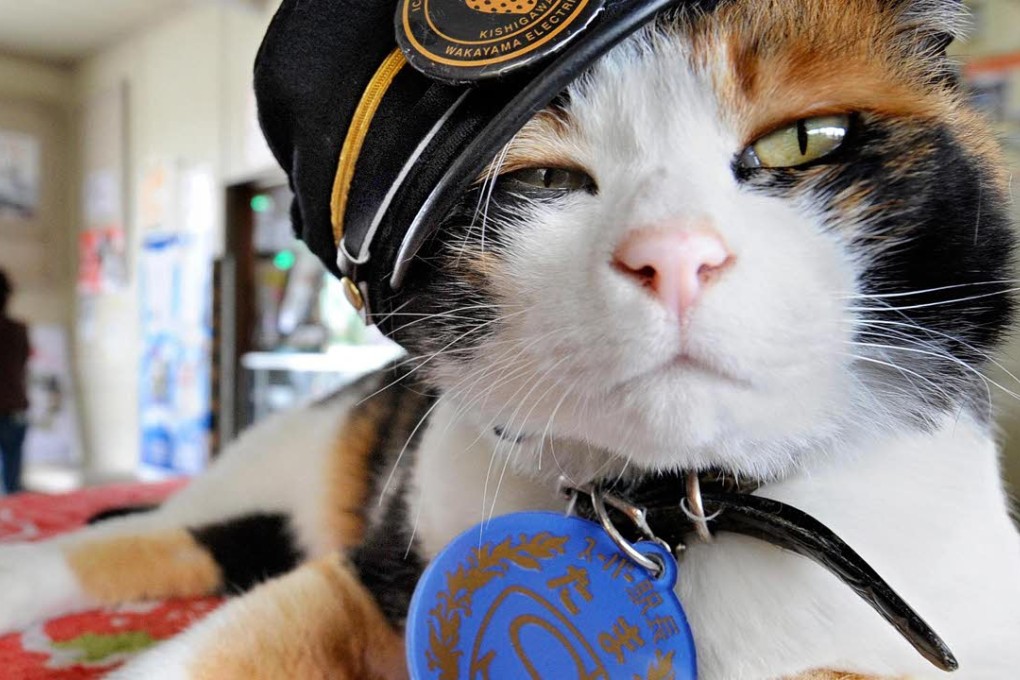
Many train stations across Japan have famous cats. These feline guardians often wear little hats or badges. They greet passengers with calm and gentle eyes. Some cats have even been named official station masters. Their fame attracts tourists from far and wide.
- Tama, the legendary cat of Kishi Station, saved the station from closure.
- Bus, the cat at Shibayama Station, loves to sit on the ticket counter.
- Goemon, at Echizen Station, is known for his friendly nature.
Each cat plays a role in boosting the station’s image. They create a unique charm that travelers remember.
Comparing Stories And Roles
Though all these cats share the station master title, their stories differ. Tama’s story is one of revival and hope. Bus became a symbol of daily kindness and routine. Goemon acts more like a local celebrity and friend.
The roles vary too. Some cats help attract visitors. Others comfort lonely commuters. Many simply provide a cozy presence in busy stations. Each cat’s personality shapes how people see the station.
The cats bring a sense of community and joy. They remind us that small things can make big differences. Every cat tells a unique story about life and connection at train stations.
How To Visit The Station Cat
Visiting the Japanese train station cat offers a unique and heartwarming experience. This charming feline has become a local icon, attracting visitors from around the world. To make the most of your visit, it helps to know the best times to see the cat and the proper behavior to follow. Respect for the cat and the station ensures a pleasant visit for everyone.
Best Times To See The Cat
The station cat is usually most active in the early morning and late afternoon. These times are quieter, with fewer travelers passing through. The cat often rests near the station office or lounges on benches. Weekdays tend to be less crowded, giving visitors a better chance to enjoy the cat’s company calmly. Avoid peak rush hours for a peaceful visit.
Etiquette And Tips For Visitors
- Approach the cat slowly and quietly to avoid startling it.
- Do not try to pick up or chase the cat.
- Always ask permission from the station staff if you want to pet the cat.
- Avoid feeding the cat unless allowed by the staff.
- Use your camera gently; avoid using flash photography.
- Respect other visitors by keeping noise levels low.
Frequently Asked Questions
What Is The Japanese Train Station Cat Story?
The Japanese Train Station Cat is a famous feline known for welcoming passengers. This cat became a local mascot and symbol of community spirit at a small train station in Japan.
Why Are Japanese Train Station Cats Popular?
These cats attract tourists and bring joy to commuters. They symbolize warmth, hospitality, and local culture, enhancing the travel experience at Japanese train stations.
How Do Train Station Cats Impact Local Tourism?
Train station cats boost tourism by drawing visitors interested in unique cultural experiences. They increase foot traffic and promote nearby shops and attractions, benefiting the local economy.
Are Japanese Train Station Cats Cared For By Staff?
Yes, station staff and locals often feed and care for these cats. They ensure the cats are healthy and safe while interacting with travelers daily.
Conclusion
The Japanese train station cat shows how animals bring joy to daily life. People love watching the cat greet passengers with calm and charm. This story reminds us to notice small, happy moments every day. A simple cat can brighten busy places and warm many hearts.
Train stations feel friendlier with this special feline friend around. It proves kindness and comfort can be found anywhere, even at a train stop. Such tales make travel more memorable and fun for everyone.
