

If you have a cat, you probably want the best care for your furry friend. But when unexpected vet bills come up, it can be stressful and expensive.
You might wonder, is pet insurance really worth it for your cat? This article will help you understand the benefits and drawbacks so you can make the right choice. Keep reading to find out how pet insurance could protect your cat and your wallet.
Why Consider Pet Insurance For Cats
Deciding whether to get pet insurance for your cat can feel overwhelming, especially when weighing the costs against potential benefits. But thinking about insurance before a health issue arises can save you stress and unexpected expenses. Understanding why pet insurance might be a wise choice helps you protect your feline friend and your wallet.
Common Health Risks In Cats
Cats can face several health problems as they age or even in their younger years. Some common issues include kidney disease, diabetes, and dental problems. Accidents like falls or fights with other animals can also lead to injuries needing urgent care.
Knowing these risks means you can prepare for them. Would you want to skip treatment if your cat suddenly needed surgery or special medication? Insurance can help cover these costs, making it easier to focus on your cat’s recovery instead of the bill.
Unexpected Veterinary Costs
Vet visits can become expensive very quickly, especially in emergencies. Even routine check-ups add up over time. Treatments like X-rays, blood tests, or surgeries may cost hundreds or even thousands of dollars.
Without insurance, you might face tough choices about your cat’s care. Have you ever wondered how you would handle a sudden $2,000 vet bill? Insurance spreads out these costs, so you don’t have to pay a large sum all at once.
Peace Of Mind For Cat Owners
Having pet insurance means you can relax knowing help is there if your cat gets sick or hurt. It removes the worry about whether you can afford the best treatment. This peace of mind allows you to focus on what matters most—your cat’s health and happiness.
Imagine being able to say yes to any necessary vet treatment without hesitation. Doesn’t that sound like the kind of support every cat owner deserves?
Credit: www.preventivevet.com
Types Of Cat Insurance Plans
Choosing the right cat insurance plan can protect your pet and save money. Different plans cover different needs. Knowing the types helps find the best fit for your cat.
Accident-only Coverage
This plan covers injuries from accidents like falls or bites. It does not pay for illnesses or routine care. It is usually cheaper than other plans.
Good for cats that are healthy and mostly indoors. It helps with emergency vet bills but not regular health checks.
Comprehensive Plans
These plans cover accidents and illnesses. They pay for treatments like surgery, medications, and diagnostics. Some also cover hereditary conditions.
More expensive but offers broad protection. Ideal for cats with higher health risks or older cats.
Wellness And Routine Care Add-ons
This option adds coverage for regular vet visits, vaccinations, and dental care. It helps manage the cost of ongoing care.
Usually paired with accident or comprehensive plans. Keeps your cat healthy and prevents future problems.
Cost Factors Of Cat Insurance
Understanding the cost factors of cat insurance helps in choosing the right plan. These factors influence how much you pay monthly or yearly. Knowing them saves money and avoids surprises during claims. Below are key points that affect cat insurance pricing.
Age And Breed Impact
Older cats often have higher insurance costs. They face more health risks and need extra care. Some breeds have genetic issues that raise premiums. For example, Persian cats may cost more due to common health problems. Insurers assess risk based on age and breed carefully.
Coverage Limits And Deductibles
Higher coverage limits mean higher costs. Plans with low deductibles usually charge more monthly. Choosing a higher deductible reduces the premium but increases out-of-pocket costs. Decide what balance works best for your budget and pet’s needs.
Monthly Vs Annual Payments
Monthly payments offer flexibility but can be slightly more expensive overall. Annual payments often come with discounts and lower total costs. Paying yearly saves money but requires a larger upfront amount. Consider your cash flow before deciding payment frequency.
Benefits Of Cat Insurance
Cat insurance offers several benefits that can make caring for your feline friend easier and less stressful. It gives you peace of mind knowing you’re covered if unexpected health issues arise. Understanding these benefits can help you decide if insurance is a smart choice for your cat’s well-being and your budget.
Financial Protection Against Emergencies
Vet bills for emergencies can climb quickly, sometimes reaching thousands of dollars. Insurance helps cover these sudden costs, so you won’t have to choose between your cat’s health and your finances.
Imagine your cat needing surgery after an accident. Without insurance, you might face a tough decision. With coverage, you can focus on getting the best care without immediate financial stress.
Access To Advanced Treatments
Insurance often covers treatments that may otherwise be too expensive. This can include specialist visits, advanced diagnostics, or even newer therapies that improve your cat’s quality of life.
Have you ever hesitated to try a recommended treatment because of the cost? Insurance can open doors to options you might not consider otherwise, helping your cat get the care they deserve.
Flexibility In Choosing Veterinarians
Many pet insurance plans allow you to visit any licensed vet, not just those in a specific network. This means you can continue seeing your trusted vet or choose one with the best expertise for your cat’s needs.
Would you feel more comfortable knowing you can pick the vet that suits your cat’s personality and health requirements? This flexibility is a strong advantage of having insurance.
Potential Drawbacks To Consider
Pet insurance for cats offers many benefits, but it also comes with some drawbacks. Understanding these potential issues helps you make a wise choice. Knowing what to expect avoids surprises later.
Exclusions And Waiting Periods
Many pet insurance plans exclude pre-existing conditions. These are health issues your cat had before starting coverage. You may also face waiting periods. This means you cannot claim for certain problems right after signing up. Waiting periods often last from a few days to weeks.
Some plans exclude specific treatments or illnesses. It is important to read the policy carefully. Missing these details can cause denied claims. Always check which conditions the plan covers and which it does not.
Claims Process Challenges
The claims process can be tricky. It often requires submitting detailed documents and vet bills. Some insurers take weeks to approve or deny claims. This delay can be frustrating when you need quick help.
Not all expenses are reimbursed immediately. Some insurers pay only a part of the bill. You might pay out of pocket first and wait for reimbursement later. Understanding this helps you prepare financially.
Cost Vs Actual Usage
Pet insurance premiums add up over time. If your cat stays healthy, you might pay more in premiums than you get back. This makes insurance less cost-effective for some owners.
Compare the yearly cost of insurance with potential vet bills. Consider your cat’s age, breed, and health risks. This helps decide if insurance makes financial sense for your situation.

Credit: www.reddit.com
Alternatives To Pet Insurance
Choosing pet insurance is not the only way to manage your cat’s health expenses. Many cat owners explore other options to save money on vet bills and emergencies. These alternatives can help you budget for care without monthly insurance fees. Consider these practical choices to protect your cat’s health and your wallet.
Pet Savings Accounts
Setting up a dedicated savings account for your cat’s health costs is smart. Deposit a small amount regularly. Over time, the fund grows and covers unexpected vet visits or treatments. This method gives you full control over your money. You avoid paying premiums and decide when to spend.
Care Credit And Payment Plans
Some veterinary clinics offer Care Credit or payment plans. Care Credit works like a credit card just for medical expenses. It lets you pay over time with low or no interest during a promotional period. Payment plans split big bills into smaller, manageable payments. Ask your vet if these options are available.
Discount Programs And Community Resources
Discount programs can reduce costs for vaccines, spaying, or dental care. Many communities have low-cost clinics or nonprofit organizations that help pet owners. These resources make essential care affordable. Check local shelters or pet groups for assistance programs near you.
Tips For Choosing The Right Insurance
Choosing the right pet insurance for your cat can feel overwhelming. There are many options, each with different coverage levels, costs, and rules. Knowing what to look for helps you find a policy that truly fits your cat’s health needs and your budget.
Comparing Policies And Providers
Not all pet insurance plans are created equal. Look beyond the monthly price and check what illnesses, injuries, and treatments each policy covers.
- Does the plan cover chronic conditions like diabetes or arthritis?
- Are hereditary or congenital issues included?
- What about emergency care or specialist visits?
Reading customer reviews and ratings can reveal how well providers handle claims. A company that pays quickly and communicates clearly can save you stress during tough times.
Reading Fine Print Carefully
Policies often have limits and exclusions that affect your coverage. You might find restrictions on age, pre-existing conditions, or certain treatments.
Pay close attention to:
- Waiting periods before coverage starts
- Annual or per-condition payout caps
- Reimbursement percentages and deductibles
Understanding these details upfront prevents surprises when you file a claim. Have you ever been caught off guard by hidden policy rules?
Evaluating Your Cat’s Specific Needs
Your cat’s age, breed, and lifestyle influence which insurance is best. For example, older cats may need coverage that includes age-related conditions.
If you have a Siamese cat prone to respiratory issues, check if those are covered. Active outdoor cats might benefit from plans covering accidents and injuries.
Think about your vet’s recommendations and your financial comfort zone. Tailoring insurance to your cat’s unique needs ensures you’re not paying for unnecessary extras or missing vital coverage.

Credit: www.latimes.com
Frequently Asked Questions
What Does Cat Pet Insurance Typically Cover?
Cat pet insurance usually covers accidents, illnesses, surgeries, and emergency care. Some plans include wellness exams and vaccinations. Coverage varies by provider and plan type, so always check specific policy details before purchasing.
How Much Does Cat Pet Insurance Cost On Average?
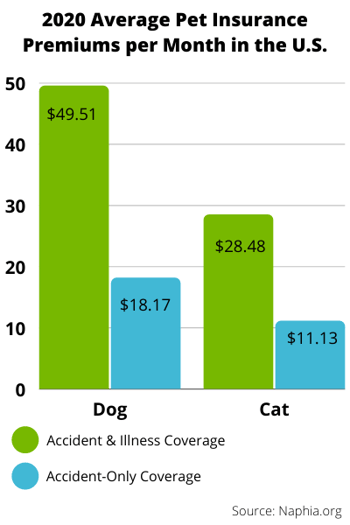
Cat pet insurance costs typically range from $10 to $40 per month. Premiums depend on coverage level, cat’s age, breed, and location. Higher coverage limits and fewer exclusions usually increase the price.
Are Pre-existing Conditions Covered By Cat Insurance?
Most pet insurance policies exclude pre-existing conditions. Some insurers may cover curable conditions after a waiting period. Always review policy terms to understand exclusions related to your cat’s health history.
Is Pet Insurance Worth It For Older Cats?
Pet insurance can be less cost-effective for older cats due to higher premiums and limited coverage. However, it may still help manage unexpected medical expenses. Consider your cat’s health and financial situation before deciding.
Conclusion
Pet insurance can help protect your cat’s health and your wallet. It covers unexpected vet bills and emergencies. Choosing the right plan depends on your budget and your cat’s needs. Some cats need more care than others. Think about how much you can spend on vet visits.
Peace of mind matters when your pet is sick. Pet insurance is not for everyone, but it can be useful. Weigh the costs and benefits carefully before deciding. Caring for your cat means planning ahead.
