

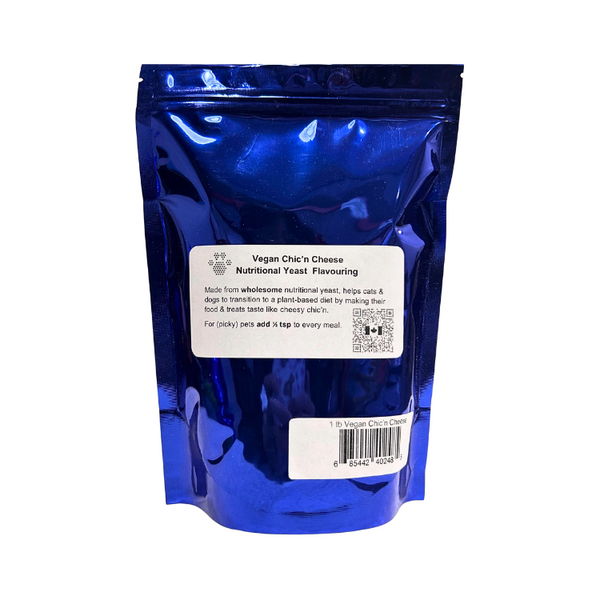
Are you curious about adding something new and healthy to your cat’s diet? Nutritional yeast has gained popularity as a superfood for humans, but is it safe and beneficial for your feline friend?
You want the best for your cat, and understanding the true effects of nutritional yeast can help you make smart choices. Keep reading to discover what nutritional yeast really does for cats and whether it deserves a place in your pet’s meals.

Credit: www.reddit.com
What Is Nutritional Yeast
Nutritional yeast is a popular supplement known for its health benefits. It is a deactivated yeast, often used in cooking and dietary plans. This yeast is harvested from a single-celled fungus called Saccharomyces cerevisiae. After growing, it is heated to stop its activity, making it safe to consume.
This ingredient is rich in vitamins, minerals, and protein. It has a cheesy, nutty flavor that enhances many dishes. Nutritional yeast is often favored by vegans and vegetarians as a source of vitamin B12 and other nutrients.
How Nutritional Yeast Is Made
The yeast is grown on a sugar-rich medium like molasses or beet juice. It ferments and multiplies until it reaches a certain stage. Then, it is harvested, washed, and dried using heat. This process kills the yeast, making it inactive and safe to eat.
Key Nutrients In Nutritional Yeast
- Protein: Contains all nine essential amino acids
- B Vitamins: Especially B12, important for energy and brain health
- Fiber: Supports digestion and gut health
- Minerals: Such as zinc, selenium, and iron
Common Uses Of Nutritional Yeast
- Flavor enhancer in soups, sauces, and snacks
- Added to vegan cheese recipes
- Sprinkled on popcorn or salads for extra taste
- Used as a dietary supplement for extra nutrition
Nutritional Yeast And Cat Health
Nutritional yeast is a popular supplement for humans, known for its rich vitamin content. Pet owners often wonder if it benefits cats too. Understanding how nutritional yeast affects cat health is important before offering it as a treat or supplement.
Nutritional yeast contains B vitamins, proteins, and minerals. These nutrients can support a cat’s immune system and skin health. Yet, cats have specific dietary needs that differ from humans.
Nutritional Content Of Nutritional Yeast
Nutritional yeast is high in B vitamins like B1, B2, B3, and B12. These help with energy and nervous system function. It also contains protein and fiber, which can aid digestion.
Benefits For Cats
- Supports healthy skin and coat
- Boosts immune system
- Provides essential vitamins
Small amounts may improve a cat’s overall health.
Potential Risks And Considerations
Too much nutritional yeast can cause digestive upset. Some cats may be allergic or sensitive. Yeast contains purines, which can worsen urinary issues in some cats.
Safe Usage Tips
- Offer in small, controlled amounts
- Observe for any negative reactions
- Consult a vet before adding to diet
Proper guidance ensures safety and health benefits.
Key Benefits For Cats
Nutritional yeast offers several benefits for cats. It contains vitamins, minerals, and proteins that support their overall health. Adding it in small amounts can help improve various body functions. This section highlights key benefits cats may experience.
Boosting Immune System
Nutritional yeast is rich in antioxidants and B vitamins. These nutrients help strengthen a cat’s immune defenses. A stronger immune system fights infections better. It helps cats stay healthy and recover faster from illness.
Improving Skin And Coat
The high protein and vitamin content supports healthy skin and fur. Nutritional yeast provides biotin and other nutrients that reduce dryness and itching. Cats often develop shinier, softer coats with regular use. It helps maintain a beautiful, healthy look.
Supporting Digestion
Natural fibers in nutritional yeast aid digestion. They promote good gut bacteria and improve nutrient absorption. This can reduce digestive problems like constipation or diarrhea. A healthy digestive system means better overall wellness for cats.
Safe Usage Guidelines
Using nutritional yeast for your cat can offer health benefits, but it’s important to follow safe usage guidelines to avoid any harm. Understanding the right amount and recognizing signs of adverse reactions will help you keep your feline friend healthy and happy. Let’s break down the essentials so you can confidently decide if and how to add nutritional yeast to your cat’s diet.
Recommended Dosage
Start by giving your cat a very small amount of nutritional yeast, such as a pinch sprinkled over their food. A typical guideline is about 1/4 teaspoon per day for an average-sized cat, but always adjust based on your cat’s size and tolerance.
It’s best to introduce it gradually. Watch how your cat responds over a week before increasing the amount. Have you noticed your cat enjoying or avoiding the taste? That’s a good indicator of whether to continue.
Potential Side Effects
Some cats might experience digestive upset, like vomiting or diarrhea, if given too much nutritional yeast. Allergic reactions are rare but possible, especially if your cat has a yeast sensitivity.
Keep an eye out for changes in behavior or appetite after adding nutritional yeast. If you see any unusual symptoms, stop giving it and consult your vet. Your cat’s health always comes first, and even natural supplements can cause issues if not used carefully.
Comparing Nutritional Yeast With Other Supplements
Choosing the right supplement for your cat can be confusing, especially with so many options available. Nutritional yeast is often compared to other popular supplements because of its rich nutrient profile and potential health benefits. Let’s look closely at how it stacks up against other common supplements you might be considering for your furry friend.
Comparing Nutritional Yeast And Fish Oil
Fish oil is well-known for its omega-3 fatty acids, which support a cat’s skin, coat, and joint health. Nutritional yeast, on the other hand, offers B vitamins and protein but lacks omega-3s.
If your cat struggles with dry skin or inflammation, fish oil may provide more targeted benefits. However, if you want to boost your cat’s energy levels and immune system, nutritional yeast can be a valuable addition.
How Nutritional Yeast Measures Up Against Taurine Supplements
Taurine is an essential amino acid for cats, crucial for heart and eye health. Nutritional yeast contains some protein but usually has little to no taurine.
This means you shouldn’t rely on nutritional yeast to meet taurine needs. Instead, taurine supplements or taurine-rich foods like meat are necessary for your cat’s wellbeing.
Nutritional Yeast Versus Multivitamins For Cats
Multivitamins for cats are formulated to cover a broad range of nutritional gaps. Nutritional yeast provides a natural source of several B vitamins but doesn’t cover all essential vitamins and minerals.
Using nutritional yeast alongside a multivitamin might give your cat extra benefits, but it shouldn’t replace a comprehensive vitamin supplement if your cat has specific deficiencies.
Can Nutritional Yeast Replace Probiotics?
Probiotics support a healthy gut flora and improve digestion. Nutritional yeast contains compounds that may benefit gut health, but it is not a probiotic and does not contain live bacteria.
If your cat needs digestive support, probiotics are a more direct option. Nutritional yeast can complement this support but won’t replace it.
Summary Table: Nutritional Yeast Vs. Other Supplements
| Supplement | Main Benefits | Key Nutrients | Best For | Limitations |
|---|---|---|---|---|
| Nutritional Yeast | Supports immune system, energy, skin health | B vitamins, protein | Boosting overall nutrition | Lacks taurine, omega-3s, probiotics |
| Fish Oil | Improves skin, coat, joint health | Omega-3 fatty acids | Anti-inflammatory support | No B vitamins or protein |
| Taurine Supplements | Supports heart and eye health | Taurine amino acid | Essential amino acid supply | Does not provide vitamins or fats |
| Multivitamins | Fills broad nutrient gaps | Varied vitamins and minerals | General supplementation | May lack protein and omega-3s |
| Probiotics | Improves digestion and gut health | Live beneficial bacteria | Digestive support | No vitamins or amino acids |
Which supplement fits your cat’s needs best depends on their specific health goals. Have you noticed any changes after trying nutritional yeast or other supplements? Sharing your experience can help others make informed decisions.

Credit: cattime.com
How To Introduce Nutritional Yeast To Your Cat
Introducing nutritional yeast to your cat requires care and patience. Start slowly to watch for any signs of intolerance or allergies. Cats have sensitive stomachs, so it is best to mix small amounts with their regular food.
Observe your cat’s reaction carefully. Some cats enjoy the cheesy flavor, while others may ignore it. Consistency helps your cat get used to the new taste and texture.
Choose The Right Type Of Nutritional Yeast
Select pure, fortified nutritional yeast without added flavors or preservatives. Avoid products with garlic or onion powder, which are toxic to cats. A natural, plain variety is safest for your pet.
Start With Small Amounts
Sprinkle a tiny pinch on your cat’s food first. Gradually increase the amount over a week or two. Watch for any changes in appetite or digestion during this time.
Mix Nutritional Yeast With Wet Food
Wet food masks the yeast’s texture and flavor well. Stir the yeast into a small portion of wet food. This method encourages your cat to eat without noticing the change.
Observe For Allergic Reactions
- Check for itching or redness on skin
- Monitor vomiting or diarrhea
- Note any unusual behavior or discomfort
Stop feeding immediately if any signs appear. Consult a veterinarian to ensure your cat’s safety.
Make It A Treat
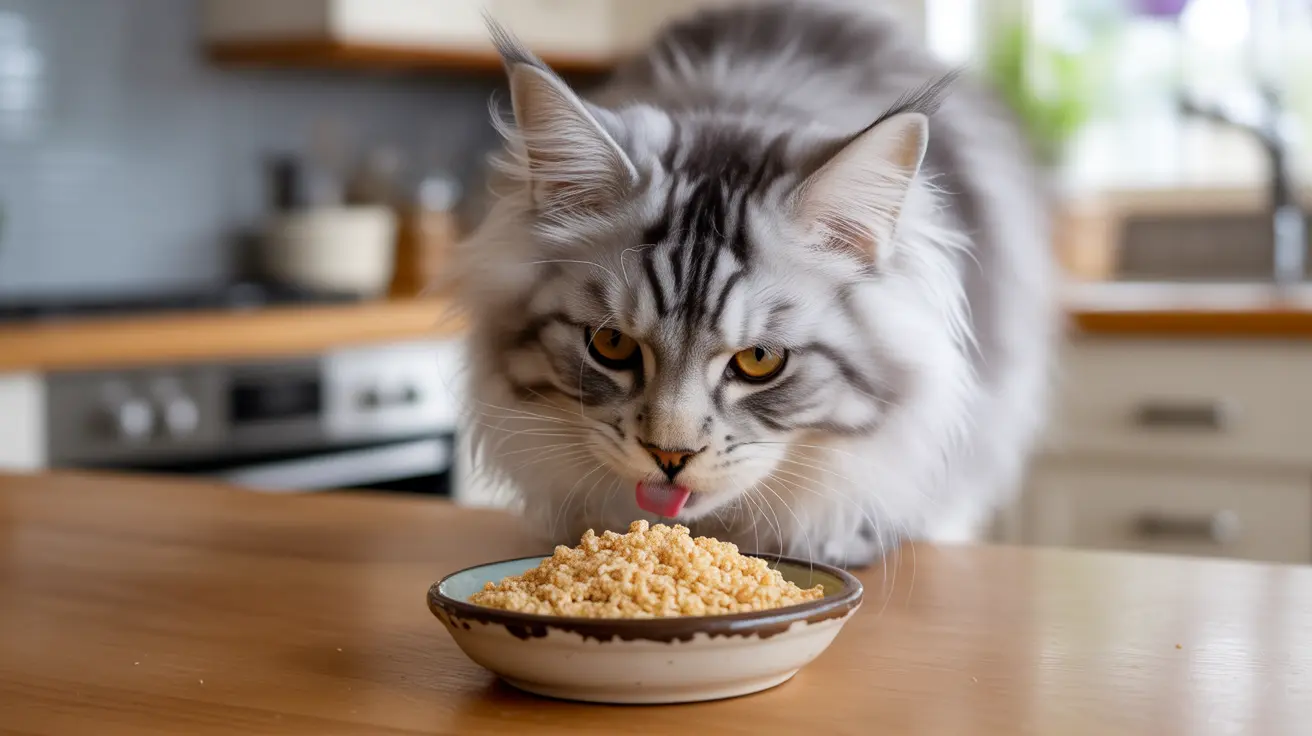
Use nutritional yeast as an occasional treat, not a daily meal. Cats enjoy variety and special snacks. This keeps feeding times interesting and enjoyable.
Credit: www.petscare.com
Frequently Asked Questions
Is Nutritional Yeast Safe For Cats To Eat?
Nutritional yeast is generally safe for cats in small amounts. It provides B vitamins but should not replace a balanced diet. Avoid giving large quantities, as it may cause digestive upset or allergic reactions in some cats.
Can Nutritional Yeast Benefit My Cat’s Health?
Yes, nutritional yeast can support your cat’s immune system and skin health. It contains essential vitamins and antioxidants. However, it should be used as a supplement, not a primary food source, to ensure complete nutrition.
How Much Nutritional Yeast Can I Give My Cat?
Limit nutritional yeast to a small pinch or sprinkle once or twice a week. Too much can cause digestive issues or nutrient imbalances. Always introduce it gradually and monitor your cat’s reaction.
Does Nutritional Yeast Help With Cat Allergies?
Nutritional yeast may help reduce inflammation and support skin health, potentially easing mild allergy symptoms. However, it is not a cure and should be part of a broader allergy management plan recommended by your vet.
Conclusion
Nutritional yeast can be safe for cats in small amounts. It offers some vitamins and protein that cats may enjoy. Too much, though, could upset their stomach or cause allergies. Always check with a vet before adding new food. Watch your cat closely for any changes.
A healthy diet is key to a happy pet. Use nutritional yeast carefully and wisely. Your cat’s well-being matters most.
