


Have you ever wondered if your cat has special needs? Maybe you’ve noticed behaviors or health issues that seem different from other cats.
It can be confusing and even a little overwhelming to figure out what your furry friend truly needs. Understanding whether your cat requires special care is the first step to giving them the love and support they deserve. Keep reading, and you’ll discover clear signs to look for and simple ways to help your special cat live a happy, comfortable life.
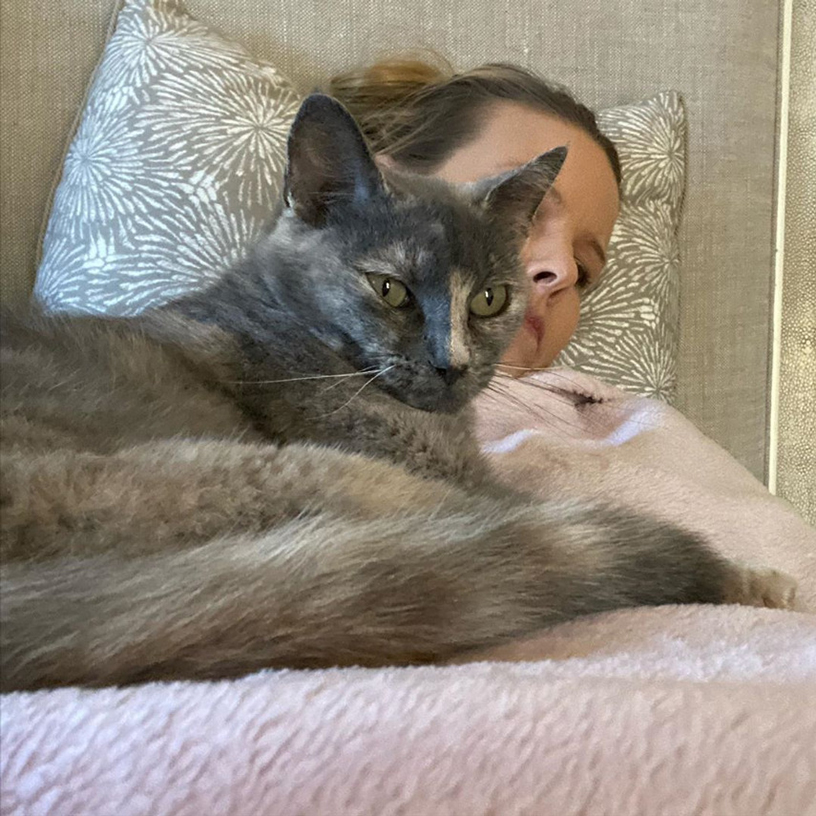
Credit: www.animalleague.org
Identifying Special Needs In Cats
Recognizing if your cat has special needs is crucial for providing the right care and support. Cats often hide pain or discomfort, so you need to be observant and patient. Paying close attention to changes in their body, behavior, and health can help you identify if your furry friend requires extra attention.
Physical Indicators
Physical signs can be the first clues that your cat might have special needs. Watch for unusual lumps, persistent wounds, or changes in weight that don’t seem related to diet. Notice if your cat has difficulty moving, limps, or shows signs of blindness or deafness.
For example, my cat started dragging her back legs slightly, which led me to discover early arthritis. Small physical changes can signal bigger issues, so don’t ignore them.
Behavioral Signs
Behavior changes can be subtle but important. If your cat suddenly hides more than usual, seems unusually aggressive, or loses interest in favorite toys, these could be red flags. Changes in eating or litter box habits also deserve attention.
Have you noticed your cat meowing more at night or seeming confused in familiar places? These behaviors might indicate cognitive problems or sensory loss. Keeping a journal of behavioral shifts can help you communicate better with your vet.
Common Medical Conditions
Some medical conditions frequently affect cats with special needs. Diabetes, kidney disease, hyperthyroidism, and heart disease are common and often require ongoing treatment. Cats with these conditions may need special diets, medication, or regular vet visits.
Understanding these illnesses helps you spot symptoms early. For example, increased thirst and urination might point to diabetes. Are you ready to learn the signs your cat shows to give them the care they deserve?
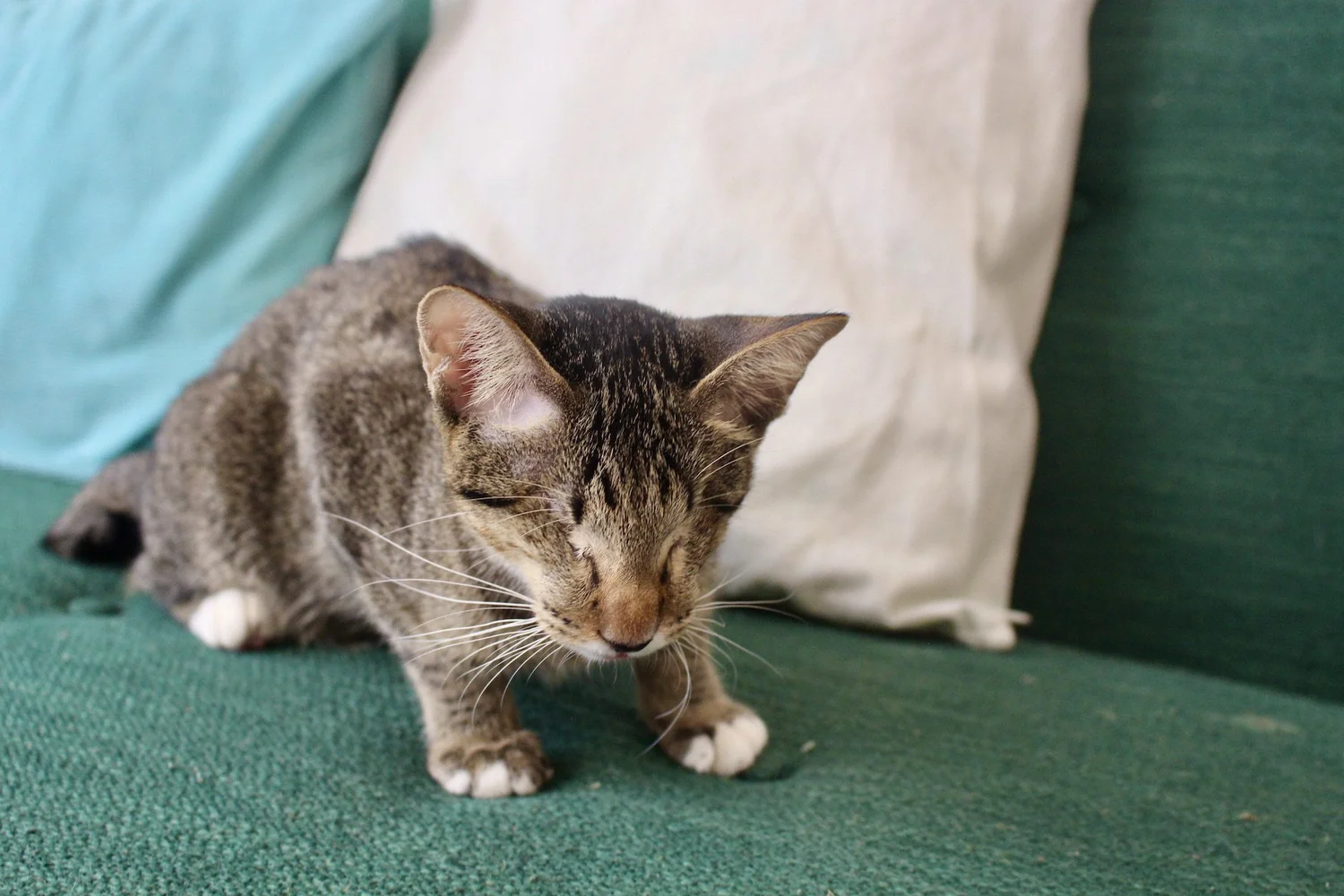
Credit: www.ministryofcat.com
Common Causes Of Special Needs In Cats
Special needs in cats can arise from various causes. Understanding these causes helps owners provide better care. Many cats live happy lives despite their challenges. Identifying the root cause is the first step in managing their needs.
Genetic Factors
Some cats inherit conditions from their parents. These genetic issues can affect organs or body functions. Examples include heart defects, blindness, or mobility problems. Breeds with a history of certain diseases have higher risks. Early diagnosis can improve a cat’s quality of life.
Injury And Trauma
Accidents can cause lasting damage to cats. Falls, car accidents, or fights may lead to broken bones or nerve damage. Trauma can also cause paralysis or loss of senses. Recovery depends on the injury’s severity and treatment speed. Special care often involves medication and physical therapy.
Illness And Disease
Chronic diseases can create special needs in cats. Diabetes, kidney failure, and arthritis are common examples. Infections and autoimmune disorders also affect a cat’s health. Managing these illnesses requires regular vet visits and medication. A proper diet supports treatment and improves comfort.
Assessing Your Cat’s Needs
Assessing your cat’s needs is important to provide the right care and support. Cats with special needs may require extra attention or adjustments in their daily life. Understanding these needs helps improve their comfort and happiness.
Observe your cat closely. Notice any changes in eating, movement, or behavior. These signs can indicate if your cat needs special care. Early assessment helps catch problems before they worsen.
Veterinary Evaluations
Regular check-ups with a vet are essential. Vets can identify health issues that affect your cat’s needs. They perform tests and physical exams to detect problems.
Vets also advise on treatments and special diets. Follow their guidance to keep your cat healthy and comfortable.
Observing Daily Behaviors
Watch how your cat acts every day. Look for signs like difficulty walking or changes in grooming. Notice if your cat hides more or seems restless.
Keep a journal of these behaviors. This record helps vets and behaviorists understand your cat’s condition better.
Consulting Animal Behaviorists
Animal behaviorists specialize in understanding pets’ actions. They can help identify emotional or behavioral issues. These experts offer strategies to support your cat’s well-being.
Behaviorists work well with vets to create a full care plan. Their advice can improve your cat’s quality of life significantly.
Care Tips For Special Needs Cats
Caring for a special needs cat requires extra attention and understanding. These cats may have physical challenges, chronic illnesses, or sensory issues that affect their daily lives. Your goal is to make their environment comfortable and support their health with thoughtful care.
Creating A Safe Environment
Think about your cat’s unique limitations and adjust your home accordingly. Remove sharp objects and secure any loose wires that could cause harm. Use non-slip mats to help cats with mobility issues move around safely.
Low entry litter boxes and easy-to-access food and water dishes can reduce stress for cats with arthritis or weakness. You might also want to provide cozy, quiet spaces where they can rest undisturbed. Have you noticed if your cat struggles with stairs or jumping? This can guide you in rearranging furniture to suit their needs better.
Dietary Adjustments
Special needs cats often require tailored diets to support their health conditions. Consult your vet about foods that help manage weight, kidney problems, or digestive issues. Sometimes, softer or specially formulated kibble makes eating easier for cats with dental problems.
Consider feeding smaller, more frequent meals if your cat has trouble eating or digesting large portions. Adding supplements like omega-3 fatty acids can improve coat health and reduce inflammation. What changes have you noticed in your cat’s eating habits? Tracking these can help you fine-tune their diet.
Regular Health Check-ups
Frequent vet visits are crucial for catching new health issues early. Special needs cats benefit from routine screenings and blood tests to monitor chronic conditions. Keep a log of symptoms, medications, and any behavior changes to share with your vet.
Vaccinations and parasite control remain important, even if your cat stays mostly indoors. Don’t hesitate to ask your vet about physical therapy or alternative treatments like acupuncture if your cat’s condition allows. Are you prepared to advocate for your cat’s health needs during these visits?
Training And Enrichment Strategies
Training and enrichment strategies help special needs cats stay happy and healthy. These cats often need tailored activities to match their unique abilities. Proper training and mental stimulation improve their quality of life. They also strengthen the bond between you and your cat. The key is patience and consistency in every interaction.
Adapting Play Activities
Modify toys to suit your cat’s abilities. Use soft balls or feather wands for gentle play. Slow movements capture their attention better. Short, frequent play sessions prevent fatigue. Create safe spaces where your cat can explore comfortably. Observe their reactions to find the most enjoyable activities. Variety keeps them interested and engaged.
Socialization Techniques
Introduce new people and pets gradually. Keep encounters calm and positive. Use quiet voices and slow movements. Allow your cat to approach at their own pace. Reward calm behavior with treats or gentle petting. Regular social experiences reduce fear and anxiety. Consistency builds trust and confidence over time.
Positive Reinforcement Methods
Reward desired behaviors immediately with treats or praise. Use small, tasty treats that your cat loves. Avoid punishment, as it causes stress and confusion. Clicker training can help mark good actions clearly. Keep training sessions short and fun. Celebrate small successes to encourage progress. Positive reinforcement creates a happy learning environment.
Support And Resources For Pet Owners
Support and resources play a vital role for pet owners caring for special needs cats. These resources offer advice, comfort, and practical tips. They help owners feel less alone and more confident in their care routines.
Access to the right support makes a big difference in managing a special needs cat’s life. It connects owners to experts and others who share similar experiences. This creates a strong network of help and understanding.
Connecting With Support Groups
Support groups bring together pet owners facing similar challenges. They share stories, advice, and emotional support. Many groups meet locally or online for easy access.
- Local animal shelters often host support meetings.
- Veterinary clinics may recommend groups for special needs pets.
- Some groups focus on specific conditions or disabilities.
Joining a support group helps owners exchange tips and feel encouraged. It builds a community of care and compassion.
Accessing Professional Guidance
Professional advice is essential for managing a special needs cat’s health. Veterinarians provide tailored medical care and treatment plans. Specialists like animal behaviorists offer additional support for unique needs.
- Schedule regular vet visits for ongoing health checks.
- Ask about therapies or medications that can improve quality of life.
- Seek advice on nutrition and daily care routines.
Professional help ensures that the cat gets the best care possible. It also helps owners make informed decisions about treatment options.
Online Communities And Forums
Online forums connect pet owners worldwide. These platforms allow sharing experiences and quick advice. They are available 24/7 for support at any time.
- Join forums dedicated to special needs pets or cats.
- Participate in discussions to learn from others’ experiences.
- Use forums to ask questions and find product recommendations.
Online communities offer comfort and practical help. They create a space for learning and sharing without leaving home.
Credit: cheezburger.com
Frequently Asked Questions
What Signs Indicate My Cat Has Special Needs?
Look for mobility issues, vision or hearing loss, chronic illness, or behavioral changes. These often indicate special needs in cats. Early detection helps provide proper care and improve their quality of life.
How Do I Care For A Special Needs Cat?
Provide a safe, comfortable environment and follow vet advice. Regular check-ups, medication, and tailored diet are essential. Patience and love greatly support their well-being and happiness.
Can Special Needs Cats Live Normal Lives?
Yes, with proper care, many special needs cats live happy, fulfilling lives. Supportive environments and medical care help them thrive despite challenges.
What Medical Conditions Qualify A Cat As Special Needs?
Common conditions include diabetes, arthritis, blindness, deafness, and neurological disorders. These require ongoing management and specialized care to maintain health.
Conclusion
Every cat is unique in its own way. Special needs cats require extra care and love. Understanding their needs helps you give the best support. Patience and kindness make a big difference daily. Small changes can improve your cat’s comfort and happiness.
Caring for them strengthens your bond and trust. Your cat depends on you for a safe, loving home. Remember, every effort counts in their well-being journey. Embrace the experience—it can be rewarding and heartwarming.
