

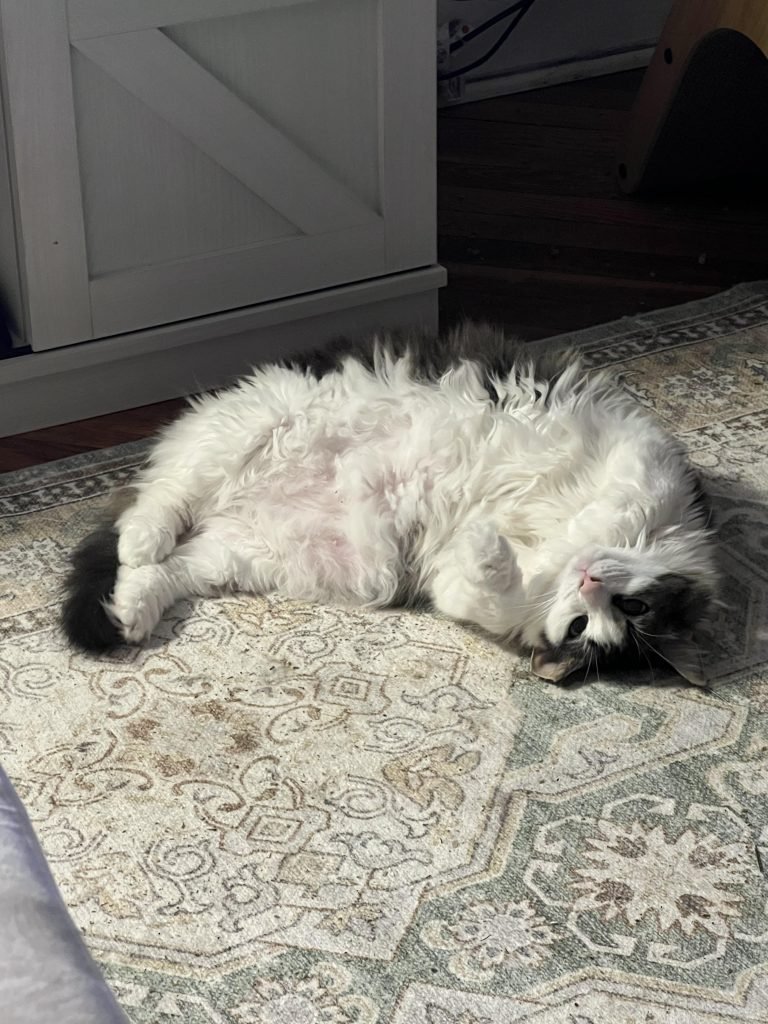
Have you noticed your cat spending more time licking or biting its fur than usual? You might be wondering, “Is my cat over grooming?” This behavior can seem harmless at first, but it could be a sign that something is wrong.
Understanding why your cat is over grooming can help you protect their health and happiness. Keep reading to discover what over grooming means, why it happens, and what you can do to help your furry friend feel better.
Signs Of Over Grooming
Over grooming in cats is more than just a cleaning habit. It can signal health or emotional issues. Recognizing the signs early helps prevent serious problems. Observe your cat’s skin and behavior closely for clues.
Bald Patches And Redness
Bald patches appear where fur is missing due to frequent licking or biting. The skin underneath may look red or irritated. These areas can become sore and sensitive. Watch for scabs or swelling, which show the problem is getting worse.
Excessive Licking Habits
Cats usually groom themselves regularly. But excessive licking means they spend too much time cleaning one spot. This can cause hair loss and skin damage. Notice if your cat licks a specific area for long periods. It may also chew or scratch the same place repeatedly.
Behavioral Changes
Over grooming can change how your cat acts. They may seem restless or anxious. Some cats hide more or avoid playing. Others might meow more often or show signs of stress. These changes can indicate discomfort or pain linked to over grooming.
Common Causes
Over grooming in cats is often a sign of underlying issues. Identifying the common causes helps in providing the right care. Cats may over groom due to physical or emotional discomfort. Understanding these causes is key to helping your pet feel better.
Stress And Anxiety
Cats groom to calm themselves when stressed or anxious. Changes in environment, loud noises, or new pets can trigger stress. Over grooming becomes a coping mechanism for nervous cats. This behavior can lead to bald spots or irritated skin.
Allergies And Skin Conditions
Allergies cause itching, leading to excessive grooming. Common allergens include certain foods, dust, or pollen. Skin conditions like dermatitis or fungal infections also cause discomfort. Cats lick or bite to soothe itchy or painful areas.
Parasites And Infections
Parasites such as fleas and mites cause intense itching. Infections from bacteria or fungi worsen skin irritation. Cats react by over grooming to relieve the itch. These conditions need prompt treatment to stop the cycle.
Health Risks Of Over Grooming
Over grooming in cats might seem like just a quirky behavior, but it can lead to serious health problems. When your cat spends too much time licking or biting their fur, the consequences go beyond just a messy coat. Understanding these health risks helps you spot trouble early and protect your furry friend.
Skin Irritation And Sores
Excessive grooming often causes irritated skin. Your cat’s constant licking removes natural oils, leaving their skin dry and red. This can quickly turn into painful sores that make your cat even more uncomfortable.
Have you noticed your cat scratching more or avoiding touch? These could be signs of skin irritation caused by over grooming. Acting fast to soothe their skin can prevent worse damage.
Hair Loss And Matting
Over grooming usually leads to noticeable hair loss in patches. Bald spots form where your cat licks repeatedly, and the remaining fur can become tangled and matted.
Mattes trap dirt and moisture, causing discomfort and sometimes skin infections. If you see clumps of fur missing or hard to brush, it’s a red flag that your cat’s grooming habits need attention.
Secondary Infections
Open sores and damaged skin open the door to bacterial or fungal infections. Your cat’s saliva contains bacteria that can worsen wounds caused by over grooming.
These infections might not heal on their own and can spread, requiring veterinary care. If your cat shows swelling, redness, or unusual odor around groomed areas, don’t wait to seek help.

Credit: www.reddit.com
Calming Techniques For Your Cat
Over grooming can signal stress or anxiety in cats. Using calming techniques helps reduce this behavior. These methods create a peaceful space and comfort your cat. They also boost your cat’s well-being and happiness.
Creating A Stress-free Environment
Keep your cat’s space quiet and safe. Avoid loud noises and sudden changes. Provide cozy spots for resting and hiding. Use soft bedding and familiar scents. Maintain a regular routine for feeding and playtime. This consistency helps your cat feel secure.
Interactive Play And Exercise
Engage your cat with toys that mimic hunting. Use feather wands, laser pointers, or small balls. Play sessions should last 10 to 15 minutes daily. Exercise reduces stress and prevents boredom. It also strengthens the bond between you and your cat.
Using Calming Products
Consider calming products like pheromone diffusers or sprays. These release scents that soothe cats naturally. Herbal supplements or calming collars may also help. Always check with a vet before starting new products. These options support relaxation and reduce over grooming.
When To See A Vet
Knowing when to visit the vet is important if your cat over grooms. Over grooming can cause serious health problems. Early vet visits help catch issues before they worsen. Learn key signs that need professional care.
Persistent Grooming Issues
Watch your cat’s grooming habits closely. If grooming lasts more than a few days, see a vet. Constant licking or biting can damage the skin. Hair loss and redness may appear. These signs show grooming is more than normal cleaning.
Signs Of Infection Or Pain
Look for swelling, sores, or bleeding on your cat’s skin. These can mean infection caused by over grooming. Your cat might hiss or pull away when touched. Pain often shows through changes in mood or activity. Infections need quick treatment to avoid spreading.
Behavioral Assessments
Notice any changes in your cat’s behavior. Over grooming may be linked to stress or anxiety. Your cat could hide, become aggressive, or lose appetite. The vet can help find emotional or medical causes. Treatment often includes both physical and mental care.

Credit: www.reddit.com
Preventing Over Grooming
Preventing over grooming in cats helps keep their skin and fur healthy. Over grooming can cause bald spots, sores, and infections. Taking simple steps stops this behavior before it starts. Careful attention to your cat’s needs makes a big difference.
Regular Grooming Routine
Brushing your cat often removes loose fur and dirt. It reduces itching and fur swallowing. Grooming sessions also build trust and comfort. Use a soft brush and be gentle. Pay attention to areas your cat can’t reach.
Balanced Diet And Hydration
Feed your cat high-quality food with all needed nutrients. A balanced diet supports healthy skin and coat. Provide fresh water every day to keep your cat hydrated. Dry skin can cause itching and over grooming. Healthy skin means less irritation and scratching.
Routine Vet Checkups
Visit the vet regularly to catch health issues early. Skin allergies, parasites, or infections cause over grooming. Your vet can recommend treatments or special diets. Early care prevents severe problems and discomfort for your cat.

Credit: www.reddit.com
Frequently Asked Questions
What Are Common Signs Of Cat Over Grooming?
Signs include excessive licking, bald patches, redness, and skin irritation. Cats may also show restlessness or grooming beyond normal levels.
Why Does My Cat Groom Excessively?
Excessive grooming can indicate stress, allergies, parasites, or skin infections. It may also be a response to pain or boredom.
How Can I Stop My Cat From Over Grooming?
Identify the cause first, then address stress, allergies, or parasites. Use vet-recommended treatments and provide environmental enrichment to reduce anxiety.
When Should I See A Vet For Over Grooming?
Visit a vet if bald patches, wounds, or persistent licking occur. Early diagnosis prevents complications and ensures proper treatment for your cat.
Conclusion
Cats groom to stay clean and healthy. But too much grooming can mean stress or health problems. Watch for bald spots, redness, or changes in behavior. These signs show your cat may need help. Visit a vet to find the cause and get advice.
Early care can stop issues from getting worse. Keep your cat happy by understanding their grooming habits. Small changes can make a big difference in their well-being. Stay alert and show your cat love and care every day.
