

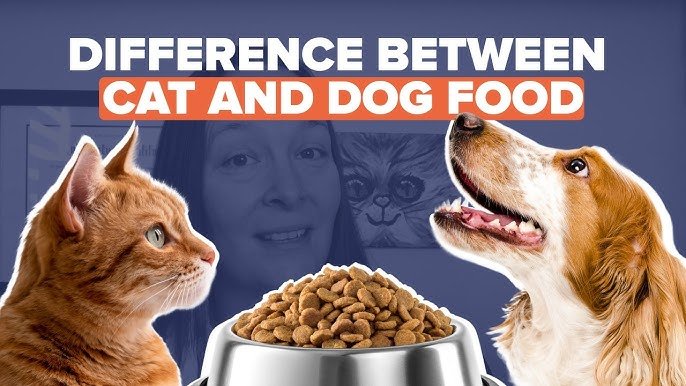
Have you ever caught your cat sneaking a bite of your dog’s food and wondered, “Is this safe for my furry friend?” It’s a common question for many pet owners like you who want the best for their pets. While it might seem harmless at first, feeding your cat dog food could have hidden risks that affect their health.
You’ll discover why cats need special nutrition and what could happen if they eat dog food. Keep reading to learn how to keep your cat happy and healthy every day.
Nutritional Needs Of Cats Vs Dogs
Cats and dogs have different nutritional needs. Cats are obligate carnivores, meaning they require meat to survive. Dogs are omnivores, so they can eat both plants and meat. This difference affects the type of food each pet needs to stay healthy. Feeding a cat dog food can lead to missing important nutrients.
Essential Nutrients For Cats
- Taurine:An amino acid vital for heart and eye health.
- Arachidonic Acid:A fatty acid important for skin and coat.
- Vitamin A:Needed for vision and immune function.
- Protein:Cats need more protein than dogs for energy.
- Niacin:Supports metabolism and skin health.
Key Differences In Dog Food
Dog food has lower levels of taurine and arachidonic acid. It contains more carbohydrates and plant-based ingredients. The protein content is less than cat food. Dog food does not include enough vitamin A or niacin for cats. These differences make dog food unsuitable for cats over time.
Impact Of Nutrient Imbalance
Feeding cats dog food regularly can cause serious health problems. Taurine deficiency can lead to heart issues and vision loss. Lack of vitamin A harms skin and immune health. Protein shortage causes muscle weakness and poor energy. Nutrient imbalance may result in long-term diseases and poor quality of life.
Credit: www.chewy.com
Potential Risks Of Cats Eating Dog Food
Cats and dogs have different nutritional needs. Dog food lacks certain nutrients essential for cats. Feeding cats dog food can cause health problems. Understanding these risks helps protect your cat’s well-being.
Short-term Health Concerns
Eating dog food occasionally might not cause serious harm. But cats may suffer from digestive upset, like vomiting or diarrhea. Dog food has less protein than cats need for energy. Cats may feel tired or weak after eating dog food.
Long-term Effects On Cats
Regular feeding of dog food can lead to serious issues. Cats can develop malnutrition due to missing key nutrients. Lack of taurine, an amino acid, harms heart and eye health. Long-term use can weaken the immune system. Chronic health problems may require costly veterinary care.
Common Deficiencies And Toxicities
- Taurine Deficiency:Causes heart disease and vision loss.
- Vitamin A Deficiency:Leads to skin and coat problems.
- Arachidonic Acid Deficiency:Affects inflammation and skin health.
- Excess Calcium:Found in some dog foods, may cause kidney issues.
- Higher Fat Content:Can cause obesity and pancreatitis in cats.
When Dog Food Might Be Safe
Dog food is not ideal for cats but may be safe in some cases. Cats need specific nutrients that dog food often lacks. Still, occasional or controlled feeding might not cause harm. Knowing when dog food can be safe helps protect your cat’s health.
Occasional Consumption
Eating dog food once or twice usually does not hurt cats. Small amounts of dog food can fill their stomach temporarily. Avoid making it a regular habit to prevent nutrient gaps. Watch for any signs of upset or allergies after they eat.
Emergency Situations
Dog food can be a short-term solution in emergencies. When cat food is unavailable, dog food may keep your cat fed. Use only until you can get proper cat food. Do not rely on dog food for more than a day or two.
Vet-approved Dog Food Options
Some dog foods are formulated to meet more animal needs. Certain brands offer vet-approved recipes safe for cats. These have added nutrients like taurine for cats. Always check with a vet before feeding dog food regularly.
Signs Of Nutritional Problems In Cats
Noticing signs of nutritional problems in your cat can be tricky, especially if you’re unsure whether dog food is causing harm. Cats have very specific dietary needs that dog food doesn’t meet, and missing essential nutrients can lead to serious health issues. Paying attention to early warning signs helps you act quickly and protect your furry friend.
Behavioral Changes
One of the first indicators of nutritional problems is a change in your cat’s behavior. You might see your cat becoming unusually lethargic or less playful than usual. Some cats may also show increased irritability or seem withdrawn, which could signal discomfort or internal issues.
Is your cat suddenly losing interest in favorite toys or hiding more often? These subtle shifts might be more than just mood swings—they could point to diet-related deficiencies. Keep an eye on how your cat interacts with you and their environment.
Physical Symptoms
Physical changes are often easier to spot and can include poor coat quality, excessive shedding, or dry, flaky skin. Weight loss or gain without a change in food intake is another red flag. You might also notice vomiting, diarrhea, or other digestive problems that aren’t typical for your cat.
Watch for signs like swollen paws or difficulty walking, which can indicate nutrient imbalances affecting muscles and joints. These symptoms suggest your cat’s body isn’t getting what it needs from their food, especially if they’re eating dog food regularly.
When To See A Vet
If you observe any behavioral or physical changes, it’s time to consult a vet. Don’t wait for symptoms to worsen—early intervention can prevent long-term damage. Your vet can run tests to determine if nutritional deficiencies are present and recommend the best diet plan.
Have you noticed any changes in your cat after they’ve eaten dog food? Sharing this with your vet helps tailor the right treatment. Remember, your cat’s health depends on timely and informed decisions.
Tips For Feeding Cats Properly
Feeding your cat properly is essential to keep them healthy and happy. Cats have unique dietary needs that differ significantly from dogs. Understanding how to meet these needs will help you avoid common feeding mistakes and ensure your feline friend thrives.
Choosing The Right Cat Food
Look for cat food that lists meat as the first ingredient and contains essential nutrients like taurine, an amino acid crucial for cats. Avoid foods with excessive fillers such as corn or wheat, which offer little nutritional value for your cat.
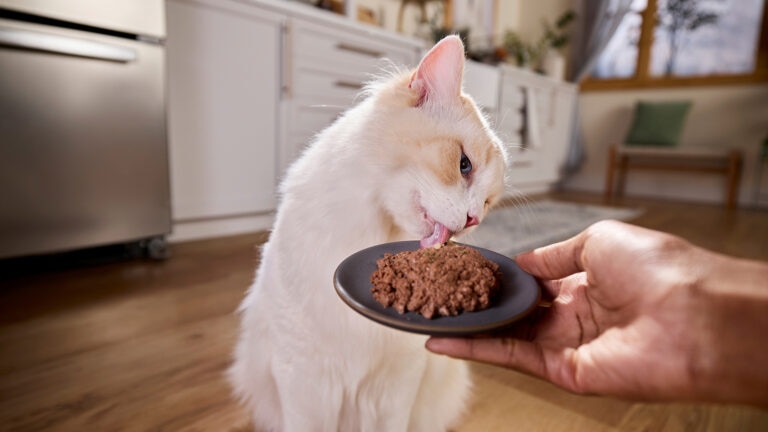
Wet food can be a great option to increase your cat’s water intake, especially if they don’t drink much water on their own. Have you checked the label recently to see if your cat’s food meets these requirements?
Avoiding Cross-feeding
Feeding your cat dog food can lead to nutritional gaps and digestive problems. Dog food lacks the right balance of nutrients cats need, such as taurine and vitamin A.
Keep pet food bowls separate and monitor your pets during meal times. If you’ve noticed your cat sneaking dog food, try offering more appealing options or timed feeding sessions to reduce the temptation.
Supplementing Cat Diets Safely
Sometimes cats need extra vitamins or supplements, but always consult your vet before adding anything new to their diet. Not all supplements are safe for cats, and some can cause harm if given incorrectly.
You might consider supplements like omega-3 fatty acids or probiotics if recommended by your vet. Do you know which supplements truly benefit your cat, or are you guessing based on trends?

Credit: www.purina.com
Credit: www.purina.com
Frequently Asked Questions
Can Cats Eat Dog Food Occasionally?
Cats can eat dog food occasionally but it is not ideal. Dog food lacks essential nutrients like taurine that cats need daily. Feeding dog food regularly can lead to nutritional deficiencies and health issues in cats.
Why Is Dog Food Unsafe For Cats Long-term?
Dog food is unsafe for cats long-term because it lacks key nutrients. Cats require higher protein and taurine levels, which dog food doesn’t provide. Long-term feeding can cause heart and vision problems in cats.
What Happens If Cats Eat Dog Food Regularly?
If cats eat dog food regularly, they risk nutritional deficiencies. This can lead to weak immunity, poor coat health, and organ issues. Cats need a diet specifically formulated for their unique nutritional needs.
Can Dog Food Cause Health Problems In Cats?
Yes, dog food can cause health problems in cats. It lacks taurine and certain vitamins essential for cats. Feeding dog food often can result in serious conditions like heart disease and vision loss.
Conclusion
Cats and dogs need different foods to stay healthy. Dog food lacks nutrients important for cats. Feeding cats dog food often can cause problems. It is okay for cats to eat dog food once in a while. But it should not be a regular meal.
Always choose food made for cats. Your pet’s health depends on the right diet. Keep your cat happy and healthy with proper food. Simple and clear care works best.
