

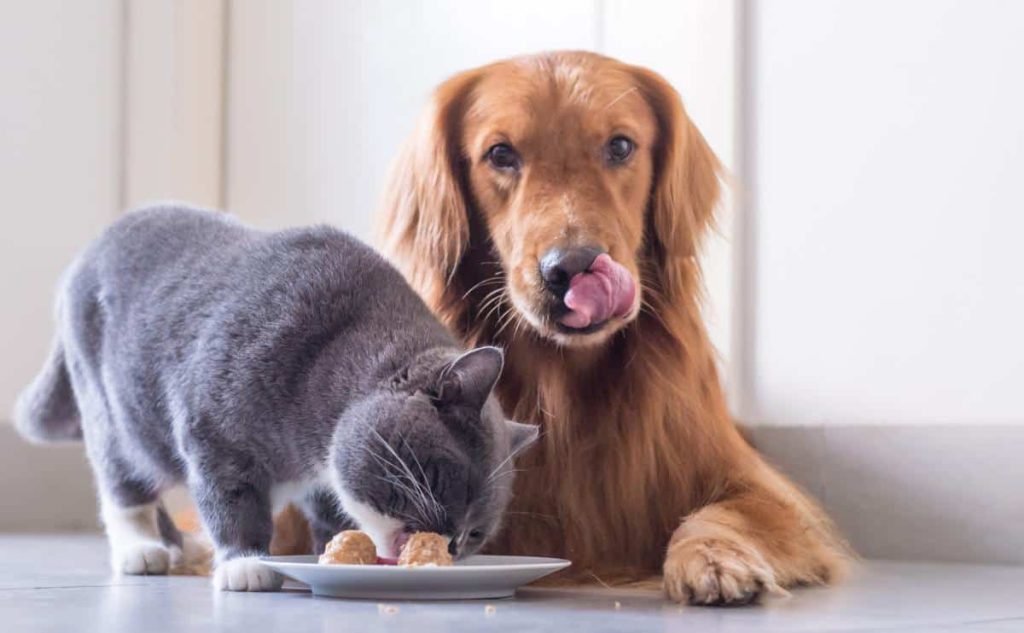
Have you ever caught your dog sneaking a bite of your cat’s food and wondered, “Is this really okay?” It’s a common situation that many pet owners face, but you might not know the full story behind it. What your dog eats affects their health in ways you might not expect.
If you care about your furry friend’s well-being, understanding whether cat food is safe for dogs is crucial. Keep reading to discover the surprising facts that could protect your pet from hidden dangers.
Why Dogs Eat Cat Food
Dogs often sneak bites of cat food, causing many pet owners to wonder why. Understanding the reasons helps manage this behavior better. Dogs are curious creatures. They may find cat food tempting for several key reasons.
Attraction To Smell And Taste
Cat food has a stronger smell than dog food. This aroma attracts dogs easily. Cat food also tastes richer and fattier. Dogs enjoy these bold flavors more than their own food.
Nutritional Differences
Cat food contains more protein and fat than dog food. It is made to meet cats’ higher energy needs. Dogs might crave these extra nutrients. Their bodies find it tasty and satisfying.
Behavioral Reasons
Some dogs eat cat food out of boredom. Others do it for attention or to test limits. It can become a habit if not controlled. Dogs also like exploring new tastes and textures.
Nutritional Risks For Dogs
Feeding dogs cat food can create several nutritional problems. Dog and cat foods are designed with different needs in mind. Dogs eating cat food regularly may face health issues due to these differences. Understanding these risks helps pet owners make safer choices.
High Protein And Fat Content
Cat food usually contains more protein and fat than dog food. Cats need extra protein for their diet. Dogs do not require such high levels. Eating cat food often can strain a dog’s digestive system. It can cause stomach upset and discomfort. Too much fat can also lead to pancreatitis, a painful condition.
Lack Of Essential Nutrients
Dog food has nutrients that cat food lacks. Taurine, for example, is vital for cats but dogs need other vitamins. Dogs need more fiber and certain vitamins not found in cat food. Feeding cat food can lead to nutrient imbalances. This may cause problems like weak bones or poor coat health.
Potential For Obesity
Cat food is calorie-dense to meet cats’ high energy needs. Dogs eating cat food may consume more calories than necessary. Over time, this can cause weight gain and obesity. Obesity increases risks of joint problems and heart disease in dogs. Controlling calorie intake is important for maintaining a healthy weight.
Health Problems From Cat Food
Feeding your dog cat food might seem harmless at first, but it can lead to several health problems. Cat food is formulated differently, with higher protein and fat levels meant for cats, not dogs. Understanding the specific health risks can help you protect your furry friend from avoidable issues.
Digestive Upset
Dogs eating cat food often experience digestive issues like vomiting and diarrhea. Their stomachs aren’t designed to handle the rich ingredients in cat food. If your dog suddenly shows signs of stomach pain or loose stools after sneaking some cat food, it’s a clear warning sign.
Have you noticed your dog’s digestion getting upset after eating unusual treats? This might be the reason to watch their diet more closely.
Pancreatitis Risks
Cat food contains much higher fat content than dog food. This excess fat can trigger pancreatitis, a painful and serious inflammation of the pancreas. Dogs with pancreatitis may refuse to eat, vomit, or become lethargic, which can quickly become an emergency.
Think about how easily your dog could suffer from this if they regularly snack on cat food. Preventing access to the cat’s bowl is a simple step to avoid this risk.
Allergic Reactions
Some dogs may develop allergic reactions to ingredients in cat food. These reactions might include itching, skin redness, or ear infections. Unlike dogs, cats tolerate certain proteins or additives that can be irritants to dogs.
Have you ever wondered if your dog’s skin problems could be linked to their diet? Paying attention to what your dog eats can reveal surprising causes behind allergies.

Credit: www.lilyskitchen.co.uk
When Cat Food Might Be Harmful
Cat food is formulated differently than dog food, which can make it harmful under certain circumstances. While a dog nibbling on cat food occasionally might not cause immediate problems, regular consumption can lead to serious health concerns. Understanding when cat food might be harmful helps you protect your dog’s well-being.
Puppies And Senior Dogs
Puppies and senior dogs have unique dietary needs that cat food doesn’t meet. Puppies require balanced nutrients for growth, and cat food’s high protein and fat levels can strain their developing organs.
Senior dogs often have slower metabolisms and may suffer from kidney or heart issues. Feeding them cat food, which is richer in calories and fats, can worsen these conditions.
Dogs With Preexisting Conditions
If your dog has health problems like diabetes, kidney disease, or pancreatitis, cat food can be risky. The higher fat and protein content can trigger flare-ups or complicate treatment plans.
Have you noticed changes in your dog’s energy or digestion after eating cat food? It might be a signal that their health condition is being affected.
Frequency And Quantity
Small, occasional tastings of cat food usually won’t harm your dog. However, regular or large amounts can lead to nutrient imbalances and weight gain.
Think about how often your dog manages to sneak cat food. Is it a one-time curiosity or a frequent habit? Monitoring this can help you avoid long-term damage.
Safe Alternatives To Cat Food
Finding safe alternatives to cat food for your dog is essential to keep their health on track. Cat food is formulated for a different set of nutritional needs, which can be harmful if fed to dogs regularly. Fortunately, there are plenty of dog-friendly options that satisfy their taste buds and support their well-being.
Dog-friendly Treats
Instead of giving your dog cat food as a treat, try offering snacks made specifically for dogs. Look for treats rich in protein but low in fat, like small pieces of cooked chicken or turkey. Vegetables such as carrots and green beans can also be great low-calorie options.
Have you noticed your dog’s excitement when you bring out a new treat? Choosing dog-friendly treats helps you reward them without risking digestive upset or other health problems caused by cat food ingredients.
Balanced Dog Diet Options
Your dog needs a balanced diet tailored to their species and size. High-quality commercial dog foods provide the right mix of proteins, fats, vitamins, and minerals. You can also prepare homemade meals by consulting your vet to make sure all nutritional needs are met.
Keep in mind that some human foods are safe for dogs in moderation, like plain rice and boiled chicken. Avoid feeding your dog anything with onion, garlic, or excessive salt. Does your dog have specific dietary needs? A vet can help you find the best food plan.
Preventing Cross-feeding
When you have both cats and dogs, preventing cross-feeding can be tricky but important. Feeding pets in separate areas ensures your dog doesn’t sneak cat food and vice versa. This simple step protects your dog’s digestive system and helps maintain harmony at mealtime.
Try setting up feeding stations in different rooms or using barriers during feeding times. Have you ever caught your dog sneaking bites from the cat’s bowl? Taking control of feeding routines can stop this behavior and keep both pets healthy.

Credit: www.lilyskitchen.co.uk
Tips To Stop Dogs From Eating Cat Food
Stopping your dog from eating cat food can be challenging, but it’s essential for their health. Cat food is richer in protein and fat, which isn’t suitable for dogs over time. Here are some practical tips to keep your dog away from the cat’s bowl and ensure both pets get the nutrition they need.
Separate Feeding Areas
Feeding your cat and dog in different rooms can solve many problems. Try placing the cat’s bowl on a high surface or inside a room where the dog cannot enter. This simple change prevents your dog from sneaking a bite and gives your cat a calm eating environment.
Think about your home’s layout—can you create a small feeding zone just for your cat? Even a baby gate can help keep your dog out during feeding times.
Use Of Barriers And Deterrents
Physical barriers can be very effective. Use baby gates, pet pens, or even a covered feeding station designed specifically for cats. These create a clear boundary your dog will learn to respect.
You can also try safe deterrents like a motion-activated spray or a pet-safe mat that makes an unpleasant noise or sensation when stepped on. Have you noticed your dog avoids certain spots? Use that knowledge to place deterrents strategically.
Training Techniques
Training your dog to leave the cat’s food alone is crucial. Teach commands like “leave it” or “no” and reward your dog when they obey. Consistency is key—practice regularly and keep training sessions short but frequent.
Try redirecting your dog’s attention with toys or treats during the cat’s feeding time. Have you ever used positive reinforcement to change a pet’s behavior? It works better than punishment and builds trust.
Credit: www.houndsy.com
Frequently Asked Questions
Can Dogs Safely Eat Cat Food?
Dogs should not regularly eat cat food. Cat food contains higher protein and fat levels, which aren’t ideal for dogs. Occasionally consuming small amounts isn’t harmful, but frequent consumption can lead to nutritional imbalances. It’s best to keep dog and cat food separate to ensure your pet’s health.
Why Do Dogs Like Cat Food?
Dogs are often attracted to the strong smell and taste of cat food. Cat food tends to be higher in fat and protein. These elements make it appealing to dogs. However, despite their preference, it’s not suitable for them regularly due to different dietary needs.
What Happens If Dogs Eat Cat Food?
Eating cat food occasionally is usually not harmful to dogs. However, regular consumption can lead to obesity and digestive issues. Cat food lacks essential nutrients needed by dogs, such as certain vitamins and fiber. It’s important to monitor your dog’s diet to prevent health problems.
Is Cat Food Harmful To Dogs’ Health?
Yes, cat food can be harmful if consumed frequently by dogs. It’s formulated to meet cats’ dietary needs, not dogs’. Over time, a diet high in cat food can cause nutritional imbalances, weight gain, and gastrointestinal issues in dogs. It’s best to feed pets their designated food.
Conclusion
Dogs eating cat food is not ideal for their health. Cat food has more fat and protein, which can upset dogs’ stomachs. Occasional bites might not harm, but regular feeding can cause problems. Dogs need food made just for them to stay healthy.
Always offer proper dog food to meet their needs. Keeping pets on the right diet helps them live longer. Remember, small changes make a big difference in pet care. Choose wisely for your furry friend’s happiness and health.
