

Have you ever wondered if dry cat food is actually bad for your cat? You want the best for your furry friend, but with so much information out there, it’s easy to feel confused.
Is dry food harming your cat’s health, or is it a convenient option you can trust? Keep reading, because understanding the truth about dry cat food could make a big difference in your cat’s happiness and well-being. Let’s dive into what you really need to know.
Dry Cat Food Basics
Dry cat food is a popular choice for many cat owners. It offers convenience and a long shelf life. Understanding its basics helps decide if it suits your cat’s needs. Dry cat food varies in ingredients, nutrition, and types. Knowing these details ensures a better choice for your feline friend.
Common Ingredients
Dry cat food mainly contains protein, grains, and fats. Chicken, fish, or beef often serve as protein sources. Grains like corn, rice, or wheat provide carbohydrates. Some formulas add vitamins and minerals for health. Artificial colors and preservatives may also appear in some brands.
Nutritional Value
Dry cat food delivers essential nutrients for cats. It usually has higher carbohydrate content than wet food. Cats need protein and fat for energy and growth. Look for foods with real meat listed first. Balanced vitamins and minerals support overall health and immunity.
Types Of Dry Food
- Standard dry food: Basic nutrition at an affordable price.
- Premium dry food: Higher quality ingredients and fewer fillers.
- Grain-free dry food: No grains, suitable for sensitive cats.
- Specialty dry food: Formulated for specific health issues.

Credit: www.tippaws.com
Pros Of Dry Cat Food
Dry cat food offers several benefits that can make your life easier and keep your cat healthy. Many cat owners appreciate its practicality without compromising on their pet’s nutrition. Let’s look at some key advantages of choosing dry food for your feline friend.
Convenience And Storage
Dry cat food is incredibly easy to store and handle. You can leave it out for your cat throughout the day without worrying about spoilage, unlike wet food. This makes feeding flexible, especially if you have a busy schedule or multiple cats to care for.
Have you noticed how much simpler meal times get when you don’t have to open cans or refrigerate leftovers? Dry food helps reduce feeding stress and keeps your kitchen tidier.
Cost-effectiveness
One of the biggest draws of dry cat food is its affordability. It usually costs less than wet food and lasts longer, giving you more value for your money. This is particularly helpful if you have more than one cat or are on a tight budget.
Think about how many meals you can provide without constantly buying new supplies. Dry food lets you manage your cat’s diet without stretching your finances.
Dental Health Benefits
Dry food can help reduce plaque and tartar buildup on your cat’s teeth. The crunchy texture encourages chewing, which naturally cleans teeth and massages gums. While it’s not a replacement for regular dental care, it supports oral health in a simple way.
Do you want your cat to avoid painful dental issues? Adding dry food to their diet might be a practical step toward that goal.
Cons Of Dry Cat Food
Dry cat food offers convenience but also has some drawbacks. These cons can affect your cat’s health and well-being. Understanding them helps in making better feeding choices.
Low Moisture Content
Dry cat food contains very little water, usually less than 10%. Cats need moisture for healthy kidneys and hydration. Eating dry food alone may lead to dehydration. This can cause urinary problems and kidney disease over time.
Potential For Overfeeding
Dry food is easy to overfeed because it is calorie-dense. Cats may eat more than they need, leading to weight gain. Obesity can cause diabetes, joint problems, and other health issues. Measuring portions carefully is essential but often overlooked.
Ingredient Quality Concerns
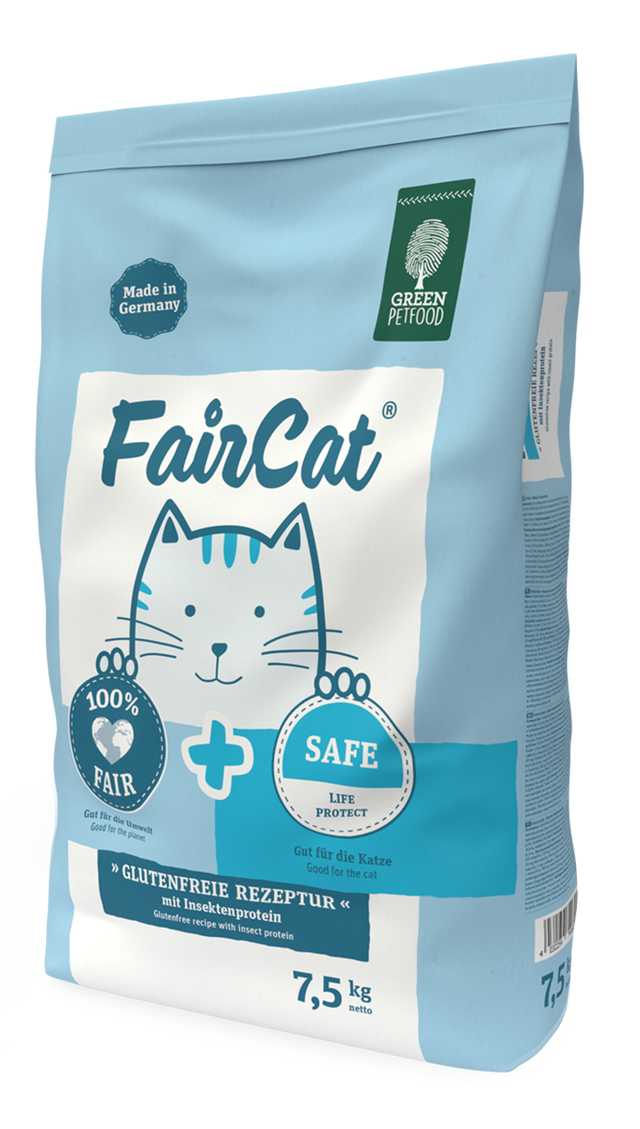
Some dry cat foods contain low-quality ingredients like fillers and artificial additives. These offer little nutritional value and may cause allergies or digestive issues. Cats need high protein and limited carbs for good health. Choosing poor-quality food can harm their nutrition.
Credit: www.green-petfood.com
Health Impacts On Cats
Understanding the health impacts of dry cat food is essential for anyone who cares about their cat’s well-being. The diet you choose affects your cat’s hydration, weight, and even their risk of allergies. Let’s look closely at how dry food can influence these important health areas and what that means for your furry friend.
Hydration And Kidney Health
Dry cat food contains very little moisture—usually around 10%. Cats naturally get most of their water from prey in the wild, so relying on dry food means your cat might not drink enough water. This can lead to dehydration, which puts strain on their kidneys over time.
Have you noticed your cat drinking more water or urinating less when eating dry food exclusively? That’s a sign their body might be working harder to stay hydrated. You can help by providing fresh water all day and mixing in some wet food to boost moisture intake.
Weight Management
Dry food is often calorie-dense and easy for cats to overeat, especially if left out all day. This can lead to weight gain and obesity, which increase the risk of diabetes and joint problems. Monitoring portion sizes and feeding scheduled meals can help keep your cat’s weight in check.
My own cat gained weight quickly when eating only dry food until I switched to measured portions and added some wet food. The change improved his energy and overall health. Could adjusting your cat’s feeding routine make a difference in their weight too?
Allergies And Sensitivities
Some cats develop allergies or food sensitivities linked to ingredients commonly found in dry food, like certain grains or additives. Symptoms can include itching, digestive upset, or ear infections. Paying attention to your cat’s reactions after meals is key.
Choosing hypoallergenic or limited-ingredient dry foods might reduce these problems. If you see persistent issues, talk to your vet about food trials or alternative diets. How often do you check your cat’s response to their current food?
Comparing Dry And Wet Cat Food
Choosing between dry and wet cat food can feel overwhelming, especially when you want the best for your feline friend. Both options have unique qualities that affect your cat’s health, behavior, and your daily routine. Understanding these differences can help you make a choice that fits your cat’s needs and your lifestyle.
Nutritional Differences
Dry cat food generally contains more carbohydrates and less moisture than wet food. This can be an issue if your cat doesn’t drink enough water, as it may lead to dehydration or urinary problems.
Wet cat food, on the other hand, has higher moisture content and often more protein, making it closer to a cat’s natural diet. It can help keep your cat hydrated and support kidney health, especially in older cats.
Think about your cat’s health history. Does your cat have kidney issues or a tendency to get urinary tract infections? If yes, wet food might be a safer choice nutritionally.
Feeding Preferences
Many cats prefer the texture and taste of wet food, which can encourage picky eaters to eat more. Your cat’s reaction to food can tell you a lot about what suits them best.
Dry food is convenient and can be left out longer without spoiling. This makes it ideal if you have a busy schedule or multiple cats with different feeding times.
Have you noticed your cat’s enthusiasm when you offer wet food versus dry? Paying attention to these preferences can prevent food waste and ensure your cat enjoys mealtime.
Cost And Practicality
Dry cat food is usually more affordable and lasts longer once opened. It’s easier to store and less messy, which can save you time and money.
Wet food tends to be pricier and needs refrigeration after opening. However, the extra cost might be worth it for cats needing better hydration or special diets.
Consider your budget and daily routine. Is the convenience of dry food more valuable, or does your cat’s health justify the extra expense of wet food?
Choosing The Right Food
Choosing the right food for your cat is key to keeping them healthy. Cats have different needs based on their age, health, and lifestyle. Picking the right type of food helps avoid problems like obesity, dehydration, or nutrient deficiencies. Understanding these factors guides you to make smarter choices for your cat’s diet.
Assessing Your Cat’s Needs
Start by thinking about your cat’s life stage. Kittens need more protein and calories than adult cats. Senior cats may require food that supports joint health and digestion. Also, consider your cat’s activity level. Active cats burn more energy and need more nutrients. Health conditions like kidney disease or allergies affect food choices too. Tailor the diet to fit these needs for best results.
Reading Food Labels
Look closely at the ingredients list. The first items should be real meat, like chicken or fish. Avoid foods with too many fillers like corn or wheat. Check for essential nutrients such as taurine, vitamins, and minerals. Guaranteed analysis shows protein and fat percentages. Higher protein content suits cats better. Watch for artificial colors or preservatives, which can harm cats.
Consulting A Veterinarian
Talk to your vet before changing your cat’s diet. They can recommend foods based on health tests. Vets help identify allergies or sensitivities your cat may have. They also suggest how much food to give and feeding frequency. Regular check-ups ensure the diet meets your cat’s evolving needs. Their advice makes feeding safer and more effective.
Tips For Feeding Dry Food Safely
Feeding dry cat food requires some care to keep your cat healthy. Follow these tips to make dry food safe and nutritious. Small changes can make a big difference in your cat’s diet and well-being.
Ensuring Proper Hydration
Dry food contains little moisture. Cats need enough water to avoid dehydration. Always provide fresh water nearby. Use multiple water bowls in different rooms. Some cats prefer running water from a fountain. Encourage your cat to drink more by placing water bowls near their food.
Portion Control
Overfeeding dry food can cause obesity. Measure the food according to your cat’s weight and age. Use a standard measuring cup for accuracy. Feed smaller, frequent meals instead of one large meal. Monitor your cat’s weight regularly to adjust portions. Avoid free-feeding to prevent overeating.
Combining With Wet Food
Mixing wet food with dry food balances moisture intake. Wet food adds hydration and variety to the diet. Start by mixing small amounts of wet food with dry. Gradually increase wet food if your cat likes it. This combination supports kidney health and improves digestion. It also helps picky eaters enjoy their meals more.

Credit: justcatsclinic.com
Frequently Asked Questions
Is Dry Cat Food Harmful To Cats’ Health?
Dry cat food is not harmful when given in moderation. It provides essential nutrients but lacks moisture. Cats need water, so supplementing with wet food or fresh water is important to prevent dehydration and urinary issues.
Can Dry Cat Food Cause Urinary Problems?
Yes, dry cat food can contribute to urinary problems. Its low moisture content may lead to dehydration, increasing the risk of urinary tract infections. Providing wet food or ensuring cats drink enough water helps maintain urinary health.
How Does Dry Cat Food Affect Cats’ Weight?
Dry cat food can cause weight gain if overfed. It is calorie-dense and easy to overeat. Portion control and balanced feeding with wet food can help maintain a healthy weight for cats.
Is Dry Cat Food Nutritionally Complete For Cats?
Most dry cat foods are formulated to be nutritionally complete. They contain essential proteins, fats, and vitamins. However, adding wet food boosts hydration and overall nutrient intake for better health.
Conclusion
Dry cat food can be part of a cat’s diet, but not always best alone. Cats need water, and dry food has less moisture. Some cats may get health problems if they eat only dry food. Mixing dry food with wet food helps keep cats healthy and happy.
Always watch your cat’s behavior and health. Talk to a vet for advice on the best food. Every cat is different, so find what works for yours. Balance and care make all the difference.
