


Is your cat acting restless or licking its rear more than usual? You might be wondering if your furry friend needs their glands expressed.
Understanding when your cat’s anal glands are causing discomfort is key to keeping them happy and healthy. You’ll discover the clear signs to watch for and learn how to tell if your cat needs help with their glands. Keep reading to ensure your pet stays comfortable and pain-free.

Credit: vetnique.com
Why Cat Glands Matter
Cat glands play a key role in their health and comfort. These small sacs near the anus produce a fluid that helps cats mark territory and communicate. When these glands work well, cats feel at ease and avoid problems.
Sometimes, these glands can get blocked or infected. This causes discomfort and can lead to serious health issues. Knowing why cat glands matter helps pet owners spot problems early and take care of their pets.
What Are Cat Anal Glands?
Cat anal glands are small sacs on each side of the anus. They hold a smelly fluid that cats release to mark their territory. This fluid also helps cats recognize each other.
How Do Glands Affect Cat Behavior?
When glands are full or blocked, cats may scoot their bottoms on the floor. They might lick the area more often or seem restless. These behaviors show gland discomfort.
Why Gland Health Is Important
Blocked glands can cause pain and infection. If left untreated, they can burst and lead to serious health risks. Healthy glands keep cats comfortable and prevent infections.
Common Signs Of Blocked Glands
Blocked anal glands can cause significant discomfort for your cat, but spotting the signs early can prevent further issues. These glands can become clogged when they don’t empty naturally during bowel movements. Recognizing the symptoms helps you decide when to seek veterinary care or express the glands yourself safely.
Scooting Or Dragging
Have you noticed your cat dragging its bottom across the floor? This scooting behavior often signals irritation or pain from blocked glands. Cats do this to relieve discomfort, but it can also cause skin damage if it continues for too long.
Excessive Licking
Your cat might start licking or biting near its tail more than usual. This persistent licking is a clear sign the area feels sore or itchy. It’s your cat’s way of trying to soothe the irritation caused by gland blockage.
Swelling Near The Tail
Swelling or lumps around the anus can be a visible clue that the glands are full or infected. Sometimes the area looks red or inflamed, which means your cat might be in pain. Checking for swelling regularly can help catch problems early before they worsen.
Unusual Odor
A strong, fishy smell coming from your cat’s rear end is a classic sign of gland issues. This odor happens because the glands produce a natural scent, but when blocked, it builds up and becomes overpowering. If you notice this smell, it’s a good idea to inspect your cat or consult a vet.
Behavioral Changes To Watch
Behavioral changes often signal when a cat needs its glands expressed. These subtle signs can help you act before discomfort worsens. Watch your cat closely for shifts in mood or posture. Early detection improves your cat’s comfort and health.
Irritability Or Discomfort
A cat needing gland expression may show unusual irritability. It might hiss, growl, or swipe without clear reason. Small discomforts can make cats restless or withdrawn. Notice if your cat avoids being touched near its tail. These signs often indicate gland issues causing pain.
Difficulty Sitting
Your cat might struggle to sit or squat comfortably. It may try to shift weight or sit awkwardly. This behavior can mean swollen or blocked anal glands. Watch for frequent tail twitching or excessive licking of the rear. These actions suggest your cat feels pain when sitting.

Credit: www.mycornervet.com.au
Health Risks Of Ignoring Gland Issues
Ignoring gland problems in cats can lead to serious health issues. These glands, located near the anus, need regular care. If they get blocked or infected, your cat may suffer a lot. Early attention can prevent pain and complications.
Recognizing the risks helps you protect your cat’s health. Let’s explore what can happen without proper gland care.
Infections And Abscess Formation
Blocked glands can cause infections. Bacteria multiply quickly in the trapped fluid. This leads to abscesses, which are painful pockets of pus. Abscesses may burst, causing further infection. Your cat will feel discomfort and may refuse to eat.
Chronic Discomfort And Pain
Unexpressed glands cause constant pressure. This leads to swelling and soreness. Cats may lick or bite the area often. Pain affects their mood and behavior. They might hide or stop playing.
Difficulty In Defecation
Full glands can block the anus partially. This makes passing stools hard and painful. Your cat may strain or show signs of constipation. It can also cause accidents outside the litter box.
Spread Of Infection To Other Areas
Infections may spread beyond the glands. Nearby skin can become red and swollen. The infection might reach deeper tissues. This can cause fever and lethargy. Immediate veterinary care is crucial in such cases.
Recurring Gland Problems
Ignoring small gland issues can lead to repeated blockages. This makes glands less effective and more prone to infection. Regular care and early treatment reduce this risk. It keeps your cat comfortable and healthy.
How To Check Your Cat’s Glands
Knowing how to check your cat’s glands can prevent discomfort and potential infections. Cats naturally express their anal glands during bowel movements, but sometimes these glands get full or impacted. Learning to inspect and gently feel these glands at home helps you catch problems early before they require vet visits.
Visual Inspection
Start by carefully looking at the area around your cat’s anus. You’re checking for swelling, redness, or any discharge that looks unusual. Healthy glands usually aren’t visible, but if you notice a bulge or your cat is scooting their bottom on the floor, it could mean the glands are full or irritated.
Also, pay attention to any foul smell. A strong, fishy odor can indicate that the glands need expressing or are infected. Taking a quick glance regularly helps you spot issues before your cat feels pain.
Gentle Palpation
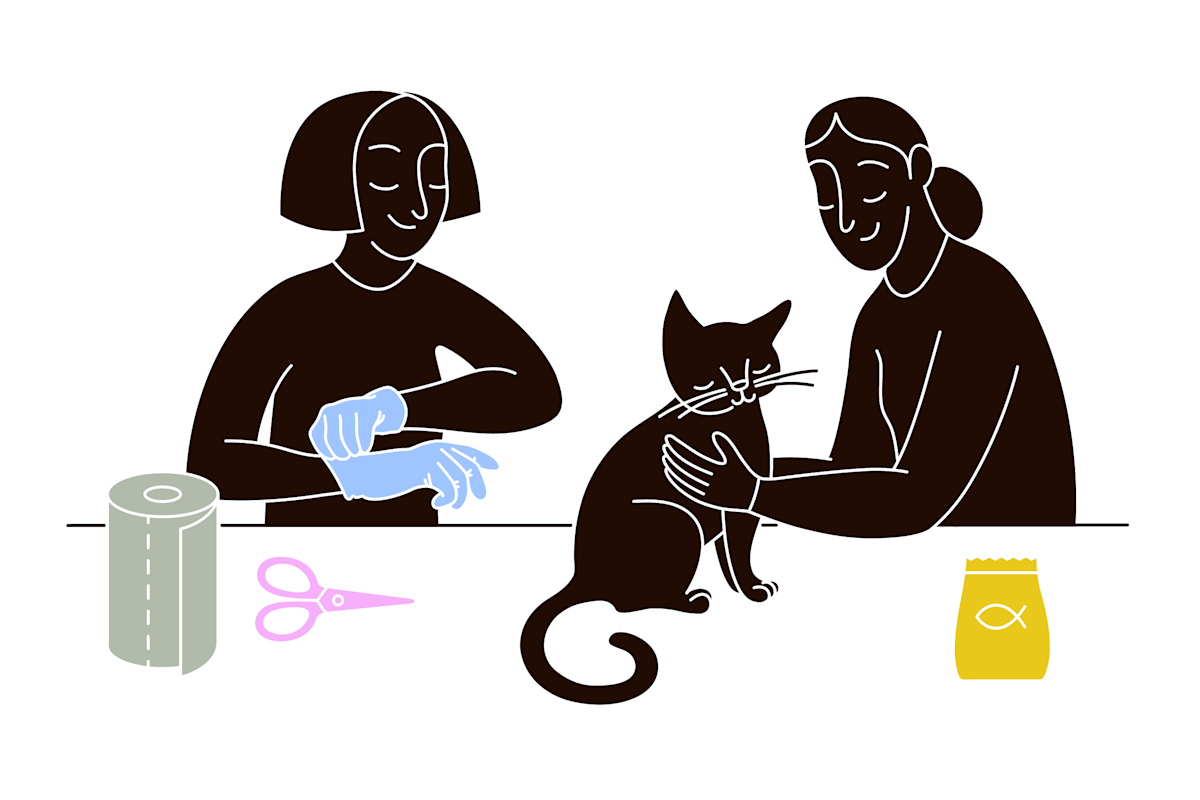
Once you have a clear view, the next step is a gentle touch. Wearing disposable gloves, place your thumb and forefinger on either side of your cat’s anus. Apply light pressure inward and upward towards the tail base.
You should feel small, pea-sized sacs under the skin. If they feel hard, swollen, or overly full, your cat likely needs their glands expressed. Be careful—too much pressure can hurt your cat and cause distress.
Does your cat react strongly or try to escape? This is a sign to stop and consult your vet rather than forcing the issue. Regularly checking this way will help you understand what’s normal for your cat, so you notice when something changes.
When To Seek Veterinary Help
Knowing when to seek veterinary help for your cat’s anal glands can make all the difference between a quick fix and a serious health issue. Sometimes, the signs are subtle, and other times they are quite obvious. Being alert to changes in your cat’s behavior or health can help you act before problems worsen.
Signs Of Infection
Infections in a cat’s anal glands are painful and require prompt attention. Look for swelling around the anus, redness, or discharge that smells bad. Your cat might lick the area excessively or show signs of discomfort when sitting.
Does your cat seem unusually irritable or restless? These behaviors can indicate pain linked to gland infection. If you notice any of these signs, it’s time to contact your vet immediately.
Persistent Symptoms
Sometimes symptoms like scooting or licking don’t go away after a gland expression or home care. If your cat continues to show discomfort for more than a day or two, it’s a warning sign. Persistent symptoms can mean the glands are blocked or infected and need medical treatment.
Don’t wait for the situation to escalate. Your vet can offer treatments that prevent abscesses or more serious complications. How long would you wait before calling your vet if your cat keeps scooting or licking?
Preventing Gland Problems
Preventing gland problems in cats is essential for their comfort and health. The anal glands can become clogged or infected if not cared for properly. Regular attention can keep these glands functioning well and avoid painful issues.
Regular Grooming
Grooming helps keep the area around the glands clean. Dirt and hair can trap bacteria and cause infections. Brushing your cat often reduces loose fur and keeps skin healthy.
Check the rear area during grooming. Look for signs like swelling or redness. Early detection of problems can stop infections before they start.
Diet And Hydration
A healthy diet supports proper gland function. High-fiber food helps your cat produce firm stools. Firm stools naturally press on glands and aid expression.
Fresh water is crucial. Hydration keeps the digestive system moving well. Poor hydration can cause constipation, leading to gland problems.
Offer clean water daily and consider wet food. Wet food adds moisture and supports hydration.
Credit: www.kinship.com
Frequently Asked Questions
How Can I Tell If My Cat Needs Glands Expressed?
If your cat scoots, licks its rear excessively, or has a strong odor, it may need glands expressed. These signs indicate full or impacted anal glands causing discomfort.
What Are Common Symptoms Of Infected Cat Anal Glands?
Symptoms include swelling near the anus, foul smell, scooting, licking, and sometimes difficulty defecating. If untreated, infections can worsen, so prompt care is essential.
Can I Express My Cat’s Glands At Home Safely?
It is possible but not recommended without training. Improper expression can cause injury or infection. Consult a vet or groomer for safe gland expression.
How Often Do Cat Anal Glands Need Expressing?
Most cats rarely need manual expression. Only cats with chronic issues or infections require regular gland care, usually guided by a veterinarian’s advice.
Conclusion
Cats may need gland expression when signs of infection appear. Watch for swelling, discomfort, or unusual smells near their rear. Regular checks help catch problems early and keep cats healthy. Acting fast can prevent pain and serious issues. Consult a vet if unsure or symptoms last long.
Caring for your cat’s glands supports their comfort and well-being. Stay attentive and help your cat feel their best every day.
