

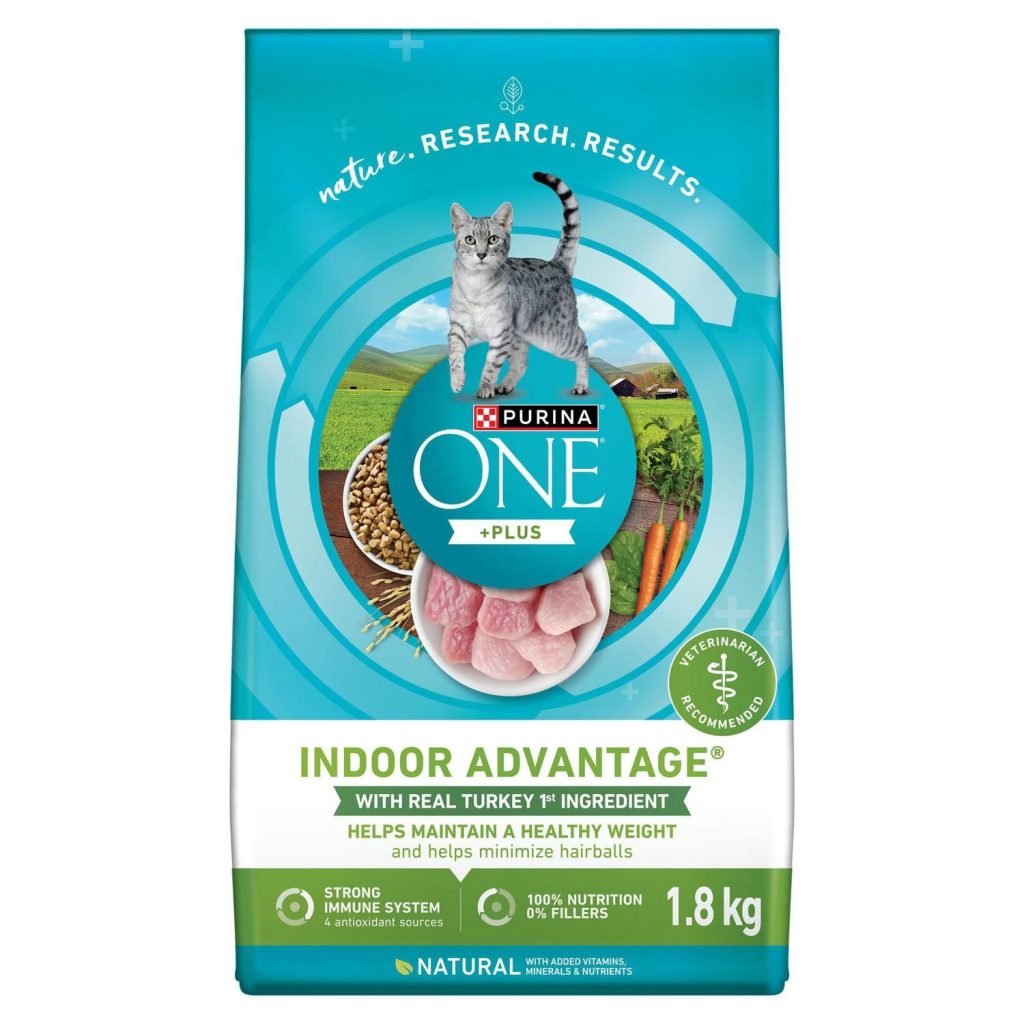
Choosing the right food for your indoor cat can feel overwhelming. You want to keep your furry friend healthy, happy, and full of energy—but with so many options, where do you start?
What if the food you pick could help prevent common indoor cat problems like weight gain, hairballs, or digestive issues? You’ll discover exactly what makes indoor cat food different and how the right choice can improve your cat’s life every day.
Keep reading to find out how to give your cat the best nutrition tailored just for them.
Benefits Of Indoor Cat Food
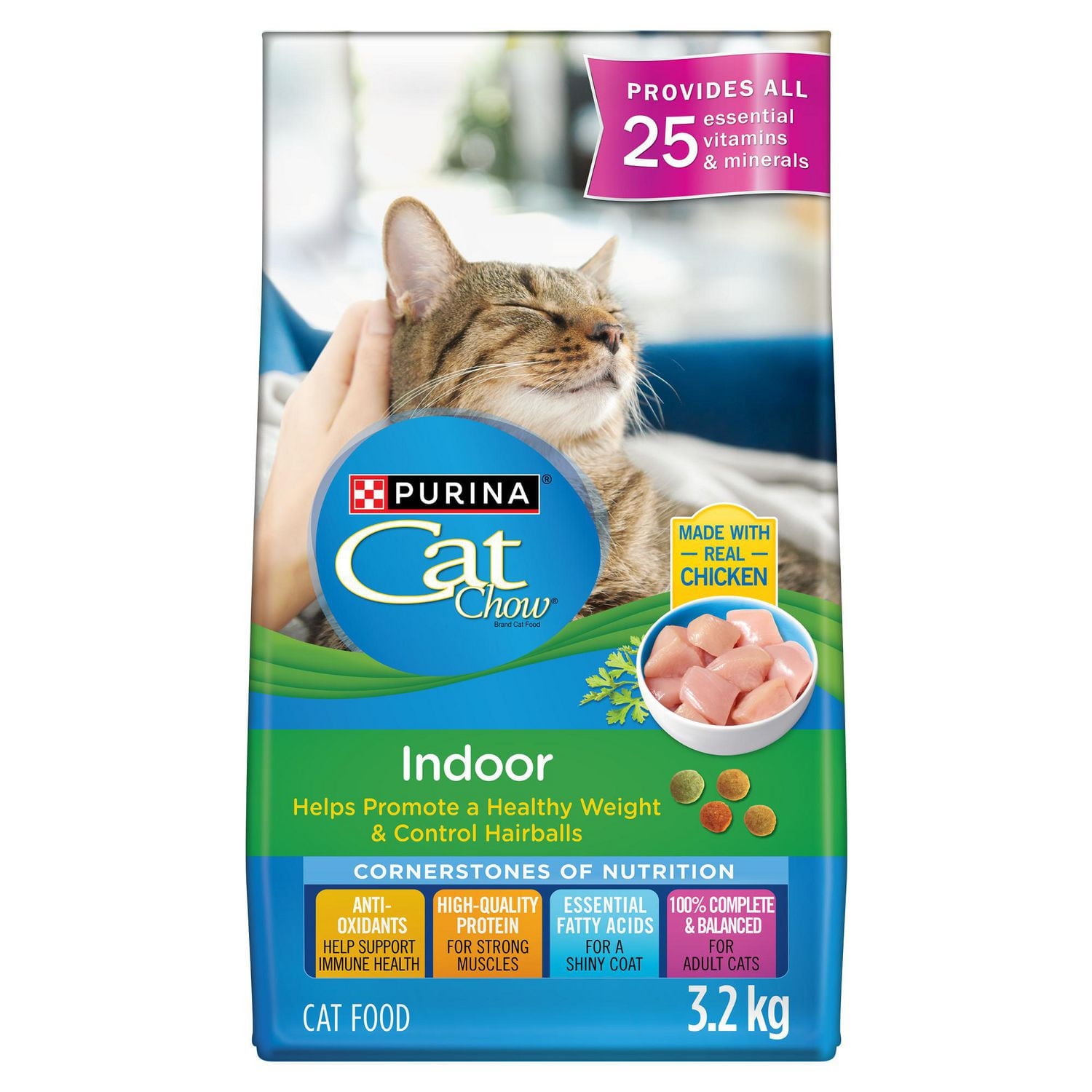
Indoor cat food offers many benefits tailored to meet the needs of cats living inside. These foods support their health by focusing on specific nutritional requirements. Feeding indoor cats the right food helps maintain their weight and improves their digestion. This keeps them active and happy for longer.
Tailored Nutrient Profiles
Indoor cat food has nutrients suited for less active cats. It contains lower calories but enough protein to keep muscles strong. The formulas often include vitamins and minerals that support indoor cats’ immune systems. These foods help meet the unique needs of cats who do not roam outside.
Weight Management Support
Indoor cats burn fewer calories than outdoor cats. Indoor cat food helps control calorie intake to prevent weight gain. It contains fiber to make cats feel full without extra calories. Managing weight reduces the risk of diabetes and joint problems in cats.
Digestive Health Improvements
Indoor cat food includes ingredients that support easy digestion. It often contains prebiotics and fiber to promote healthy gut bacteria. These foods help reduce hairball formation, a common problem for indoor cats. Better digestion means fewer stomach issues and happier cats.
Credit: www.walmart.ca
Key Ingredients To Look For
Choosing the right indoor cat food means focusing on key ingredients. These elements support your cat’s health and energy. Quality ingredients help maintain weight and digestion. Understanding what to look for makes feeding easier and more effective.
High-quality Proteins
Proteins build strong muscles and keep cats active. Look for named meat sources like chicken, turkey, or fish. Avoid vague terms like “meat by-product.” High-quality proteins are easy to digest and rich in amino acids. These acids support skin, fur, and overall health.
Essential Fatty Acids
Fatty acids like omega-3 and omega-6 improve skin and coat. They reduce shedding and inflammation. These fats also boost brain and eye health. Good sources include fish oil and flaxseed. Balanced fatty acids help indoor cats stay comfortable and shiny.
Vitamins And Minerals
Vitamins and minerals keep your cat’s body working well. Vitamins A, D, and E support vision, bones, and immune system. Minerals like calcium and phosphorus strengthen teeth and bones. Look for a balanced mix that meets daily needs. Proper nutrients help cats stay healthy indoors.
Avoiding Harmful Components
Choosing the right indoor cat food means looking beyond just flavors and brands. You need to be careful about what harmful components might be lurking in your cat’s bowl. Avoiding these can help keep your furry friend healthy and energetic.
Excess Fillers And Grains
Many cat foods use fillers like corn, wheat, and soy to bulk up the product cheaply. These ingredients provide little to no nutritional value and can cause digestive problems or allergies in cats.
I once switched my cat to a grain-heavy diet, and she developed constant stomach upset. After changing to a grain-free option, her digestion improved noticeably. Ask yourself: does your cat’s food list meat as the main ingredient, or is it mostly grains?
Artificial Additives
Artificial colors, flavors, and preservatives don’t benefit your cat’s health. They can trigger allergic reactions or long-term health issues.
Look for cat foods that avoid additives like BHA, BHT, and ethoxyquin. Natural preservatives like vitamin E or rosemary extract are safer choices. Your cat deserves real, simple ingredients without unnecessary chemicals.
Excessive Calories And Sugars
Indoor cats tend to be less active, so feeding them high-calorie or sugary foods can lead to obesity. This puts extra strain on their joints and increases the risk of diabetes.
Check the nutritional label carefully and avoid treats or foods with added sugars. You want to feed your cat to fuel their daily activity, not overload them with empty energy. How often do you consider the calorie content before giving your cat a treat?
Wet Vs Dry Food For Indoor Cats
Choosing the right food for indoor cats is essential for their health. Wet and dry foods both offer unique benefits. Understanding these can help pet owners make smarter choices. Indoor cats have different needs than outdoor cats. Their activity level is lower, which affects their diet requirements.
Hydration Benefits Of Wet Food
Wet cat food contains high moisture content. This helps keep indoor cats hydrated. Cats naturally drink little water. Wet food adds water to their diet easily. Proper hydration supports kidney and urinary tract health. It also helps prevent common indoor cat health problems.
Dental Health And Dry Kibble
Dry food has a crunchy texture. This texture helps reduce plaque and tartar buildup. Chewing dry kibble can support better dental hygiene. However, not all dry foods are equal for teeth cleaning. Regular dental checkups are still important for indoor cats.
Balancing Both Diets
Combining wet and dry food offers balanced nutrition. Wet food supports hydration while dry food promotes dental health. Mixing both types can keep indoor cats interested in meals. It also ensures they receive a variety of nutrients. Monitor your cat’s response to find the best balance.
Feeding Schedules And Portion Control
Proper feeding schedules and portion control are key to keeping indoor cats healthy. Cats inside the house often move less, so managing their food intake is crucial. Balanced meal times and correct portions prevent overeating and obesity. Healthy feeding habits support energy levels and overall well-being.
Recommended Meal Frequencies
Most adult indoor cats do well with two meals daily. Feeding in the morning and evening fits their natural hunting habits. Kittens need more frequent meals, about three to four times a day. Older cats may benefit from smaller, more frequent meals. Consistency helps their digestion and reduces begging behavior.
Portion Size Guidelines
Portions depend on your cat’s weight, age, and activity level. On average, adult indoor cats need 20 to 30 calories per pound. Check the cat food label for serving sizes and calorie content. Use a measuring cup or scale to avoid free feeding. Split the daily amount into the planned meals for accurate control.
Monitoring Cat’s Weight And Health
Regularly weigh your cat to track changes. Sudden weight gain or loss can signal health issues. Watch for signs like lethargy or changes in appetite. Adjust food portions based on your cat’s weight trends. Consult a vet if unsure about the right diet or feeding plan.
Credit: www.valumart.ca
Special Considerations For Indoor Cats
Indoor cats have unique needs that differ from outdoor cats. They move less and face different environmental challenges. Their diet must suit their lifestyle to keep them healthy and happy. Understanding these special considerations helps provide the best care.
Activity Level Adjustments
Indoor cats usually have lower activity levels. They burn fewer calories than outdoor cats. Their food should have fewer calories to avoid weight gain. High protein and moderate fat levels support muscle health without excess energy. Portion control is important to prevent overeating. Feeding smaller, frequent meals helps maintain energy and prevents boredom.
Age-related Nutritional Needs
Indoor cats need different nutrition at each life stage. Kittens require more protein and fat for growth. Adult cats need balanced nutrients to maintain health and energy. Senior cats benefit from diets that support joint health and kidney function. Special formulas often include antioxidants and vitamins. Adjusting food for age helps prolong a cat’s life and quality.
Managing Food Sensitivities
Indoor cats may develop food sensitivities or allergies. Common signs include itching, vomiting, or diarrhea. Limited ingredient diets reduce the risk of reactions. Novel protein sources like duck or rabbit can help. Grain-free options may benefit sensitive cats. Always introduce new foods gradually to watch for issues. Proper management keeps cats comfortable and healthy.
Tips For Transitioning To Indoor Cat Food
Switching your cat to indoor cat food can feel tricky, but it doesn’t have to be. The key is making the change smooth and stress-free for your feline friend. Thoughtful steps help your cat adjust without upset stomachs or food refusal.
Gradual Introduction Techniques
Start by mixing a small amount of indoor cat food with your cat’s current food. Over a week or two, slowly increase the portion of the new food while decreasing the old one. This gentle approach helps your cat’s digestive system adapt and reduces the chance of rejection.
Try offering the new food at a consistent time each day. Cats appreciate routine, and this can make the change less confusing. If your cat is hesitant, try warming the food slightly or adding a little water to enhance aroma and flavor.
Monitoring For Reactions
Watch your cat closely after introducing the new food. Look for signs like vomiting, diarrhea, or changes in appetite. These could indicate that the new food isn’t agreeing with your cat’s system.
Keep an eye on your cat’s energy levels and litter box habits. Sometimes subtle changes in behavior can signal discomfort. If you notice anything unusual, consult your vet promptly to avoid bigger issues.
Maintaining Consistency
Once your cat is comfortable with indoor cat food, stick to the new diet consistently. Avoid mixing in treats or other foods that might confuse their digestion. Consistency supports a healthy gut and stable energy levels.
Also, make sure fresh water is always available. Indoor cat food often has different moisture content, so hydration is essential. Have you noticed how your cat responds when their food routine stays steady?

Credit: www.amazon.ca
Frequently Asked Questions
What Is The Best Indoor Cat Food For Weight Control?
The best indoor cat food for weight control is low in calories and high in fiber. It helps maintain a healthy weight and reduces obesity risk. Choose formulas designed specifically for indoor cats to support their unique activity levels and metabolism.
How Does Indoor Cat Food Differ From Regular Cat Food?
Indoor cat food has fewer calories and more fiber than regular cat food. It supports lower activity levels and prevents weight gain. Additionally, it often contains ingredients that reduce hairballs and improve digestion for indoor cats.
Can Indoor Cat Food Prevent Hairballs Effectively?
Yes, indoor cat food often contains higher fiber levels to help reduce hairballs. Fiber aids digestion and moves hair through the digestive tract. Special formulas also include ingredients to support skin and coat health, minimizing shedding and hairball formation.
How To Choose The Right Indoor Cat Food Brand?
Choose indoor cat food brands with high-quality protein, balanced nutrients, and added fiber. Look for formulas tailored for indoor cats’ lower energy needs. Check for trusted certifications and positive reviews to ensure safety and effectiveness.
Conclusion
Choosing the right indoor cat food helps keep your pet healthy. It supports their energy and controls weight easily. Good nutrition means fewer trips to the vet. Cats enjoy meals made just for them. Feeding them well shows you care deeply.
Remember, a happy cat is a healthy cat. Start with quality food and watch them thrive. Simple steps make a big difference every day. Your cat’s health depends on smart food choices. Keep your indoor cat strong and full of life.
