

Do you ever find yourself captivated by a cat’s unique look and personality, wondering just what breed it could be? Identifying cat breeds can feel like solving a delightful mystery, especially when each breed carries its own distinct traits and quirks.
Whether you’re a curious cat lover or considering adding a feline friend to your family, knowing the breed can enhance your understanding and connection. Imagine being able to recognize a Siamese by its striking blue eyes or a Maine Coon by its magnificent size and tufted ears.
This knowledge not only satisfies curiosity but also helps in understanding the specific needs and behaviors of your furry companion. Stick around, and you’ll discover simple yet effective ways to identify different cat breeds, making you the go-to cat expert among your friends!
Credit: www.pawaii.com
Popular Cat Breeds
Popular cat breeds have unique looks and personalities. They attract cat lovers worldwide. Knowing these breeds helps in identifying and understanding cats better.
Each breed has distinct features like fur length, color, and body shape. Some cats are playful, others calm. These traits make each breed special.
Domestic Shorthair
Domestic Shorthairs are common and come in many colors. They have short, easy-to-care-for fur. These cats are friendly and adaptable. They suit many homes and lifestyles.
Siamese
Siamese cats have striking blue eyes and pointed ears. Their fur is short with darker colors on the face, ears, paws, and tail. They are vocal and social cats. Siamese cats love attention and interaction.
Maine Coon
Maine Coons are large cats with long, thick fur. They have tufted ears and bushy tails. These cats are gentle giants and very friendly. Maine Coons enjoy playing and being with people.
Persian
Persians have long, luxurious fur and flat faces. Their calm and quiet nature makes them good indoor pets. They need regular grooming to keep their coat healthy. Persians are known for their sweet personalities.
Ragdoll
Ragdolls are large, soft cats with blue eyes. They have semi-long fur and color points like Siamese. These cats go limp when held, showing their relaxed nature. Ragdolls are gentle and love to cuddle.
Physical Features To Spot
Physical features serve as clear clues to identify different cat breeds. Each breed has unique traits that stand out. Observing these features closely helps spot the breed accurately.
Details like coat pattern, eye shape, and body size play key roles. Knowing what to look for sharpens your ability to recognize breeds fast.
Coat Patterns And Colors
Coat patterns vary widely across cat breeds. Common patterns include:
- Solid colors like black, white, or gray
- Tabby stripes with classic or mackerel designs
- Spotted or spotted rosette patterns
- Color points where ears, face, paws, and tail are darker
- Bi-color and tri-color mixes
Colors range from pure white to deep chocolate or orange. Some breeds have unique fur textures, such as curly or silky coats.
Eye Shapes And Colors
Eye shape varies from round to almond-shaped. Some breeds have large, expressive eyes.
Eye colors include green, blue, amber, or copper. Certain breeds show odd-colored eyes or a striking contrast with their coat.
Body Size And Shape
Cat sizes range from small and slender to large and muscular. Body shapes include:
- Long and lean
- Compact and sturdy
- Rounded and plush
Some breeds have longer legs or necks. Body posture and movement can also hint at breed identity.
Ear Types
Ears differ in size, shape, and position. Types include:
- Pointed and upright ears
- Rounded or folded ears
- Large ears set wide apart
- Small ears close to the head
Ear shape helps distinguish breeds with similar fur or color.
Tail Characteristics
Tails offer clues through length, thickness, and shape. Variations include:
- Long and slender tails
- Short or bobbed tails
- Fluffy or bushy tails
- Curled or kinked tails
Tail features add to the overall breed profile and identification.
Behavioral Traits By Breed
Behavioral traits vary widely among cat breeds. These traits help reveal a cat’s personality and care needs. Understanding behavior by breed aids in choosing the right cat for your home. Each breed shows unique patterns in energy, social habits, sounds, and play style.
Activity Levels
Some breeds are highly energetic and need lots of exercise. Others prefer quiet time and less movement. For example, Bengals are very active and love climbing. Persian cats tend to be calm and enjoy resting more.
Social Behavior
Cats differ in how much they enjoy company. Siamese cats often seek attention and love people. Russian Blues may be shy and prefer a calm environment. Knowing this helps match cats to families and lifestyles.
Vocalization Patterns
Many breeds have distinct ways of communicating. Siamese cats are known for their loud, frequent meows. Maine Coons use softer, chirping sounds. Understanding vocal patterns can prepare owners for their cat’s communication style.
Playfulness
Play habits vary by breed and age. Abyssinians are playful and curious throughout their lives. British Shorthairs enjoy gentle play but are less demanding. Playtime helps cats stay healthy and happy.
Rare And Exotic Breeds
Rare and exotic cat breeds captivate many with their unique looks and personalities. These cats often have distinct features that set them apart from common breeds. They may be less seen but are highly prized by cat lovers worldwide.
Understanding these breeds helps appreciate their special traits. Each breed has a story and qualities that make it fascinating.
Sphynx
The Sphynx is famous for its hairless body. Its skin feels warm and soft, like suede. This breed loves attention and is very friendly. Its large ears and wrinkled skin make it stand out.
Bengal
Bengals look like tiny leopards with their spotted coats. They are active and playful cats. Their muscular build and shiny fur attract many cat enthusiasts. Bengals enjoy climbing and exploring their surroundings.
Scottish Fold
The Scottish Fold is known for its folded ears. This unique trait gives it a sweet, owl-like face. They are calm and affectionate cats. Their round eyes and soft fur add to their charm.
Savannah
Savannah cats combine wild and domestic traits. They have tall bodies and large ears. Their spotted coat resembles a wild serval cat. Savannahs are curious and very energetic pets.
Peterbald
Peterbald cats have a slender, elegant look. Some have hairless or short coats. Their almond-shaped eyes and long legs are striking. They are smart and enjoy social interaction.
Breed Identification Tools
Figuring out your cat’s breed can be both fun and challenging. Thankfully, several tools make this task easier and more accurate. These breed identification tools range from simple visual aids to high-tech DNA tests, each offering unique benefits depending on what you want to learn.
Photo Comparison Guides
Photo comparison guides let you match your cat’s appearance to pictures of known breeds. These guides highlight key traits like fur patterns, ear shapes, and eye colors. You can find them in books, websites, or even printed posters, making it easy to compare right at home.
For example, noticing your cat’s distinctive “M” shaped marking on the forehead might point you to a classic tabby breed. Have you tried using these guides to spot subtle differences? Sometimes, a close-up photo reveals traits you hadn’t noticed before.
Dna Testing Kits
DNA testing kits provide a scientific way to identify your cat’s breed. You simply swab your cat’s cheek and send the sample to a lab. Within weeks, you get a detailed report showing breed percentages and sometimes health insights.
These kits can clarify mixed heritage that’s hard to detect visually. I once used a DNA test to confirm my cat’s surprising Bengal ancestry, which explained her spotted coat and playful energy. Have you considered what knowing your cat’s genetic makeup might reveal?
Mobile Apps
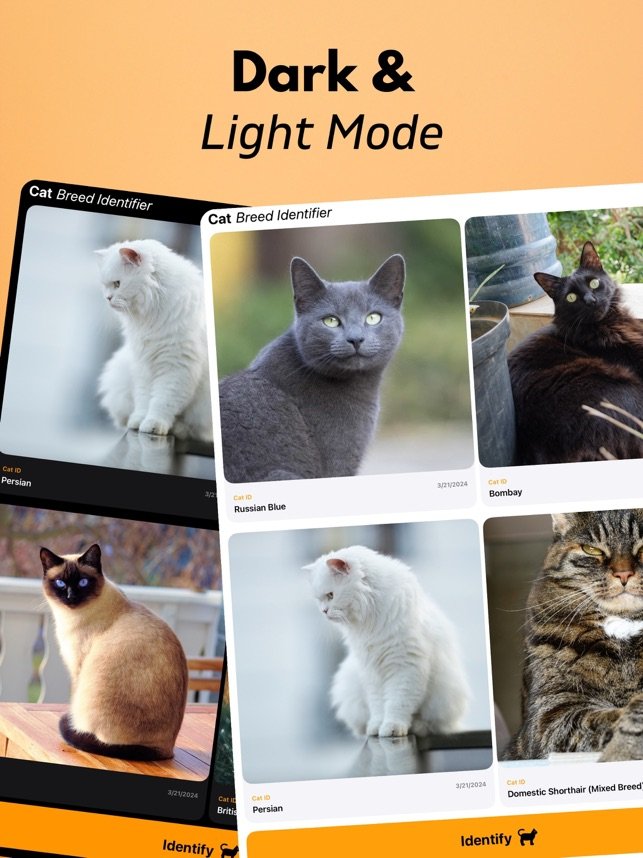
Mobile apps use your smartphone camera to help identify cat breeds instantly. You take a picture, and the app analyzes features to suggest possible breeds. Many apps also offer additional info like temperament and care tips.
These apps are handy when you’re on the go or just curious about a cat you meet outside. While not perfect, they give a quick starting point that you can verify with other tools. Have you tried any apps to satisfy your curiosity about feline friends?
Breed Clubs And Associations
Breed clubs and associations are goldmines for accurate information and expert advice. They often have detailed breed standards, photos, and forums where you can ask questions. Connecting with these groups can also lead you to breeders or rescue organizations specializing in specific breeds.
Joining a breed club helped me understand the unique quirks of Siamese cats beyond just their look. Would you consider reaching out to a community of enthusiasts to deepen your knowledge? They can offer insights no guide or app can match.

Credit: apps.apple.com
Common Mixes And Hybrids
Common mixes and hybrids in cats add a unique charm to feline identification. These cats often show traits from multiple breeds, making them interesting and sometimes tricky to recognize. Understanding these mixes helps in appreciating each cat’s special look and personality.
Recognizing Mixed Traits
Mixed breed cats can have a blend of features from their parent breeds. These may include:
- Coat color and pattern variations
- Different ear shapes and sizes
- Body size and fur length diversity
- Unique eye colors and shapes
These traits combine in many ways, creating cats that look distinct yet familiar.
Popular Hybrid Breeds
Hybrid cats come from crossing domestic cats with wild species or different breeds. Some well-known hybrids include:
- Bengal – domestic cat crossed with Asian leopard cat
- Savannah – domestic cat mixed with a serval
- Chausie – domestic cat and jungle cat mix
- Caracat – domestic cat bred with a caracal
These hybrids often have wild markings and energetic behavior.
Challenges In Identification
Identifying mixed and hybrid cats is not always easy. Challenges include:
- Similar traits shared by many breeds
- Variations in physical features within the same mix
- Lack of clear breed standards for hybrids
- Confusion with purebred cats due to overlapping traits
Careful observation and sometimes genetic testing help clarify a cat’s origins.
Tips For Accurate Identification
Identifying cat breeds accurately can be tricky. Many breeds share similar features, and mixed breeds add to the challenge. Using careful observation and trusted sources helps improve accuracy. Follow these tips to get closer to the right identification.
Observing Multiple Traits
Look beyond just the color or pattern. Check the cat’s body shape, size, and fur length. Notice ear shape, eye color, and tail type. These traits combined tell a better story about the breed. Single features often cause mistakes.
Observe behavior and personality as well. Some breeds have distinct habits or energy levels. This extra detail supports your visual clues.
Consulting Experts
Talk to veterinarians or cat breeders for advice. They have experience and can spot subtle breed signs. Join local cat clubs or online forums to get opinions. Experts often share photos and knowledge that help confirm breed guesses.
Experts also warn about common mix-ups to avoid. Their guidance adds confidence to your identification.
Using Reliable Resources
Use trusted websites and breed guides for reference. Official cat associations publish breed standards and photos. Books with detailed descriptions also work well. Avoid random internet pages that may have wrong info.
Apps with breed recognition tools can assist but verify results. Reliable resources give a clear, accurate picture of each breed’s traits.

Credit: www.youtube.com
Frequently Asked Questions
What Are The Most Common Cat Breeds?
Common cat breeds include Persian, Siamese, Maine Coon, Ragdoll, and Bengal. Each has unique traits and appearances. Recognizing these breeds helps identify cats accurately and understand their care needs.
How Can I Identify A Cat’s Breed By Appearance?
Look for coat color, pattern, size, and fur length. Distinctive features like ear shape and eye color also help. Comparing these traits with breed descriptions aids in accurate identification.
Are Mixed Breed Cats Harder To Identify?
Yes, mixed breed cats show traits from multiple breeds. This makes identification less precise. DNA testing can provide clearer breed information for mixed cats.
Can Temperament Help Identify Cat Breeds?
Yes, some breeds have distinct temperaments. Siamese cats are vocal, while Ragdolls are calm and affectionate. Observing behavior alongside appearance aids breed identification.
Conclusion
Knowing how to identify cat breeds helps you understand your pet better. Each breed has unique traits and needs. This knowledge makes it easier to care for your cat. It also helps you choose the right cat for your home.
Remember, every cat is special, no matter the breed. Enjoy learning about these wonderful animals and their different features. Keep observing and appreciating your feline friend every day.
