


You love your cat, but sometimes life changes in ways you didn’t expect. Maybe your schedule is too busy, your living situation has shifted, or your pet’s needs have become harder to meet.
Whatever the reason, you’ve reached the point where you need to rehome your cat. It’s not an easy decision, and you want to make sure your furry friend finds a safe, loving new home. You’ll discover simple, caring steps to help you through this process—because your cat deserves the best, and you deserve peace of mind.
Keep reading to learn how to make this transition as smooth and kind as possible.
Assessing The Need To Rehome
Deciding to rehome your cat is never easy. It involves careful thought about your current situation and the well-being of your pet. Before making this choice, take time to assess why rehoming might be necessary and if it truly is the best option for both you and your cat.
Understanding Your Current Challenges
Identify the specific reasons pushing you toward rehoming. Are there changes in your living conditions, such as a move to a no-pet apartment or increased work hours that leave your cat alone for too long? Recognizing these challenges helps you see if solutions might exist without rehoming.
For example, if your schedule is busier, could a pet sitter or a friend help during the day? Sometimes, small adjustments can make a big difference. Asking yourself honest questions about your ability to meet your cat’s needs is crucial here.
Evaluating Your Cat’s Needs And Well-being
Think about your cat’s personality, health, and emotional needs. Does your cat require special care or companionship that you can no longer provide? Cats can suffer from stress and anxiety if their environment changes suddenly or if they are left alone too often.
Consider your cat’s age and health conditions. Older cats or those with medical issues might need a stable environment and regular veterinary care that you might struggle to maintain. Is your current situation conducive to your cat’s happiness and health?
Exploring Alternatives To Rehoming
Before deciding to rehome, explore other options that might keep your cat in your life. Could you arrange for temporary care with family or friends? Or maybe hire help for feeding, grooming, or playtime?
Sometimes, finding creative solutions can solve the problem without giving up your pet. Would adjusting your lifestyle or seeking community resources help you manage your responsibilities better?
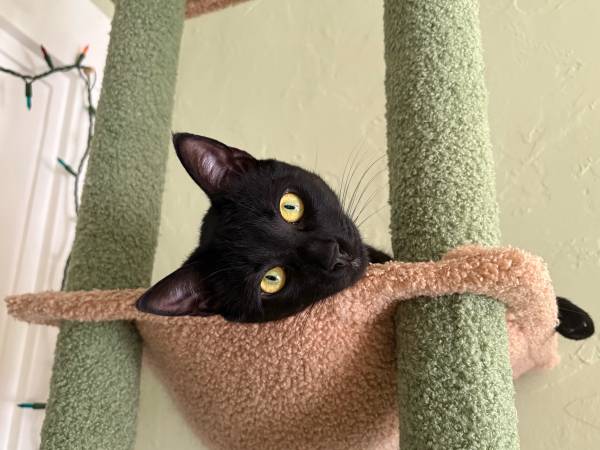
Credit: sfbay.craigslist.org
Choosing The Right New Home
Choosing the right new home for your cat is more than just finding someone who wants a pet. It means securing a place where your cat will be safe, happy, and loved. This process requires careful thought and active involvement to ensure your cat’s well-being in their new environment.
Finding Potential Adopters
Start by asking people you trust—friends, family, and coworkers. They often know someone who is ready to welcome a cat. Social media groups dedicated to pet adoption can also connect you with serious adopters.
Consider reaching out to local animal shelters or rescue organizations. They can help screen potential adopters and sometimes offer support during the transition. Are you prepared to talk about your cat’s personality and needs honestly with these candidates?
- Ask about their experience with cats.
- Discuss their living situation and schedule.
- Request references or a home visit if possible.
Evaluating Compatibility
Compatibility goes beyond matching your cat with a willing person. It’s about ensuring the adopter’s lifestyle fits your cat’s temperament and health needs. For example, a shy cat might not do well in a busy household with young children.
Pay close attention to the adopter’s ability to meet your cat’s specific needs like medication, diet, or playtime. Have you considered how changes in environment might affect your cat’s behavior or stress levels?
| Cat’s Need | What to Ask the Adopter | Why It Matters |
|---|---|---|
| Medical Care | Can you afford and manage regular vet visits? | Ensures ongoing health and treatment adherence |
| Activity Level | Do you have time for play and interaction? | Prevents boredom and behavioral issues |
| Living Space | Is your home safe and quiet? | Reduces stress and risk of injury |
Finding the right match means asking tough questions and trusting your instincts. Your cat’s future depends on it. How will you balance hope with realism when choosing their new home?
Preparing Your Cat For Transition
Preparing your cat for a new home is crucial to help them feel safe and secure during the transition. Cats are creatures of habit, and sudden changes can cause stress and confusion. Taking time to ease your cat into the upcoming change can make a significant difference in their adjustment.
Gradual Changes To Environment
Start by slowly introducing your cat to the idea of change. If possible, bring items from the new home—like a blanket or toy—to your current space. This helps your cat associate familiar smells with the idea of moving.
Try rearranging furniture or moving their bed slightly each day to mimic a new environment. This small shift can reduce shock when they eventually move. Have you noticed how your cat reacts to new spaces in your home? Use those clues to guide your changes.
Maintaining A Routine
Cats thrive on routine, so keep feeding, playtime, and grooming schedules consistent. Maintaining these rituals provides a sense of normalcy amid change. If you suddenly alter meal times or play sessions, your cat may feel more anxious.
Consider using the same feeding bowls and toys in the new home. This continuity helps your cat settle faster. What part of your daily routine does your cat seem to enjoy the most? Holding onto those moments can provide comfort during the transition.
Communicating With Potential Adopters
Communicating clearly with potential adopters is key when you need to find a new home for your cat. This ensures your cat ends up in a loving and suitable environment. Honest conversations help build trust and can prevent future problems for both you and the adopter.
Sharing Your Cat’s History
Be upfront about your cat’s background. Share details like age, breed, and any past health issues. This helps adopters understand your cat’s needs better.
Include information about your cat’s personality too. Is your cat shy around new people or playful and curious? These traits can affect how your cat adjusts to a new home.
Have you noticed any special quirks or habits? Maybe your cat loves a certain toy or has a favorite spot to nap. These small details create a fuller picture and show your care.
Discussing Care Requirements
Explain your cat’s daily routine and care needs clearly. Mention feeding schedules, dietary restrictions, and grooming habits.
Highlight any medical treatments or medications your cat requires. This keeps adopters prepared and helps avoid surprises.
Ask potential adopters about their experience with cats and their willingness to meet these needs. Would they be able to handle your cat’s specific requirements?
Consider creating a checklist or simple care guide to give to adopters. It’s a useful tool that shows your commitment to your cat’s well-being, even after rehoming.
Ensuring A Safe Transition
Rehoming a cat can be stressful for both the owner and the pet. A smooth and safe transition helps your cat adjust better to its new home. Careful planning and gentle handling reduce anxiety and keep your cat calm. Focus on comfort and security throughout the process.
Transporting Your Cat Safely
Choose a sturdy cat carrier with good ventilation. Line the carrier with a soft blanket or towel for comfort. Keep the carrier covered with a light cloth to reduce outside distractions.
- Place familiar items inside, like a favorite toy or blanket.
- Secure the carrier in the vehicle to prevent movement.
- Speak softly to your cat to calm it during travel.
- Avoid loud noises and sudden stops while driving.
Never transport your cat loose in a car. Safety and calmness reduce stress and prevent escape attempts.
Introduction To The New Environment
Allow your cat to explore the new home slowly. Start by confining it to a quiet, small room. Provide food, water, and a litter box in this space.
- Let your cat approach new areas at its own pace.
- Keep noise and visitors low during the first days.
- Use familiar scents like blankets from the old home.
- Spend time with your cat to build trust and comfort.
Gradually open more rooms as your cat becomes confident. Patience and gentle care make the transition easier.

Credit: www.outdoorbengal.com
Providing Support After Rehoming
Providing support after rehoming your cat helps both you and the new owner. It eases the transition for the cat and builds trust between all parties. This support can improve the cat’s well-being in the new home.
Staying involved shows you care and want the best for your cat. Simple actions can make a big difference during this change.
Follow-up Communication
Keep in touch with the new owner regularly. Ask how the cat is adjusting and if there are any concerns. Share helpful tips about your cat’s habits and preferences.
Offer advice on feeding, litter box habits, and favorite toys. This knowledge helps the new owner create a familiar environment.
Encourage honest feedback. It allows you to provide support or suggest solutions if problems arise.
Handling Common Adjustment Issues
New environments can cause stress for cats. Watch for signs like hiding, reduced appetite, or excessive meowing.
Suggest creating a quiet space with familiar items like blankets or toys. This helps the cat feel safe.
Advise the new owner to maintain a routine. Regular feeding times and play sessions reduce anxiety.
Recommend patience. Some cats take weeks to fully adjust. Support and time are key.
Legal And Ethical Considerations
Deciding to rehome your cat involves more than just finding a new owner. You must consider legal and ethical responsibilities to protect your pet’s well-being and your own peace of mind. Understanding these aspects ensures a smooth transition and helps prevent potential problems down the line.
Understanding Adoption Contracts
Adoption contracts are legal agreements that outline the responsibilities of the new owner. They often include clauses about the cat’s care, health checks, and sometimes restrictions on breeding or selling the cat again. Signing such a contract protects your cat and ensures the new owner is committed to providing a safe home.
If you don’t provide a contract, how will you be sure the cat won’t end up in a shelter or worse? A simple contract can clarify expectations and offer legal recourse if those terms aren’t met.
Ensuring Responsible Rehoming
Responsible rehoming means thoroughly vetting potential adopters. Ask questions about their experience with pets, living situation, and ability to afford veterinary care. Trust your instincts; if something feels off, it’s okay to keep searching for the right home.
Consider arranging a meeting between your cat and the new owner before finalizing the adoption. This helps you see how they interact and if the environment feels safe and welcoming. Remember, your cat’s happiness should be your top priority.

Credit: sfbay.craigslist.org
Frequently Asked Questions
How Do I Responsibly Rehome My Cat?
Start by asking friends or family if they want to adopt. Use social media and local shelters. Screen potential adopters carefully to ensure a loving home. Provide all medical and behavioral information about your cat to the new owner.
What Should I Include In A Cat Rehoming Ad?
Mention your cat’s age, breed, health status, and personality traits. Include clear photos and contact details. Highlight any special needs or habits. Be honest to attract the right adopter and ensure your cat’s well-being.
Can Animal Shelters Help Me Rehome My Cat?
Yes, many shelters accept cats for rehoming. They have resources to find suitable adopters. Some may charge fees or have waiting lists. Contact local shelters to understand their policies and support options.
How Do I Prepare My Cat For A New Home?
Keep your cat’s routine consistent before the move. Provide familiar toys, bedding, and food to reduce stress. Introduce your cat slowly to new people. Share detailed care instructions with the new owner.
Conclusion
Finding a new home for your cat takes care and patience. Take time to choose the right person. Make sure your cat’s needs come first. Share clear details about your cat’s habits and health. Keep your cat’s safety and happiness as top priorities.
Remember, a good home means a happy life for your pet. You can help your cat start a fresh, loving chapter soon. Trust yourself to make the best choice for your furry friend.
