

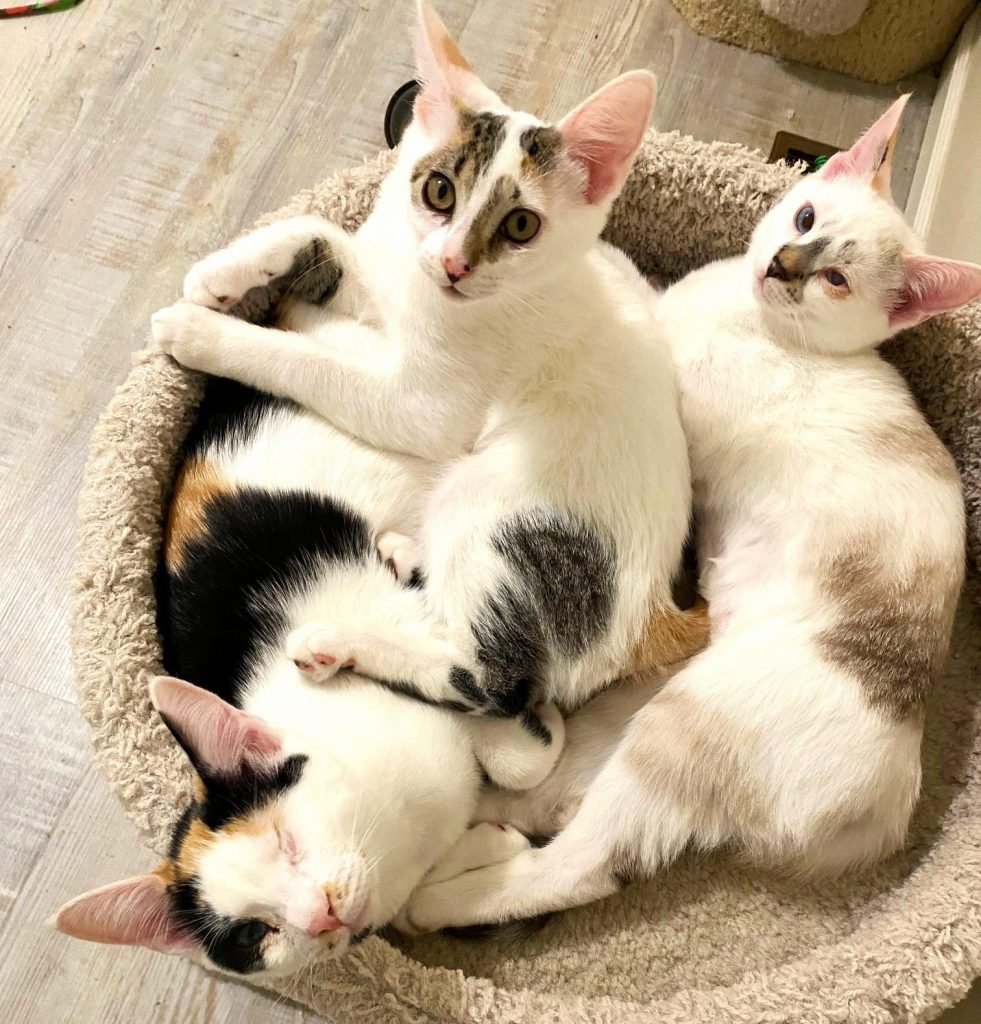
Are you dreaming of having a furry friend but worried about allergies? Imagine bringing home a loving cat without the sneezing, itching, or watery eyes.
Hypoallergenic cat rescue offers you the chance to adopt a cat that fits your lifestyle and keeps allergies at bay. You’ll discover how to find these special cats, what makes them different, and how they can change your life. Keep reading to learn how your perfect hypoallergenic companion is closer than you think.
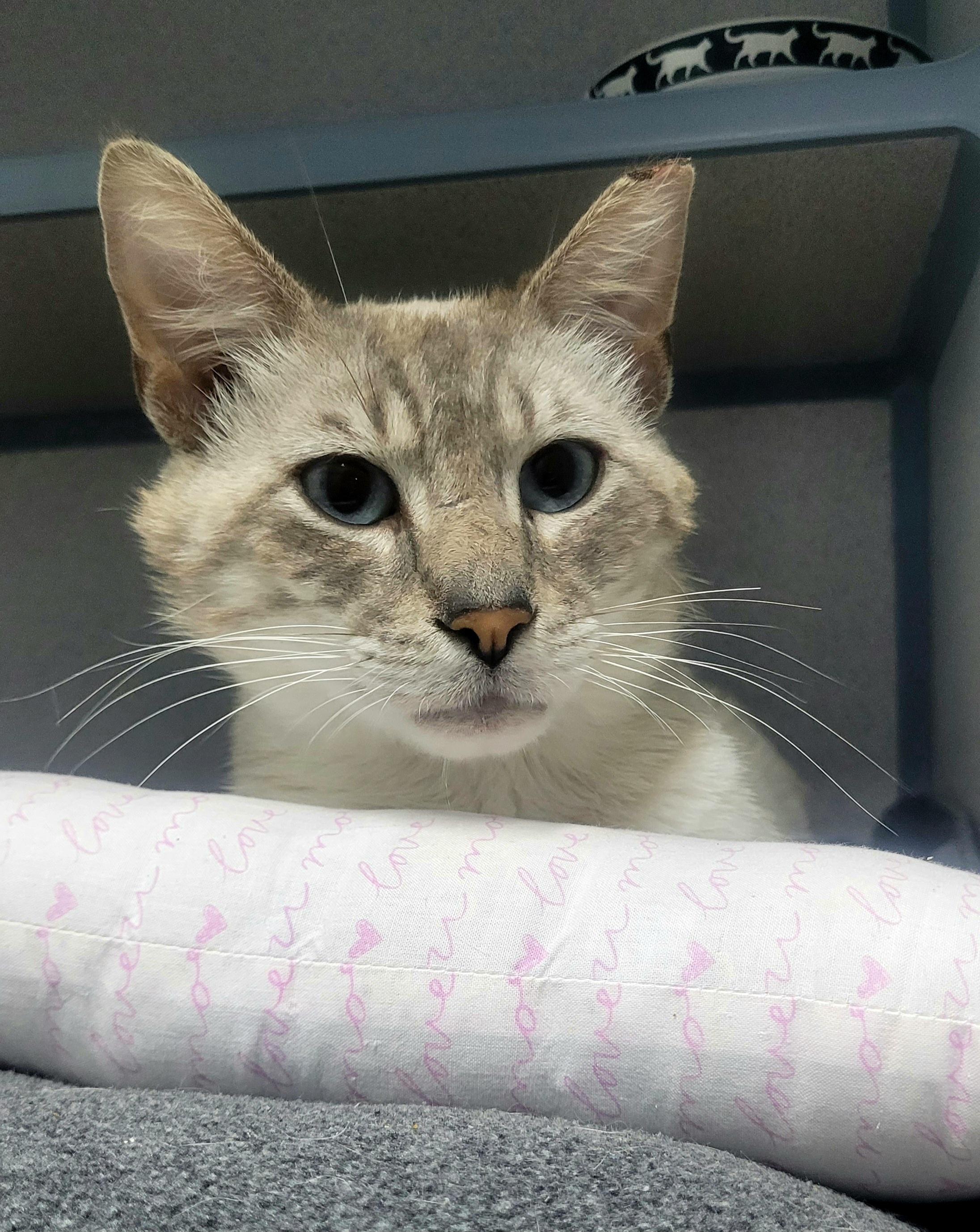
Credit: meowcatrescue.org
Hypoallergenic Cats Explained
Understanding hypoallergenic cats can change the way you think about pet allergies. These cats offer hope for many who want the companionship of a feline without the usual sneezing and itching. But what exactly makes a cat hypoallergenic? Let’s break down the facts so you can decide if a hypoallergenic cat fits your lifestyle.
What Makes Cats Hypoallergenic
Hypoallergenic cats produce fewer allergens than typical cats. The main allergen is a protein called Fel d 1, found in cat saliva, skin, and urine. Cats that groom themselves less or have less dander tend to spread fewer allergens around your home.
Some cats also have hair types that trap allergens more effectively, reducing airborne particles. This means you might experience fewer allergy symptoms around these cats. Have you noticed some cats cause less reaction in you? This could be why.
Common Hypoallergenic Cat Breeds
- Siberian:Known for producing lower levels of Fel d 1, despite their long fur.
- Balinese:Sometimes called the “long-haired Siamese,” they also produce fewer allergens.
- Russian Blue:Their dense coat traps allergens, and they produce less Fel d 1.
- Devon Rex:With short, curly fur, they shed less dander.
- Oriental Shorthair:Their sleek fur and grooming habits help minimize allergens.
Choosing one of these breeds may reduce your allergy symptoms, but individual reactions can vary. Spending time with a cat before adopting is a smart way to test your sensitivity.
Allergy Triggers In Cats
Most people think cat hair causes allergies, but it’s actually the proteins in saliva, urine, and dander. When cats groom, these proteins spread onto their fur and skin. As the fur sheds, allergens become airborne, triggering reactions.
Other triggers include dust and pollen trapped in their fur. Even if you choose a hypoallergenic breed, you should keep your home clean and well-ventilated. Regular grooming and using air purifiers can also help manage allergens.
Have you tried any specific strategies to reduce cat allergies at home? Your experience could help others find relief too.
Credit: www.purrfectcatrescue.com
Benefits Of Adopting Hypoallergenic Cats
Adopting hypoallergenic cats offers many benefits for pet lovers. These cats produce fewer allergens, making them ideal for people with allergies. They bring joy and comfort without causing sneezing or itchy eyes. Choosing a hypoallergenic cat helps create a healthier home environment.
Health Advantages For Allergy Sufferers
Hypoallergenic cats produce less of the proteins that trigger allergies. This reduces allergic reactions in sensitive individuals. Families can enjoy pet companionship without constant discomfort. It allows allergy sufferers to live with cats safely. This benefit encourages more people to adopt pets.
Emotional And Social Benefits
Hypoallergenic cats provide companionship that lifts mood and reduces stress. They help lower feelings of loneliness and anxiety. Interacting with cats can improve mental health and emotional well-being. These cats encourage social interaction through pet-related activities. They become loyal friends and support for their owners.
Lower Maintenance Needs
Hypoallergenic cats often have coats that shed less fur. This means less cleaning and fewer allergens around the house. They usually require regular grooming to keep their coat healthy. Their lower shedding helps maintain cleaner living spaces. This makes them easier to care for in busy homes.
Finding Hypoallergenic Cats For Rescue
Finding hypoallergenic cats for rescue can feel challenging, but it’s entirely possible with the right approach. These cats offer a chance for allergy sufferers to enjoy feline companionship without the usual sneezing or itching. Knowing where to look and how to connect with the right resources can make your search smoother and more successful.
Where To Look For Rescue Cats
Start your search at local animal shelters and humane societies. Many shelters have a variety of cats, including breeds known to be more hypoallergenic, like Siberians or Balinese. Visiting in person allows you to interact with the cats and see how your allergies react firsthand.
Don’t overlook breed-specific rescues. These organizations focus on particular cat breeds, increasing your chances of finding a hypoallergenic cat. They often have detailed information about each cat’s temperament and health, which can help you make an informed decision.
Working With Rescue Organizations
Rescue groups have valuable knowledge about their cats and can guide you toward hypoallergenic options. Build a relationship with the staff and volunteers—they can alert you when a suitable cat becomes available. Ask questions about the cat’s history, grooming needs, and any allergy-friendly characteristics.
Many organizations offer trial adoptions or foster programs. These give you time to see if the cat suits your lifestyle and allergy sensitivities. Have you considered how a trial period might reduce the risk of heartbreak and wasted effort?
Online Platforms And Communities
Websites like Petfinder and Adopt-a-Pet list rescue cats nationwide, searchable by breed and other criteria. Use these tools to filter your options and connect directly with rescues. Online forums and social media groups focused on hypoallergenic pets can also provide leads and personal experiences.
Engage with these communities to ask about hypoallergenic cats and share your own journey. Hearing real stories from other adopters can offer insights you won’t find elsewhere. Are you ready to tap into this network to find your perfect hypoallergenic feline friend?
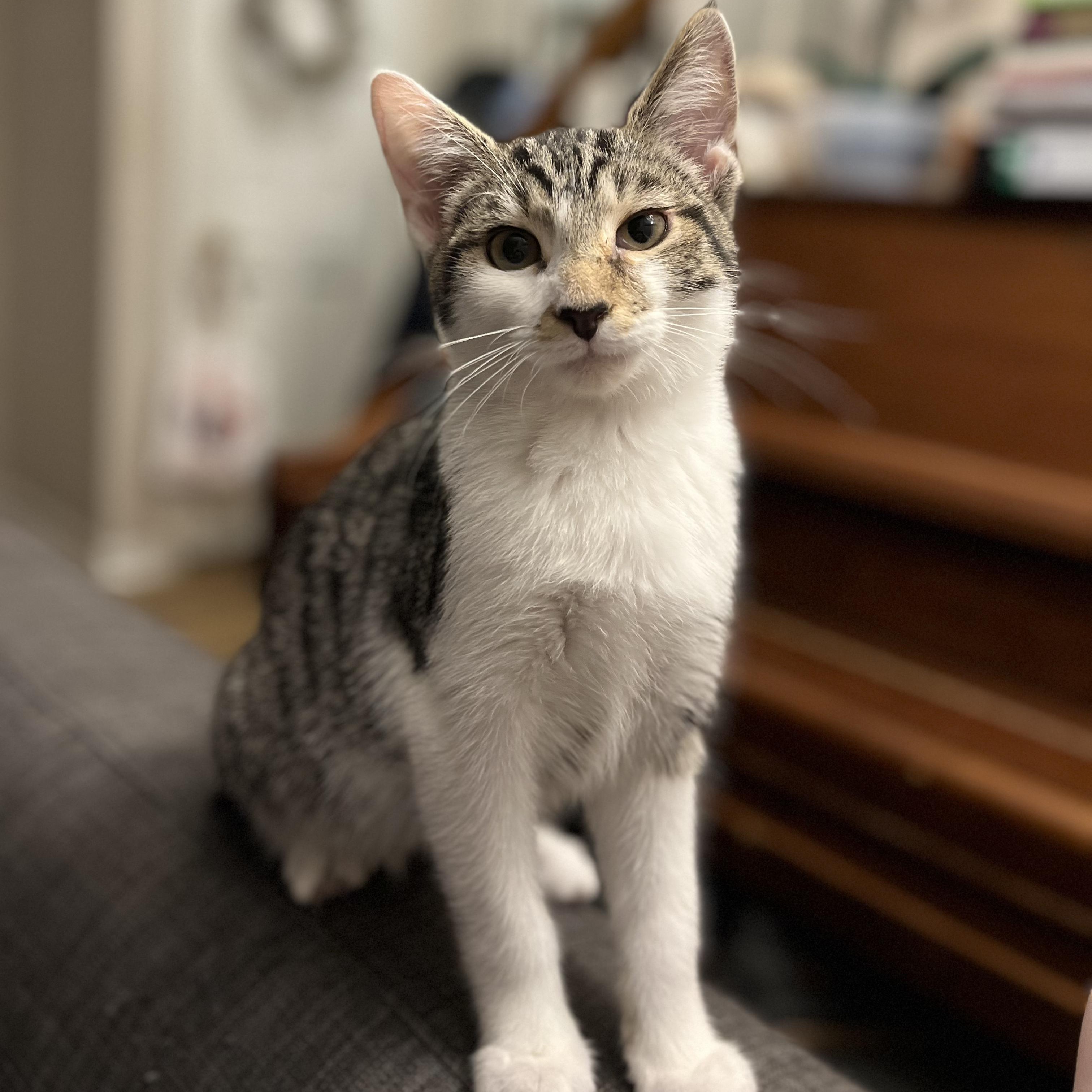
Credit: mynewcat.org
Preparing For Your Hypoallergenic Cat
Preparing for your hypoallergenic cat means making your home safe and welcoming. Cats need a comfortable space to feel calm and secure. Planning ahead helps reduce allergy triggers and keeps your new pet happy.
Creating An Allergy-friendly Home
Keep your home clean to limit allergens. Vacuum floors and furniture often using a vacuum with a HEPA filter. Use air purifiers in rooms where your cat spends time. Wash bedding and curtains regularly to remove pet dander.
Choose furniture with smooth surfaces. Avoid heavy fabrics that trap allergens. Designate pet-free zones, especially bedrooms, to reduce contact with allergens. Use hypoallergenic materials for your cat’s bedding and toys.
Essential Supplies And Setup
Gather supplies that suit hypoallergenic cats. A litter box with low-dust litter helps reduce airborne particles. Provide scratching posts and climbing shelves to keep your cat active. Choose stainless steel or ceramic bowls for food and water to avoid bacteria buildup.
Set up a quiet resting area where your cat can relax safely. Add soft blankets or cushions made from easy-to-clean fabrics. Keep grooming tools handy for regular brushing to control shedding and dander.
Introducing Your Cat Safely
Introduce your cat to the home slowly. Let the cat explore one room at a time. Keep your cat calm by speaking softly and moving gently. Watch your cat’s behavior to spot signs of stress or discomfort.
Allow your cat to approach family members at their own pace. Keep children calm and teach them to be gentle. Avoid forcing interactions. Give your cat space to hide if needed.
Caring For Hypoallergenic Cats
Caring for hypoallergenic cats requires attention to their unique needs. These cats produce fewer allergens, but care helps reduce allergic reactions further. Proper grooming, nutrition, and training ensure they stay healthy and happy.
Understanding their behavior and health needs creates a strong bond between you and your cat.
Grooming Tips To Minimize Allergies
Regular grooming lowers allergens on your cat’s fur and skin. Brush your cat often with a soft brush to remove loose hair and dander. Bathe your cat occasionally using gentle, hypoallergenic shampoo. Clean their bedding and living areas weekly to reduce allergen buildup. Wipe your cat’s face and paws with a damp cloth to remove allergens.
Nutrition And Health Care
Feed your hypoallergenic cat a balanced diet rich in proteins and omega-3 fatty acids. These nutrients support healthy skin and coat, reducing dander. Provide fresh water daily to keep your cat hydrated. Schedule regular vet visits for vaccinations and health checks. Discuss allergy-friendly supplements with your vet to support your cat’s immune system.
Behavior And Training Insights
Hypoallergenic cats benefit from consistent training and social interaction. Use positive reinforcement to teach good behavior. Provide toys and scratching posts to keep them active and reduce stress. Respect their space if they seem anxious or shy. Create a calm environment to help your cat feel safe and secure.
Real Stories From Hypoallergenic Cat Owners
Hypoallergenic cats bring joy to many households. Their owners share real stories that show both challenges and joys. These stories help others understand life with hypoallergenic cats better. Readers get a glimpse of daily experiences and heartfelt moments.
Challenges And Successes
Living with hypoallergenic cats has its ups and downs. Some owners face allergies that still cause mild reactions. Others find it easier to breathe and enjoy pet time. Grooming can be tricky because some breeds need special care. Success comes with patience and learning each cat’s needs. Many owners say the love they receive makes all efforts worth it.
Tips From Experienced Owners
- Use air purifiers to reduce allergens in the home.
- Brush your cat regularly to control shedding.
- Clean bedding and furniture often to remove dander.
- Choose hypoallergenic breeds like Siberian or Balinese.
- Spend time with cats before adopting to test allergies.
These simple steps help keep allergies low and improve comfort. Sharing tips builds a helpful community around hypoallergenic cat care.
Building Lasting Bonds
Trust grows slowly between cat and owner. Hypoallergenic cats often form deep connections. They sense moods and respond with gentle affection. Playtime and quiet moments create strong bonds. Owners feel comfort and happiness from these friendships. These cats become more than pets—they become family.
Frequently Asked Questions
What Is A Hypoallergenic Cat Rescue?
A hypoallergenic cat rescue specializes in rescuing cats that produce fewer allergens. They help allergy sufferers find suitable pets. These rescues focus on breeds like Siberians and Balinese, known for low allergen levels. Their goal is to match cats with sensitive owners safely.
How Do Hypoallergenic Cats Reduce Allergy Symptoms?
Hypoallergenic cats produce fewer proteins causing allergic reactions. They shed less dander, a common allergen source. This reduces airborne allergens and irritation for sensitive individuals. However, no cat is 100% allergen-free, but these breeds minimize symptoms significantly.
Which Cat Breeds Are Considered Hypoallergenic?
Common hypoallergenic breeds include Siberian, Balinese, Devon Rex, and Cornish Rex. These breeds produce fewer Fel d 1 proteins, the main allergen. They also shed less, reducing dander spread. Choosing these breeds lowers allergy risks for pet owners.
Can Hypoallergenic Cat Rescues Help Allergy Sufferers Adopt Safely?
Yes, hypoallergenic cat rescues provide cats suited for allergy sufferers. They offer advice on managing allergies and selecting the right cat. Many rescues allow trial periods to test compatibility. This approach ensures safer, happier adoptions for sensitive owners.
Conclusion
Adopting a hypoallergenic cat can be a wonderful experience. These special cats offer love without triggering allergies. Many rescues have cats waiting for a forever home. Consider visiting a local shelter. Meet these amazing animals. Your new best friend might be there.
Providing a home for a cat in need is rewarding. You help reduce the number of homeless pets. Plus, you gain a loyal companion. Remember to research and prepare before adopting. Your choice can make a big difference in a cat’s life.
Open your heart and home to a hypoallergenic cat today.
