

If your cat often scratches, sneezes, or has upset stomachs, you might be dealing with food allergies. Finding the right food can feel overwhelming, but hypoallergenic cat foods could be the solution your furry friend needs.
Imagine seeing your cat happy, healthy, and comfortable again. You’ll discover what hypoallergenic cat foods are, how they work, and how to choose the best one for your cat’s unique needs. Keep reading to give your cat the relief and care they deserve.
Causes Of Cat Food Allergies
Understanding what triggers your cat’s food allergies is key to managing their diet effectively. Allergies happen when your cat’s immune system mistakenly identifies certain food ingredients as harmful. This causes unwanted reactions that can affect their health and happiness.
Common Allergens In Cat Food
Some ingredients are more likely to cause allergic reactions in cats. Proteins like beef, chicken, and fish top the list because they are common in many cat foods.
- Beef:A frequent culprit in allergic responses.
- Chicken:Another common protein that may cause sensitivity.
- Fish:Though healthy, fish can trigger allergies in some cats.
- Dairy:Many cats lack the enzyme to digest lactose properly, leading to allergies or intolerance.
- Grains:Ingredients like corn, wheat, and soy may cause reactions in sensitive cats.
Have you noticed your cat reacting poorly after meals containing these ingredients? Identifying and avoiding these allergens can be a game-changer.
Symptoms Of Food Allergies In Cats
Food allergies don’t always show up the same way in every cat. You might see skin problems like itching, redness, or hair loss, especially around the face, ears, and paws.
- Persistent itching or scratching
- Hair thinning or bald spots
- Digestive issues such as vomiting or diarrhea
- Excessive licking of paws or other areas
- Ear infections or inflammation
Have you ever wondered if your cat’s constant scratching could be linked to their food? Watching for these signs can help you act before the allergy worsens.
Benefits Of Hypoallergenic Cat Foods
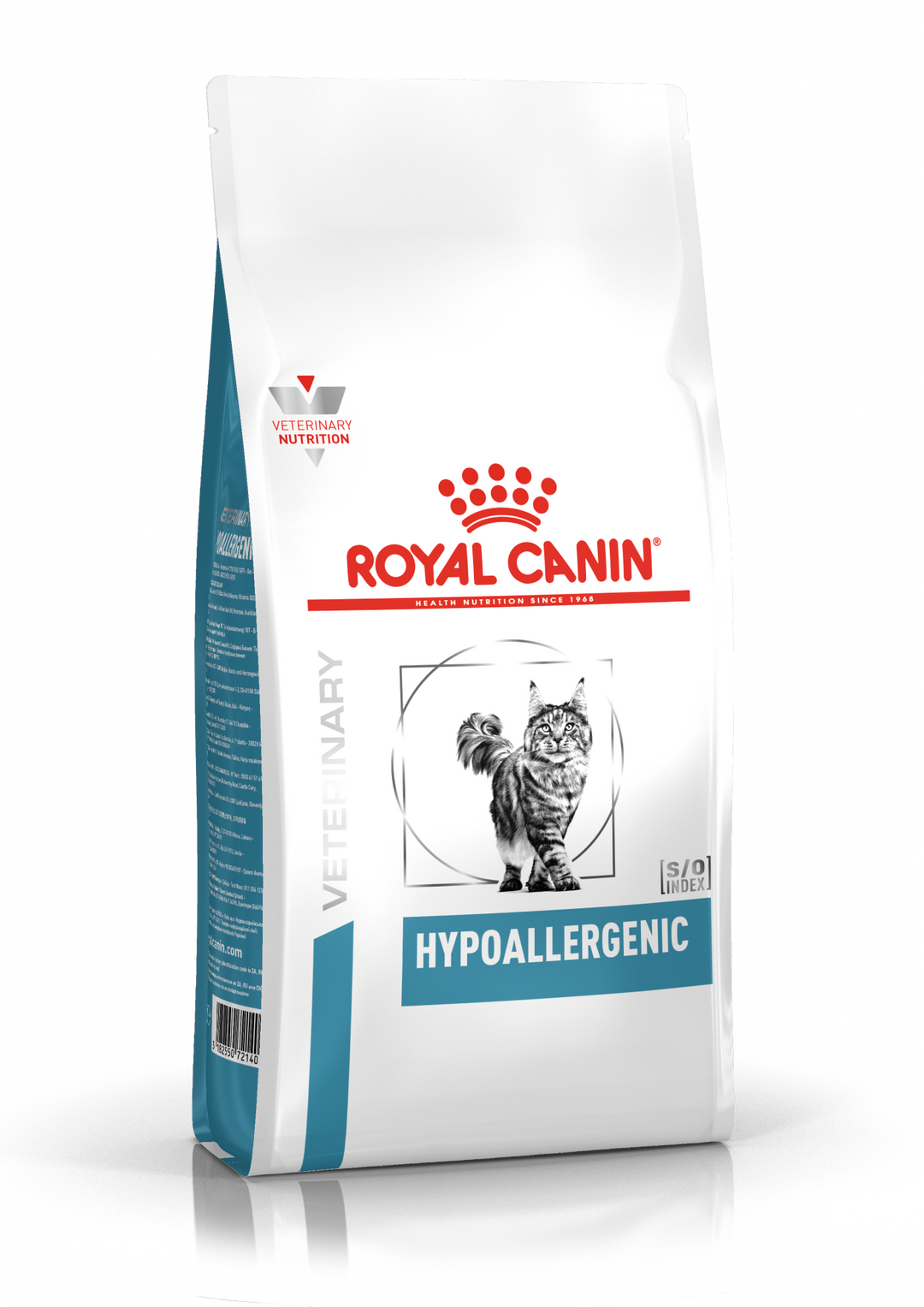
Hypoallergenic cat foods offer many benefits for cats with sensitive stomachs or allergies. These foods are specially made to avoid common allergens that cause discomfort. Feeding hypoallergenic food can improve your cat’s overall health and comfort.
Improved Digestion
Hypoallergenic cat foods use simple ingredients that are easy to digest. They avoid fillers and artificial additives that upset the stomach. This helps reduce vomiting, diarrhea, and other digestive problems. Cats feel better and absorb nutrients more effectively.
Reduced Allergic Reactions
These foods limit ingredients that cause allergic reactions. Common allergens like beef, dairy, and wheat are often removed. This lowers symptoms such as itching, sneezing, and swelling. Cats with food sensitivities experience less discomfort and inflammation.
Enhanced Skin And Coat Health
Hypoallergenic diets include nutrients that support skin and fur. Omega-3 and omega-6 fatty acids help reduce dryness and irritation. Cats show shinier coats and less hair loss. Healthy skin means a happier and more comfortable pet.
Types Of Hypoallergenic Cat Foods
Choosing the right hypoallergenic cat food can feel overwhelming. There are several types designed to target different allergy triggers in cats. Understanding these options helps you make a choice that suits your cat’s specific needs and keeps them happy and healthy.
Limited Ingredient Diets
Limited ingredient diets contain only a few carefully chosen ingredients. This simplicity reduces the chance of triggering an allergic reaction. These diets often focus on one protein source and one carbohydrate, making it easier for you to identify what might be causing your cat’s allergies.
For example, a diet might include just chicken and rice. This can be helpful if your cat has sensitivities to multiple ingredients. Have you noticed your cat’s symptoms improve after switching to a simpler food?
Novel Protein Diets
Novel protein diets use protein sources your cat hasn’t eaten before, like duck, rabbit, or venison. Cats often develop allergies to common proteins like beef or chicken. Offering a novel protein can help avoid allergic reactions since your cat’s immune system hasn’t been exposed to these proteins.
Switching to a novel protein food helped my neighbor’s cat stop scratching constantly. If your cat’s allergies persist, trying a novel protein might be the key. Which unusual protein could be the best fit for your furry friend?
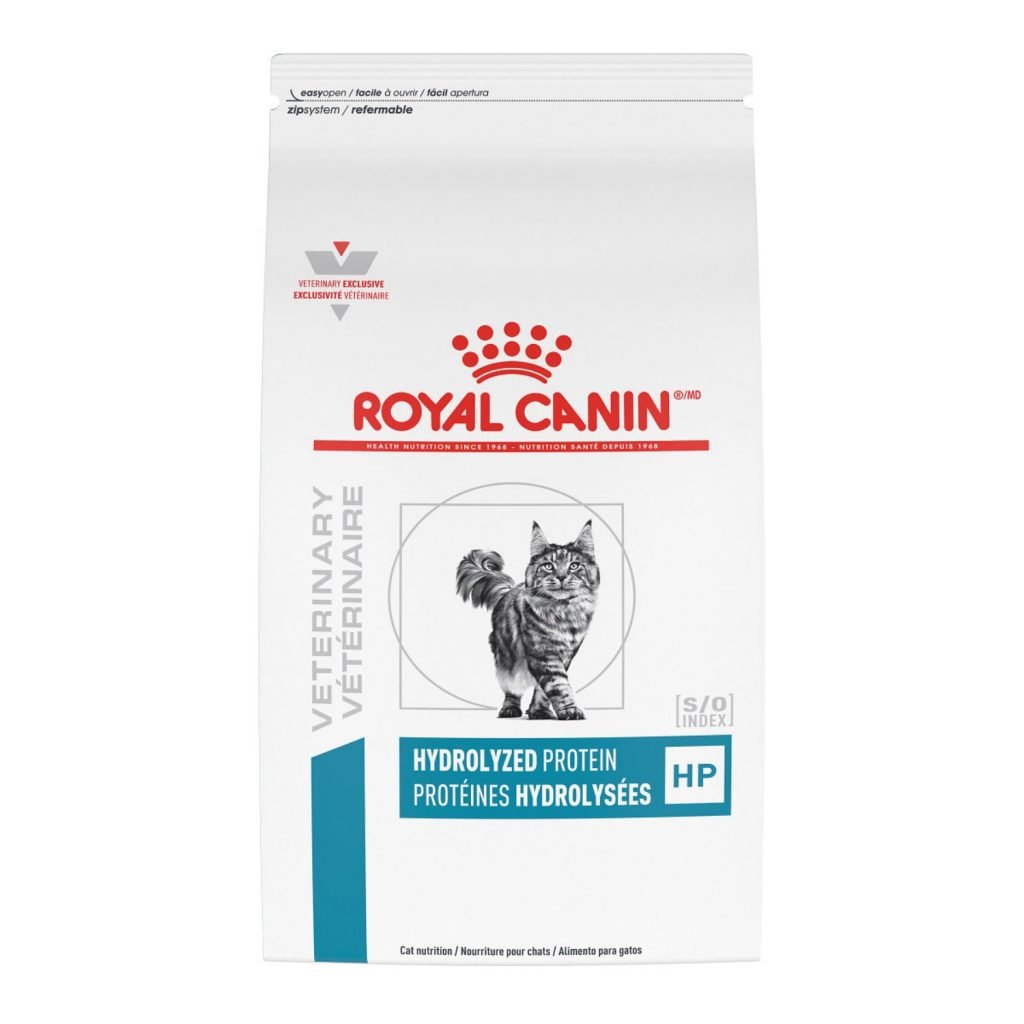
Hydrolyzed Protein Diets
Hydrolyzed protein diets break down proteins into tiny pieces your cat’s immune system won’t recognize as allergens. This makes it less likely to trigger an allergic reaction. These diets are often recommended by veterinarians for cats with severe food allergies.
Though these foods may not smell or taste like regular cat food, many cats accept them well. If you’ve struggled to find a diet that controls your cat’s symptoms, hydrolyzed proteins could be worth a try. Would you consider this approach if other diets haven’t worked?
Choosing The Right Hypoallergenic Cat Food
Choosing the right hypoallergenic cat food can feel overwhelming, especially when your cat has specific dietary needs. The goal is to find a product that not only avoids allergens but also supports your cat’s overall health and enjoyment of meals. Paying close attention to details will help you make the best choice for your furry friend.
Reading Ingredient Labels
Ingredients tell you a lot about what’s inside the food. Look for limited ingredient diets that focus on a single protein source and avoid common allergens like beef, dairy, or grains. Check for hidden fillers or additives that could trigger reactions.
Don’t just rely on marketing terms like “hypoallergenic” or “natural.” Instead, scan the label carefully and compare products side by side. Have you ever noticed how some foods list unusual ingredients that you can’t even pronounce? That’s a red flag.
Consulting Your Veterinarian
Your veterinarian knows your cat’s health history and can guide you to the safest food options. They might suggest allergy testing or recommend specific brands based on clinical experience. Asking your vet can save you time and prevent costly trial and error.
Sometimes, a tailored diet plan is necessary, and your vet can help you navigate prescription hypoallergenic foods versus over-the-counter options. Have you asked your vet about how to spot a true hypoallergenic formula?
Considering Your Cat’s Preferences
Cats can be picky eaters, even when their health is at stake. Observe your cat’s texture and flavor preferences to avoid wasted food and stress. Offering a few samples or smaller packages lets you test what they like without overspending.
Remember, even the healthiest food won’t work if your cat refuses to eat it. What flavors or textures does your cat naturally gravitate towards? Tailoring choices to their tastes keeps mealtime enjoyable and beneficial.
Transitioning To Hypoallergenic Food
Switching your cat to hypoallergenic food requires patience and care. Abrupt changes can upset their stomach or cause refusal to eat. Taking time ensures your feline friend adapts comfortably and benefits fully from the new diet.
Gradual Food Change Tips
Start by mixing a small amount of hypoallergenic food with your cat’s current meals. Increase the new food portion slowly over 7 to 10 days. This gentle transition helps prevent digestive issues and encourages acceptance.
Observe how your cat reacts to the texture and taste during this period. Some cats prefer wet food, while others might like dry kibble. Adjust the blend accordingly to keep mealtime enjoyable.
If your cat is picky, try warming the food slightly to enhance its aroma. You can also offer the new food during calm moments to reduce stress. Remember, patience is key to success here.
Monitoring For Reactions
Watch closely for any signs of allergy or intolerance, such as itching, vomiting, or diarrhea. These symptoms may indicate the new food is not suitable. Keep a daily journal to track changes in behavior and health.
Consult your vet if you notice any adverse reactions or if symptoms worsen. Sometimes, it takes a few weeks to see clear improvements, so don’t rush to conclusions. Your observations will guide necessary adjustments.
Are you prepared to be your cat’s health detective during this transition? Paying attention to details can make all the difference in finding the perfect hypoallergenic food for your furry companion.
Credit: vetcentral.com.sg
Home-cooked Hypoallergenic Diets
Preparing a home-cooked hypoallergenic diet for your cat can be a rewarding way to manage food sensitivities. It allows you to control every ingredient and avoid allergens that trigger reactions in your feline friend. But creating a balanced, safe meal takes careful planning and understanding of your cat’s unique needs.
Safe Ingredients For Sensitive Cats
Choosing the right ingredients is crucial to avoid allergic reactions. Stick to novel proteins like rabbit, duck, or venison, which many cats tolerate better than common proteins such as chicken or beef.
Simple carbohydrates like sweet potatoes or white rice are usually safe options and easier on your cat’s stomach. Avoid grains like corn and wheat, as they often cause allergies.
Vegetables like pumpkin and peas add fiber and nutrients without triggering sensitivities. Always introduce new foods gradually and watch for any signs of discomfort or itching.
Balancing Nutritional Needs
Home-cooked diets can lack essential nutrients if not carefully balanced. Cats require taurine, an amino acid found mainly in animal tissues, so make sure to include appropriate meat sources or supplements.
Calcium is another key nutrient that must be added, often through ground eggshells or calcium supplements, to support bone health. You can use online calculators or consult your vet to ensure your recipe meets all nutritional requirements.
Have you ever wondered if your cat’s homemade meals are truly complete? Regular check-ups and blood tests can help you adjust the diet and avoid deficiencies before they become a problem.
Common Myths About Hypoallergenic Cat Food
Hypoallergenic cat foods help cats with food sensitivities. Many myths confuse pet owners about these special diets. Clearing up these myths helps you choose the best food for your cat’s health.
Myth: All Hypoallergenic Foods Are Grain-free
Not all hypoallergenic cat foods avoid grains. Hypoallergenic means the food has ingredients less likely to cause allergies. Some formulas use novel proteins instead of common ones. Others may include certain grains that don’t trigger allergies.
Grain-free is not the same as hypoallergenic. Always check the ingredient list for allergens affecting your cat.
Myth: Hypoallergenic Means No Allergies
Hypoallergenic food reduces allergy risks but does not guarantee zero allergies. Cats can still react to new ingredients or proteins. Allergies depend on individual cat sensitivities and immune responses.
Consult your vet to find the right food for your cat’s unique needs.
Myth: Expensive Brands Are Always Better
Price does not always equal quality in hypoallergenic cat food. Some budget-friendly brands offer effective formulas. Focus on ingredient quality and your cat’s reaction to the food.
Read labels carefully and watch for signs of improvement in your cat’s health.
Credit: www.renspets.com
Additional Tips For Managing Food Allergies
Managing food allergies in cats goes beyond just choosing the right hypoallergenic food. Paying attention to other aspects of your cat’s health can make a big difference in their comfort and wellbeing. Here are some practical tips to help you handle food allergies more effectively.
Regular Vet Checkups
Regular vet visits are essential to monitor your cat’s response to their diet. Your vet can help spot signs of allergies early and adjust treatment plans accordingly.
Don’t wait for symptoms to worsen before seeking professional advice. Consistent checkups can catch subtle changes, like skin irritation or digestive issues, before they become serious.
Environmental Allergens
Allergies can be tricky because they often don’t come from food alone. Dust, pollen, and even cleaning products can trigger or worsen your cat’s allergic reactions.
Keep your home clean by vacuuming regularly and using pet-safe cleaning supplies. Consider if your cat’s symptoms flare up during certain seasons or after exposure to new environments.
Supplements And Treatments
Some supplements can support your cat’s immune system and skin health. Omega-3 fatty acids, for example, often help reduce inflammation linked to allergies.
Discuss with your vet before adding supplements or medications. They can recommend safe options tailored to your cat’s specific needs and allergies.

Credit: www.walmart.ca
Frequently Asked Questions
What Makes Cat Food Hypoallergenic?
Hypoallergenic cat food avoids common allergens like grains and dairy. It uses limited or novel protein sources to reduce allergic reactions. This food is specially formulated for sensitive cats to improve digestion and skin health.
How Do I Know If My Cat Needs Hypoallergenic Food?
If your cat has itching, hair loss, or digestive issues, it may need hypoallergenic food. Consult your vet for an allergy diagnosis. They can recommend the best hypoallergenic diet tailored to your cat’s needs.
Are Hypoallergenic Cat Foods Grain-free?
Many hypoallergenic cat foods are grain-free to reduce allergens. They often use alternative carbohydrates like potatoes or peas. Grain-free options help sensitive cats avoid reactions linked to wheat or corn.
Can Hypoallergenic Cat Food Improve Skin Allergies?
Yes, hypoallergenic cat food can reduce skin allergies. It eliminates common allergens that cause itching and inflammation. Feeding your cat this diet may improve coat quality and overall comfort.
Conclusion
Choosing the right hypoallergenic cat food helps keep your cat healthy. It can reduce allergies and improve their comfort. Always check ingredients carefully and watch for any reactions. Talk to your vet to find the best option for your cat.
Remember, patience matters when changing their diet. Healthy cats are happy cats. Simple steps can make a big difference. Keep your furry friend safe and well-fed every day.
