

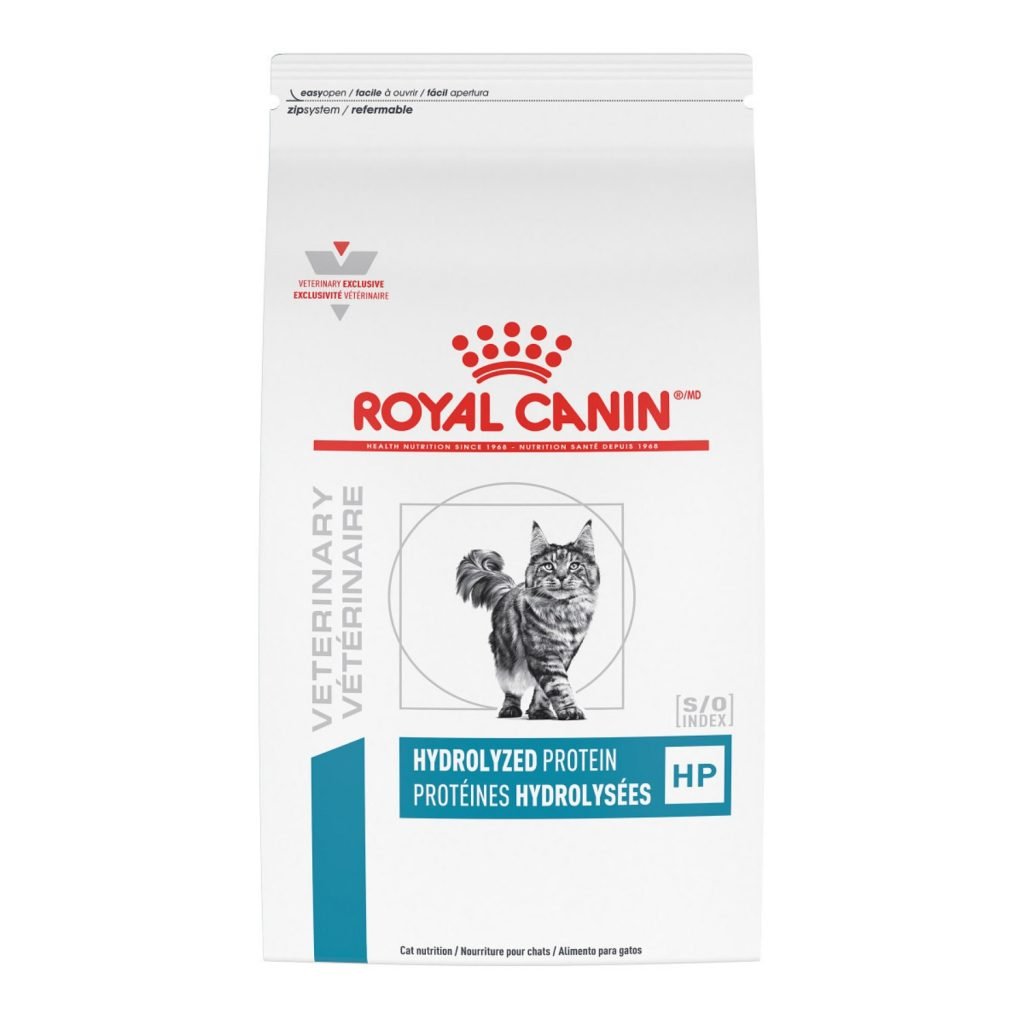
If your cat struggles with itchy skin, digestive issues, or constant sneezing, you know how hard it is to watch them suffer. Finding the right food can make all the difference.
Hypoallergenic cat food is designed to reduce allergic reactions and keep your furry friend healthy and happy. You’ll discover how to choose the best hypoallergenic options for your cat, what ingredients to avoid, and why making the switch could change your pet’s life for the better.
Keep reading to learn how to give your cat the comfort they deserve.
Causes Of Cat Food Allergies
Understanding the causes of cat food allergies can help you make better choices for your furry friend’s diet. Allergies develop when your cat’s immune system mistakenly attacks certain proteins or ingredients in their food. Identifying these triggers can ease discomfort and improve their overall health.
Common Allergens In Cat Food
Some ingredients in cat food are more likely to cause allergic reactions than others. The most common offenders include:
- Beef– A frequent protein source but also a common allergen.
- Chicken– Often causes reactions because it’s widely used in many formulas.
- Dairy products– Many cats are lactose intolerant or allergic to milk proteins.
- Fish– Despite being a natural part of a cat’s diet, fish can trigger allergies.
- Eggs– Another protein that sometimes leads to allergic responses.
- Grains– Ingredients like wheat and corn may cause sensitivities in some cats.
Have you noticed your cat scratching more after meals with certain ingredients? Keeping a food diary can help pinpoint which items to avoid.
Symptoms Of Food Allergies In Cats
Recognizing food allergies early can save your cat from prolonged discomfort. Watch for these signs:
- Itchy skin– Excessive scratching, especially around the face, ears, and paws.
- Hair loss– Bald patches or thinning fur due to constant itching.
- Digestive issues– Vomiting, diarrhea, or frequent gas after eating.
- Ear infections– Recurring or chronic ear problems can indicate allergies.
- Swelling– Around the face or paws, sometimes accompanied by redness.
Have you ever wondered if your cat’s behavior or health problems might be linked to their food? Keeping an eye on these symptoms can guide you toward the right hypoallergenic options.
Benefits Of Hypoallergenic Cat Food
Choosing hypoallergenic cat food can make a big difference in your cat’s well-being. It targets common issues like allergies and digestion problems that many cats silently suffer from. Understanding these benefits can help you decide if this special diet suits your furry friend.
Reducing Allergic Reactions
Hypoallergenic cat food is designed to minimize ingredients that commonly cause allergies. If your cat often scratches, sneezes, or has skin rashes, switching to this food can ease those symptoms quickly.
Many hypoallergenic formulas avoid common triggers like beef, dairy, or wheat. Instead, they use limited or novel protein sources such as duck or salmon. This change can stop your cat’s immune system from overreacting and help them feel more comfortable.
Have you noticed your cat’s allergy symptoms getting worse after meals? Trying hypoallergenic food might be the simple change that brings relief.
Improving Digestive Health
Digestive upset is another issue hypoallergenic cat food addresses well. These diets often include highly digestible ingredients that are gentle on your cat’s stomach.
When your cat has a sensitive tummy, they may experience vomiting or diarrhea. Hypoallergenic food reduces these problems by avoiding hard-to-digest components like soy or artificial additives.
Adding this type of food to your cat’s routine can improve nutrient absorption and lead to healthier stools. Have you ever wondered if your cat’s food could be causing their digestive discomfort? Hypoallergenic options could be the answer you’re looking for.
Types Of Hypoallergenic Cat Food
Understanding the types of hypoallergenic cat food can help you make the best choice for your feline friend’s sensitive stomach or allergies. Each type tackles allergens differently, so knowing the options can save you time and stress during your search. Let’s look at the main categories and what makes them unique.
Limited Ingredient Diets
Limited ingredient diets focus on using just a few simple ingredients to reduce the chance of allergic reactions. These foods usually contain one protein source and one carbohydrate source, making it easier to identify what might trigger your cat’s allergies.
If your cat has shown signs of food sensitivity, trying a limited ingredient diet can pinpoint the culprit. Have you noticed your cat reacting only to certain foods? This approach might give you clearer answers.
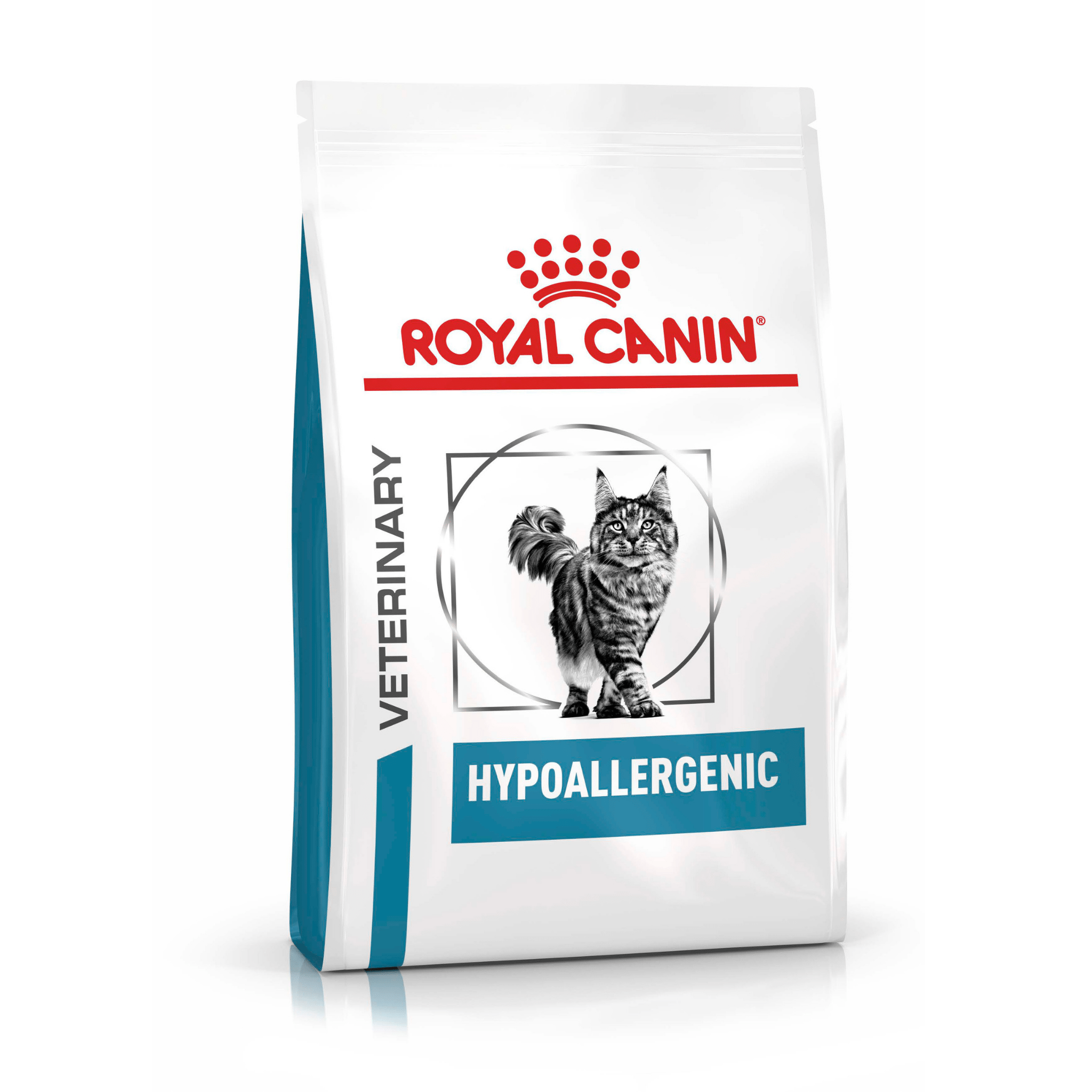
Hydrolyzed Protein Formulas
Hydrolyzed protein formulas break down proteins into tiny pieces that the cat’s immune system won’t recognize as allergens. This process helps prevent allergic reactions, even if your cat is sensitive to common proteins like chicken or beef.
These formulas are often recommended by vets for cats with severe allergies. Have you ever struggled to find a food that doesn’t upset your cat’s system? Hydrolyzed proteins could be a solution worth considering.
Novel Protein Sources
Novel protein sources use uncommon meats or fish that your cat has likely never eaten before, such as duck, rabbit, or venison. This lowers the chance of an allergic response since the cat’s immune system hasn’t been exposed to these proteins.
Switching to novel proteins can be a game changer for cats with persistent allergies. Have you thought about trying something completely different from your cat’s usual diet? It might be the key to healthier, happier mealtimes.
Credit: pdsapetstore.org.uk
Choosing The Right Hypoallergenic Food
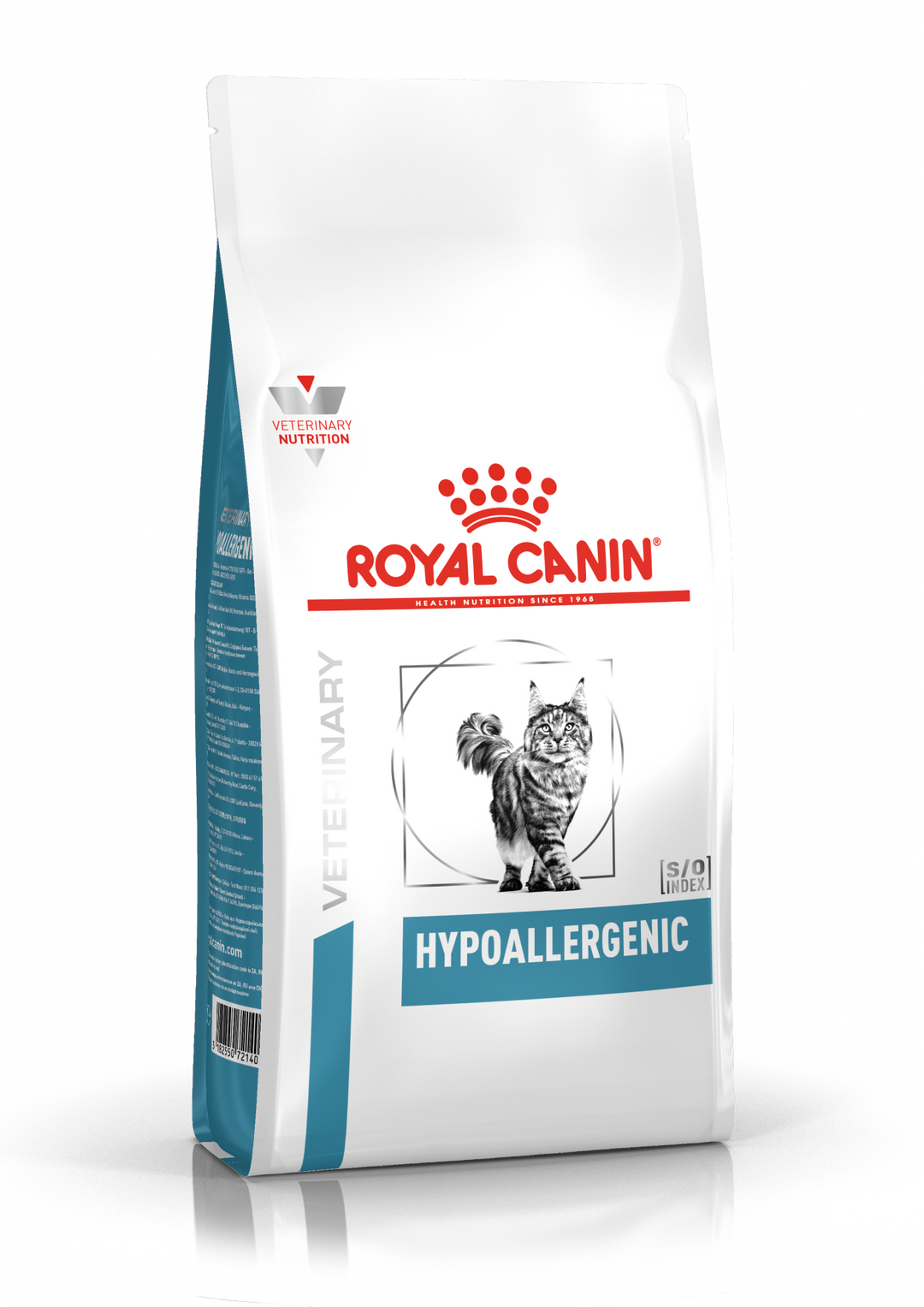
Choosing the right hypoallergenic cat food is key for your pet’s health. Cats with allergies need special diets to avoid reactions. Picking the proper food helps reduce itching, digestive issues, and discomfort. It also supports better skin and coat condition. You must know what to look for and how to decide the best option for your cat.
Reading Ingredient Labels
Ingredient labels reveal what is inside the cat food. Look for limited and recognizable ingredients. Avoid common allergens like beef, dairy, or wheat. Foods with novel proteins such as duck or venison can be good choices. Check for artificial colors, flavors, or preservatives. These can irritate sensitive cats. Focus on simple recipes with clear ingredient lists.
Consulting Your Veterinarian
Your veterinarian is a valuable resource for choosing hypoallergenic food. They know your cat’s medical history and allergies. A vet can suggest food trials or tests to identify triggers. They help create a feeding plan tailored to your cat’s needs. Follow their advice to ensure safe and effective nutrition. Regular check-ups track your cat’s progress on the new diet.
Transitioning To Hypoallergenic Food
Switching your cat to hypoallergenic food is a careful process that requires patience and attention. Sudden changes can upset their digestion and make them refuse the new diet. Taking it slow helps your cat adjust comfortably and gives you a chance to spot any issues early.
Gradual Diet Changes
Start by mixing a small amount of hypoallergenic food with your cat’s current meals. A good rule is to begin with 25% new food and 75% old food. Over 7 to 10 days, slowly increase the new food portion until your cat is eating only the hypoallergenic option.
This slow change helps prevent stomach problems like vomiting or diarrhea. It also gives your cat time to get used to the different taste and texture. Have you noticed your cat reacting to new flavors quickly, or do they take their time?
Monitoring Your Cat’s Response
Watch your cat closely during the transition. Look for signs like itching, redness, vomiting, or diarrhea that might suggest a reaction. Keep a daily journal to track their behavior, appetite, and bathroom habits.
If you see any concerning symptoms, contact your vet right away. Sometimes it takes a few weeks to see full benefits, so patience is key. How does your cat usually show discomfort? Knowing this helps you catch problems early.
Credit: vetcentral.com.sg
Homemade Hypoallergenic Cat Food Options
Making hypoallergenic cat food at home offers control over what your cat eats. It helps reduce allergic reactions and ensures fresh ingredients. Homemade options allow you to avoid harmful additives and fillers found in some commercial foods.
Simple recipes with safe ingredients can meet your cat’s nutritional needs. This approach suits cats with food sensitivities or allergies. Preparing food at home also helps monitor your cat’s health closely.
Safe Ingredients To Use
- Cooked lean meats like chicken, turkey, or rabbit
- White rice or sweet potatoes for easy digestion
- Pure pumpkin or squash for fiber and vitamins
- Fish oils for omega-3 fatty acids
- Small amounts of cooked eggs for protein
All ingredients should be fresh and free from spices or seasonings. Balanced portions help maintain your cat’s overall health.
Avoiding Common Allergens
- Beef and dairy products, as they often cause reactions
- Wheat, corn, and soy, common in many commercial foods
- Fish varieties your cat hasn’t eaten before
- Artificial additives, preservatives, and flavorings
Testing new foods one at a time helps spot allergens quickly. Always consult your vet before making major diet changes.
Common Misconceptions About Hypoallergenic Cat Food
Hypoallergenic cat food often sparks confusion among pet owners. Many assume it’s a cure-all for every cat allergy or that it’s just a marketing gimmick. Understanding the real facts can help you make better choices for your cat’s health and well-being.
Myths Vs. Facts
One common myth is that hypoallergenic cat food guarantees no allergic reactions. The truth is, it’s designed to reduce common allergens, but every cat’s sensitivity varies.
Another misconception is that hypoallergenic food always contains novel proteins like duck or venison. While these proteins help some cats, the key is avoiding ingredients your cat specifically reacts to.
Some believe that grain-free always means hypoallergenic. However, grains are rarely the main cause of cat allergies. Proteins like chicken or beef are usually the culprits.
Cost Considerations
Hypoallergenic cat food can be pricier than regular options, but higher cost doesn’t always mean better quality. Look for foods that clearly list their ingredients and have undergone testing for allergens.
Investing in the right hypoallergenic food may save you money in vet bills and improve your cat’s quality of life. You don’t have to buy the most expensive brand; focus on what works best for your cat’s needs.
Have you noticed your cat’s symptoms improve after switching foods? Tracking this can help you find the best balance between cost and effectiveness.
Credit: ohmycod.ca
Frequently Asked Questions
What Is Hypoallergenic Cat Food?
Hypoallergenic cat food is specially formulated to reduce allergic reactions. It contains limited ingredients and avoids common allergens like grains and certain proteins. This food helps sensitive cats with food allergies or intolerances maintain good health and digestion.
How Does Hypoallergenic Cat Food Benefit Cats?
It reduces allergic symptoms such as itching, skin rashes, and digestive issues. This food improves overall health and comfort. Cats with food sensitivities experience fewer flare-ups and better nutrient absorption when eating hypoallergenic diets.
Which Ingredients Are Avoided In Hypoallergenic Cat Food?
Common allergens like wheat, soy, corn, and dairy are excluded. Many formulas also avoid beef, chicken, and fish proteins. Instead, they use novel proteins like duck, rabbit, or hydrolyzed proteins to prevent allergic reactions.
Can Hypoallergenic Cat Food Help With Skin Problems?
Yes, hypoallergenic cat food can alleviate skin irritations caused by food allergies. By removing allergens, it reduces inflammation and itching. This leads to healthier skin and a shinier coat for cats prone to allergic skin conditions.
Conclusion
Choosing the right hypoallergenic cat food helps reduce allergies. It supports your cat’s health and comfort daily. Simple ingredients avoid triggers and keep your cat happy. Always check labels to find safe, gentle options. Consult your vet to find the best choice for your cat.
Healthy food means a healthier, more active pet. Small changes bring big benefits over time. Your cat deserves food that helps, not harms. Give your pet the care it needs through smart feeding.
