

Are you an animal lover who dreams of cuddling a feline friend without the sneezes and watery eyes? You’re not alone.
Many cat enthusiasts seek the purr-fect companion that won’t trigger their allergies. Enter the hypoallergenic cat breeds, with the Siberian cat leading the pack. This majestic breed might just be the answer to your allergy woes. But what makes Siberian cats so special?
And why are they a top choice for allergy sufferers? By the end of this article, you’ll uncover why the Siberian cat is not only a hypoallergenic wonder but also a delightful addition to any home. Ready to discover your next furry family member? Let’s dive into the world of Siberian cats and see why they might be the ideal pet for you.

Credit: www.yahoo.com
Siberian Cat Traits
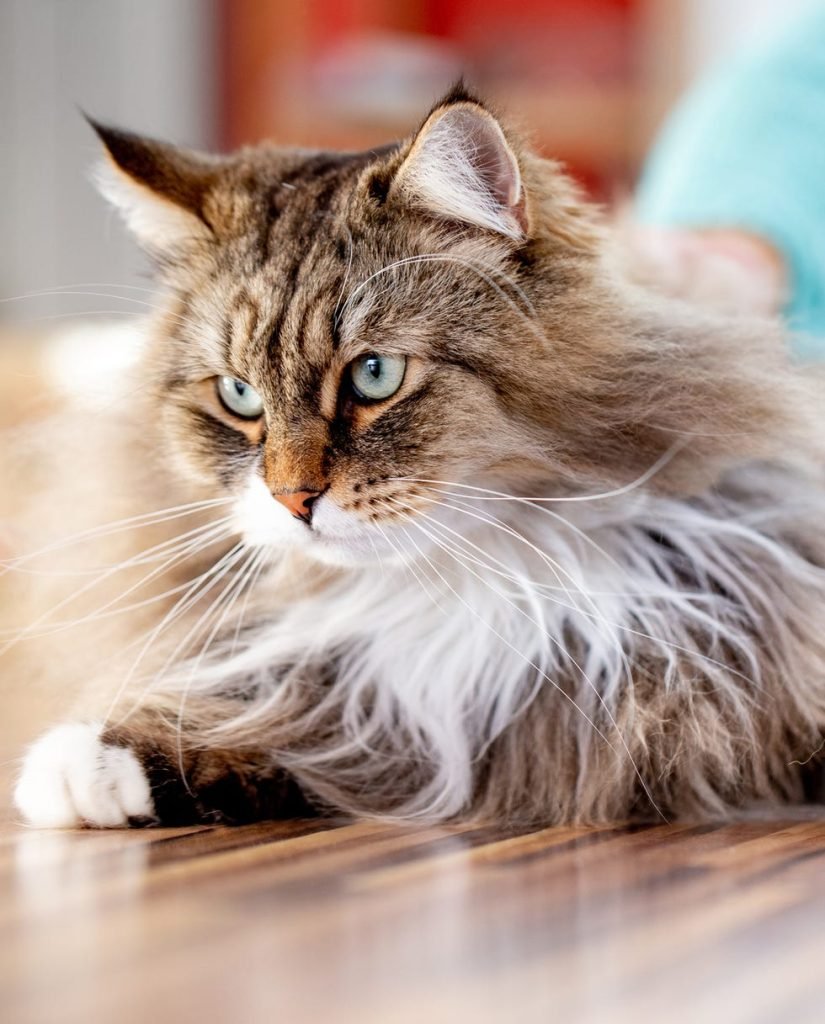
The Siberian cat is a unique breed known for its hypoallergenic qualities. These cats have distinct traits that make them special pets. Their physical features, personality, and grooming needs all contribute to their charm. Understanding these traits helps in caring for a Siberian cat properly.
Physical Features
- Medium to large size with a strong, muscular build
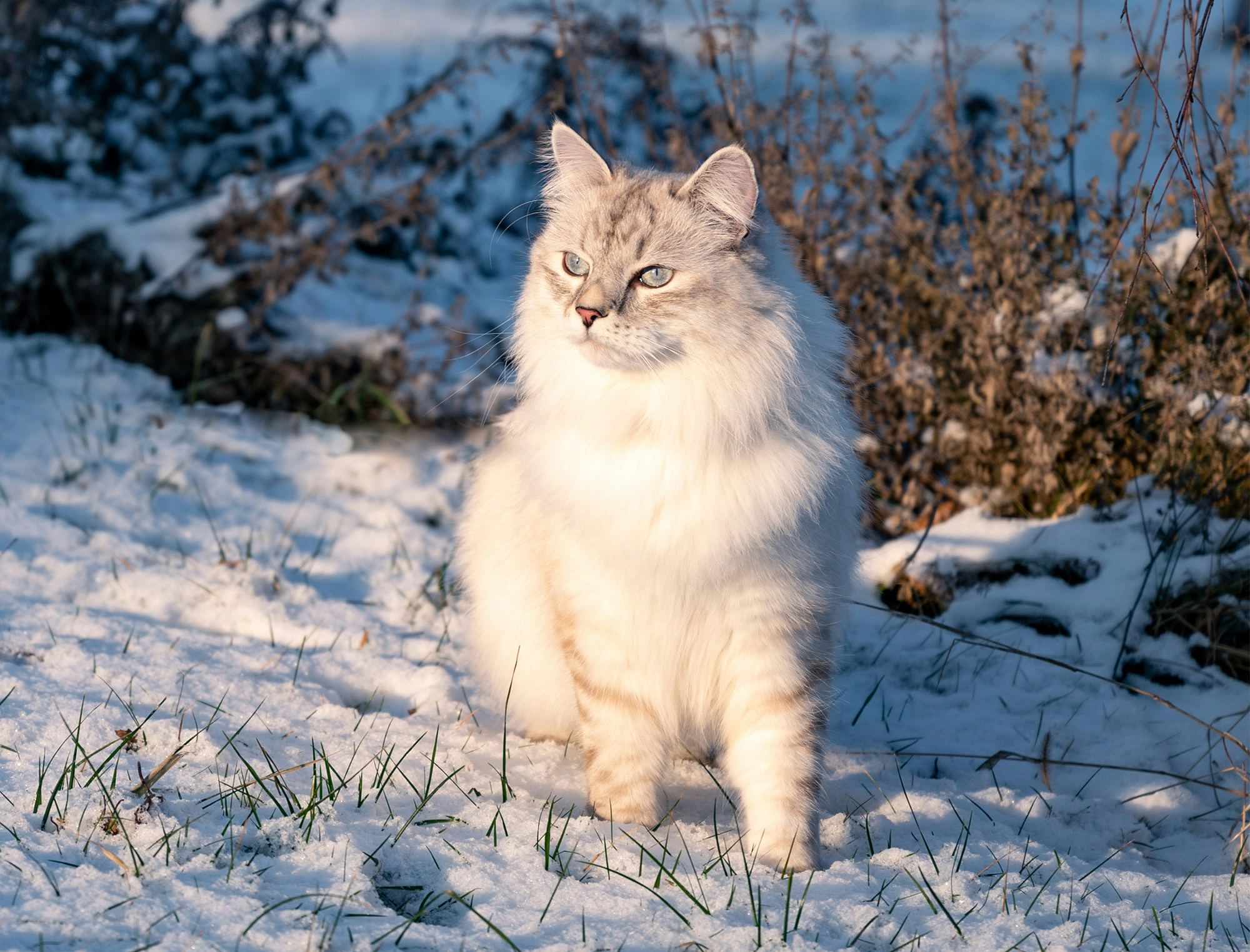
- Thick triple-layered coat that protects from cold weather
- Rounded head with expressive eyes and medium-sized ears
- Coat colors vary widely, including tabby, solid, and spotted patterns
- Plush tail that is bushy and long
Personality Traits
- Friendly and affectionate with family members
- Playful and enjoys interactive toys and games
- Intelligent and curious, often exploring their environment
- Adaptable to different living spaces and other pets
- Quiet but can communicate with soft meows and purrs
Grooming Needs
- Requires brushing 2-3 times per week to prevent matting
- Shedding increases during seasonal changes, needing extra care
- Regular nail trimming and ear cleaning recommended
- Bathing is seldom needed unless the cat gets dirty
- Grooming helps reduce allergens and keeps the coat healthy

Credit: medium.com
Hypoallergenic Qualities
Understanding the hypoallergenic qualities of the Siberian cat can help you decide if this breed fits your lifestyle, especially if allergies have held you back from having a feline friend. These cats are often praised for causing fewer allergic reactions, but what exactly makes them stand out? Let’s dig into the science and facts behind their hypoallergenic reputation.
What Makes A Cat Hypoallergenic
A cat is considered hypoallergenic if it produces fewer allergens that trigger allergic reactions in sensitive people. The main allergen responsible for cat allergies is a protein called Fel d 1, found in cat saliva, skin flakes, and urine. When cats groom themselves, this protein spreads on their fur and into the environment.
Some breeds naturally produce less Fel d 1, or their fur traps the allergen better, reducing its spread around your home. Does your current cat breed shed a lot or leave dust-like flakes on your furniture? These factors can affect how allergic you feel around them.
Siberian Cat Allergen Levels
Siberian cats are known to have significantly lower levels of Fel d 1 compared to many other breeds. This reduction is not just a rumor—many allergy sufferers report fewer symptoms when living with a Siberian. Their dense, water-resistant triple coat might help contain allergens close to their skin.
While not completely allergen-free, Siberians offer a better chance for allergy sufferers to enjoy a cat’s companionship without constant sneezing or itching. Have you ever wished for a cat but feared the allergy flare-ups? Siberians could be the solution.
Scientific Studies On Allergens
Research supports the claim that Siberian cats produce less Fel d 1. A study measuring allergen levels in homes with Siberians found a notable decrease compared to homes with other breeds. This scientific backing adds credibility to the experiences of many allergy sufferers.
However, allergen production can vary among individual cats, even within the same breed. This means spending time with a Siberian before bringing one home is key to understanding your personal reaction. Could a simple test visit change your mind about living with cats?
Benefits Of Siberian Cats For Allergy Sufferers
Siberian cats are often a top choice for people who love cats but struggle with allergies. Their unique coat and lower levels of certain proteins make them stand out among cat breeds. Understanding how Siberian cats can benefit allergy sufferers could change how you think about living with pets.
Reduced Allergic Reactions
Siberian cats produce less of the Fel d 1 protein, which is the main allergen found in cat saliva and skin. This reduction means many allergy sufferers experience fewer symptoms when around these cats.
It’s important to note that no cat is 100% hypoallergenic, but Siberians often cause less sneezing, itching, and watery eyes. If you have mild to moderate allergies, a Siberian could be a game-changer for you.
Living Comfortably With Cats
Owning a Siberian cat allows you to enjoy the companionship of a pet without constant discomfort. Their thick, water-resistant coat traps allergens close to the skin, reducing the spread of dander around your home.
Regular grooming and cleaning routines can further minimize allergen levels, helping you maintain a comfortable living space. Would you be willing to adjust your cleaning habits to enjoy the benefits of a furry friend?
Real-life Experiences
Many Siberian cat owners share stories of how their allergies improved after adopting these cats. One owner mentioned no longer needing allergy medications despite having cats indoors full-time.
These personal accounts suggest Siberians offer a practical option for those hesitant to get a cat because of allergies. Could a Siberian cat be the pet that fits your lifestyle and health needs?
Comparing Other Hypoallergenic Breeds
Choosing a hypoallergenic cat breed means finding one that fits your lifestyle and allergy concerns. Comparing Siberians with other hypoallergenic breeds can help you spot the subtle differences that matter. Let’s look at a few popular options, so you can decide which cat matches your needs best.
Balinese
Balinese cats have a medium-length coat that sheds less than many other breeds. Their fur is silky and less likely to trigger allergies because it produces lower amounts of the Fel d 1 protein.
If you want a cat with a playful personality and quieter grooming needs, Balinese could be a great fit. They also tend to be social and affectionate, often bonding closely with their owners.
Russian Blue
Russian Blues are known for their dense, short coat that doesn’t shed much. Their fur traps allergens close to the skin, which reduces airborne particles that irritate allergy sufferers.
These cats are gentle and reserved, making them ideal if you want a calm companion. Have you noticed how some cats seem to suit your home’s energy better? Russian Blues often adapt quietly to new environments without much fuss.
Sphynx
The Sphynx is almost hairless, which naturally reduces allergens in your home. However, their skin requires regular cleaning to remove oils and dander that can build up and cause reactions.
If you’re up for the extra care, the Sphynx’s affectionate and outgoing nature might win you over. Could a hairless cat be the answer you didn’t realize you were searching for?
Care Tips For Allergy-friendly Cats
Owning a Siberian cat can be a joy, especially if you or someone in your home has allergies. These cats are often considered allergy-friendly, but proper care is essential to keep those sneezes and itchy eyes at bay. The right care routine helps manage allergens effectively while ensuring your furry friend stays happy and healthy.
Regular Grooming
Keeping your Siberian cat well-groomed reduces the amount of dander and loose hair around your home. Brush your cat at least twice a week with a gentle brush designed for long-haired cats. This simple habit catches allergens before they spread and helps prevent matting in their thick coat.
Bathing your cat occasionally can also lower allergen levels. Use a mild, cat-safe shampoo and rinse thoroughly to avoid skin irritation. Have you noticed how your cat reacts after grooming? Their comfort can guide how often you should groom them.
Home Cleaning Strategies
Allergens can settle on furniture, carpets, and bedding, so cleaning your home regularly is key. Vacuum with a HEPA filter to trap tiny particles that cause allergies. Wiping down surfaces with a damp cloth also helps remove dust and dander.
Consider creating pet-free zones, especially in bedrooms, to reduce allergen exposure where you rest. Air purifiers with HEPA filters can further improve indoor air quality. How much does your environment affect your allergy symptoms?
Diet And Health
A balanced diet supports your Siberian cat’s skin and coat health, which directly affects allergen production. High-quality cat food rich in omega-3 fatty acids can reduce inflammation and promote a shiny coat. Consult your vet about supplements that might help your cat’s skin condition.
Regular vet check-ups catch any health issues early, preventing excessive shedding or skin problems that increase allergens. Have you noticed changes in your cat’s shedding linked to diet or health? Monitoring this can make a big difference in allergy management.
Credit: marzanna-siberians.com
Choosing The Right Siberian Cat
Choosing the right Siberian cat is a decision that goes beyond their charming appearance. These cats are known for being hypoallergenic, but your experience with allergies can vary. Taking time to research and understand what fits your lifestyle and health needs will make all the difference.
Finding Reputable Breeders
Look for breeders who specialize in Siberian cats and have a strong reputation. Ask for references and visit their facilities if possible to see the cats’ living conditions. Responsible breeders will willingly share health records and answer your questions honestly.
Don’t hesitate to inquire about the parents’ allergy compatibility since some Siberians produce fewer allergens. A good breeder will also provide support after you bring your cat home, showing they care about long-term well-being.
Assessing Allergy Compatibility
Spend time with a Siberian cat before committing to ownership. Allergies can be unpredictable, so personal testing is essential.
Try holding and playing with the cat for short periods to observe any allergic reactions. Keep in mind that grooming habits and your home environment can influence allergy symptoms, so be ready to adjust accordingly.
Adoption Considerations
Adopting a Siberian cat from shelters or rescue groups offers a second chance to a loving animal. However, it can be harder to verify allergy-friendly traits compared to buying from breeders.
Ask about the cat’s history, including any known allergies or behaviors. Patience is key here—spend time getting to know the cat’s personality and how your allergies respond before making your final choice.
Frequently Asked Questions
What Makes Siberian Cats Hypoallergenic?
Siberian cats produce fewer Fel d 1 proteins, the main allergen in cats. This reduces allergic reactions in sensitive people. Their dense coat traps allergens, limiting airborne spread. However, no cat breed is completely allergen-free. Siberians are a great option for many allergy sufferers.
Are Siberian Cats Safe For People With Allergies?
Yes, many allergy sufferers tolerate Siberian cats well. Their lower allergen levels cause fewer symptoms. Still, individual reactions vary, so spend time with a Siberian before adoption. Regular grooming helps reduce allergens further, improving safety for allergy-prone individuals.
How Do Siberian Cats Compare To Other Hypoallergenic Breeds?
Siberians often rank among the top hypoallergenic breeds. They produce fewer allergens than many cats, like Persians or Maine Coons. Unlike hairless breeds, Siberians have a thick coat that traps allergens. This natural barrier can make them easier to live with for allergy sufferers.
Can Grooming Reduce Siberian Cat Allergens Effectively?
Yes, frequent grooming reduces allergen buildup on Siberians. Brushing removes loose fur and dander, lowering allergen spread. Bathing occasionally can also help, but avoid over-bathing to protect their skin. Consistent grooming is key to managing allergens in a hypoallergenic cat.
Conclusion
Siberian cats suit people with mild allergies well. Their thick fur sheds less dander than other cats. These cats are friendly, playful, and love attention. They adapt easily to new homes and families. Choosing a Siberian might bring joy without strong allergic reactions.
Always spend time with the cat before adopting. This helps check your allergy response first. Siberian cats offer a gentle and loving companion. A great option for many cat lovers seeking comfort.
