

Are you a cat lover who dreams of cuddling up with a furry friend but dreads the sneezes and sniffles that often come with it? You’re not alone.
Allergies can be a real hindrance for many aspiring pet owners. But what if there was a way to enjoy the companionship of a cat without the constant battle against allergies? Enter hypoallergenic cat breeds, your potential ticket to a sneeze-free life with a feline companion.
We’ll dive into the world of hypoallergenic cats, exploring which breeds are less likely to trigger allergic reactions and why. You’ll discover how you can enjoy the joy of having a cat without the hassle of allergies. Stick around, and you might just find your perfect, allergy-friendly feline friend.

Credit: www.thepioneerwoman.com
What Makes A Cat Hypoallergenic
Understanding what makes a cat hypoallergenic can change how you approach pet ownership if allergies have held you back. It’s not just about the breed; it’s about the specific traits that reduce allergen exposure. Knowing these details can help you pick a cat that fits your lifestyle without compromising your health.
Allergens In Cat Fur And Skin
Allergens mainly come from a protein called Fel d 1, found in a cat’s skin, saliva, and urine. When cats groom themselves, this protein sticks to their fur and skin flakes, which then become airborne. These tiny particles are what trigger allergic reactions in sensitive people.
It’s important to know that cat fur itself doesn’t cause allergies; it’s the proteins that cling to the fur. So, even short-haired cats can cause allergies if they produce a lot of Fel d 1. Have you noticed some cats make your eyes itch more than others? That’s the Fel d 1 at work.
How Hypoallergenic Cats Differ
Hypoallergenic cats produce less Fel d 1 or have fur that traps fewer allergens, reducing the amount that becomes airborne. Some breeds like the Siberian or Balinese are known for lower Fel d 1 levels. This means you might experience fewer symptoms around these cats.
Other hypoallergenic breeds have coats that shed less, which helps keep allergens contained. For example, the Cornish Rex has a fine, curly coat that holds onto dander. Less shedding equals less allergen spread around your home.
Myths About Hypoallergenic Cats
Many believe hypoallergenic means allergy-free, but no cat is completely safe for every allergy sufferer. The term simply means fewer allergens, not zero. You should spend time with a specific cat before deciding to adopt.
Another myth is that hairless cats cause no allergies. While they shed less fur, they still produce Fel d 1 in their skin and saliva. Allergy reactions depend on your sensitivity and the cat’s allergen levels, not just fur presence.

Credit: shamelesspets.com
Top Hypoallergenic Cat Breeds
Hypoallergenic cat breeds are ideal for people who love cats but suffer from allergies. These breeds produce fewer allergens, making them easier to live with. They offer companionship without constant sneezing or itchy eyes. Choosing the right breed can improve your comfort and happiness.
Here are some of the top hypoallergenic cat breeds known for their lower allergen levels. Each has unique traits and personalities, fitting different lifestyles.
Siberian Cats
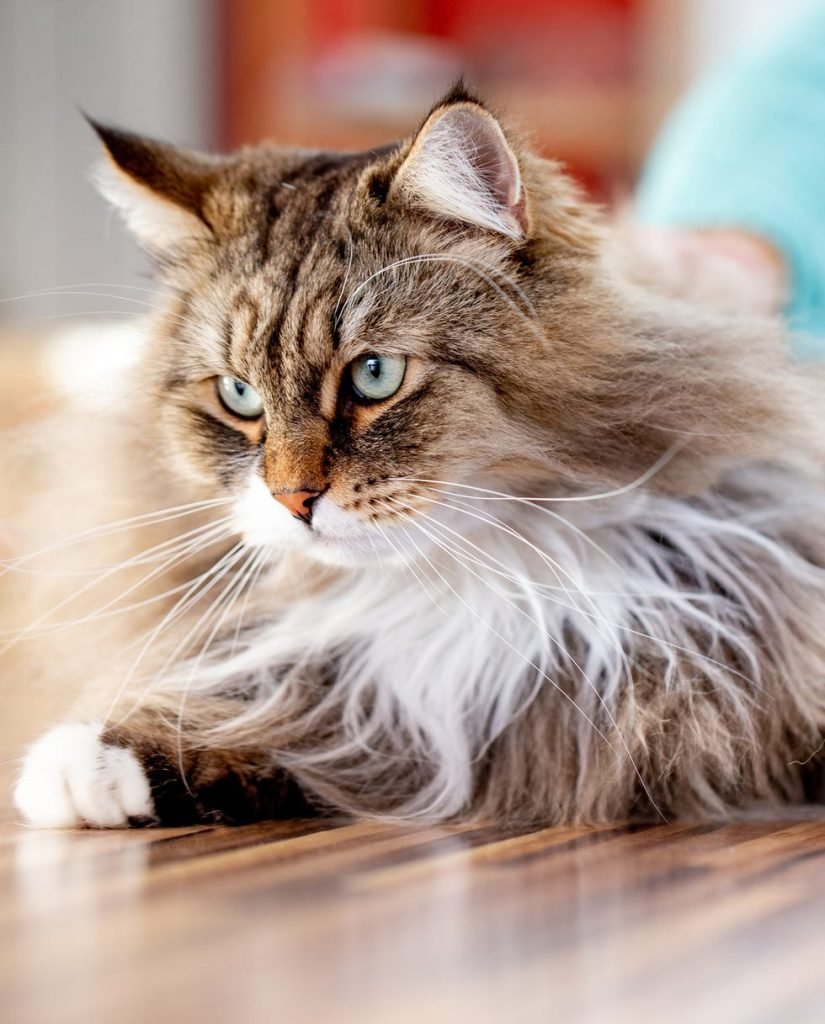
Siberian cats have thick, water-resistant fur that traps allergens. Their coat sheds less dander compared to other cats. They are playful, friendly, and great with families. Many allergy sufferers find Siberians more tolerable.
Balinese Cats
Balinese cats are often called “long-haired Siamese.” Their fine coat produces less allergenic protein. They are social, intelligent, and love attention. Balinese cats enjoy interactive play and bonding with owners.
Bengal Cats
Bengals have short, dense fur that reduces allergens. Their wild appearance hides a gentle and active nature. Bengals enjoy climbing and exploring, making them perfect for active homes. They require mental and physical stimulation.
Devon Rex Cats
Devon Rex cats have curly, soft fur that sheds little. Their unique coat helps lower allergen spread. They are affectionate, curious, and playful. Devon Rex cats like being near their humans and enjoy cuddles.
Cornish Rex Cats
Cornish Rex cats have a fine, wavy coat with minimal shedding. Their fur carries fewer allergens in the environment. They are lively, agile, and love to jump and explore. Cornish Rex cats bond closely with their owners.
Sphynx Cats
Sphynx cats are mostly hairless, which reduces allergen accumulation. Their skin requires regular cleaning to remove oils and allergens. They are friendly, warm, and enjoy human company. Sphynx cats are great for allergy sufferers who want a unique pet.
Russian Blue Cats
Russian Blue cats have dense, short fur that traps allergens. Their coat sheds less dander than most cats. They are calm, gentle, and shy around strangers. Russian Blue cats make loyal and quiet companions.
Choosing The Right Hypoallergenic Cat
Choosing the right hypoallergenic cat is more than just picking a breed that promises fewer allergens. It’s about finding a companion that fits your lifestyle, personality, and living space. The right match can make a huge difference in how happy both you and your cat will be.
Personality Traits To Consider
Hypoallergenic breeds vary widely in temperament. Some cats are playful and energetic, while others prefer quiet and calm environments. Think about what kind of companion you want. Do you want a cat that will follow you around and be very interactive, or one that enjoys lounging quietly?
For example, the Siberian cat is known for being affectionate and social, making it great for families. In contrast, the Balinese cat tends to be more independent but still loving. Matching personality with your own lifestyle reduces stress for both of you.
Living Environment Compatibility
Consider your home size and setup before deciding. Hypoallergenic cats like the Cornish Rex or Devon Rex are often more active and need space to play. If you live in a small apartment, a breed that adapts well to limited space, such as the Russian Blue, might be better.
Do you have other pets or children? Some breeds handle multi-pet households well, while others prefer quiet, adult-only homes. Think about noise levels and activity in your home, too—these affect how comfortable your new cat will feel.
Allergy Testing Before Adoption
Don’t rely only on breed reputation. Allergies can vary from person to person. Spend time with the specific cat before bringing it home to see how your allergies react. Some shelters and breeders allow short visits or foster periods.
You might also try allergy testing with a doctor to understand your sensitivities better. This step can save you heartache and ensure a happy relationship with your pet. Have you ever met a cat you thought was hypoallergenic but still triggered allergies? Testing helps avoid that.

Credit: www.thepioneerwoman.com
Managing Allergies With Cats
Living with cats while managing allergies can feel tricky, but it doesn’t have to be impossible. Understanding how to control allergens around your home can make a big difference. Small changes in your daily routine can help you enjoy your feline friend without constant sneezing or itchy eyes.
Cleaning Tips To Reduce Allergens
Regular cleaning is your first defense against cat allergens. Focus on vacuuming floors and furniture often, using a vacuum with a HEPA filter to trap tiny particles. Don’t forget to wash your cat’s bedding and your own linens weekly to remove dander buildup.
Consider using damp cloths for dusting instead of dry ones, which can spread allergens into the air. You might also want to limit carpeted areas, since carpets hold allergens longer than hard floors. Could a quick daily sweep or mop be the secret to fewer allergy flare-ups in your home?
Grooming Practices For Hypoallergenic Cats
Even hypoallergenic cats shed dander, so grooming is key. Brush your cat regularly to remove loose hair and dander before it spreads around your house. If your cat tolerates it, occasional baths can reduce allergens on their fur.
Try to do grooming outside or in a well-ventilated area to keep allergens out of your living space. Using pet-safe grooming wipes between baths can also help. Have you noticed how a calm grooming routine can improve both your cat’s comfort and your allergy symptoms?
Air Purifiers And Other Solutions
Investing in a quality air purifier with a HEPA filter can cut down airborne allergens significantly. Place it in rooms where you spend the most time, like the bedroom or living room, for best results. Keep windows closed on high pollen days to avoid adding outdoor allergens to the mix.
Other helpful tools include allergen-proof mattress and pillow covers, which stop dander from settling where you sleep. Adding houseplants that improve air quality might surprise you with their benefits. What small change in your environment could make your allergy symptoms less frequent?
Frequently Asked Questions
What Defines A Cat Breed As Hypoallergenic?
A hypoallergenic cat produces fewer allergens than typical cats. These breeds shed less dander, reducing allergic reactions for sensitive people. However, no cat is completely allergen-free.
Which Cat Breeds Are Best For Allergy Sufferers?
Popular hypoallergenic breeds include Siberian, Balinese, Russian Blue, and Devon Rex. These cats have lower levels of Fel d 1 protein, the main allergen in cats.
Can Hypoallergenic Cats Still Trigger Allergies?
Yes, hypoallergenic cats can still cause mild reactions. Individual sensitivities vary, so spending time with the breed before adoption is recommended.
How Do Hypoallergenic Cats Reduce Allergen Exposure?
They shed less fur and dander, limiting airborne allergens. Regular grooming and cleaning also minimize allergen buildup in the home.
Conclusion
Choosing a hypoallergenic cat breed can ease allergy worries. These cats shed less and produce fewer allergens. They offer companionship without constant sneezing or itching. Each breed has unique traits to consider. Spending time with a cat before adopting helps.
Enjoy the love of a pet with fewer allergy problems. A happy home is possible with the right cat choice.
