

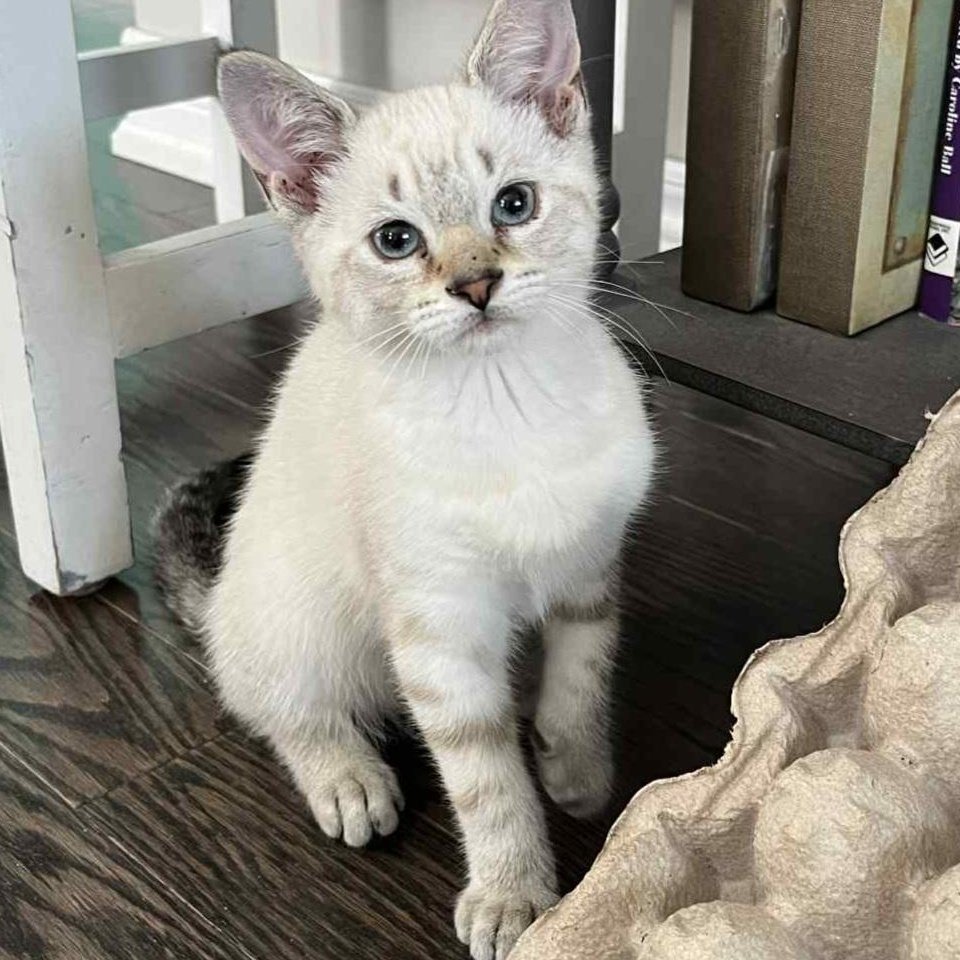
Are you dreaming of having a cat but worried about allergies? You’re not alone.
Many people hesitate to adopt a cat because they fear sneezing, itchy eyes, or worse. But what if you could find a furry friend that fits perfectly with your lifestyle and won’t trigger your allergies? Hypoallergenic cat adoption might be the answer you’ve been searching for.
You’ll discover how to choose the right hypoallergenic cat, what makes these cats special, and simple tips to keep your home allergy-free. Keep reading to unlock the secret to enjoying a loving cat without the sniffles.
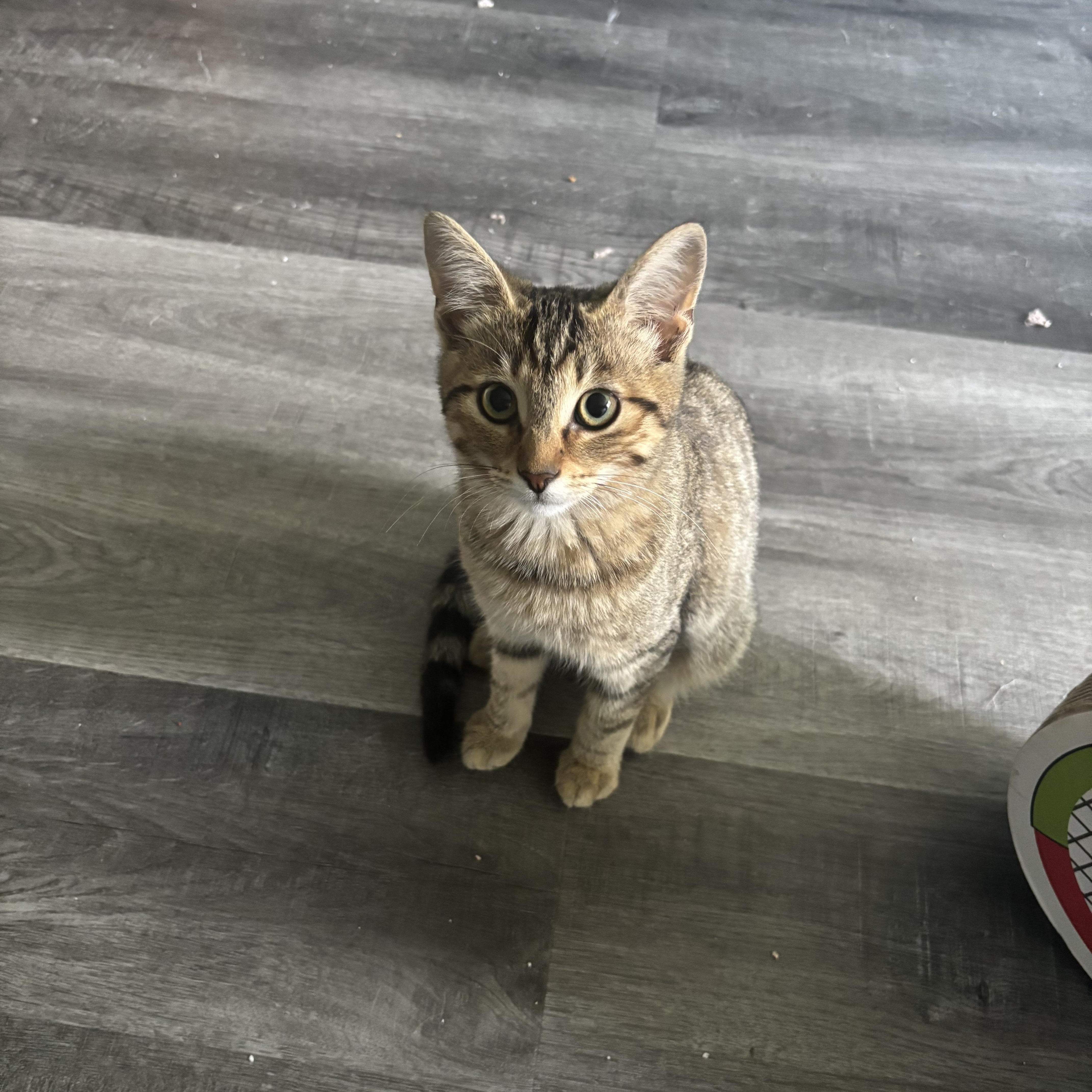
Credit: allistonhumane.com
Allergy-friendly Cat Breeds
Allergy-friendly cat breeds offer a great option if you love cats but struggle with allergies. These breeds produce fewer allergens, making it easier for sensitive individuals to enjoy pet companionship. Understanding which breeds are hypoallergenic can help you make a confident choice for your home and health.
Top Hypoallergenic Breeds
- Siberian:Known for their thick, fluffy coat, Siberians surprisingly produce fewer Fel d 1 proteins, the main allergen in cats.
- Balinese:Sometimes called the “long-haired Siamese,” Balinese cats have less dander, which reduces allergic reactions.
- Devon Rex:Their short, wavy fur sheds minimally, which helps limit allergen spread around the house.
- Russian Blue:This breed has a dense double coat that traps allergens close to the skin, reducing airborne particles.
- Oriental Shorthair:With a fine, short coat, they shed less and produce fewer allergens.
Breed Characteristics
Each hypoallergenic breed has unique physical traits that contribute to its allergy-friendly nature. For example, the Siberian’s thick coat might seem like it would cause more allergens, but it actually traps them effectively. In contrast, the Devon Rex’s short, curly fur means less dander falls off into your environment.
These breeds often have lower levels of the Fel d 1 protein, but how they shed and groom themselves also plays a role. Knowing these details helps you pick a cat that fits both your allergy needs and lifestyle.
Personality Traits
Hypoallergenic cats are not just about allergies—they have distinct personalities too. Siberians are playful and affectionate, making them great companions for families. The Russian Blue tends to be gentle and reserved, perfect if you prefer a quieter pet.
Do you want a cat that loves to explore or one that enjoys cuddling on the couch? Balinese cats are social and active, while Devon Rex cats thrive on interaction and attention. Think about how your cat’s personality will fit with your daily routine and home environment.

Credit: www.thepioneerwoman.com
Factors Causing Cat Allergies
Cat allergies affect many people worldwide. Understanding what causes these allergies helps in making smart pet choices. Allergic reactions happen because of certain proteins cats produce. These proteins can be found in their skin, saliva, and urine. When these allergens spread in the environment, they can trigger symptoms in sensitive individuals.
Knowing the main allergens and how they affect people is key. Also, clearing up common myths about hypoallergenic cats helps manage expectations. This knowledge supports better decisions for those who want to adopt cats but face allergy challenges.
Common Allergens In Cats
- Fel d 1:The most common allergen. Found in cat saliva and skin glands.
- Fel d 4:Present in cat saliva. Can cause allergic reactions.
- Dander:Tiny skin flakes that carry allergenic proteins.
- Urine proteins:Also contribute to airborne allergens.
How Allergens Affect People
Allergens stick to cat fur and skin. When cats groom themselves, saliva spreads allergens. These allergens become airborne or settle on furniture and clothes.
When sensitive people breathe in or touch these allergens, their immune system reacts. Symptoms include sneezing, itchy eyes, runny nose, and skin rashes. Some may have asthma attacks due to exposure.
Myths About Hypoallergenic Cats
- Hypoallergenic cats do not exist. No cat is 100% allergen-free.
- Some breeds produce fewer allergens but still cause reactions.
- Allergy severity varies by person and exposure level.
- Regular cleaning and grooming reduce allergens but don’t eliminate them.
Choosing The Right Cat
Choosing the right cat is essential, especially when you’re looking for a hypoallergenic companion. It’s not just about finding a breed that’s less likely to trigger allergies, but also about matching the cat’s personality and needs to your lifestyle. This thoughtful approach can help ensure a happy, healthy relationship for both you and your new pet.
Matching Lifestyle And Breed
Your daily routine and living space play a big role in deciding which cat fits best. Active breeds like the Siberian or Balinese need more playtime and interaction, while others like the Russian Blue are more laid-back.
Think about your schedule. Do you have time for energetic play sessions or prefer a calm, independent cat? Matching these traits reduces stress for both you and the cat, making your home more harmonious.
Testing Allergy Reactions
Before bringing a cat home, spend time around the breed you’re considering to see how your allergies react. Visit shelters or breeders and stay for at least an hour to monitor symptoms like sneezing, itchy eyes, or congestion.
Consider asking to hold the cat or let it brush against your skin. This hands-on test can reveal how your body truly responds and saves you from surprises later on.
Adoption Vs. Purchase
Adopting a hypoallergenic cat can be rewarding and often more affordable than buying from breeders. Shelters sometimes have breeds known for lower allergen levels, like the Sphynx or Devon Rex.
Purchasing from a reputable breeder might guarantee specific traits but can be costly. Ask about health guarantees and allergen testing to make a well-informed choice.
Preparing Your Home
Preparing your home for a hypoallergenic cat is key to a smooth transition. A clean, safe environment helps reduce allergy triggers. It also makes your new pet feel comfortable and welcome. Small changes can make a big difference for allergy sufferers and cats alike.
Reducing Allergens Indoors
Keep allergens low by controlling dust and pet dander. Use a vacuum with a HEPA filter. Clean floors and furniture often. Avoid heavy curtains that trap allergens. Choose hard flooring instead of carpets when possible. Air purifiers help remove airborne allergens. Regularly wash pet bedding and toys in hot water.
Setting Up Cat-friendly Spaces
Create special areas just for your cat. Use soft, washable bedding in quiet corners. Provide scratching posts and climbing shelves. Place litter boxes in low-traffic, easy-to-clean spots. Keep food and water bowls separate from the litter area. This setup helps your cat feel safe and relaxed.
Cleaning Tips To Minimize Allergies
- Wipe surfaces daily with damp cloths to trap dust.
- Wash your hands after petting your cat.
- Remove clutter to reduce dust buildup.
- Clean litter boxes frequently to avoid odors and bacteria.
- Use allergy-friendly cleaning products without strong scents.
- Keep windows open when possible to improve ventilation.
Caring For Hypoallergenic Cats
Caring for hypoallergenic cats involves special attention to their unique needs. These cats produce fewer allergens but still require regular care to stay healthy and happy. Proper grooming, a balanced diet, and routine vet visits keep them in top shape.
Grooming Practices
Regular grooming helps reduce allergens and keeps your cat comfortable. Brush your cat’s coat several times a week to remove loose hair. Use a damp cloth to wipe their fur gently. Bathing your cat once a month can lower allergen levels. Clean their bedding and toys often to limit allergen buildup.
Diet And Health
Feed your hypoallergenic cat high-quality food for strong health. Choose diets rich in proteins and essential nutrients. Fresh water should always be available. Monitor your cat’s weight and adjust food portions as needed. Avoid sudden diet changes to prevent stomach upset.
Regular Vet Checkups
Schedule vet visits at least twice a year for checkups and vaccinations. Early detection of health issues ensures better treatment. Discuss any behavior or health changes with your vet. Keep up with flea and parasite prevention. Regular dental care protects your cat’s teeth and gums.
Managing Allergies Post-adoption
Adopting a hypoallergenic cat can bring immense joy, but managing allergies after bringing your new furry friend home is essential. Allergies don’t vanish instantly; they require ongoing care and attention. Understanding how to control symptoms will help you enjoy your pet without discomfort.
Medications And Treatments
Allergy medications can make a big difference in how you feel around your cat. Antihistamines, nasal sprays, and eye drops often reduce symptoms like sneezing and itching. It’s a good idea to talk with your doctor about the best options for your specific allergies.
Some people find allergy shots helpful for long-term relief. These treatments gradually build your tolerance to allergens. Have you considered consulting an allergist to explore this option?
Air Purifiers And Filters
Air purifiers with HEPA filters trap pet dander, keeping the air cleaner and your symptoms lower. Placing these devices in common areas or your bedroom can significantly reduce airborne allergens. Don’t forget to replace filters regularly to maintain their effectiveness.
Using vacuum cleaners with HEPA filters also helps remove dander from carpets and furniture. Would you be willing to invest in these tools to create a more allergy-friendly environment?
Lifestyle Adjustments
Simple changes can ease allergy symptoms at home. Washing your hands after petting your cat and avoiding touching your face can limit allergen spread. Regularly cleaning your cat’s bedding and grooming your pet can reduce dander buildup.
Consider creating cat-free zones, especially in your bedroom, to give your respiratory system a break. Have you thought about how small habits could make living with your cat more comfortable?
Success Stories
Adopting a hypoallergenic cat brings joy and comfort to many families. These success stories inspire others to consider allergy-friendly pets. They show how challenges with allergies can be overcome.
Many adopters share how their lives improved after bringing a hypoallergenic cat home. These stories offer hope and useful advice for new cat owners.
Happy Adopters’ Experiences
Many people with allergies found relief by adopting hypoallergenic cats. They report fewer allergy symptoms and more time with their pets. One adopter shared how a Siberian cat changed their life. Their sneezing and itching reduced significantly within weeks.
Others mention breeds like Balinese and Devon Rex helped them enjoy pet companionship. Each story shows different ways to live well with allergies and cats.
Tips From Allergy Sufferers
- Keep cats out of bedrooms to reduce allergen exposure.
- Use HEPA air filters to clean indoor air.
- Wash hands after petting the cat to avoid irritation.
- Regularly clean cat bedding and furniture.
- Brush cats outside to reduce shedding indoors.
- Consult a doctor about allergy medications before adoption.
These small steps help allergy sufferers live comfortably with their cats. Sharing these tips helps new adopters prepare for success.
Building A Bond With Your Cat
Taking time to understand your cat strengthens your connection. Play and gentle petting build trust and reduce stress for both.
Safe spaces help cats feel calm and loved. Respecting their needs creates a happy home for everyone.
Patience matters. Some cats take time to adjust but become great companions. The bond grows stronger with daily care and attention.

Credit: shamelesspets.com
Frequently Asked Questions
What Is A Hypoallergenic Cat?
A hypoallergenic cat produces fewer allergens than typical cats. They shed less dander, reducing allergic reactions in sensitive people. Breeds like Siberian and Balinese are known for being hypoallergenic. However, no cat is 100% allergen-free.
Are Hypoallergenic Cats Truly Allergy-free?
No, hypoallergenic cats are not completely allergy-free. They produce fewer allergenic proteins, which lowers the chance of reactions. People with mild allergies often tolerate these cats better. Severe allergy sufferers should still take precautions when adopting.
Which Cat Breeds Are Hypoallergenic?
Popular hypoallergenic cat breeds include Siberian, Balinese, Russian Blue, and Devon Rex. These breeds shed less and produce fewer allergens. Choosing these cats can help reduce allergy symptoms for sensitive owners.
How To Care For A Hypoallergenic Cat?
Regular grooming reduces dander and allergens on your hypoallergenic cat. Bathing and brushing help minimize shedding. Keep your home clean and use air purifiers. These steps improve allergy management while caring for your cat.
Conclusion
Adopting a hypoallergenic cat can be a great choice. They offer companionship without triggering allergies. These cats are ideal for people with sensitive noses. Many breeds are available, each with unique traits. Spend time researching to find the right one.
Consider your lifestyle and the cat’s needs. Adoption helps in giving these animals a loving home. It’s a rewarding experience for both you and the cat. Remember, patience is key in building a bond. Enjoy your journey with your new feline friend.
