

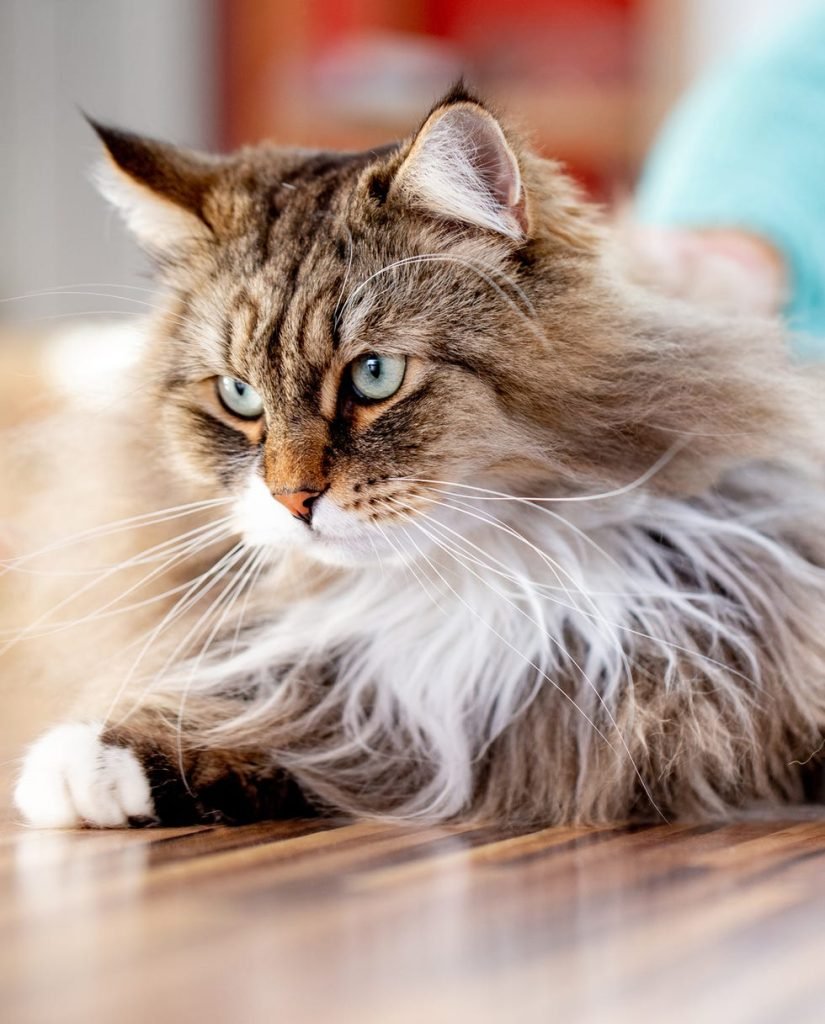
Are you worried that your love for cats might trigger allergies? You’re not alone.
Many cat lovers struggle with sneezing, itchy eyes, or worse, just from being around their furry friends. But what if you could enjoy a purring companion without the sniffles? Hypoallergenic cat breeds could be the answer you’re looking for. You’ll discover which cats are kinder to allergy sufferers, helping you find your perfect, sneeze-free match.
Keep reading to unlock the secret to cuddling your dream cat without the discomfort.

Credit: www.thepioneerwoman.com
What Makes A Cat Hypoallergenic
Understanding what makes a cat hypoallergenic can change the way you approach choosing a pet. It’s not just about the breed but about the specific traits that reduce allergic reactions. Let’s break down the key factors that influence a cat’s allergen levels and what you should expect.
Allergens And Their Sources
Cat allergies are mainly caused by proteins found in a cat’s skin cells, saliva, and urine. The most common allergen is Fel d 1, a protein produced in a cat’s sebaceous glands and saliva.
When cats groom themselves, they spread saliva on their fur, which later dries and becomes airborne. This is why even short-haired cats can trigger allergies.
Understanding these sources helps you realize why hair length alone doesn’t determine allergen levels. Allergens can stick to furniture, clothes, and surfaces, making it hard to avoid exposure completely.
How Hypoallergenic Cats Differ
Hypoallergenic cats typically produce fewer allergens or shed less dander into the environment. Some breeds, like the Siberian or Balinese, have been shown to produce lower levels of Fel d 1.
Other hypoallergenic traits include:
- Less frequent shedding
- Drier saliva or reduced grooming habits
- Coat types that trap allergens closer to the skin, reducing spread
For example, the Cornish Rex has a unique coat that sheds less, which can mean fewer allergens in your home.
Have you noticed that some cats just don’t trigger your allergies as much? This is often why hypoallergenic cats exist—because their biology interacts differently with your immune system.
Limitations Of Hypoallergenic Claims
No cat breed is 100% hypoallergenic. Even breeds labeled as hypoallergenic can cause reactions in sensitive individuals. It’s important to test your reaction before committing to a pet.
Environmental factors like cleaning habits, air filters, and personal sensitivity play huge roles. Someone with mild allergies may tolerate a Siberian cat, while another with severe allergies may still struggle.
Ask yourself: Are you ready to manage your environment and possibly take allergy medications? Hypoallergenic cats reduce allergens but don’t eliminate them entirely.
Top Hypoallergenic Cat Breeds
Looking for a cat that won’t trigger your allergies? Certain cat breeds produce fewer allergens, making them better choices for sensitive owners. Understanding which hypoallergenic cats fit your lifestyle can save you discomfort and bring joy to your home.
Siberian Cats
Siberian cats have a luxurious, thick coat but surprisingly produce less of the allergenic protein Fel d 1. Many allergy sufferers report fewer symptoms around these cats. Their playful and affectionate nature makes them a great companion for families.
Balinese Cats
Balinese cats are often called “long-haired Siamese” and shed less dander than other breeds. Their silky coats don’t trap allergens as much, which helps reduce allergic reactions. If you want an active and vocal cat, Balinese might be your perfect match.
Bengal Cats
Bengal cats boast a unique spotted coat and lower allergen levels. Their short, dense fur sheds less, which means fewer allergens spread around your home. Bengals are energetic and curious, so they’ll keep you entertained and engaged.
Devon Rex
With their wavy, soft fur, Devon Rex cats shed minimally and produce less dander. Their affectionate and mischievous personality makes them a favorite among allergy sufferers. Have you ever met a cat that feels like a warm cuddle wrapped in fur?
Cornish Rex
Cornish Rex cats have a fine, curly coat that barely sheds. This breed’s low allergen levels make them easier to live with for people sensitive to cat allergens. They also love being the center of attention and are highly social.
Russian Blue
Russian Blues are known for their dense, short double coat that traps less allergen. Their calm and gentle disposition suits quieter households. Imagine a pet that stays low-key but still offers deep companionship.
Sphynx
The Sphynx cat’s lack of fur means fewer allergens spread through shedding. However, regular baths are necessary to remove skin oils that can irritate allergies. Their friendly and outgoing nature often surprises first-time owners.
Traits Of Low-allergy Cats
Understanding the traits of low-allergy cats can help you make a better choice if you suffer from pet allergies. These cats often share specific characteristics that reduce the common triggers causing allergic reactions. Knowing what to look for can make living with a cat more comfortable for you and your family.
Coat Type And Shedding
Low-allergy cats usually have coats that shed less. This means fewer allergens like dander spread around your home. Breeds like the Siberian or Balinese have dense, often single-layered coats that trap allergens close to their skin.
Have you noticed how much a cat sheds before deciding to bring one home? Shedding impacts the amount of allergen particles in the air. Choosing a cat with less shedding can significantly reduce your allergy symptoms.
Grooming Habits
Some cats groom themselves more thoroughly, reducing loose fur and dander. Breeds such as the Sphynx, which have little to no fur, require regular baths to remove oils and allergens from their skin. This grooming routine helps keep allergens under control.
Regular grooming by owners can also help. Brushing your cat often removes dander and loose hair before they spread around the house. This simple habit can ease your allergy struggles.
Saliva And Protein Levels
Allergic reactions are often triggered by proteins found in cat saliva, not just fur. Hypoallergenic breeds tend to produce lower levels of Fel d 1, the main allergenic protein. For instance, the Russian Blue has a reputation for lower Fel d 1 production.
Why does this matter? When cats groom themselves, saliva dries on their fur and skin, releasing allergens into the environment. Choosing a breed with lower protein levels can make a noticeable difference in your allergy symptoms.

Credit: www.thepioneerwoman.com
Choosing The Right Cat For Sensitive Homes
Choosing the right cat for sensitive homes requires careful thought. Allergies vary from person to person. Some cats trigger reactions while others cause mild symptoms. Picking a breed that suits your home can reduce allergy issues. It helps create a peaceful environment for everyone.
Assessing Allergy Severity
Understanding how severe your allergies are is vital. Mild allergies might tolerate some breeds better. Severe allergies need more careful breed selection. Keep a diary of allergy symptoms after cat exposure. Note sneezing, itching, or breathing trouble. This record helps identify your tolerance level.
Spending Time With Breeds
Before adopting, spend time with different cat breeds. Visit shelters or breeders to interact with cats. Notice how your body reacts during and after visits. Some breeds produce fewer allergens, such as Siberian or Balinese cats. Testing your reaction can guide your choice.
Adoption Tips For Allergy Sufferers
- Choose adult cats with known behavior and allergen levels.
- Ask about the cat’s grooming habits and coat type.
- Consider hypoallergenic breeds like Sphynx or Russian Blue.
- Maintain a clean home to reduce allergens.
- Use air purifiers and wash bedding regularly.
Managing Allergies With Cats
Managing allergies while living with cats might seem challenging, but it’s definitely possible with the right strategies. Even hypoallergenic breeds can trigger mild reactions, so focusing on your environment and care routine is essential. How much control do you have over the spaces your cat inhabits, and what small changes could make a big difference?
Cleaning And Home Care
Keeping your home clean is a powerful way to reduce allergens. Cat dander settles on surfaces, so regular vacuuming with a HEPA filter vacuum can remove it effectively.
Washing your cat’s bedding and blankets weekly helps cut down on allergens. Don’t forget to clean curtains, cushions, and any soft furnishings where dander collects.
Use damp cloths to dust instead of dry dusters, which just spread allergens into the air. Would your living space benefit from dedicating certain rooms as pet-free zones to limit allergen spread?
Air Filtration Solutions
Air quality greatly impacts allergy symptoms. An air purifier with a HEPA filter can trap airborne allergens, including pet dander and dust mites.
Placing purifiers in frequently used rooms, like the living room or bedroom, helps maintain cleaner air where you spend the most time. Some models also reduce odors, making your home feel fresher.
Ventilation matters too—opening windows when weather allows can help, but be mindful of outdoor allergens like pollen that may worsen your symptoms.
Regular Grooming Practices
Grooming your cat regularly reduces the amount of loose fur and dander in your home. Brushing your cat daily can prevent allergens from spreading around.
Using hypoallergenic pet wipes or bathing your cat occasionally can also help, but make sure to choose products safe for feline skin. If you’re allergic, consider asking a non-allergic family member or friend to help with grooming tasks.
Have you noticed a difference in your symptoms after adjusting your cat’s grooming routine? Small changes like these can add up to big relief.

Credit: shamelesspets.com
Frequently Asked Questions
What Makes A Cat Breed Hypoallergenic?
Hypoallergenic cat breeds produce fewer allergens like Fel d 1 protein. This reduces allergic reactions in sensitive individuals. Their coat type and grooming habits also lower allergen spread, making them better suited for allergy sufferers.
Which Cat Breeds Are Considered Hypoallergenic?
Popular hypoallergenic breeds include the Sphynx, Balinese, Siberian, and Devon Rex. These cats shed less dander and produce fewer allergens. Choosing such breeds helps allergy-prone people enjoy feline companionship with fewer symptoms.
Can Hypoallergenic Cats Still Trigger Allergies?
Yes, hypoallergenic cats can still trigger mild allergies. They produce fewer allergens but do not eliminate them completely. Allergy severity depends on individual sensitivity and exposure levels to cat proteins.
How To Reduce Cat Allergens At Home?
Regular grooming, vacuuming, and air purification reduce cat allergens indoors. Use HEPA filters and wash cat bedding weekly. These practices minimize dander accumulation and improve air quality for allergy sufferers.
Conclusion
Exploring hypoallergenic cat breeds can lead to happy pet ownership. These breeds help reduce allergic reactions. Consider breeds like the Balinese or Siberian. They are gentle and friendly companions. Always meet the cat before adopting. This ensures compatibility with your lifestyle.
Research and patience are key to finding the perfect match. By choosing carefully, you enjoy a sneeze-free home with your new feline friend. Understanding your needs and the cat’s nature makes a harmonious home. Embrace the joy of cat ownership without the allergies.
Start your journey today towards a loving pet relationship.
