

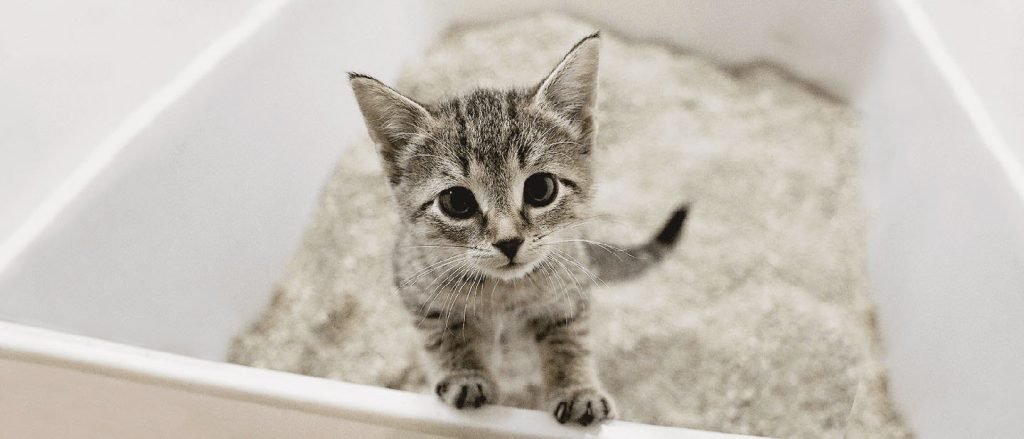
Training your cat to use a litter box might seem tricky, but it’s easier than you think. If you want a clean home and a happy pet, teaching your cat this simple habit is key.
In this guide, you’ll discover clear, step-by-step tips that work for cats of all ages. Whether you’re a new cat owner or looking to improve your current routine, these easy methods will help you succeed. Keep reading, and you’ll see how quickly your cat can learn this important skill.
Choosing The Right Litter Box
Choosing the right litter box is a key step in training your cat to use it confidently. The right box makes your cat feel comfortable and encourages consistent use. Small details like size, shape, and placement can make all the difference in your cat’s litter habits.
Size And Shape Matters
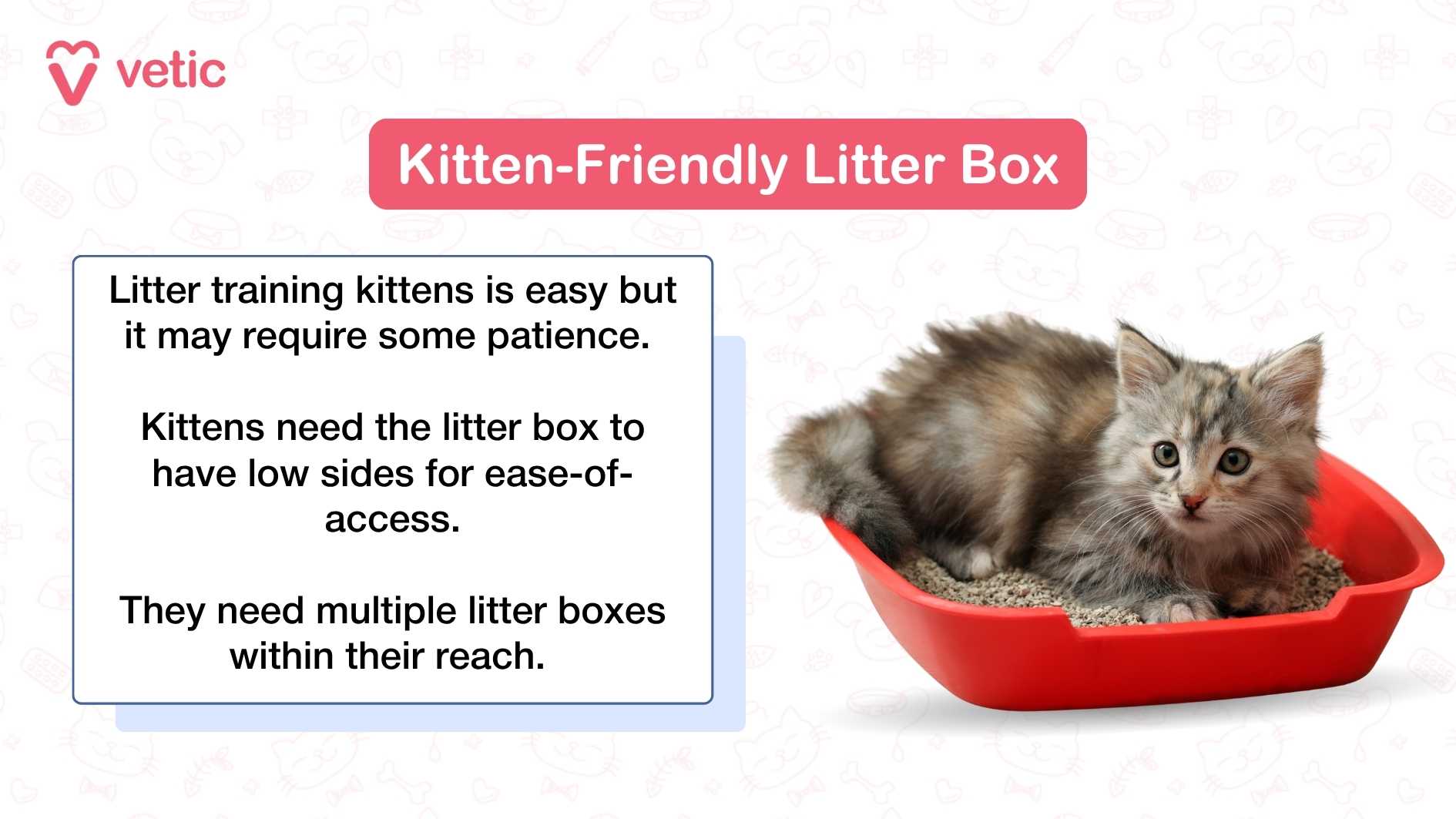
Your cat needs enough space to turn around easily inside the litter box. A box that’s too small can make them uncomfortable and deter them from using it. If your cat is still a kitten, choose a smaller box, but be ready to upgrade as they grow.
Some cats prefer a rectangular box, while others like square or oval shapes. Watch how your cat moves and chooses to use the box. Your observations can guide you to the best shape that suits their style.
Covered Vs Open Boxes
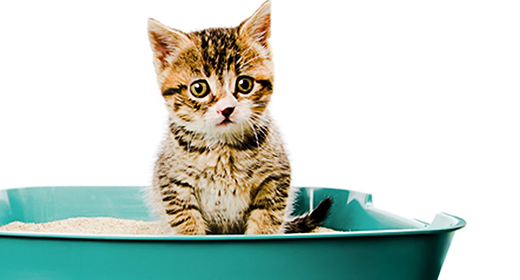
Some cats like the privacy of a covered litter box, while others feel trapped or wary inside one. A covered box helps contain odors and litter scatter but can also trap smells inside, which some cats dislike.
Try offering an open box first to see if your cat feels comfortable. If your cat is shy or easily startled, a covered box might provide a sense of security. Pay attention to your cat’s behavior—if they avoid the box or seem hesitant, try switching the style.
Number Of Boxes Needed
How many litter boxes should you have? A good rule is one box per cat, plus one extra. This reduces competition and keeps your cat from feeling crowded or stressed.
If you have multiple rooms, place boxes in different quiet, accessible spots. Cats dislike walking far or going into noisy areas to do their business. Having options makes it easier for your cat to choose and stick to the litter box habit.
Selecting Suitable Litter
Choosing the right litter is key to training a cat to use the litter box. The litter type affects your cat’s comfort and willingness to use the box. Cats prefer a clean, soft, and odor-free surface to do their business. Selecting suitable litter helps keep the area tidy and reduces odors in your home.
Types Of Cat Litter
There are several types of cat litter available. Clay-based litter is popular and clumps easily for simple cleaning. Silica gel litter absorbs moisture and controls odor well. Natural litters, made from materials like corn, wood, or wheat, are eco-friendly and biodegradable. Choose the type that fits your cat’s needs and your cleaning routine.
Scented Vs Unscented
Scented litter masks odors with added fragrances. Some cats dislike strong smells and may avoid the box. Unscented litter provides a neutral smell and is often preferred by cats. It allows your cat to recognize their own scent. For training, unscented litter often works best to encourage consistent use.
Litter Depth Tips
Keep litter at the right depth for comfort and effectiveness. About 2 to 3 inches of litter is ideal. Too little litter can expose the box bottom, making it less inviting. Too much litter can cause tracking and waste. Regularly check and maintain litter depth to keep your cat happy and clean.
Preparing The Area
Setting up the right space for your cat’s litter box is key to successful training. Cats value comfort and privacy, so preparing the area thoughtfully can make all the difference. Before you place the litter box, consider the environment carefully to encourage your cat to use it consistently.
Quiet And Accessible Location
Choose a spot that’s calm and free from loud noises. Cats get startled easily, so avoid placing the litter box near appliances like washing machines or loud speakers.
At the same time, make sure the area is easy for your cat to reach at any time. If the box is tucked away in a hard-to-find corner, your cat might avoid it.
Avoiding High Traffic Spots
Cats prefer privacy when doing their business. Avoid busy areas such as near doorways, hallways, or places where people often gather.
Think about your cat’s daily paths and pick a quiet corner that’s not directly in the way. This helps reduce stress and encourages regular use of the litter box.
Keeping The Area Clean
Cleanliness matters more than you might expect. A dirty or smelly litter box will quickly turn your cat away.
Make cleaning easy by placing the box somewhere you can access regularly without disturbing your cat. Using a mat underneath can also help catch stray litter and keep the area tidy.

Credit: cats-magazine.com
Introducing Your Cat To The Litter Box
Introducing your cat to the litter box is a crucial step in training that sets the foundation for good habits. It’s about making the litter box feel like a natural and inviting place for your cat. This process requires patience and attention to your cat’s behavior and preferences.
Initial Placement Strategies
Choose a quiet, low-traffic area for the litter box. Cats prefer privacy but not isolation, so avoid placing it near their food or water bowls. If you have a multi-level home, consider putting a box on each floor to make access easy.
Think about your cat’s natural paths around the house. Have you noticed where they tend to hide or rest? Placing the litter box nearby can encourage quick discovery and use.
Encouraging Exploration
Let your cat explore the litter box at their own pace. Gently place them inside after meals or naps to create a routine. Avoid forcing or punishing; instead, allow curiosity to lead the way.
You might try sprinkling some of your cat’s waste in the box. This scent marker helps them recognize the box’s purpose. Watching your cat investigate the litter box can give you clues about their comfort level.
Using Positive Reinforcement
Reward your cat immediately after they use the litter box with treats, affection, or playtime. Positive experiences build a strong connection between the behavior and the reward. Consistency here is key—do you have a favorite treat that your cat loves?
Keep the litter box clean to maintain your cat’s interest. A dirty box discourages use, no matter the training. Your cat’s willingness to use the box increases when the space feels fresh and inviting.
Handling Common Challenges
Training a cat to use a litter box can sometimes come with hurdles. These challenges might frustrate pet owners. Understanding common issues helps in handling them calmly and effectively.
Patience and consistency play key roles in overcoming problems. Each cat is unique and may need different approaches. Identifying the root cause of the issue aids in finding solutions.
Dealing With Accidents
Accidents happen. Clean the area thoroughly to remove odors. Cats often return to spots that smell like urine. Use enzymatic cleaners to break down the smell completely.
Do not punish your cat. It can create fear and worsen the problem. Instead, watch for signs your cat needs the box. Gently guide them to the litter box.
Place extra litter boxes around the house. It reduces the chance of accidents. Ensure boxes are always clean and accessible.
Addressing Avoidance Behavior
Some cats avoid the litter box due to discomfort or fear. Check the litter type and box size. Cats prefer unscented, soft litter and enough space to move.
Keep the box in a quiet, private location. Loud noises or busy areas can scare cats. Change the litter regularly to maintain freshness.
Observe your cat for health issues. Pain or infection may cause avoidance. Consult a vet if problems persist or new symptoms appear.
Managing Multi-cat Households
Multiple cats can cause litter box conflicts. Provide one box per cat plus one extra. This prevents overcrowding and competition.
Place litter boxes in different areas to reduce stress. Some cats prefer privacy. Others like open spaces.
Clean boxes frequently to keep all cats comfortable. Watch for bullying or guarding behaviors. Separate cats if necessary during training.
Credit: vetic.in
Maintaining Litter Box Habits
Keeping your cat’s litter box habits consistent is key to a happy home for both of you. Training doesn’t end once your cat uses the box correctly; it’s all about maintaining those good habits. Small changes in care can make a big difference in preventing accidents and ensuring your cat feels comfortable.
Regular Cleaning Routines
Cleaning the litter box daily helps keep odors down and encourages your cat to use it consistently. Scoop out waste at least once a day and change the litter completely once a week.
Use mild, unscented cleaners to avoid deterring your cat. Cats are sensitive to strong smells, and harsh chemicals might make them avoid the box altogether.
Monitoring Health Indicators
Your cat’s litter box behavior can reveal a lot about their health. Pay attention to changes like frequent urination, straining, or accidents outside the box.
These signs might mean your cat is uncomfortable or unwell. If you notice unusual patterns, don’t hesitate to consult your vet. Early detection can prevent serious problems.
Adjusting Setup As Needed
Sometimes your cat’s needs change, and your litter box setup should adapt too. If your cat is older or has mobility issues, a box with lower sides can make access easier.
Try different types of litter or box locations if your cat seems hesitant. Have you noticed your cat avoiding the box? Changing the setup could be the simple fix you need.
Credit: www.iams-india.com
Frequently Asked Questions
How Long Does Litter Training A Cat Usually Take?
Litter training a cat typically takes one to two weeks. Consistency and patience speed up the process. Young kittens may learn faster than adult cats.
What Type Of Litter Box Is Best For Cats?
A shallow, easy-to-access litter box works best. It should be large enough for the cat to turn comfortably. Covered boxes can trap odor but may deter some cats.
How Often Should I Clean The Litter Box?
Clean the litter box daily by scooping waste. Full litter should be replaced weekly. Regular cleaning prevents odor and encourages consistent use.
Can I Train An Adult Cat To Use The Litter Box?
Yes, adult cats can learn litter box habits. Use patience, positive reinforcement, and a quiet, accessible box. Avoid punishment to prevent stress.
Conclusion
Training a cat to use the litter box takes time and patience. Start with a clean, quiet spot for the box. Show your cat where it is and keep the area tidy. Praise your cat when it uses the box correctly.
Watch for signs your cat needs to go. Stay calm if accidents happen. Consistency helps your cat learn faster. Soon, your cat will use the litter box every time. Enjoy a cleaner home and a happy pet. Simple steps make training easier for both of you.
