


Have you ever wished your cat could enjoy the outdoors safely by your side? Teaching your cat to walk with a leash isn’t just possible—it can be a fun way to bond and explore together.
But where do you start? This guide will show you simple, step-by-step tips to help your furry friend feel comfortable and confident on a leash. Keep reading, and soon you’ll both be enjoying fresh air and new adventures—without the stress.
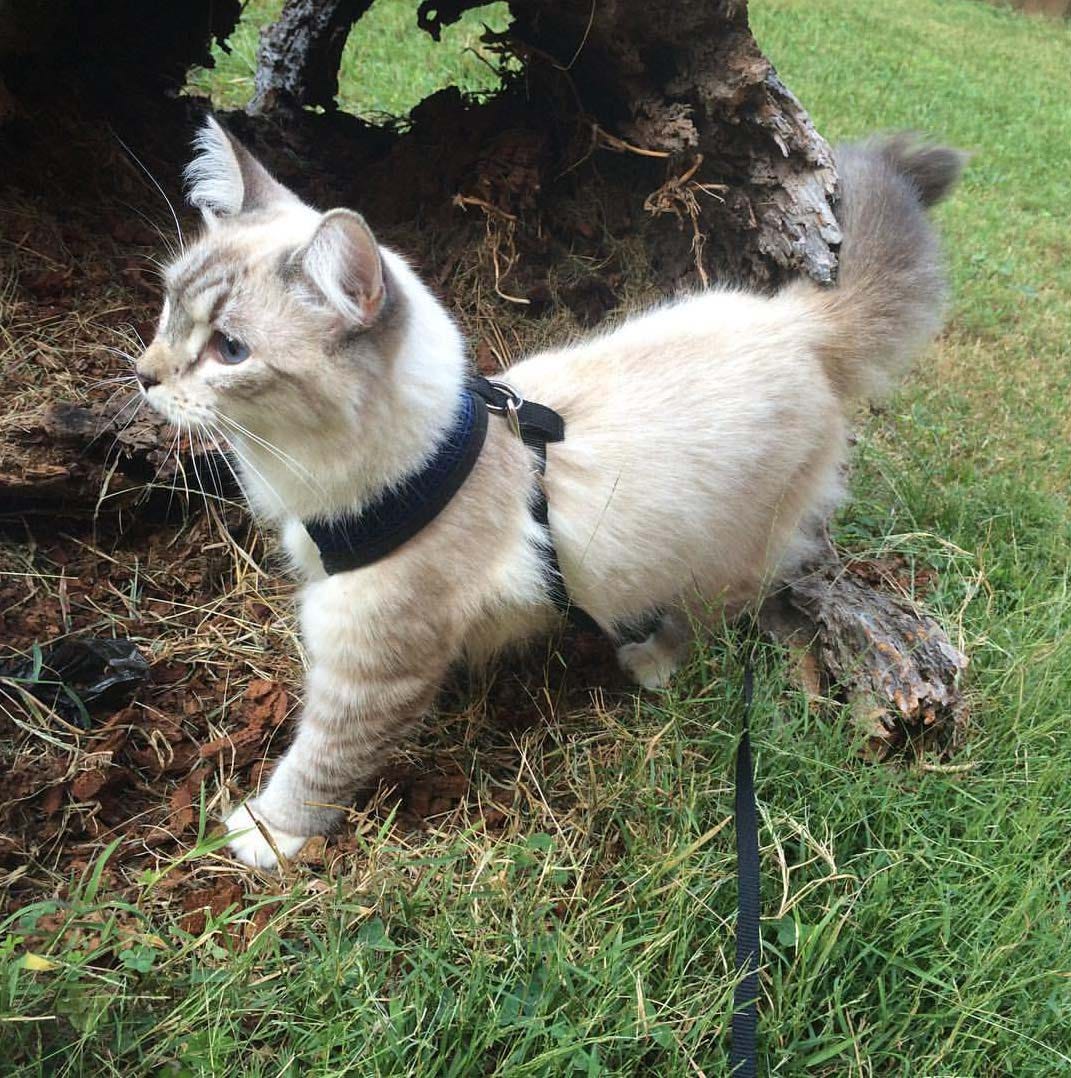
Credit: medium.com
Choosing The Right Harness
Choosing the right harness is crucial for training your cat to walk on a leash. A well-fitted harness keeps your cat safe and comfortable. It also helps your cat feel secure and less stressed during walks. Picking the wrong harness can cause discomfort or allow your cat to escape.
Types Of Cat Harnesses
- Vest Harness:Covers the chest and back, offering good support.
- H-Style Harness:Simple design with straps around the neck and chest.
- Figure-8 Harness:Loops around the neck and torso in a figure-8 shape.
Vest harnesses are best for shy or small cats. H-style harnesses are easy to put on but may feel less secure. Figure-8 harnesses fit well but require careful adjustment.
Measuring For A Perfect Fit
Measure your cat’s neck and chest size before buying a harness. Use a soft tape measure. Leave room for two fingers between the harness and skin. Too tight can hurt your cat. Too loose may let your cat slip out.
| Body Part | How to Measure |
|---|---|
| Neck | Measure around the base of the neck |
| Chest | Measure behind the front legs around the widest part |
Materials And Comfort
Choose harnesses made from soft, breathable materials. Nylon and mesh are popular choices. Avoid harnesses with rough seams or stiff plastic. Padding adds comfort and prevents chafing. Lightweight harnesses make walking easier for your cat.
Check for secure buckles and adjustable straps. These features help customize the fit. A comfortable harness encourages your cat to enjoy outdoor walks.
Introducing The Harness Indoors
Introducing a harness to your cat indoors is the crucial first step before venturing outside. It helps your cat feel safe and comfortable while wearing something new. This phase sets the foundation for leash training success and reduces stress for both you and your feline friend.
Getting Your Cat Used To The Harness
Start by leaving the harness near your cat’s favorite resting spots. Let your cat sniff and explore it without forcing anything. This gentle introduction helps your cat see the harness as a non-threatening object.
Once your cat shows curiosity, try gently placing the harness over their back for a few seconds. Remove it quickly if your cat becomes anxious. Gradually increase the time your cat wears the harness, paying close attention to their comfort level.
Positive Reinforcement Techniques
Use treats and praise to encourage your cat when they interact calmly with the harness. Reward every small step, like sniffing the harness or allowing you to put it on. This builds a positive association with the new experience.
Try pairing the harness with your cat’s favorite activities, such as playtime or petting sessions. This makes wearing the harness more appealing. Have you noticed how cats respond better when learning feels fun rather than forced?
Short Practice Sessions
Keep initial harness-wearing sessions brief—just a few minutes at a time. Slowly increase the duration as your cat becomes more comfortable. Always end sessions on a positive note to maintain enthusiasm.
Use these short sessions to observe how your cat moves and reacts. Adjust the fit of the harness if you see any signs of discomfort. Consistency and patience during these indoor sessions make outdoor leash walking smoother.
Attaching The Leash
Attaching the leash is a crucial moment in training your cat to walk outside. This step sets the tone for your cat’s comfort and willingness to explore. Getting it right can make your outings more enjoyable for both of you.
Selecting A Lightweight Leash
Your cat’s comfort depends heavily on the leash’s weight. Choose a leash that feels light and flexible, so it doesn’t pull or weigh down your cat’s movements. Thin nylon leashes or lightweight fabric options usually work best.
Think about the leash’s length too. A shorter leash offers more control, which is helpful during early training sessions. Avoid heavy metal chains or thick ropes that can feel cumbersome to a small, agile cat.
Leash Introduction Tips
Start by letting your cat wear the harness without the leash for short periods. This helps them get used to the feeling without added pressure. Once comfortable, gently attach the leash indoors and let your cat drag it around freely under supervision.
Watch how your cat reacts—are they curious or scared? If they freeze or try to remove the leash, pause and give them more time to adjust. You can also use treats to create positive associations with the leash.
Managing Initial Resistance
Resistance is normal; your cat may freeze, try to escape, or even refuse to move. Instead of forcing progress, stay calm and patient. Speak softly and encourage with treats or favorite toys.
If your cat pulls back, try gently guiding them forward without pulling hard on the leash. Short, slow steps can help build confidence. Have you noticed your cat’s unique way of expressing discomfort? Paying attention to those signals will guide you in making leash time a positive experience.
Credit: lifeandcats.com
First Outdoor Walks
Taking your cat outside on a leash for the first time can be exciting and nerve-wracking. The first outdoor walks set the tone for future adventures. It is important to make these initial trips positive and stress-free. Patience and gentle encouragement help your cat adjust to the new experience.
Choosing A Safe Environment
Pick a quiet, enclosed area for the first walks. Avoid places with loud noises or many people. A backyard or a small park works well. Look for soft grass or smooth paths. Keep away from busy streets and other animals. This helps your cat feel safe and comfortable.
Keeping Walks Short And Calm
Start with brief walks of five to ten minutes. Watch your cat’s body language closely. If your cat seems scared or tired, go back inside. Calm and slow movements help your cat relax. Use a soft voice to encourage your cat. Gradually increase walk time as your cat grows confident.
Handling Distractions
Outdoor environments have many distractions. Birds, cars, and people can catch your cat’s attention. Stay close and gently guide your cat’s focus back to you. Carry treats to reward calm behavior. Avoid pulling on the leash. Let your cat explore at its own pace but stay alert.
Training Techniques
Training your cat to walk on a leash requires a mix of gentle encouragement and clear communication. The techniques you use can make all the difference between a stressed feline and a curious explorer. Focus on creating positive experiences that build your cat’s confidence and trust.
Using Treats And Rewards
Treats are a powerful tool to motivate your cat during leash training. Offer small, tasty rewards when your cat allows the harness or leash, and again when they take a few steps. This helps your cat associate the leash with positive outcomes.
Try different types of treats to find what excites your cat most—some prefer crunchy bites, others love soft, savory morsels. Remember, timing matters: give the treat immediately after the desired behavior to reinforce it effectively.
Encouraging Exploration
Let your cat lead the way during initial walks. Allow them to stop, sniff, and inspect their surroundings at their own pace. This makes the experience less intimidating and more engaging.
Bring along a favorite toy or blanket to create a familiar environment in new places. Have you noticed how your cat’s curiosity spikes when they find something new to investigate? Use that to keep their interest alive.
Patience And Consistency
Training a cat to walk on a leash takes time—sometimes weeks or even months. Don’t rush the process; instead, keep sessions short and positive. Consistent daily practice helps your cat build confidence gradually.
Expect some setbacks and be ready to adapt your approach. How patient are you willing to be as your cat learns this new skill? Your calm persistence will encourage your cat to trust and enjoy their outdoor adventures.
Common Challenges
Training a cat to walk on a leash comes with its own set of challenges. Cats are naturally independent and cautious animals. Recognizing and handling common issues can make the experience smoother for both of you.
Fear And Anxiety Signs
Cats show fear in many ways. Watch for these signs:
- Ears flattened against the head
- Tail tucked close to the body
- Hiding or freezing in place
- Hissing or growling
- Rapid breathing or wide eyes
Noticing these early helps you calm your cat. Speak softly and use gentle movements to ease their anxiety.
Dealing With Pulling Or Resistance
Pulling or stiffening can mean your cat is uncomfortable. Avoid tugging on the leash. Instead, try:
- Stopping and letting your cat adjust
- Offering treats to encourage movement
- Changing direction to regain their interest
- Using a harness that fits well and feels safe
Patience is key. Let your cat set the pace and explore safely.
When To Take Breaks
Long sessions can tire or stress your cat. Signs it’s time for a break include:
- Resting or lying down frequently
- Sudden stops or refusal to move
- Excessive grooming or licking
- Increased vocalization or agitation
Pause the walk and let your cat relax indoors or in a safe space. Short, frequent walks work best for training success.
Safety Tips
Keeping your cat safe while walking on a leash is key to making the experience enjoyable for both of you. Paying attention to your surroundings and being prepared can prevent accidents and stress. Here are some practical safety tips to keep in mind before and during your outdoor adventures.
Avoiding Dangerous Areas
Choose quiet, low-traffic locations for your walks. Busy streets, places with heavy dog traffic, or areas near construction can scare your cat or put them in harm’s way.
Look for parks or calm residential streets where your cat can explore without feeling overwhelmed. Always scan the area for potential hazards like broken glass, sharp objects, or toxic plants before letting your cat roam.
Monitoring Weather Conditions
Your cat’s comfort depends a lot on the weather. Avoid walking during extreme heat or cold, as cats can get overheated or chilled quickly.
Check the forecast and plan walks during mild weather. If it’s too sunny, consider shaded routes to prevent sunburn or heatstroke, especially for cats with light-colored fur.
Emergency Preparedness
Always carry essentials like a small first-aid kit, water, and your cat’s favorite treats. Having a plan for emergencies, such as your cat slipping out of the harness, can save precious time.
Keep your phone handy and know the location of the nearest vet. Training your cat to come when called can be a lifesaver in tricky situations.

Credit: www.purina.com
Frequently Asked Questions
How Do I Start Leash Training My Cat?
Begin by introducing the harness indoors. Let your cat wear it for short periods. Reward calm behavior. Gradually attach the leash and follow your cat’s lead before venturing outside.
What Type Of Harness Suits Cats Best?
Choose a lightweight, secure harness designed for cats. Look for adjustable straps and soft material. Avoid collars as they can harm your cat during walks.
How Long Should Leash Training Sessions Last?
Keep initial sessions short, around 5 to 10 minutes. Increase duration gradually as your cat becomes more comfortable. Always end sessions positively with treats or play.
How Do I Handle My Cat’s Fear Outdoors?
Stay calm and patient. Choose quiet, safe areas for early walks. Use treats and gentle encouragement. Never force your cat outside if they resist.
Conclusion
Training your cat to walk on a leash takes time and patience. Start slow and keep sessions short. Use treats and praise to encourage good behavior. Watch your cat’s body language to avoid stress. Practice regularly to build trust and confidence.
Walking your cat can be fun and safe with proper training. Enjoy exploring the outdoors together, step by step. Remember, every cat learns at its own pace. Keep calm, be consistent, and celebrate small wins along the way. Your efforts will make outdoor walks a pleasant experience for both of you.
