

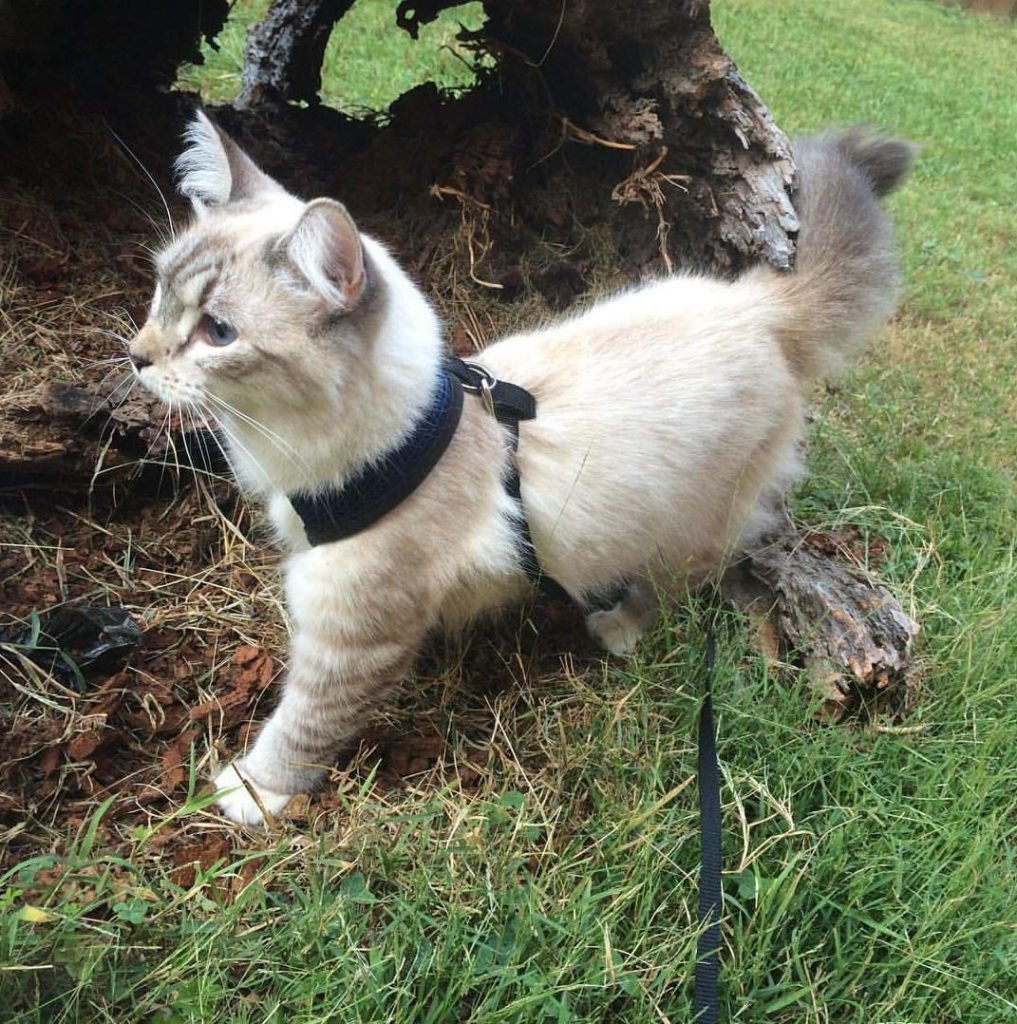
Have you ever wished you could take your cat outside without worrying about them running off? Teaching your cat to walk on a leash can open up a whole new world of safe adventures for both of you.
It might sound tricky, but with the right steps, patience, and a bit of practice, you can make it happen. In this guide, you’ll discover simple and effective ways to train your cat to walk on a leash, turning your furry friend into a confident explorer.
Keep reading to learn how to start this fun and rewarding journey today!
Choose The Right Leash And Harness
Choosing the right leash and harness is key to a safe and pleasant walk for your cat. Cats have delicate bodies, so comfort and security matter most. Picking the right gear helps your cat feel calm and ready to explore. The harness must fit well without causing pain or slipping off. The leash should offer control without pulling too hard. Below, learn how to select the best harness and leash for your feline friend.
Selecting A Comfortable Harness
Comfort is the top priority for your cat’s harness. Look for soft, lightweight materials that do not irritate the skin. Adjustable straps help create a snug but gentle fit. Avoid harnesses that are too tight or loose to prevent escape or discomfort. A step-in or vest-style harness works well for most cats. It spreads pressure evenly and stops choking. Test the harness indoors first to check your cat’s reaction and adjust as needed.
Leash Types Suitable For Cats
Choose a leash designed for cats or small pets. Thin, lightweight leashes cause less strain on your cat’s neck and body. Nylon or soft fabric leashes are good options. Avoid heavy chains or thick ropes that might be too heavy. A leash about 4 to 6 feet long offers enough freedom without losing control. A clip that easily attaches to the harness makes walking hassle-free. Consider a leash with a swivel clip to prevent tangling during walks.
Introduce The Harness Gradually
Introducing the harness to your cat is the first step in leash training. It helps your cat feel safe and comfortable. Patience is key. Let your cat explore the harness without pressure. This gentle approach builds trust and reduces stress.
Letting Your Cat Get Used To The Harness
Place the harness near your cat’s favorite resting spot. Allow your cat to sniff and touch it freely. Leave the harness out for several days. This makes the harness a normal object, not a threat.
Try gently petting your cat with the harness in hand. Offer treats to create a positive link. Avoid forcing the harness on your cat at this stage. Let your cat decide when to come closer.
Short Indoor Sessions
Once your cat is curious about the harness, try a short fitting. Secure the harness loosely without tightening it. Watch your cat’s reaction carefully. Keep sessions short, about 5 to 10 minutes.
Use treats and soft praise during these sessions. Remove the harness if your cat shows stress signs. Increase the time gradually over several days. This helps your cat adapt without fear.
Attach The Leash Indoors
Attaching the leash indoors is a crucial first step in training your cat to walk comfortably on a leash. It allows your cat to get used to the feeling without the distractions and unpredictability of the outside world. This controlled environment helps build trust and confidence, making the entire process smoother for both of you.
Allowing Movement With The Leash
Once the leash is attached, give your cat some freedom to move around indoors. Let your cat explore the space while wearing the leash, but stay close to provide reassurance. You might notice your cat acting a bit confused or hesitant—that’s normal.
Try to keep the leash loose rather than pulling or tightening it. This helps your cat associate the leash with freedom, not restriction. Have you ever noticed how cats react differently to new things when they feel safe? This step helps create that sense of safety.
Rewarding Calm Behavior
Reward your cat every time it remains calm while the leash is on. Use treats, gentle petting, or soothing words to reinforce positive behavior. Rewards encourage your cat to enjoy the experience and look forward to leash time.
If your cat starts to struggle or tries to remove the leash, pause and wait for calmness before rewarding. Patience is key here—forcing your cat too quickly can create negative associations. What small rewards do you think your cat would respond to best?

Credit: www.purina.com
Practice Walking Inside
Training your cat to walk on a leash starts comfortably inside your home. This controlled environment helps your cat get used to the harness and leash without distractions. It also builds your cat’s confidence and trust in the process before stepping outside.
Encouraging Your Cat To Follow
Begin by gently attaching the harness and letting your cat wear it for short periods. Watch how your cat reacts—some may freeze, others might try to wiggle free. Patience is key here; allow your cat to explore wearing the harness at their own pace.
Once your cat seems comfortable, hold the leash loosely and take a few steps backward. See if your cat follows you naturally. If they hesitate, try sitting on the floor and call them softly, encouraging them to come closer.
Remember, cats respond best when they feel safe. Keep your movements slow and your tone calm. Are you ready to turn your living room into a fun training ground?
Using Treats And Toys
Treats and toys are powerful tools to motivate your cat to move with you. Use small, tasty treats that your cat loves—something special they don’t get every day.
- Hold a treat slightly ahead of your cat to lure them forward.
- Reward your cat immediately when they take steps toward you.
- Incorporate a favorite toy, like a feather wand, to spark their playful side.
Try mixing treats and playtime to keep your cat engaged. This mix of rewards helps your cat associate walking on a leash with fun experiences. Have you noticed how a simple treat can change your cat’s attitude in seconds?
Start Outdoor Training
Starting outdoor training helps your cat adjust to new sights and sounds. It builds confidence and makes leash walks enjoyable. Choose the right moment and place to begin this exciting step.
Choosing A Safe Outdoor Space
Select a quiet, enclosed area free from loud noises and heavy traffic. A backyard or a small garden works well. Avoid places with dogs or lots of people. Check the ground for sharp objects or plants that may harm your cat. This space should feel calm and secure for your cat to explore.
Keeping Sessions Short And Positive
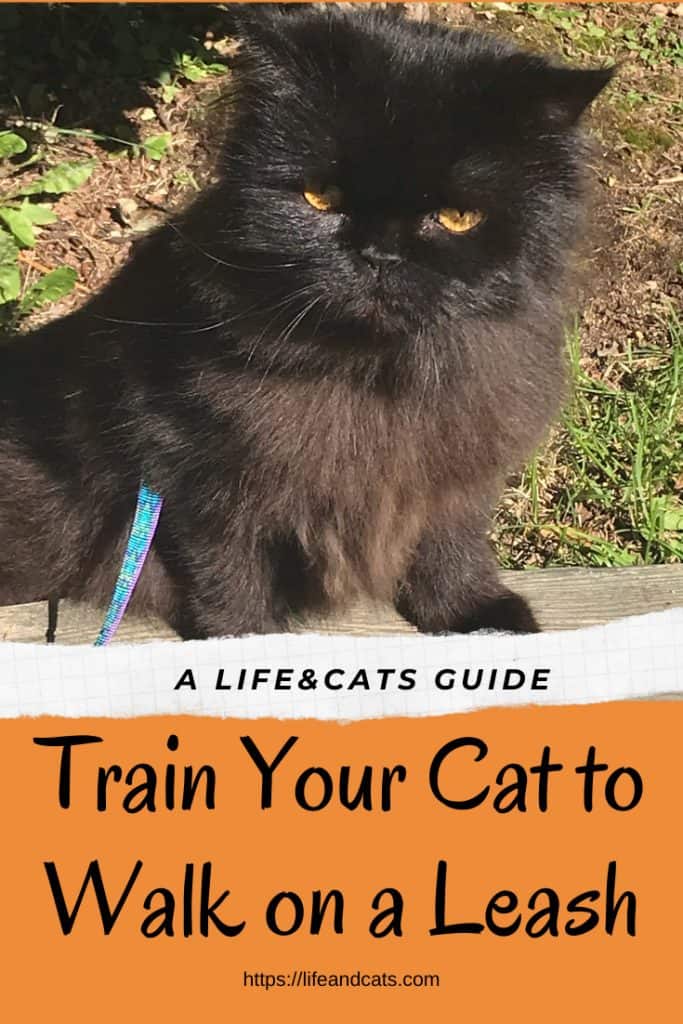
Limit outdoor training to five to ten minutes at first. Watch your cat’s behavior closely to spot any signs of stress. End sessions while your cat is still happy and curious. Use gentle praise and treats to create positive memories. Gradually increase time outside as your cat grows comfortable.
Credit: lifeandcats.com
Handle Common Challenges
Training your cat to walk on a leash can be a rewarding experience, but it often comes with its share of hurdles. Handling common challenges effectively can make a big difference in your cat’s comfort and progress. Let’s look at how to navigate fear, resistance, and distractions during leash training.
Dealing With Fear Or Resistance
Fear or resistance is normal when your cat first encounters a harness or leash. Start by letting your cat explore the harness indoors without trying to put it on right away. This builds familiarity and reduces anxiety.
If your cat freezes or tries to escape, don’t force it. Try using gentle praise and treats to create positive associations. You might say, “Look how brave you are!” while offering a favorite snack to encourage calm behavior.
Some cats need extra time to adjust. Watch for signs of stress like flattened ears or wide eyes, and take a break if needed. Patience here helps your cat feel safe and willing to try again.
Managing Distractions
Outdoor environments are full of distractions that can overwhelm your cat. Start leash training in a quiet, enclosed space to minimize sudden noises or movements. This controlled setting helps your cat focus on you instead of the surroundings.
As your cat grows more confident, gradually introduce new sights and sounds. Keep sessions short and rewarding to maintain interest. If your cat gets distracted, gently redirect attention with a soft voice or a treat.
Have you noticed your cat staring at birds or other animals? Use these moments to teach focus by calling your cat’s name and rewarding their attention. This simple exercise can improve leash walking in busy areas.
Tips For Successful Leash Training
Training a cat to walk on a leash can be a fun and rewarding experience. Success depends on gentle guidance and understanding your cat’s behavior. Small, steady steps build confidence and trust. Follow these tips to create a positive learning environment for your cat.
Consistency And Patience
Set a regular schedule for leash training sessions. Short, daily practice helps your cat adapt faster. Remain calm and patient during each session. Avoid rushing or forcing your cat to move. Praise your cat with soft words or treats for good behavior. Keep sessions brief to maintain your cat’s interest. Consistency builds routine and comfort over time.
Recognizing Your Cat’s Limits
Observe your cat’s body language closely. Signs of stress include flattened ears, tail flicking, or hiding. Stop training if your cat seems scared or tired. Let your cat take breaks and rest as needed. Respect your cat’s pace for walking and exploring. Avoid crowded or noisy places at first. Gradually increase the time and distance as your cat gains confidence.

Credit: threechattycats.com
Frequently Asked Questions
How Do I Start Leash Training My Cat?
Begin by introducing the harness indoors for short sessions. Let your cat wear it for a few minutes daily. Gradually attach the leash and let your cat drag it around. Reward with treats and praise to build positive associations.
What Type Of Harness Is Best For Cats?
Choose a lightweight, adjustable, and secure harness designed specifically for cats. Avoid collars as they can harm your cat. A vest-style or H-style harness offers comfort and control. Ensure a snug fit without restricting movement.
How Long Does Leash Training Take?
Training duration varies but typically takes 2 to 4 weeks. Patience and consistency are essential. Start with short indoor sessions, then move outdoors gradually. Each cat learns at its own pace, so adjust training accordingly.
Can All Cats Be Trained To Walk On A Leash?
Most cats can learn leash walking with patience. However, very shy or fearful cats might struggle. Consider your cat’s personality and stress levels. Gradual exposure and positive reinforcement improve success chances for most cats.
Conclusion
Training your cat to walk on a leash takes time and patience. Start slow and keep sessions short. Praise your cat often to build trust and confidence. Choose quiet places for first walks to avoid stress. Stay calm and let your cat explore safely.
Walking your cat can strengthen your bond and offer new fun. Enjoy the process and celebrate small successes along the way. With care, your cat can enjoy leash walks too. Keep practicing and be gentle at every step.
