

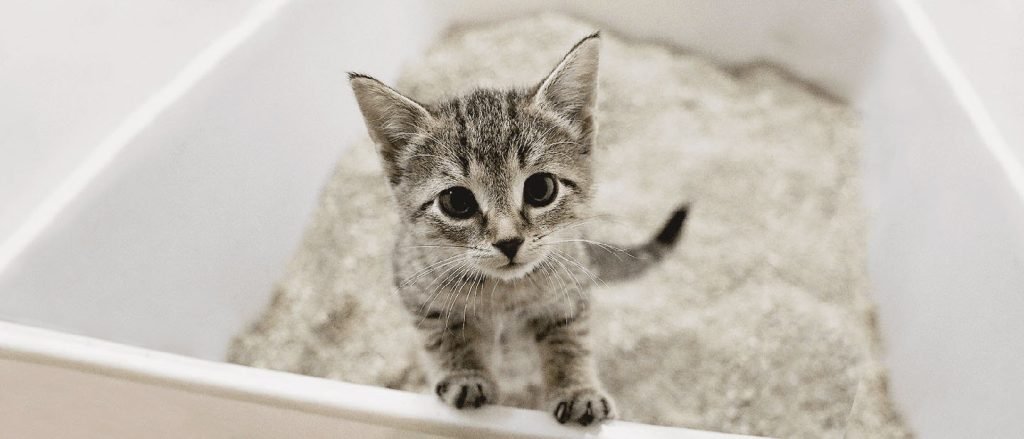
Getting your cat to use the litter box can sometimes feel like a challenge. If you’ve ever found yourself cleaning up messes or worrying about your furry friend’s bathroom habits, you’re not alone.
But here’s the good news: with the right approach, you can teach your cat to use the litter box consistently. Imagine a home free of surprises and stress, where your cat knows exactly where to go. You’ll discover simple, effective steps to make litter box training easy for both you and your cat.
Keep reading, and you’ll soon enjoy a cleaner, happier home.
Choosing The Right Litter Box
Choosing the right litter box is key to training your cat effectively. The box needs to fit your cat’s size and habits. It should feel comfortable and safe to encourage use. A good litter box reduces accidents and keeps your home clean. Consider several factors before making a choice.
Size And Type Options
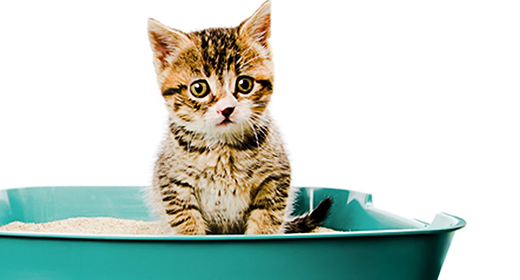
Choose a litter box large enough for your cat to turn around easily. Small boxes may cause discomfort or avoidance. There are open and covered types. Open boxes offer easy access and ventilation. Covered boxes provide privacy and reduce odor. Some cats prefer one type over the other. Try to match the box with your cat’s behavior and space available.
Placement Tips
Place the litter box in a quiet, low-traffic area. Avoid noisy or busy spots to keep your cat calm. Keep it away from food and water bowls. The location should be easy for your cat to reach. Make sure the area is well-ventilated to control odor. Try to have one box per cat, plus one extra if possible.
Litter Material Choices
Choose litter that clumps well to simplify cleaning. Unscented litter is best for sensitive noses. Avoid dusty litter that can irritate your cat’s lungs. There are clay, silica, and natural litter options. Natural litters like corn or wood are eco-friendly and gentle. Change litter regularly to keep your cat happy and healthy.
Credit: www.iams-india.com
Introducing Your Cat To The Box
Introducing your cat to the litter box sets the foundation for good bathroom habits. This step helps your cat feel safe and curious about the new environment. Patience and gentle guidance make the process smooth and stress-free.
Initial Exposure
Place the litter box in a quiet, easy-to-access spot. Avoid noisy or busy areas that might scare your cat. Let your cat see the box from a distance first. Allow your cat to approach and sniff the box at its own pace. Keep the box clean to attract your cat. Use unscented litter to avoid overwhelming scents. Show your cat the box after meals or naps, times when they usually need to go.
Encouraging Exploration
Encourage your cat to explore the litter box by gently placing them inside. Let your cat paw at the litter to feel its texture. Praise your cat softly to build positive feelings. Use toys near the box to spark interest. Avoid forcing your cat inside, which can cause fear. Regular visits to the box will build confidence. Watch your cat’s behavior and guide them back if they wander off too soon.
Establishing A Routine
Establishing a routine is key to helping your cat get comfortable with the litter box. Cats thrive on predictability, so setting consistent habits can reduce accidents and build good bathroom behavior. Let’s look at two important parts of this routine that you can control easily.
Consistent Feeding Times
Feeding your cat at the same times every day helps regulate their bathroom schedule. If you feed your cat in the morning and evening, they’re more likely to use the litter box shortly after. This makes it easier for you to guide and monitor their litter box habits.
Try not to leave food out all day. Instead, use scheduled meals to create a natural rhythm. Have you noticed your cat’s bathroom habits change when you switch feeding times?
Regular Cleaning Schedule
Your cat will avoid a dirty litter box, so clean it regularly. Scoop the box at least once a day to keep it fresh and inviting. A clean litter box encourages your cat to use it rather than searching for other spots.
Besides daily scooping, change the litter completely once a week. This prevents odors that can deter your cat. How often do you check your cat’s litter box? Setting reminders can help you stay consistent.
Credit: vetic.in
Handling Accidents
Accidents are common when training a cat to use the litter box. They can cause frustration but are part of the learning process. Handling these accidents calmly helps your cat learn better. Clean up quickly and avoid negative reactions. Guide your cat gently back to the litter box after an accident. This builds trust and encourages proper habits.
Cleaning Techniques
Use an enzymatic cleaner to remove odors completely. Regular cleaners may not remove the smell that attracts cats back. Clean the accident spot thoroughly to prevent repeat accidents. Avoid ammonia-based cleaners, as they smell like urine to cats. Wash any fabric or bedding that has been soiled. Dry the area well before allowing your cat near it again.
Avoiding Punishment
Never yell or hit your cat after an accident. Punishment creates fear and confusion. It can make your cat hide or avoid you. Instead, stay calm and patient. Positive reinforcement works better for training. Reward your cat when it uses the litter box correctly. This encourages good behavior and strengthens your bond.
Redirecting Behavior
After an accident, gently pick up your cat. Place it in the litter box right away. Show your cat where it should go. Give a soft voice cue or praise when it uses the box. Keep the litter box clean and easy to access. Add extra boxes if you have multiple cats. Change the litter regularly to keep it fresh.
Training Tips And Tricks
Training your cat to use the litter box can sometimes feel like a puzzle, but a few smart tips and tricks can make the process smoother. Understanding how your cat learns and responds will help you guide them effectively. Let’s dive into some practical ways to encourage good litter box habits.
Positive Reinforcement
Positive reinforcement is a powerful tool when training your cat. Instead of focusing on mistakes, reward the behavior you want to see. Cats respond well to encouragement, so giving them attention or a gentle pet after successful litter box use can make a big difference.
Think about the last time you celebrated a small win—your cat feels the same way. This builds a positive connection with the litter box, making your cat more likely to use it consistently.
Using Treats And Praise
Treats are not just tasty rewards but also great motivators. Whenever your cat uses the litter box, offer a small treat immediately. This links the good behavior with a positive outcome in your cat’s mind.
Combine treats with verbal praise like “Good job!” or “Well done!” Your tone matters—keep it cheerful and encouraging. Over time, your cat will associate the litter box with these positive experiences, making training faster and less stressful for both of you.
Monitoring Progress
Keeping track of your cat’s behavior helps you understand what’s working and what needs adjustment. Note the times your cat uses the litter box and any accidents that occur. This information can highlight patterns or triggers you might not notice otherwise.
If you spot setbacks, don’t panic. Adjust your approach by changing the litter type, cleaning schedule, or location of the box. Are you ready to observe closely and adapt as your cat learns? That flexibility is key to success.

Credit: smart.dhgate.com
Dealing With Common Challenges
Training your cat to use the litter box can sometimes bring unexpected hurdles. Understanding and addressing these common challenges early on can save you frustration and keep your cat comfortable. Let’s talk about how to handle these issues with practical tips that you can apply right away.
Reluctance To Use The Box
Sometimes, cats simply refuse to use the litter box. This reluctance might stem from fear or unfamiliarity with the box itself. You can encourage your cat by placing the box in a quiet, accessible spot and keeping it clean.
Try adding some of your cat’s favorite treats or toys near the box to create a positive association. Have you noticed if your cat avoids the box after a loud noise or a new environment? Observing these triggers can help you adjust the surroundings accordingly.
Litter Box Aversion
Litter box aversion often happens if the box isn’t meeting your cat’s needs. It could be the type of litter, the size of the box, or even the location. Cats prefer unscented, clumping litter and a spacious box that allows easy turning.
If your cat suddenly stops using the box, check for anything that might have changed. A dirty box or a new cleaning product could be a turn-off. Switching to a different litter or moving the box to a quieter area can make a big difference.
Health-related Issues
Sometimes, litter box problems are actually signs of health issues like urinary tract infections or digestive problems. If your cat suddenly stops using the box or has accidents, a vet visit is crucial. Ignoring these signs can lead to bigger health problems.
Look out for other symptoms like frequent licking, blood in the urine, or noticeable discomfort. Early diagnosis and treatment can get your cat back to normal quickly. Are you prepared to spot these warning signs and act fast?
Frequently Asked Questions
How Long Does Cat Litter Training Usually Take?
Cat litter training typically takes one to two weeks. Consistency and patience speed up the process. Every cat learns at its own pace.
What Type Of Litter Box Is Best For Kittens?
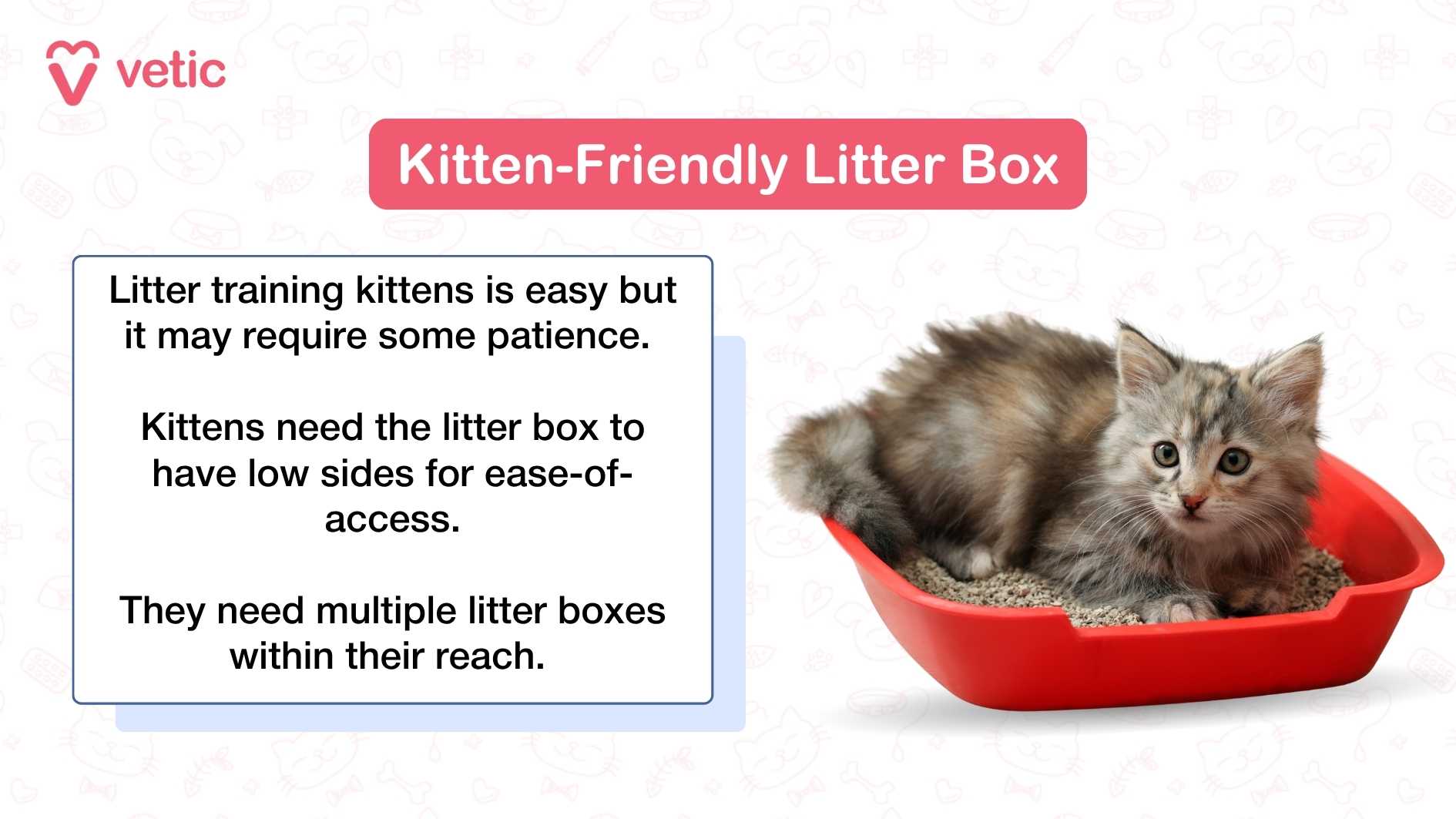
A shallow, easy-to-access litter box suits kittens best. Avoid covered boxes initially. This helps kittens enter and exit comfortably.
How Often Should I Clean The Litter Box?
Clean the litter box daily to prevent odors. Replace litter completely once a week. A clean box encourages regular use.
Can I Train An Adult Cat To Use The Litter Box?
Yes, adult cats can learn litter box habits. Use positive reinforcement and maintain a clean box. Patience is key for success.
Conclusion
Training your cat to use the litter box takes patience and time. Keep the box clean and in a quiet spot. Reward your cat with praise or treats for good behavior. Watch for signs your cat needs the box and guide gently.
Mistakes may happen, but stay calm and consistent. Soon, your cat will feel comfortable and use the litter box regularly. A happy cat means a happy home. Keep trying—you can do it!
