


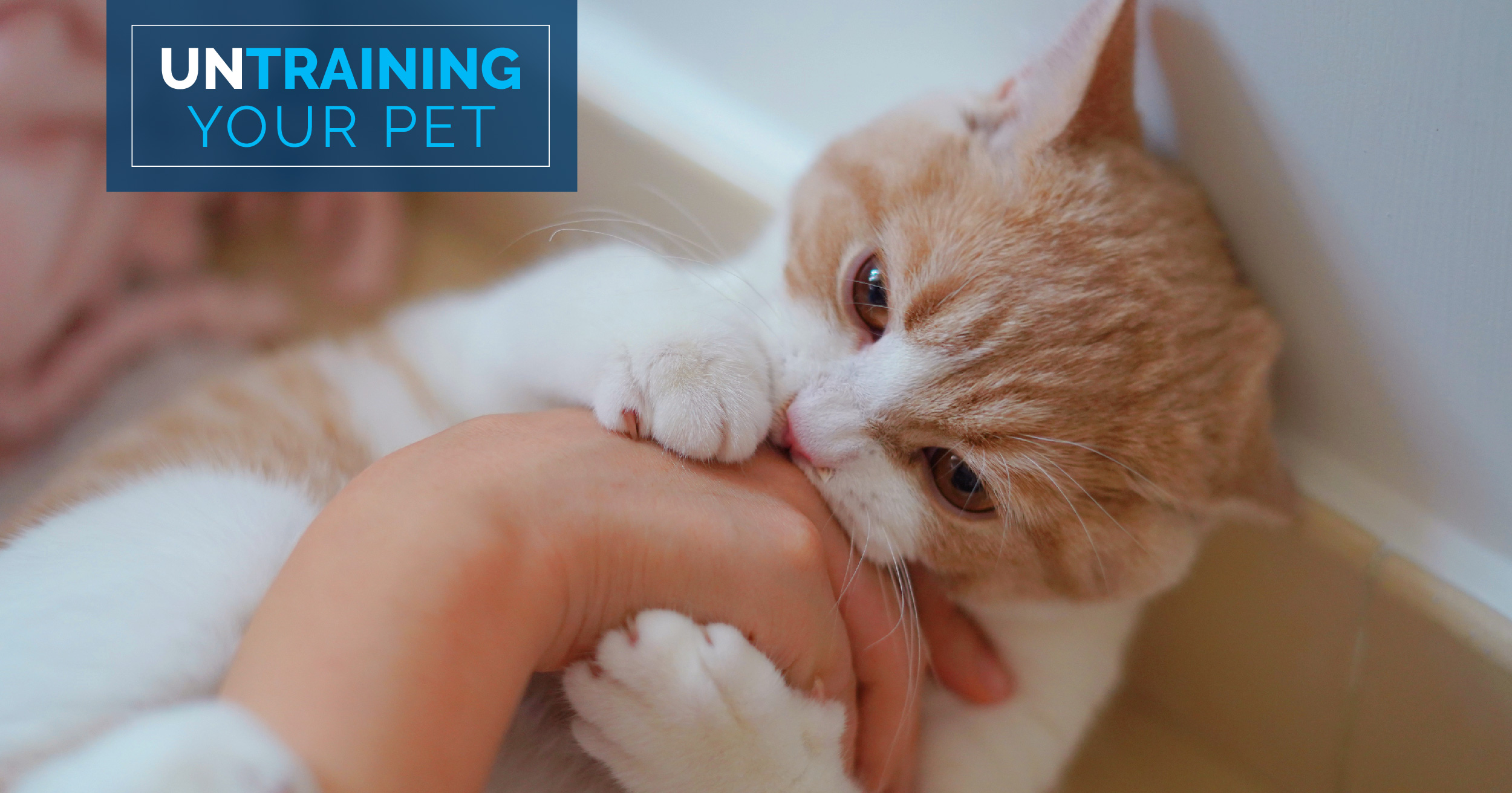
Does your cat bite when you least expect it? Whether it’s a playful nip or a sharp scratch, biting can quickly turn your cozy moments into stressful ones.
You want to enjoy your time with your furry friend without worrying about sudden bites. The good news is, you can train your cat to stop biting—and it’s easier than you might think. Keep reading, and you’ll discover simple, effective steps to help your cat become a gentler companion.
Your peace of mind and your cat’s happiness are just a few tips away.
Credit: www.diamondpet.com
Why Cats Bite
Cats bite for many reasons. Understanding why your cat bites helps you stop this behavior. Cats use biting as a way to communicate or react. Knowing these reasons can improve your bond.
Common Triggers
Cats often bite when they feel scared or threatened. Loud noises, sudden movements, or unfamiliar people can cause biting. Sometimes, cats bite during play because they get excited. Overstimulation from petting may also lead to biting.
Behavioral Reasons
Biting can be a sign of stress or anxiety. Cats use biting to set boundaries or say “stop.” Some cats bite to get attention or express frustration. It is part of their natural hunting and defense instincts.
Age And Biting
Kittens bite more as they learn about their world. They use biting to explore and practice hunting skills. Older cats may bite less but can bite if in pain. Understanding age helps you respond to biting correctly.
Signs Your Cat May Bite
Recognizing the signs your cat may bite is key to preventing painful encounters. Cats give clear signals before they snap, but these cues can be subtle if you don’t know what to look for. Paying attention to your cat’s behavior helps you step back before things escalate.
Body Language
Your cat’s body is a language all its own. Watch for a twitching tail tip or a sudden stiffening of the body—both often mean your cat feels threatened or overstimulated.
Ears pinned flat against the head or fur standing on end are stronger warnings. These signs show your cat is uncomfortable and might bite if you don’t give space.
Vocal Cues
Listen closely to the sounds your cat makes. Low growls, hisses, or sharp yowls usually signal irritation or fear.
Even a sudden, sharp meow can be a warning before a bite. If you hear these, consider stopping what you’re doing and giving your cat a break.
Situational Awareness
Think about where and when your cat tends to bite. Is it during play, petting, or while eating? Recognizing these triggers can help you avoid situations that provoke biting.
Your cat might bite if startled or if it feels cornered. Are you respecting your cat’s personal space, especially during rest or grooming? Noticing these moments can save you from painful surprises.
Preventing Biting Early
Preventing biting early is key to a happy relationship with your cat. Teaching good habits from the start helps your cat learn what is okay and what is not. Kittens are like sponges. They absorb behaviors quickly, so early training shapes their actions as adults.
Starting early also reduces stress for both you and your cat. It builds trust and makes playtime safe and fun. The following tips show how to prevent biting by guiding your cat gently but firmly.
Socializing Kittens
Socializing kittens helps them feel comfortable around people. Introduce your kitten to different people and gentle handling. Let them explore new sights and sounds in a calm way. This reduces fear and biting caused by stress.
Spend time holding and petting your kitten daily. Use soft voices and slow movements. Praise calm behavior with treats or gentle petting. The goal is to make your kitten feel safe and loved.
Safe Play Techniques
Play teaches kittens how to interact without biting. Use toys like feather wands or balls instead of your hands. This keeps your skin safe and stops the kitten from thinking hands are toys.
Watch your kitten’s body language. Stop play if they get too rough or bite hard. Offer a toy to redirect their energy. Regular play sessions help burn off excess energy and reduce biting urges.
Setting Boundaries
Clear boundaries teach your cat what behavior is okay. Say “no” firmly but calmly when your cat bites. Stop interacting for a moment to show biting ends the fun.
Use consistent signals so your cat understands. Avoid yelling or physical punishment, as this causes fear. Be patient. Cats learn best with gentle, steady guidance.

Credit: www.youtube.com
Training Techniques To Stop Biting
Training your cat not to bite takes patience and clear techniques. Cats bite for many reasons like play, fear, or stress. Using the right training methods helps reduce biting and builds trust. These techniques focus on encouraging good behavior and gently stopping bad habits.
Positive Reinforcement
Reward your cat when it behaves well. Use treats or gentle petting as a reward. Praise your cat with a calm voice. This teaches the cat that good behavior brings rewards. Avoid punishment, as it can make biting worse. Consistent rewards help your cat learn faster.
Redirection Methods
Offer toys to distract your cat from biting. Use a toy to replace your hand during playtime. This teaches your cat what is okay to bite. Avoid using your fingers as toys. Try interactive toys like wand teasers or balls. Redirection keeps play fun and safe for both of you.
Consistent Responses
Respond the same way each time your cat bites. Use a firm “no” or a soft hiss sound. Stop play immediately to show biting ends fun. Consistency helps your cat understand biting is not allowed. All family members should use the same rules. This avoids confusing your cat and speeds up training.
Handling Biting During Play
Handling biting during play is a crucial part of training your cat. Playtime should be fun and safe for both of you, but biting can quickly turn it stressful. Understanding how to manage this behavior helps build trust and keeps your cat engaged without causing harm.
Choosing Appropriate Toys
Use toys designed for cats that keep their teeth and claws away from your skin. Wand toys, feather teasers, and balls are great choices because they give your cat something to chase and bite instead of your hands.
Notice how your cat reacts to different toys. Some prefer soft plush toys to bite, while others like crinkly or noisy ones. Switching toys often can keep their interest high and reduce biting out of boredom.
Avoiding Hands As Toys
It’s tempting to use your hands to play, but this encourages biting. If your cat starts biting your fingers, stop the play immediately. This teaches them that biting stops the fun.
Try to redirect their attention to a toy before they bite. You could dangle a string or toss a small ball to keep their focus away from your skin. Have you noticed how quickly cats learn what is off-limits when you stay consistent?
Calming Exercises
After energetic play, your cat might need calming down to reduce biting impulses. Gentle petting or soft brushing can help your cat relax and feel secure.
Try slow blinking at your cat or speaking softly to soothe them. These simple actions show your cat that calmness is a positive state, reducing their urge to bite when excited.

Credit: www.outdoorbengal.com
Dealing With Aggressive Biting
Aggressive biting in cats can be alarming and painful. It often signals fear, stress, or overstimulation. Handling this behavior with care is important to keep both you and your cat safe. Patience and understanding help reduce biting over time. Recognizing the root cause guides the right approach for change.
Recognizing Aggression
Watch your cat’s body language closely. Signs of aggression include:
- Hissing or growling sounds
- Flattened ears
- Swishing or puffed-up tail
- Wide eyes with dilated pupils
- Stiff posture or sudden movements
These signals show your cat feels threatened or anxious. Avoid touching or playing roughly during these moments. Early recognition helps prevent bites before they happen.
Behavior Modification
Use gentle, consistent training to change biting habits. Try these steps:
- Redirect biting to toys instead of hands
- Stop play immediately if your cat bites
- Praise your cat for calm behavior
- Give short, calm play sessions
- Provide plenty of mental and physical stimulation
Stay calm and patient. Punishment can increase fear and aggression. Positive reinforcement builds trust and encourages better behavior.
When To Seek Professional Help
Persistent or severe biting needs expert advice. Contact a veterinarian or animal behaviorist if your cat:
- Bites aggressively without warning
- Shows sudden changes in behavior
- Has health issues that might cause pain
- Is difficult to manage during training
Professionals can identify underlying problems and offer tailored solutions. Early intervention improves outcomes and safety for everyone.
Maintaining Long-term Good Behavior
Maintaining long-term good behavior in your cat is essential to prevent biting from becoming a recurring problem. It requires ongoing attention to their physical and mental needs, as well as a stable environment. Let’s look at some practical ways to keep your cat calm and well-behaved over time.
Regular Exercise
Keeping your cat active helps reduce excess energy that can lead to biting. Play with your cat daily using toys like feather wands or laser pointers to encourage healthy movement.
Try short, frequent play sessions instead of one long one. This keeps your cat engaged and less likely to become overstimulated or frustrated.
Have you noticed how a tired cat is usually a calmer cat? Regular exercise is your best tool to make sure your cat uses their energy in a positive way.
Mental Stimulation
Just like physical activity, your cat’s brain needs a workout. Puzzle feeders, treat-dispensing toys, and interactive games challenge their mind and reduce boredom.
Changing toys regularly can keep your cat interested and prevent destructive behavior. Even hiding treats around the house encourages natural hunting instincts.
Ask yourself: are you giving your cat enough mental challenges? A mentally stimulated cat is less likely to bite out of frustration or boredom.
Routine And Environment
Cats thrive on routine. Feeding, playtime, and quiet time should happen around the same hours each day. This consistency helps your cat feel safe and reduces stress.
Creating a calm environment with cozy resting spots and low noise can also prevent anxiety-driven biting. Avoid sudden changes that might unsettle your cat.
Think about your cat’s daily schedule—does it feel predictable? A stable routine can be the difference between a relaxed cat and one that lashes out.
Frequently Asked Questions
How Can I Stop My Cat From Biting During Play?
Use toys to redirect biting and avoid using hands. Praise gentle play and provide consistent boundaries. Time-outs help teach limits. Avoid encouraging aggressive behavior.
Why Does My Cat Suddenly Start Biting Me?
Cats bite due to overstimulation, fear, or pain. Understanding triggers like petting duration helps prevent bites. Watch body language and give breaks to reduce biting episodes.
What Are Safe Ways To Discourage Cat Biting?
Firmly say “no” and withdraw attention immediately. Use toys for play, not hands. Reward calm behavior with treats. Consistency helps cats learn biting is unacceptable.
Can Training Reduce Biting In Adult Cats?
Yes, with patience and consistency, adult cats can learn. Use positive reinforcement and avoid punishment. Gradual behavior modification helps reduce biting over time.
Conclusion
Training your cat not to bite takes patience and care. Stay calm and use gentle corrections. Always reward good behavior with treats or praise. Avoid rough play that may encourage biting. Remember, each cat learns at its own pace. Consistency helps your cat understand what is okay.
Enjoy the process and build trust with your pet. Soon, biting will become less frequent and your bond will grow stronger. Keep practicing daily for best results. Your cat can learn to be gentle and loving.
