

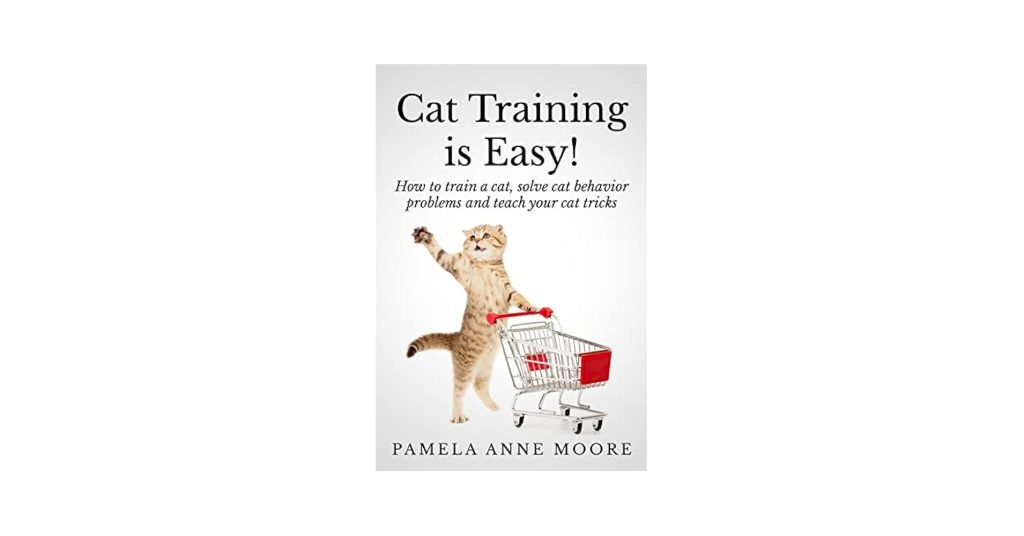
Training your cat might sound tricky, but it’s easier than you think. Imagine having a pet that listens, follows simple commands, and behaves well without stress.
You can make this a reality with the right approach. Whether you want to stop scratching, teach tricks, or simply build a stronger bond, this guide will show you how to train your cat step by step. Keep reading, and discover the secrets to turning your curious feline into a well-mannered companion.

Credit: www.amazon.com
Preparing For Training
Training a cat requires patience and good preparation. Setting the right foundation helps your cat learn faster. It also makes the process fun for both of you. Before starting, prepare the space, tools, and goals carefully. This helps avoid frustration and keeps your cat focused.
Choosing The Right Environment
Pick a quiet, calm place for training sessions. Avoid noisy or busy areas that can distract your cat. A small room with few hiding spots works well. Keep the environment clean and free from clutter. This helps your cat feel safe and comfortable.
Gathering Necessary Supplies
Prepare treats your cat loves as rewards. Use small, soft treats for quick eating. Have a clicker or a gentle sound maker ready. This helps mark good behavior clearly. Keep toys nearby for play breaks. Also, use a comfortable mat or blanket for your cat to sit on.
Setting Realistic Goals
Start with simple commands like “sit” or “come.” Break down complex tricks into small steps. Expect short sessions of 5 to 10 minutes each. Be patient and celebrate small successes. Adjust goals based on your cat’s mood and progress.
Basic Training Techniques
Training your cat might seem challenging, but mastering a few basic techniques can make the process smoother and more enjoyable for both of you. These methods focus on understanding your cat’s unique personality and using gentle approaches to encourage good behavior. Let’s break down some essential training practices that can help you build a strong bond with your feline friend.
Using Positive Reinforcement
Positive reinforcement means rewarding your cat when they do something right. This could be a treat, gentle petting, or verbal praise. I found that my cat responded best to small, tasty treats that she loved—this made her eager to repeat the behavior.
Try to reward immediately after the desired action. This helps your cat connect the reward with the behavior. Remember, punishment can frighten your cat and damage your relationship.
Timing And Consistency
Timing is crucial in training. Giving a reward or cue too late can confuse your cat about what they’re being rewarded for. I learned this the hard way when my cat didn’t respond well because I waited too long to offer treats.
Consistency means practicing the same commands and routines every day. Use the same words and gestures so your cat knows what to expect. Training sessions should be short but regular—around 5 to 10 minutes daily works best.
Reading Your Cat’s Body Language
Understanding your cat’s body language helps you know when they’re stressed, relaxed, or curious. Signs like tail flicks, ear positions, or pupil size can tell you a lot. For example, a twitching tail might mean your cat is irritated or overstimulated.
Pay attention to these signals to adjust your approach. If your cat looks away or hides, it’s a sign to pause and give them space. Training is more effective when you respect your cat’s mood and comfort level.
Teaching Essential Commands
Teaching your cat essential commands lays the foundation for a well-behaved and happy pet. These commands improve communication and build trust between you and your furry friend. With patience and consistent practice, your cat can learn to respond reliably, making daily life smoother for both of you.
Sit And Stay
Teaching your cat to sit and stay helps manage their behavior in various situations, such as during vet visits or when guests arrive. Start by holding a treat above your cat’s head and gently moving it backward; most cats naturally sit to follow the treat with their eyes.
Once your cat sits, say “sit” clearly and immediately reward them. To teach “stay,” use a hand signal like an open palm and slowly step back. Reward your cat only if they remain seated. Keep training sessions short and fun to maintain their interest.
Come When Called
Getting your cat to come when called is crucial for their safety, especially if they spend time outdoors. Use a consistent, pleasant tone and call your cat’s name followed by “come.” Reward them with treats or affection when they respond promptly.
Try calling your cat from different rooms or with distractions around. This builds a strong association between their name and positive outcomes. Avoid calling your cat for negative experiences like baths; you want them to view coming when called as a good thing.
Using A Litter Box
Most cats instinctively use a litter box, but training is still important to prevent accidents. Place the litter box in a quiet, accessible spot and show your cat where it is after meals or naps. Keep the box clean to encourage consistent use.
If accidents happen, gently place your cat in the litter box to remind them where to go. Use a litter type your cat prefers, and avoid strong scents that might deter them. Have you noticed how quickly your cat learns when you match their natural habits with clear guidance?
Addressing Common Behavior Issues
Training a cat often means addressing some common behavior issues. Cats use behaviors to communicate or react to their environment. Understanding and gently guiding these actions helps build a happy home for both you and your cat.
Stopping Scratching
Scratching is natural for cats. It helps them stretch and mark territory. To protect furniture:
- Provide scratching posts made of sisal or cardboard.
- Place posts near favorite scratching spots.
- Use catnip to attract cats to the posts.
- Trim your cat’s nails regularly to reduce damage.
- Gently redirect your cat to the posts when they scratch furniture.
Reducing Aggression
Aggression can come from fear, stress, or pain. Watch for triggers like loud noises or new people. To ease aggression:
- Create a calm, safe space for your cat.
- Use gentle, slow movements around your cat.
- Offer toys to distract and release energy.
- Never punish your cat; it can worsen aggression.
- Consult a vet if aggression continues or worsens.
Managing Excessive Meowing
Cats meow to get attention, express hunger, or stress. To reduce constant meowing:
- Feed your cat on a regular schedule.
- Spend quality playtime to meet social needs.
- Ignore meowing that seeks attention but offers no reward.
- Use calm voices to respond when needed.
- Check for health problems with your vet if meowing persists.
Advanced Training Tips
Advanced training takes your cat’s skills beyond basic commands. It strengthens your bond and sharpens their mind. Patience and consistency are key. Use positive rewards to keep training fun and effective.
Clicker Training
Clicker training uses a small device that makes a clicking sound. It marks the exact moment your cat does something right. Start by clicking and giving a treat together. This teaches your cat to link the click with a reward.
Use the clicker to guide your cat’s actions. Click when they perform the desired behavior. Repeat this until your cat understands what the click means. This method speeds up learning and builds clear communication.
Teaching Tricks
Tricks challenge your cat’s mind and improve focus. Start with simple tricks like “sit” or “high five.” Use treats and clicker sounds to reward success. Keep sessions short to avoid frustration.
Break tricks into small steps. Reward each step to help your cat progress. Celebrate every small win to keep motivation high. With practice, your cat can learn fun tricks that impress guests.
Using Target Training
Target training teaches your cat to touch an object with their nose or paw. Use a stick or your finger as the target. Reward your cat for touching the target gently.
This skill helps guide your cat in new actions. It can also improve their confidence. Use target training to teach tricks or direct your cat to specific spots. It makes training clear and interactive.

Credit: www.happypet.care
Maintaining Training Success
Maintaining training success with your cat takes patience and consistency. Training is not a one-time event. It requires regular attention to keep your cat sharp and willing. Keep the sessions fun and short to hold your cat’s interest. Consistency helps your cat learn faster and remember better.
Regular Practice Sessions
Practice training every day or several times a week. Short sessions of five to ten minutes work best. Cats have short attention spans and get bored quickly. Use the same commands and actions each time. This repetition helps your cat understand what you want. Avoid long sessions that tire your cat or cause frustration.
Rewarding Progress
Give your cat treats or praise for good behavior. Rewards motivate your cat to keep learning. Use small, tasty treats that your cat loves. Praise with a gentle voice and petting. Reward immediately after the desired action. This timing helps your cat connect the reward with the behavior. Celebrate small steps to encourage continued progress.
Adapting To Your Cat’s Needs
Every cat learns differently. Watch your cat’s reactions during training. Adjust the pace if your cat seems bored or stressed. Use different rewards if one type doesn’t work. Change the training environment to reduce distractions. Stay patient and flexible. Your cat will respond best when training fits their personality and mood.

Credit: www.youtube.com
Frequently Asked Questions
How Long Does It Take To Train A Cat?
Training a cat usually takes several weeks of consistent effort. Patience and daily practice improve results. Cats learn best with positive reinforcement and short sessions.
What Methods Work Best To Train A Cat?
Positive reinforcement with treats and praise works best. Avoid punishment as it can harm trust. Use clicker training or gentle commands for effective learning.
Can All Cats Be Trained Successfully?
Most cats can be trained, but results vary. Some cats are more responsive due to personality. Consistency and patience help even shy cats learn commands.
How Do I Stop My Cat From Scratching Furniture?
Provide scratching posts and reward their use. Use deterrents like double-sided tape on furniture. Trim your cat’s nails regularly to reduce damage.
Conclusion
Training your cat takes time and patience. Start with small steps and be consistent. Use treats and praise to encourage good behavior. Remember, every cat learns at its own pace. Enjoy the process and build trust with your pet. Training helps create a happy, well-behaved companion.
Keep sessions short and fun to hold your cat’s interest. With love and practice, your cat will learn new skills. Stay calm and positive throughout the journey. Training your cat can strengthen your bond and make life easier.
