

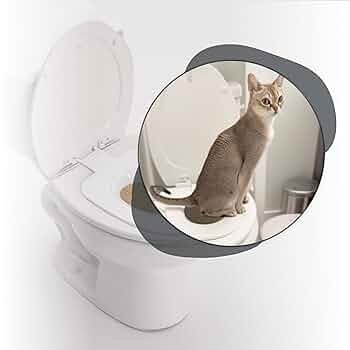
Imagine never having to scoop your cat’s litter box again. Sounds like a dream, right?
Training your cat to use the toilet can make your life cleaner, easier, and even save you money on litter. But how do you get your furry friend to make this big change? If you’re ready to discover simple, step-by-step tips that anyone can follow, keep reading.
By the end, you’ll know exactly how to guide your cat toward this impressive new habit—without stress for you or your pet. Let’s dive in!
Benefits Of Toilet Training Cats
Training your cat to use the toilet can feel like a big task, but the benefits make it worth considering. Not only does it reduce the hassle of cleaning litter boxes, but it also improves hygiene in your home. Let’s look at some clear advantages that might change how you think about cat care.
Saves Time and EffortCleaning a litter box daily can take up valuable time you could spend on fun activities with your pet. Toilet training eliminates this chore entirely.
Without litter to scoop or change, you’ll save effort and avoid dealing with clumps or odors. Imagine how much easier your routine becomes when you don’t have to manage litter anymore.
Better for the EnvironmentUsing a toilet instead of disposable litter cuts down on waste significantly. Litter bags and used litter contribute to landfill overflow.
Switching to toilet use reduces plastic waste and litter production. If you care about your ecological pawprint, this is a practical step you can take.
Improved Home CleanlinessLitter boxes often scatter litter around the floor and can attract unwanted smells. Toilet training helps keep your floors and air fresher.
Without litter tracked across your home, cleaning becomes simpler and your living space feels tidier. You might even notice fewer dust particles in the air.
Encourages Mental Stimulation for Your CatTeaching your cat to use the toilet challenges their intelligence and adaptability. It’s a form of mental exercise that many cats enjoy.
Engaging your cat in this training can strengthen your bond and keep their minds sharp. Have you noticed how cats like puzzles? This is a similar kind of challenge for them.
Saves Money on Litter SuppliesLitter costs add up over time, especially if you have multiple cats. Toilet training reduces or eliminates this expense.
You’ll save money on litter, liners, and cleaning products. Think about what else you could invest in your cat’s happiness with those savings.
Essential Supplies For Training
Training a cat to use the toilet needs some special supplies. These tools help make the process smooth and safe for your pet. Having the right items ready is key to success and comfort.
Each supply has a role in guiding your cat step by step. Prepare everything before you start training to avoid delays and confusion.
Toilet Training Seat For Cats
A toilet training seat fits on top of your toilet bowl. It is designed to hold cat litter and keep your cat stable. This seat replaces the litter box and helps your cat get used to the toilet.
Cat-friendly Litter
Use a litter that your cat likes and feels comfortable with. Some litters are made to be flushable and safe for toilets. Avoid scented or dusty litter that might upset your cat.
Treats And Rewards
Treats motivate your cat to learn new habits. Use small, tasty rewards to encourage your cat after each successful attempt. Praise and petting also work well as positive reinforcement.
Cleaning Supplies
Keep cleaning items handy to maintain hygiene. Use mild, pet-safe cleaners to avoid strong smells. Regular cleaning helps prevent accidents and keeps your cat healthy.
Patience And Time
Though not a physical supply, patience is essential. Training takes time, so be calm and consistent. Give your cat breaks and avoid rushing the process.
Preparing Your Cat For The Change
Getting your cat ready to switch from a litter box to the toilet is a big change. It requires patience, understanding, and the right environment. Preparing your cat properly will make the transition smoother and less stressful for both of you.
Assessing Your Cat’s Readiness
Not all cats are ready to take this step at the same time. Watch your cat’s behavior closely. Are they comfortable around the current litter box? Do they have good balance and coordination?
Cats that are nervous or shy may need more time. Older cats or those with mobility issues might struggle with toilet training. Ask yourself: Is your cat curious and confident enough to try something new?
Observe how your cat reacts to water near their paws. Some cats dislike water, which could make toilet training difficult. If your cat shows signs of stress, give them more time before starting.
Creating A Comfortable Environment
The space around the toilet should feel safe and inviting. Make sure the bathroom is quiet and free from sudden noises or disturbances. Your cat should have easy access without obstacles.
Place the litter box next to the toilet at first to get your cat used to the new location. Gradually raise the box’s height using sturdy items like phone books or small boxes. This helps your cat adjust to the toilet’s height comfortably.
Keep the bathroom clean and the litter box fresh. Cats are very particular about cleanliness, and a dirty environment can cause them to avoid the area. Have you checked if the toilet seat is stable and easy for your cat to balance on?

Credit: www.youtube.com
Step-by-step Training Process
Training a cat to use the toilet takes patience and careful steps. The process should be slow and calm. Each stage helps your cat adjust to new habits. Watch your cat’s behavior and move forward only when they feel comfortable. This approach makes the transition easier and less stressful for both of you.
Introducing The Litter Box Near The Toilet
Start by placing your cat’s litter box next to the toilet. This helps your cat get used to the new location. Let your cat use the box as usual. Keep the area quiet and safe. Praise your cat for using the box near the toilet. This step may take several days.
Gradually Raising The Litter Box
Raise the litter box a little each day. Use sturdy objects like books or boxes. Aim to match the height of the toilet seat. This helps your cat learn to balance on higher surfaces. Keep the box stable to avoid accidents. Watch your cat carefully and slow down if needed.
Transitioning To A Training Seat
Replace the litter box with a special training seat. This seat fits over the toilet bowl. It holds some litter for your cat to use. Your cat will feel familiar with the litter. The seat teaches your cat to sit on the toilet. Let your cat explore and use the seat freely.
Removing The Litter Completely
Start reducing the amount of litter in the training seat. Gradually remove it until there is none left. This step teaches your cat to use the toilet without litter. Be patient and give your cat time to adjust. Clean the toilet regularly to keep it fresh and inviting.
Common Challenges And Solutions
Training your cat to use the toilet can be a rewarding experience, but it often comes with its own set of challenges. Understanding these common obstacles and having practical solutions ready can make the process smoother for both you and your feline friend. Let’s dive into some typical issues you might face and how to tackle them effectively.
Dealing With Resistance
Not every cat will immediately take to toilet training. Some may resist due to fear, confusion, or simply a preference for their litter box. Patience is key—try to stay calm and observe your cat’s behavior closely.
To reduce resistance:
- Gradually move the litter box closer to the bathroom over several days.
- Use positive reinforcement like treats or gentle praise when your cat shows interest in the toilet area.
- Make the toilet setup as comfortable as possible—avoid sudden changes.
If your cat refuses to approach the toilet, consider if the toilet seat feels unstable or noisy. Sometimes, adding a non-slip mat or adjusting the seat can help your cat feel safer.
Handling Accidents
Accidents are a normal part of training. Your cat might miss the toilet or revert to the litter box occasionally. Instead of getting frustrated, use accidents as learning moments.
What should you do when accidents happen?
- Clean the area thoroughly with an enzyme-based cleaner to remove odors and discourage repeat accidents.
- Never punish your cat; it can increase anxiety and resistance.
- Observe if accidents happen at specific times or situations—stress, illness, or changes in routine could be factors.
Ask yourself: could your cat be signaling discomfort or confusion? Adjust your training pace accordingly to avoid setbacks.
Maintaining Consistency
Consistency is the backbone of successful toilet training. Skipping sessions or changing routines can confuse your cat and slow progress.
Here’s how to keep things steady:
- Stick to a daily training schedule, even if progress seems slow.
- Ensure all family members follow the same steps and rules.
- Keep the toilet area clean and inviting, as hygiene is important to cats.
Have you noticed your cat responding better at certain times of day? Tailoring training sessions to their natural habits can boost success.
Maintaining Good Hygiene
Maintaining good hygiene is essential when training your cat to use the toilet. A clean environment helps prevent odors and keeps both your cat and your home healthy. It also encourages your cat to keep using the toilet consistently.
Cleaning The Toilet Area
Keep the toilet seat and surrounding area spotless. Use pet-safe cleaning products to avoid harmful chemicals that might upset your cat. Wipe down surfaces regularly to remove any residue or litter particles.
Consider rinsing the toilet bowl often to prevent buildup that could discourage your cat. Have a dedicated brush for cleaning the toilet to avoid mixing with other household tools. This helps maintain sanitary conditions and shows your cat the toilet is a clean, inviting spot.
Encouraging Healthy Habits
Watch your cat’s behavior closely to spot any signs of discomfort or hesitation. Praise your cat gently when it uses the toilet correctly to build positive associations. You might also reward with small treats or affection immediately after successful use.
Encourage your cat to wash its paws by gently wiping them with a damp cloth after toilet use. This keeps your cat comfortable and reduces mess around the house. Have you noticed how cats naturally keep themselves clean? Supporting this instinct makes toilet training smoother and more hygienic for everyone involved.
When Toilet Training May Not Be Suitable
Toilet training a cat is not always the best choice. Certain situations and cat characteristics can make this process difficult or stressful. Recognizing these signs early helps keep your cat happy and healthy.
Some cats do not adapt well to toilet training. It can cause anxiety or behavioral problems. Knowing when to avoid toilet training saves time and effort.
Young Kittens And Senior Cats
Kittens under four months lack full bladder control. They need a litter box for comfort and cleanliness. Older cats may have joint pain or arthritis. Sitting on a toilet can hurt them or cause accidents.
Cats With Medical Issues
Cats with urinary tract infections or kidney problems need special care. Toilet training might worsen their condition. It is better to use a litter box for easy access and cleanliness.
Cats With Behavioral Problems
Cats that show stress, aggression, or litter box avoidance often struggle with toilet training. Forcing this change can increase anxiety. A stable, familiar environment works best for these cats.
Multi-cat Households
Sharing a toilet can confuse or upset cats. Each cat needs its own space to feel safe. Multiple litter boxes are more practical and less stressful in these homes.

Credit: www.amazon.com

Credit: www.youtube.com
Frequently Asked Questions
How Long Does It Take To Train A Cat To Use The Toilet?
Training a cat to use the toilet typically takes 4 to 6 weeks. Consistency, patience, and gradual steps are key. Each cat learns at its own pace, so some may take longer. Regular positive reinforcement helps speed up the process.
What Supplies Are Needed For Toilet Training A Cat?
You need a special cat toilet training seat, flushable litter, and patience. Gradual introduction to the toilet area is essential. Avoid harsh cleaning chemicals to prevent discouraging your cat. Positive reinforcement tools like treats also help during training.
Can All Cats Learn To Use The Toilet?
Most cats can learn to use the toilet with proper training. However, some cats may resist due to personality or health issues. Kittens adapt faster than older cats. Always consider your cat’s comfort and consult a vet if needed.
What Are Common Mistakes In Toilet Training Cats?
Rushing the training process is a common mistake. Skipping gradual steps or using harsh reprimands can stress your cat. Not keeping the toilet clean discourages use. Consistency and positive reinforcement prevent setbacks and ensure successful training.
Conclusion
Training a cat to use the toilet takes time and patience. Small steps work best. Reward your cat often to encourage good behavior. Stay calm if accidents happen—they are normal. Watch your cat’s progress and adjust as needed. This method saves litter and keeps the home clean.
Enjoy the process and bond with your cat. With care, your cat can learn this new skill. Keep trying, and success will follow.
