


Have you ever wondered if your cat could enjoy the outdoors safely with you? Training your cat to walk on a leash might sound tricky, but it’s easier than you think.
Imagine the joy of exploring the world together, without worrying about your furry friend running off. In this guide, you’ll discover simple, step-by-step tips to help your cat get comfortable with a leash. By the end, you’ll feel confident taking your kitty on new adventures—bonding like never before.
Ready to make your cat’s outdoor time safe and fun? Let’s dive in!

Credit: threechattycats.com
Choosing The Right Leash And Harness
Choosing the right leash and harness is key to training your cat to walk outdoors. The right gear makes your cat feel safe and comfortable. It also helps you control your cat without causing stress. Cats have delicate bodies, so selecting proper equipment is very important. This section covers types of harnesses, leash comfort, and safety tips.
Types Of Harnesses For Cats
Cat harnesses come in several styles. Each style fits differently and offers various levels of security.
- H-Style Harness:Lightweight and simple, fits around the neck and chest.
- Vest Harness:Covers more body area and offers extra support.
- Figure-8 Harness:Adjustable and easy to put on, but less secure.
Choose a harness that fits snugly but does not restrict movement. Soft, padded materials help avoid chafing. Measure your cat’s neck and chest before buying.
Selecting A Comfortable Leash
Leash comfort matters as much as harness fit. A leash that is too heavy or stiff can bother your cat. Lightweight nylon or soft cotton leashes work well. Length should be between 4 to 6 feet. This length gives freedom to explore but keeps your cat close.
- Choose a leash with a secure clip that attaches firmly to the harness.
- A leash with a handle that fits your hand well helps control your cat.
- A reflective leash improves visibility during evening walks.
Safety Considerations
Safety is the top priority when walking your cat. Make sure the harness has strong stitching and secure fasteners. Check for any sharp edges or parts that may irritate your cat’s skin. Avoid harnesses that your cat can easily slip out of. Always supervise your cat during outdoor walks. Keep away from busy roads and aggressive animals. Regularly inspect the leash and harness for wear and tear. Replace any damaged gear immediately to prevent accidents.
Introducing The Harness To Your Cat
Introducing a harness to your cat is the first crucial step toward leash training. Cats are naturally cautious, so the process requires patience and gentle encouragement. Your goal is to make the harness feel like a normal part of their day, not a strange or scary object.
Familiarizing Your Cat With The Harness
Start by leaving the harness near your cat’s favorite resting spots. Let your cat sniff and explore it at their own pace. If they seem curious, reward them with treats or gentle petting.
Try placing the harness on the floor and encourage your cat to walk around it. This builds positive associations. Have you noticed how cats react differently to new objects? Use that observation to adjust your approach.
Positive Reinforcement Techniques
Once your cat is comfortable around the harness, gently touch it to their body without fastening it. Pair this with your cat’s favorite treats or playtime to create a positive connection.
Use calm, soothing words during these moments to keep your cat relaxed. Praise and rewards help your cat understand the harness isn’t a threat but something good. Could you use your cat’s favorite toy as a reward?
Short Wearing Sessions Indoors
After a few days of positive reinforcement, try putting the harness on your cat for just a few minutes inside your home. Observe their behavior carefully—if they seem stressed, remove the harness and try again later.
Gradually increase the time your cat wears the harness, always rewarding calm behavior. This helps your cat get used to the feeling without pressure. Have you thought about the best times of day for these sessions when your cat is most relaxed?
Getting Your Cat Used To The Leash
Getting your cat used to the leash is a crucial part of successful leash training. It takes patience and gentle encouragement to help your cat feel comfortable and safe. Starting slowly indoors allows your cat to adjust without overwhelming new experiences.
Attaching The Leash Indoors
Begin by letting your cat wear the harness without the leash for short periods. This helps your cat get used to the feeling of the harness itself. Once your cat accepts the harness calmly, gently attach the leash and let it drag behind as your cat explores.
Keep the environment calm and familiar. Avoid forcing the harness or leash on your cat, as this can create negative associations. Have treats or toys ready to reward your cat for staying relaxed.
Encouraging Movement With The Leash
After your cat is comfortable with the leash attached, encourage gentle movement by calling your cat or using toys. You can slowly pick up the leash and walk alongside your cat without pulling. Let your cat set the pace and direction to build trust.
Short sessions work best—stop before your cat shows signs of stress. Celebrate small victories, like a few steps forward. This positive reinforcement makes your cat more willing to try again.
Handling Resistance Calmly
Your cat might resist or freeze when first wearing the leash. Instead of pulling or forcing movement, stay calm and give your cat time to adjust. Speak softly and offer treats to ease tension.
Ask yourself: what is your cat trying to tell you through their body language? Respecting their limits helps prevent setbacks. Remember, patience is more effective than pressure.
First Outdoor Walks
Taking your cat outdoors on a leash can be an exciting adventure for both of you. However, the very first walks outside need careful planning to ensure your cat feels safe and curious, not scared or overwhelmed. Starting right sets the tone for future walks and helps build trust between you and your feline friend.
Choosing A Safe Outdoor Space
Pick a quiet area away from busy roads, loud noises, and crowds. A small backyard or a calm park corner works well for initial walks. Avoid places with lots of dogs or unfamiliar animals that might stress your cat.
Think about the ground too—soft grass is better than hard pavement because it’s gentler on your cat’s paws. Do you have a favorite spot that feels calm and safe? That’s probably a great place to start.
Keeping Walks Short And Enjoyable
Your cat’s first outdoor walks should last only a few minutes—around 5 to 10 minutes is plenty. Short walks help your cat get used to new sights and smells without feeling overwhelmed. If your cat seems interested, you can gradually add more time on future walks.
Watch for signs of stress like crouching, tail twitching, or trying to bolt. Ending the walk on a positive note keeps your cat eager for next time. Have treats ready to reward calm behavior and encourage exploration.
Observing Your Cat’s Behavior
Pay close attention to how your cat reacts to the environment. Does your cat pause often to sniff? Are the ears upright or pinned back? These clues tell you whether your cat is comfortable or anxious.
Some cats freeze or hide behind you when nervous. If that happens, give your cat space and try again another day. Remember, patience is key—your cat sets the pace, not you.
Building Confidence And Routine
Building confidence and routine is key to training your cat to walk on a leash. Cats need time to feel safe and comfortable outside. Establishing a steady routine helps them understand what to expect. Consistency reduces stress and builds trust between you and your cat.
Patience is important. Each cat learns at its own pace. Small, positive steps create a strong foundation for leash walking. This approach makes outings enjoyable for both of you.
Gradually Increasing Walk Duration
Start with short walks inside your home or yard. Let your cat explore while wearing the leash. Slowly add more time to these walks. Watch your cat’s reactions closely. Stop if your cat seems scared or tired. Increase walk length by a few minutes every day. This helps your cat get used to the leash without pressure.
Using Treats And Praise
Rewards help your cat feel good about walking. Use small, tasty treats during and after walks. Praise your cat with a calm voice. Give treats when your cat stays close or follows your lead. This teaches your cat that walking on a leash is a positive experience. Keep treats handy and use them often at first.
Dealing With Distractions
Outdoor environments have many distractions. Birds, noises, and other animals can startle your cat. Stay calm and focused. Gently guide your cat back to you if distracted. Use treats or toys to regain attention. Avoid busy places until your cat is confident. Gradually expose your cat to new sights and sounds. This builds resilience and helps your cat stay relaxed.

Credit: www.purina.com
Common Challenges And Solutions
Training your cat to walk on a leash comes with its fair share of hurdles. Understanding common challenges can help you stay patient and adapt your approach effectively. Let’s dive into some typical issues and practical ways to overcome them.
Cat Refusing To Move
Sometimes, your cat may freeze or simply refuse to walk once the leash is on. This resistance often stems from unfamiliarity or discomfort with the new experience.
Try encouraging movement by using treats or toys just out of reach. Avoid pulling or dragging your cat, as this can increase their reluctance. Instead, let your cat set the pace and celebrate small steps forward.
Harness Escape Attempts
Many cats quickly figure out how to slip out of their harness, which can be frustrating and unsafe. The key is ensuring the harness fits snugly but comfortably.
- Choose a harness designed specifically for cats with adjustable straps.
- Practice putting the harness on indoors several times before heading outside.
- Check for any loose parts or weak spots that your cat could exploit.
Be patient—some cats need multiple tries before accepting the harness as part of their routine.
Managing Fear And Anxiety
Fear can stop your cat from enjoying leash walks. Unfamiliar sounds, sights, or other animals might overwhelm them.
Start in quiet, safe environments like your backyard or a calm park area. Use gentle praise and rewards to build positive associations.
If your cat shows signs of stress, such as crouching or wide eyes, pause and give them time to relax. Could slowing down your pace help your cat feel more secure?
Maintaining Leash Training
Maintaining leash training keeps your cat comfortable and safe during walks. It helps build trust and good habits over time. Consistency and patience play key roles in this process. Regular attention ensures your cat enjoys the experience and remains obedient.
Regular Practice Sessions
Practice short walks daily to strengthen your cat’s leash skills. Keep sessions calm and positive. Use familiar, quiet areas to avoid stress. Gradually increase walk length as your cat grows more confident. Consistent practice helps your cat remember commands and leash behavior.
Adjusting Training As Needed
Watch your cat’s reactions and adjust accordingly. Slow down if your cat seems scared or tired. Change locations if your cat feels uneasy. Try different treats or toys to keep motivation high. Tailor training to your cat’s unique personality and pace.
Keeping Walks Fun
Make walks enjoyable by mixing exploration and play. Let your cat sniff around and discover new scents. Bring favorite toys or treats to reward good behavior. Celebrate small successes with praise and affection. Fun walks encourage your cat to stay curious and eager.
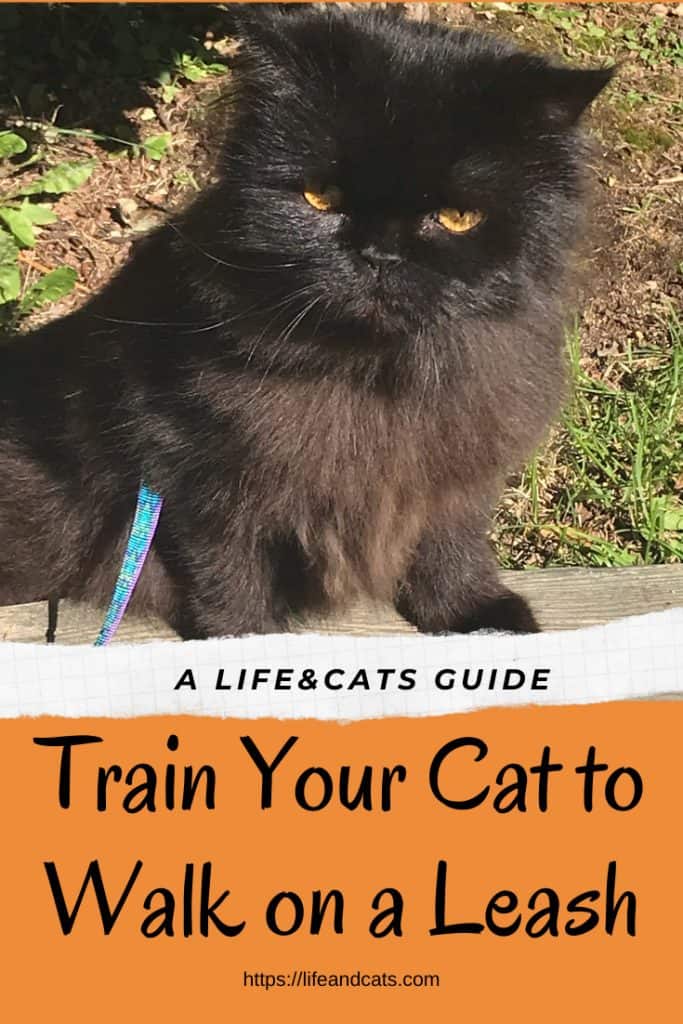
Credit: lifeandcats.com
Frequently Asked Questions
How Do I Start Leash Training My Cat?
Begin by letting your cat wear a harness indoors for short periods. Gradually attach the leash and follow your cat’s pace. Use treats and praise to encourage positive behavior during initial sessions.
What Type Of Harness Is Best For Cats?
Choose a lightweight, secure harness specifically designed for cats. It should fit snugly but comfortably, preventing escape. Avoid collar-only leashes as they can harm your cat’s neck.
How Long Should Each Leash Training Session Last?
Start with 5 to 10 minutes per session indoors. Slowly increase duration as your cat gets comfortable. Keep sessions short to avoid stressing your cat.
How Can I Make Leash Walking Enjoyable For My Cat?
Use treats, toys, and praise to create positive associations. Let your cat explore at its own pace in safe environments. Avoid loud noises or busy places initially.
Conclusion
Training your cat to walk on a leash takes time and patience. Start slow and keep sessions short and fun. Let your cat explore at its own pace. Use treats and gentle praise to encourage good behavior. Always watch your cat closely for signs of stress.
Walking a cat on a leash can be a great way to enjoy fresh air together. Stay calm and consistent in your training efforts. Soon, your cat may love outdoor adventures safely by your side. Keep trying, and enjoy the special bond you create.
