

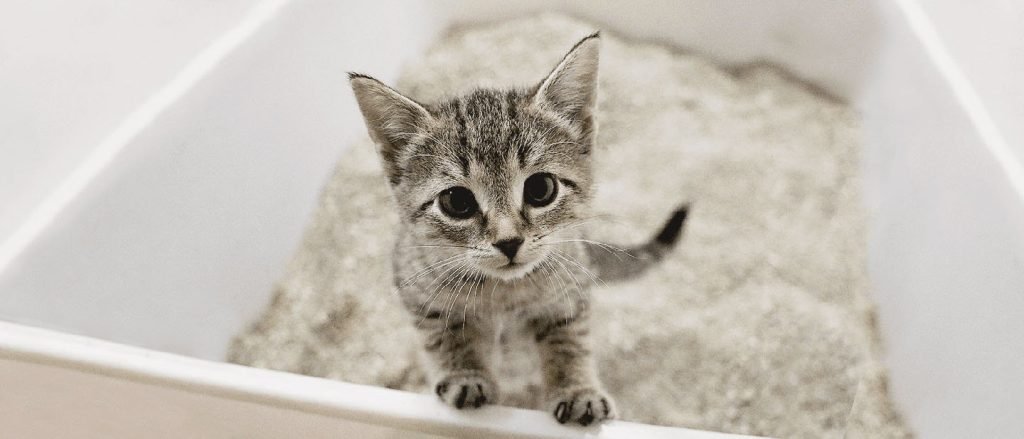
Getting your cat to use a litter tray might seem tricky, but it’s easier than you think. If you’ve ever faced the frustration of unexpected messes or wondered how to teach your furry friend good bathroom habits, you’re in the right place.
Imagine a clean home, less stress, and a happy cat who knows exactly where to go. You’ll discover simple, effective steps that anyone can follow to train their cat to use a litter tray with confidence. Ready to make your life easier and your cat’s routine smoother?
Let’s dive in!

Credit: www.youtube.com
Choosing The Right Litter Tray
Choosing the right litter tray is key to helping your cat learn good bathroom habits. The right tray makes the process easier and more comfortable for your pet. It can reduce accidents and keep your home clean. Pay close attention to size, material, and location for the best results.
Size And Type Matters
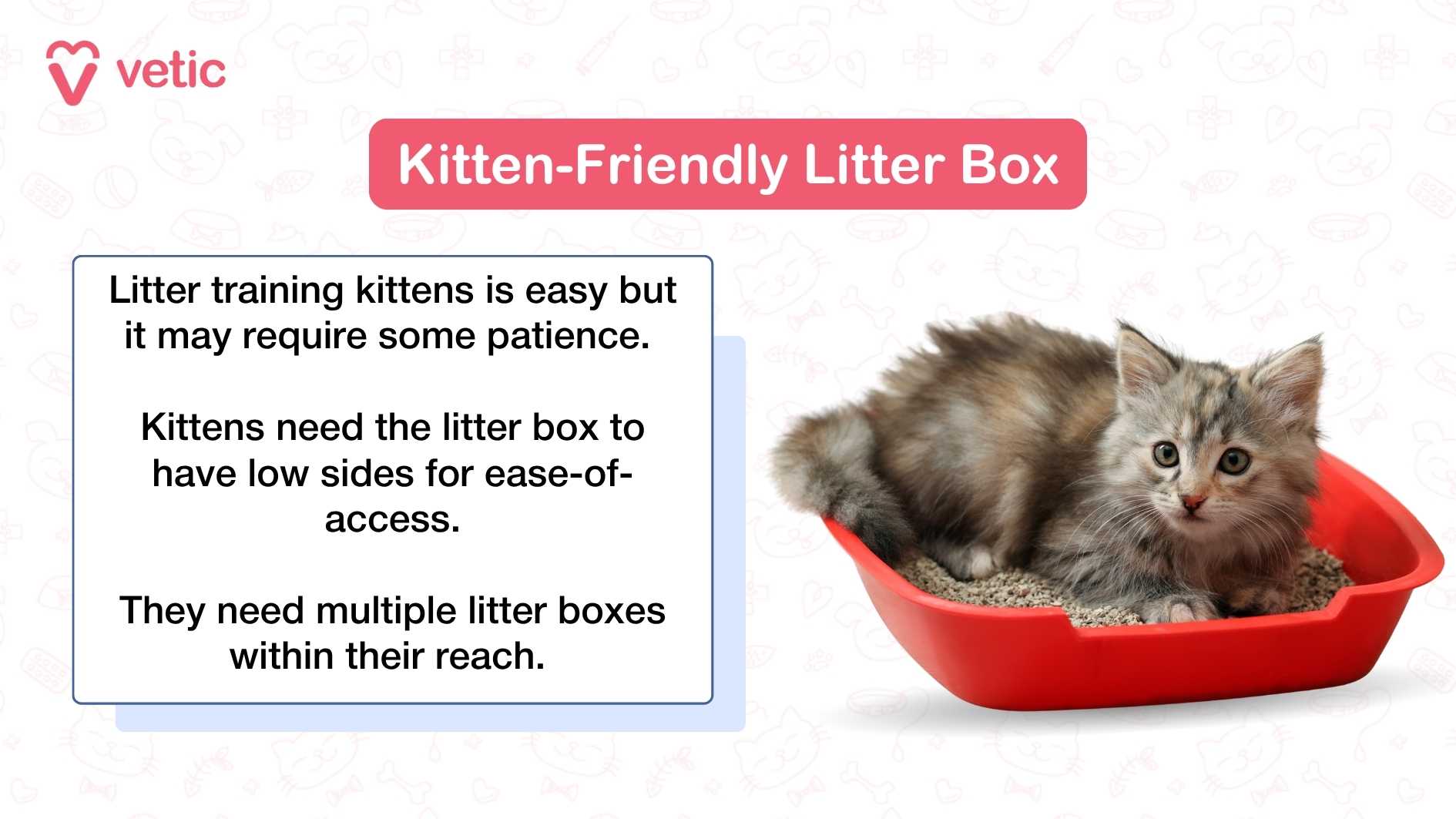
Pick a litter tray that fits your cat’s size. Small trays can feel cramped and discourage use. Larger trays give cats enough space to move and dig. Low-sided trays are easier for kittens and older cats to enter. Covered trays help control odor but some cats dislike the enclosed space. Observe your cat’s preference for open or covered trays.
Material And Design Choices
Choose trays made from durable, easy-to-clean materials like plastic. Avoid trays with rough edges that can hurt paws. Smooth surfaces help with quick cleaning. Some trays have non-slip bases to prevent sliding. Designs with high sides reduce litter scatter. Consider trays with a removable top for easy access and cleaning.
Location Tips For Success
Place the litter tray in a quiet, low-traffic area. Cats prefer privacy when using the tray. Avoid noisy spots near washing machines or busy hallways. Keep the tray away from their food and water bowls. Ensure the area is easy to reach for your cat. Consistent placement helps cats remember where to go.
Selecting The Best Litter
Choosing the right litter for your cat’s tray is more important than you might think. The best litter not only keeps your home fresh but also encourages your cat to consistently use the tray. Your cat’s comfort and your cleaning routine both depend on this choice.
Types Of Cat Litter
Cat litter comes in several varieties, each with its pros and cons. Clay-based litter is popular because it’s affordable and widely available. However, it can be dusty and heavy.
Natural litters made from materials like corn, wheat, or pine are biodegradable and less dusty. These options often appeal to environmentally conscious pet owners and cats sensitive to dust.
Crystal litter is another type that absorbs moisture well and controls odor but may not be suitable for all cats due to its texture.
Scented Vs Unscented
Scented litter might seem like a good choice to keep odors at bay, but many cats dislike strong fragrances. This can cause them to avoid the litter tray altogether.
Unscented litter is generally safer and more comfortable for your cat’s sensitive nose. It allows you to manage odors naturally by scooping regularly and using proper cleaning routines.
Have you noticed your cat turning away from a particular litter scent? That’s a strong sign to switch.
Clumping And Non-clumping Options
Clumping litter forms solid clumps when wet, making it easier to scoop out urine and keep the tray clean. This feature can save you time and reduce odors quickly.
Non-clumping litter absorbs moisture but doesn’t form clumps, so you need to replace the entire tray more often. Some cats prefer the texture of non-clumping litter, so observe your cat’s preference.
Which type fits your lifestyle better: quick spot cleaning or full litter changes? Your choice affects both your convenience and your cat’s satisfaction.
Introducing Your Cat To The Tray
Introducing your cat to the litter tray is the first step in training. It sets the stage for good habits. Cats need time and gentle guidance to accept this new routine.
Start by placing the litter tray in a quiet, accessible spot. Let your cat see and sniff it without pressure. This helps reduce fear and curiosity at the same time.
Timing And Patience
Timing is important. Show the tray after meals or naps when cats usually need to go. Be patient if they do not use it right away. Avoid rushing or punishing. Let your cat explore at their own pace.
Encouraging Exploration
Encourage your cat to explore the tray gently. Use soft voice and calm movements near the tray. You can place your cat in the tray after waking up or eating. Let them dig in the litter with their paws to get familiar.
Recognizing Natural Behavior
Watch for signs like sniffing, scratching, or circling. These show your cat needs the tray. Guide them to it calmly. Reward with gentle praise or petting when they use the tray correctly. Recognizing these signals helps prevent accidents.
Credit: vetic.in
Positive Reinforcement Techniques
Positive reinforcement techniques create a supportive and encouraging environment for your cat to learn how to use the litter tray. This approach focuses on rewarding good behavior rather than punishing mistakes, which helps build trust between you and your pet. Let’s dive into practical ways to apply positive reinforcement in your litter training journey.
Using Treats And Praise
Reward your cat immediately after it uses the litter tray correctly. Offering a small treat or gentle praise helps your cat connect the action with a positive outcome.
Choose treats your cat loves but use them sparingly to avoid overfeeding. Simple words like “good job” or soft petting work well as praise too.
Have you noticed how your cat’s tail twitches when happy? Use that moment to give a reward and reinforce the behavior. Consistent rewards build a strong habit.
Avoiding Punishment
Never punish your cat for accidents outside the litter tray. Cats don’t understand punishment the way humans do, and it can cause fear or anxiety.
Instead, calmly clean the area without making a fuss. Punishment can break the trust your cat has in you and slow down training progress.
Think about how you’d feel if you were scolded for a mistake you didn’t understand. Your cat feels the same way, so patience is crucial.
Consistency Is Key
Keep the location of the litter tray the same and maintain a regular cleaning schedule. Cats prefer a clean and predictable space to do their business.
Use the same commands or cues when encouraging your cat to use the tray. This clarity helps your cat understand what you expect.
Have you noticed how your cat reacts to changes in routine? Minimizing surprises makes training smoother and faster.
Troubleshooting Common Issues
Training cats to use a litter tray can sometimes lead to common challenges. These issues can disrupt the learning process and cause frustration for both pet and owner. Understanding these problems and knowing how to address them helps ensure smoother training.
Dealing With Accidents
Accidents are normal during litter training. Clean the area thoroughly to remove odors. Use an enzyme cleaner to stop cats from returning to the same spot. Avoid punishing your cat. It may cause fear or stress. Instead, guide your cat gently back to the litter tray. Place the cat in the tray after meals or naps. Reward good behavior with treats or praise. Keep the tray clean to encourage use.
Addressing Tray Aversion
Some cats avoid the litter tray due to discomfort or fear. Check if the tray is too small or has high sides. Change the litter type to something softer or unscented. Place the tray in a quiet, low-traffic area. Ensure the tray is easy to access. Avoid sudden changes in the tray location or litter brand. Observe your cat’s behavior for signs of stress. Patience and gentle encouragement help your cat feel safe.
Health Concerns Impacting Training
Health problems can cause litter training setbacks. Urinary tract infections or bladder pain make cats avoid the tray. Watch for signs like frequent urination or blood in urine. Consult a veterinarian if you notice unusual behavior. Chronic issues may require medical treatment. Keep training sessions short and stress-free during illness. A healthy cat learns litter habits more easily.
Maintaining Cleanliness And Hygiene
Maintaining cleanliness and hygiene in your cat’s litter tray is key to encouraging consistent use and preventing unpleasant odors. A clean tray helps your cat feel comfortable and reduces the risk of infections. Let’s look at simple ways to keep the litter area fresh and inviting for your furry friend.
Daily Cleaning Routines
Start by scooping out clumps and waste at least once a day. This quick task stops smells from building up and keeps the litter fresh. You might find it helpful to set a daily reminder—consistency makes a big difference.
Use a dedicated scoop and wear gloves if you prefer. Dispose of waste in a sealed bag to avoid lingering odors. Your cat will appreciate the clean space, and you’ll notice less tracking of litter outside the tray.
Deep Cleaning Tips
Every week, empty the entire litter tray and wash it with warm water and mild soap. Avoid strong-smelling cleaners that can deter your cat from using the tray. Rinse thoroughly to remove soap residue before adding new litter.
Consider using a vinegar solution for a natural deodorizer. A mix of equal parts water and white vinegar can help break down odors without harsh chemicals. Let the tray dry completely before refilling to prevent clumping issues.
Replacing Litter And Trays
Replace the litter regularly, even if you scoop daily. Depending on the type of litter you use, a full change every one to two weeks keeps the area fresh. Experiment with different litters if your cat seems picky or stops using the tray.
Inspect the tray itself for wear and tear. Scratches and cracks can harbor bacteria and smell over time. If your tray looks worn, it’s time to invest in a new one—your cat’s comfort and health depend on it.
Training Kittens Vs Adult Cats
Training cats to use a litter tray varies by age. Kittens learn faster and adapt quickly. Adult cats may take more time to adjust. Understanding these differences helps create a better training plan. Tailoring your approach to your cat’s age improves success.
Adjusting Techniques By Age
Kittens are curious and eager to explore. Show them the litter tray early. Place them in the tray after meals or naps. Use gentle guidance and praise. For adult cats, patience is key. They might need more time to accept the tray. Clean the tray often to encourage use. Avoid sudden changes to their routine.
Patience With Older Cats
Older cats may have habits set in place. Changing those habits takes gentle effort. Avoid punishment; it causes stress and confusion. Reward good behavior with treats or affection. Keep the tray in a quiet, easy-to-find spot. Monitor health issues that could affect litter use. Stay calm and consistent during training.
Encouraging Good Habits Early
Introduce the litter tray as soon as kittens arrive. Place the tray in a safe and quiet area. Show kittens how to dig and cover waste. Clean the tray regularly to keep it inviting. Praise kittens immediately after they use the tray. Early training builds strong, lasting habits. Prevents accidents and stress later on.

Credit: x.com
Frequently Asked Questions
How Long Does It Take To Train Cats To Use Litter Tray?
Training usually takes 1 to 2 weeks with consistent effort. Patience and positive reinforcement speed up the process. Every cat learns at its own pace, so adjust training accordingly.
What Type Of Litter Tray Is Best For Cats?
Choose a litter tray with low sides for easy access. It should be large enough for your cat to move comfortably. Covered trays help contain odor but may not suit all cats.
How Often Should I Clean The Cat’s Litter Tray?
Clean the litter tray daily to maintain hygiene and prevent odors. Replace litter completely once a week. Regular cleaning encourages cats to use the tray consistently.
Can Kittens Learn To Use A Litter Tray Easily?
Yes, kittens can learn quickly with proper guidance. Start training when they are about 3-4 weeks old. Use a shallow tray and place them in it after meals.
Conclusion
Training your cat to use a litter tray takes time and patience. Keep the tray clean and in a quiet place. Praise your cat when it uses the tray correctly. Watch for signs if your cat needs help or changes habits.
Consistency is key to successful training. Soon, your cat will enjoy a clean, comfortable space. This makes life easier for both of you. Trust the process and stay calm. Your cat will learn and feel happy.
