

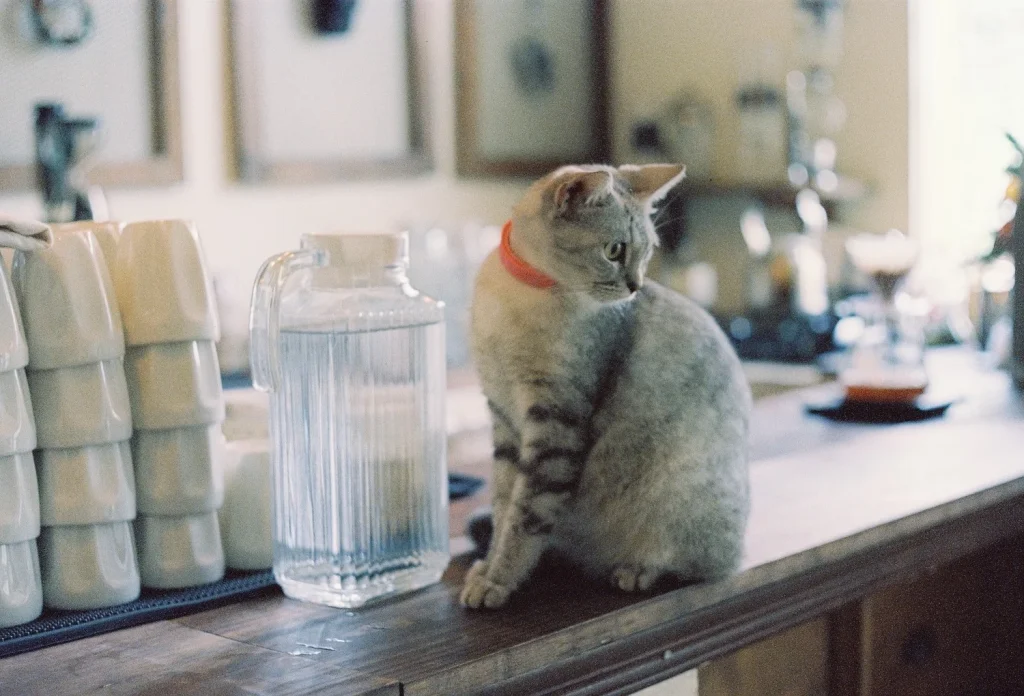
Are your countertops becoming your cat’s favorite hangout spot? You’re not alone.
Cats love to explore high places, but having them on your counters can lead to messes, broken items, and even safety risks. What if you could teach your furry friend to stay off those surfaces without stress or struggle? You’ll discover simple, effective ways to train your cat to keep their paws off your counters.
By the end, you’ll have the tools to create a happier home for both you and your cat. Keep reading—you won’t want to miss these easy tips!

Credit: www.amazon.com
Why Cats Jump On Counters
Cats often jump on counters for several natural reasons. Understanding these reasons helps in training them effectively. Counters offer a high place, making cats curious and comfortable. They also provide easy access to food and attention. Knowing why cats do this is the first step to keep them off counters.
Curiosity And Exploration
Cats are naturally curious animals. They love to explore new areas in their home. Counters are high places that give them a good view. This height helps cats feel safe and in control. Exploring counters satisfies their need to discover and observe.
Seeking Food And Attention
Counters often have food or crumbs left behind. Cats can smell food from far away. They jump up to find and eat these treats. Sometimes, cats want attention from their owners. Being on the counter puts them closer to people.
Comfort And Warmth
Counters can be warm, especially near appliances or sunlight. Cats love warm spots to rest and relax. The hard surface can also feel cool on hot days. Counters offer a comfortable place for a quick nap or watch.
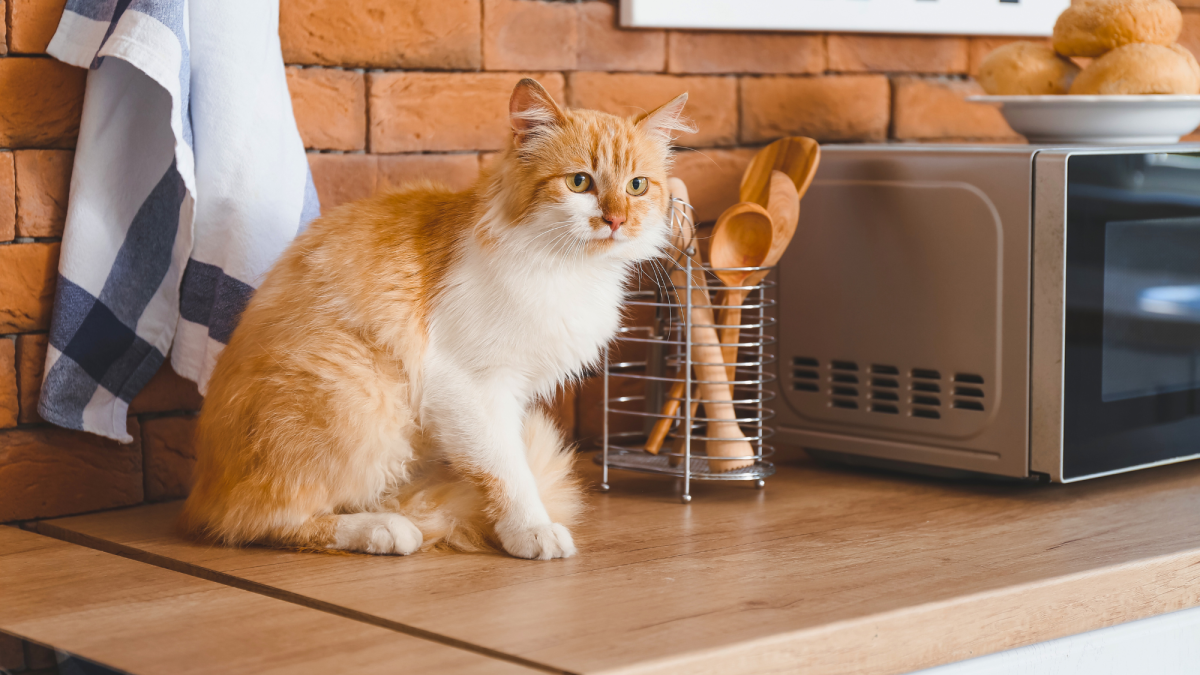
Credit: pethelpful.com
Setting Up Your Environment
Setting up your environment is a crucial first step in training your cat to stay off counters. Cats are naturally curious and will explore any surface that looks interesting or offers a reward. By adjusting the space around your kitchen or other counter areas, you can make those spots less appealing and guide your cat toward better habits.
Remove Temptations
Start by clearing your counters of anything that might attract your cat’s attention. Food crumbs, shiny objects, or even plants can be irresistible. If your cat can’t see or smell anything enticing, they are less likely to jump up.
Think about what draws your cat to the counters in the first place. Is there a bowl of fruit or unattended snacks? Removing these can reduce the temptation drastically. You can also try wiping down surfaces regularly to eliminate lingering food smells that invite exploration.
Create Alternative Spaces
Your cat needs a place that feels just as rewarding as the counters. Try setting up a tall cat tree or a window perch where your cat can observe the room safely and comfortably. These spots give your cat a sense of height and control without invading your kitchen surfaces.
Adding cozy bedding or toys to these alternative spaces makes them even more inviting. Have you noticed how your cat loves to watch birds or street activity? Positioning a perch near a window taps into this natural interest and can shift their focus away from counters.
Use Deterrents Effectively
Deterrents can help communicate that counters are off-limits. Sticky tape, aluminum foil, or specially designed mats with textures cats dislike can be placed on counters. Most cats will avoid these unpleasant surfaces once they experience them.
Another option is a motion-activated air spray or sound device that startles your cat gently but safely. Be consistent with these deterrents, but avoid anything that causes fear or stress. How might your cat react if the environment changes suddenly? Observing their behavior will help you adjust your approach.
Training Techniques That Work
Training cats to stay off counters requires patience and the right techniques. Cats respond best to gentle guidance and clear signals. Using effective training methods helps change their habits without stress. Focus on encouraging good behavior rather than punishing bad actions. Consistency and positive feedback build trust and improve results over time.
Positive Reinforcement
Positive reinforcement means rewarding your cat for good behavior. Offer treats or praise when your cat stays off the counter. This teaches them that good actions bring rewards. Use small, tasty treats to keep their interest. Reward immediately after the desired behavior to create a strong connection. Over time, your cat will choose to stay down to earn rewards.
Using Clicker Training
Clicker training uses a small sound device to mark good behavior. Press the clicker the moment your cat avoids the counter. Follow the click with a treat to reinforce the action. This technique helps your cat understand exactly which behavior earns rewards. It is quick and clear, making learning easier. Practice in short sessions to keep your cat focused.
Consistent Commands And Signals
Use clear commands or signals every time your cat approaches the counter. Words like “down” or gentle hand gestures work well. Always use the same command to avoid confusion. Be firm but calm with your tone. Consistency helps your cat learn what you expect. Repeat commands patiently until your cat obeys without hesitation.
Managing Unwanted Behavior
Managing unwanted behavior in cats takes patience and consistency. Cats jump on counters for many reasons: curiosity, attention, or simply habit. Changing this behavior means understanding why they do it and responding wisely. Positive and gentle guidance helps cats learn better habits without stress. Avoid harsh reactions that can harm your bond or cause fear.
Ignoring Attention-seeking Jumps
Cats often jump to get your attention. Ignoring these jumps reduces the reward they get. Avoid yelling or pushing the cat off counters.
- Stay calm and do not look at the cat.
- Do not touch or talk to the cat during the jump.
- Reward the cat when it stays on the floor or uses a scratching post.
Patience is key. Over time, the cat learns jumping does not bring attention.
Safe And Gentle Corrections
Use safe methods to guide your cat away from counters. Gentle corrections help cats learn without fear.
- Clap hands softly to startle, not scare.
- Use a pet-safe deterrent spray on counters.
- Place double-sided tape on counter edges to discourage jumping.
- Offer a nearby cat tree or perch as an alternative.
These tools help redirect your cat’s behavior gently and effectively.
Avoiding Punishment Pitfalls
Punishing cats can cause stress and worsen behavior. Avoid shouting, hitting, or using water sprays.
- Punishment breaks trust between you and your cat.
- Stress can lead to hiding or aggression.
- Focus on positive reinforcement instead.
Building trust makes training easier and strengthens your bond.
Maintaining Long-term Success
Training your cat to stay off counters is not a one-time effort. Success comes from consistent care and ongoing attention. Maintaining long-term results means keeping your cat engaged and reinforcing boundaries daily.
Regular Play And Stimulation
Cats often jump on counters out of boredom or curiosity. Providing regular play sessions can reduce this urge. Try interactive toys like feather wands or laser pointers to keep your cat’s mind and body active.
Short, frequent playtimes work better than long ones. Have you noticed your cat loses interest quickly? Switching toys often can keep their attention sharp.
Reinforcing Good Habits
Catch your cat in the act of staying off the counter and reward them immediately. Use treats or affection to mark good behavior. This helps your cat understand what you expect.
Ignoring unwanted behavior while praising positive actions is key. If your cat jumps up, calmly remove them without yelling. Have you tried using a clicker or a specific word as a signal for good behavior? Consistency here makes a big difference.
Adjusting Strategies As Needed
Every cat is different, so what works today might need tweaking tomorrow. Watch your cat’s reactions carefully and be ready to change your approach. If your current method stops working, try new deterrents like double-sided tape or citrus scents.
Ask yourself: Is my cat stressed or seeking attention in other ways? Sometimes counter-surfing indicates unmet needs. Adjust your training based on their personality and environment to keep progress steady.

Credit: www.reddit.com
Frequently Asked Questions
How Can I Stop My Cat From Jumping On Counters?
Use deterrents like double-sided tape or aluminum foil on counters. Reward your cat for staying on the floor. Provide alternative high places like cat trees to satisfy their climbing instincts.
What Are Safe Methods To Train Cats Off Counters?
Use positive reinforcement, such as treats and praise, when your cat stays off counters. Avoid punishment; instead, redirect their attention to toys or scratching posts to encourage good behavior.
Why Do Cats Jump On Kitchen Counters?
Cats jump on counters to explore, hunt, or find food. Counters offer a high vantage point, satisfying their natural curiosity and desire to observe their environment.
How Long Does It Take To Train Cats Off Counters?
Training time varies by cat, but consistent effort usually shows results in 2 to 4 weeks. Patience and regular reinforcement are key to success.
Conclusion
Training cats to stay off counters takes patience and kindness. Consistency is key in teaching good habits. Use gentle deterrents and rewards to guide your cat. Make counters less tempting by keeping them clean. Remember, cats learn best with positive experiences.
Small steps lead to lasting changes. Your cat will soon understand the new rules. Enjoy a cleaner, safer home for you and your pet. Keep trying, and your efforts will pay off.
