

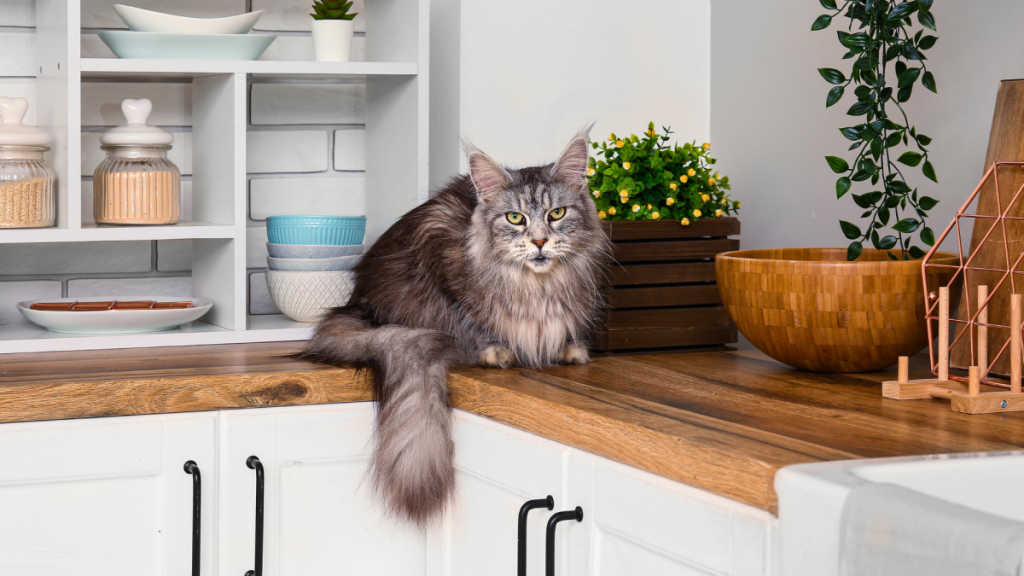
Are you tired of your cat jumping on counters and making a mess? You’re not alone.
Cats love high places, but those kitchen counters can become a real headache. Imagine keeping your countertops clean and your cat safe without constant scolding. You’ll discover simple, effective ways to train your cat to stay off the counters—methods that work without stress for you or your furry friend.
Keep reading to learn how to create a peaceful home where both you and your cat can be happy.

Credit: www.reddit.com
Why Cats Jump On Counters
Cats often jump on counters for several reasons. Understanding why they do this helps in training them not to. Cats have natural behaviors and needs that lead them to explore high places like counters.
Natural Instincts
Cats are natural climbers. They like to be in high places to watch their surroundings. This behavior comes from their wild ancestors. High spots make cats feel safe and in control. Counters satisfy this instinct.
Seeking Attention
Cats learn that jumping on counters gets your attention. Even a quick reaction from you is a reward. Cats prefer attention, even if it is negative. They want to be noticed and feel part of the family.
Curiosity And Exploration
Counters have interesting smells and objects. Cats are curious animals by nature. They use their senses to explore new things. Jumping on counters satisfies their need to investigate. It also breaks the routine and keeps them entertained.

Credit: www.amazon.com
Setting Up Your Home Environment
Setting up your home environment is a key step in training your cat to stay off counters. Cats are naturally curious and love high places, so you need to adjust your space to guide their behavior. Small changes can make a big difference in redirecting their attention and reducing unwanted jumping.
Removing Temptations
Start by clearing your counters of anything that might attract your cat. Food crumbs, shiny objects, or even plants can be irresistible. If your cat can’t find a reason to jump up, they’ll be less likely to try.
Think about what specifically draws your cat to the counters. Is it the smell of food? Or maybe a warm spot near the window? Removing these triggers helps you control their environment more effectively.
Creating Alternative Spaces
Give your cat better options for climbing and exploring. Cats love to be up high, so add cat trees, shelves, or window perches in safe spots. This satisfies their natural instincts without risking your kitchen counters.
Try placing these alternatives near the areas they usually jump on. I once added a cozy perch right beside the kitchen window, and my cat stopped jumping on the counters almost immediately. What creative spaces can you add in your home?
Using Deterrents
Deterrents can discourage your cat from jumping on counters without causing harm. Sticky tape, aluminum foil, or mats with nubs can make the surface unpleasant for paws. Cats quickly learn to avoid places that feel uncomfortable.
Another effective approach is using motion-activated devices that emit a harmless burst of air or sound. These surprise your cat just enough to deter them but don’t create fear. Have you noticed how some cats respond immediately to subtle deterrents?
Training Techniques That Work
Training cats to stay off counters can feel like a challenge, but using the right techniques makes a big difference. Cats respond best to clear, consistent signals combined with positive experiences. Let’s look at practical ways you can guide your cat’s behavior effectively.
Positive Reinforcement
Reward your cat immediately when they choose a good spot, like their scratching post or bed, instead of the counter. Use treats, gentle petting, or their favorite toy to make these moments rewarding. This helps your cat associate staying off counters with positive outcomes.
Try praising your cat with a calm voice or giving a small snack right after they jump down. This simple action encourages them to repeat the behavior you want. Have you noticed how quickly your cat learns when you reward good choices?
Consistent Commands
Use the same word or phrase every time your cat jumps on the counter, like “down” or “off.” Consistency helps your cat understand what you expect. Avoid changing commands, or your cat might get confused about what behavior is allowed.
Be firm but gentle when you say the command, and follow through by removing your cat from the counter. This clear message reduces the chance they will repeat the unwanted action. How often do you repeat commands when training your cat?
Redirecting Behavior
Offer an attractive alternative to the counter, such as a high perch or cat tree nearby. When your cat heads for the counter, gently guide them to the alternate spot. This redirects their natural curiosity to a more acceptable place.
Use toys or treats to lure your cat to the new area and keep them interested. Redirecting helps your cat learn where they are allowed to explore without feeling punished. Have you tried placing toys in safe spots to draw your cat’s attention away from counters?
Tools And Products To Help
Keeping your cat off counters can be challenging, but the right tools make a big difference. These products discourage jumping by making the space less inviting, helping you protect your kitchen and keep your furry friend safe.
Double-sided Tape
Cats dislike sticky surfaces on their paws. Applying double-sided tape along the edges of counters creates an unpleasant texture that discourages them from jumping up. It’s an easy and inexpensive way to set a clear boundary.
One time, I placed tape on my kitchen island, and within days, my cat stopped trying to leap there. Could a simple sticky surface work for your home too?
Motion-activated Sprays
Motion-activated sprays detect your cat’s movement near counters and release a gentle burst of air or harmless water. This surprise startles them just enough to deter future attempts without causing harm.
These sprays offer a hands-off approach, so you don’t have to intervene every time. Have you considered using technology to reinforce your training efforts?
Cat Training Mats
Cat training mats produce a mild static pulse or an unpleasant sound when stepped on, discouraging your cat from entering off-limit areas. They’re safe and effective tools to create invisible barriers.
Many cat owners find mats especially useful for high-traffic counters. Could this gentle correction be what your cat needs to learn the rules?
Patience And Persistence
Training cats to stay off counters needs patience and persistence. Cats act on habit and curiosity. Changing these takes time and steady effort. Expect gradual progress and stay calm through the process.
Setting Realistic Goals
Start with small, clear goals. For example, limit counter visits to fewer times daily. Then, reduce these visits week by week. Avoid expecting your cat to stop instantly. Setting easy goals helps keep motivation high.
Tracking Progress
Keep a simple record of your cat’s behavior. Note how often your cat jumps on counters each day. Watch for fewer visits or shorter stays. Celebrate small wins to stay encouraged. This shows what works and what needs change.
Handling Setbacks
Setbacks are normal in cat training. Your cat may jump on counters again suddenly. Avoid punishment or harsh reactions. Stay calm and consistent with your training plan. Learn from setbacks and adjust your approach slightly. Persistence leads to steady improvement over time.
When To Seek Professional Help
Knowing when to seek professional help is key if your cat keeps jumping on counters despite your best efforts. Sometimes, this behavior hints at deeper issues that you might not be able to solve alone. Recognizing the signs and understanding where to turn can save you frustration and keep your cat happy and healthy.
Signs Of Behavioral Issues
Is your cat’s counter-jumping linked with sudden aggression or anxiety? If your cat starts scratching furniture excessively or seems restless and unsettled, these could be signs of stress or behavioral problems.
Notice if your cat urinates outside the litter box or hides more than usual. Such changes often indicate that your cat is struggling with more than just a bad habit. These behaviors suggest it’s time to get professional advice before the situation worsens.
Working With Trainers Or Vets
Professional trainers specialize in modifying unwanted behavior safely and effectively. They can offer personalized strategies that suit your cat’s personality and environment.
Veterinarians can rule out medical issues that might be causing your cat’s behavior. For example, a cat with urinary tract problems might jump on counters to find a quiet spot.
Collaborating with both trainers and vets gives you a well-rounded approach. Don’t hesitate to ask questions and share your observations—they need your input to help your cat best.
Credit: pethelpful.com
Frequently Asked Questions
How Can I Stop My Cat From Jumping On Counters?
Use deterrents like double-sided tape or aluminum foil on counters. Provide alternative spots like cat trees. Reward your cat for staying off counters consistently. Training and patience are key to success.
Why Do Cats Jump On Kitchen Counters?
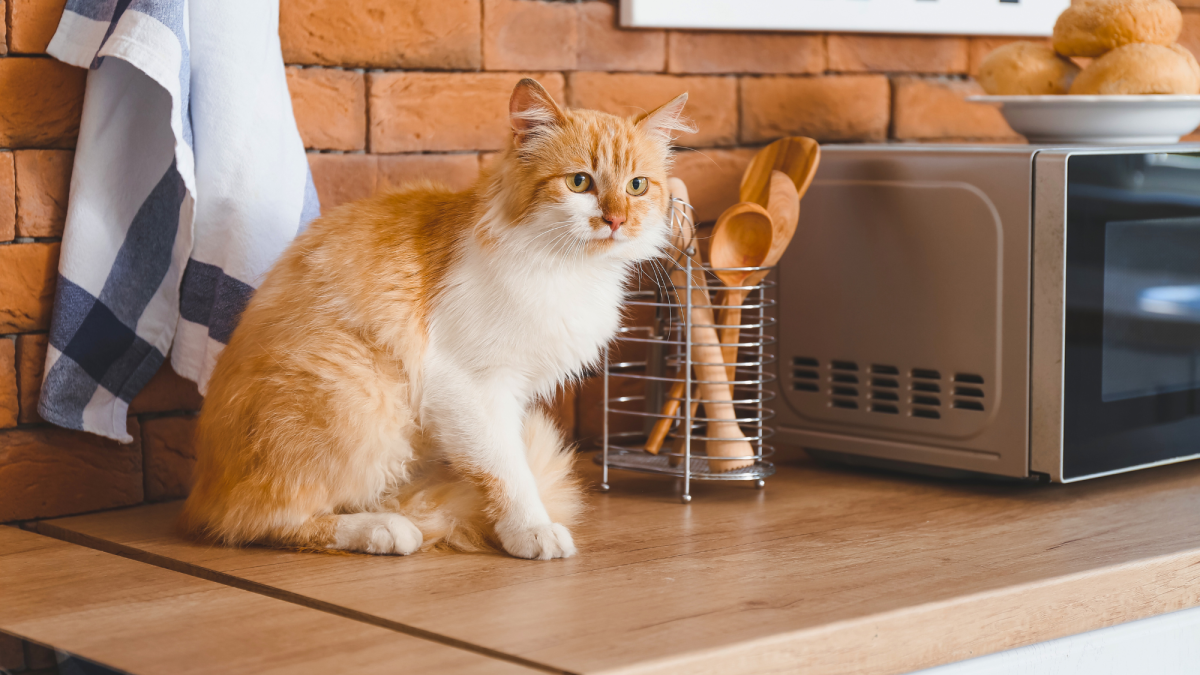
Cats jump on counters to explore, seek food, or satisfy curiosity. Counters provide a high vantage point and easy access to interesting smells. Understanding this helps in redirecting their behavior effectively.
What Are Safe Deterrents To Keep Cats Off Counters?
Safe deterrents include double-sided tape, aluminum foil, and motion-activated air sprays. Avoid harmful chemicals or loud noises that stress your cat. These gentle methods discourage counter jumping without causing harm.
How Long Does It Take To Train A Cat Off Counters?
Training duration varies but usually takes a few weeks. Consistency in using deterrents and positive reinforcement speeds up learning. Patience is important as cats learn at their own pace.
Conclusion
Training cats to stay off counters takes time and patience. Use gentle discipline and offer better places to climb. Reward good behavior with treats or praise. Be consistent every day to help your cat learn. Avoid punishment, which can confuse or scare them.
Remember, cats explore because they are curious. Keep counters clean and free of food to reduce temptation. Small steps lead to lasting habits for your pet. Your calm approach will create a happier home for both.
