

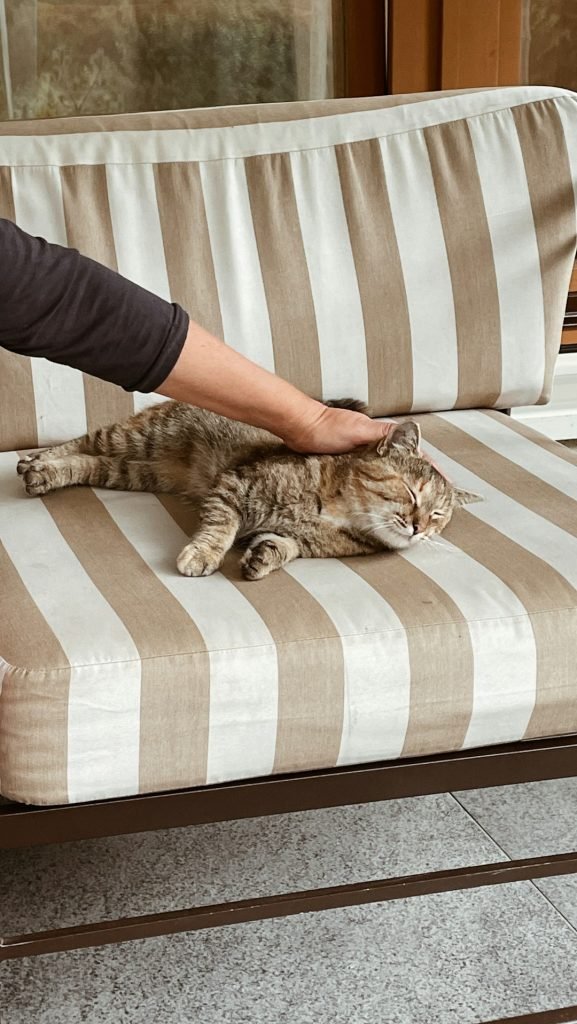
Are you tired of finding your favorite furniture covered in scratches? You’re not alone.
Cats naturally scratch to mark territory and keep their claws sharp, but that doesn’t mean your couch or dining table has to suffer. Imagine a home where your cat feels happy and your furniture stays intact. You’ll discover simple, effective ways to train your cat not to scratch your furniture.
Keep reading—your furniture will thank you, and so will your furry friend.

Credit: www.amazon.com
Why Cats Scratch
Understanding why cats scratch can help you manage and redirect this behavior effectively. Scratching is more than just a nuisance; it’s an essential activity for your cat’s well-being. Let’s explore what drives this natural habit so you can protect your furniture without stressing your feline friend.
Natural Instincts
Scratching is a deep-rooted instinct in cats. It helps them stretch their muscles and keep their bodies flexible.
Think about your cat arching its back and extending its claws after a nap. That stretch feels good and keeps them agile. You might notice your cat scratches certain spots repeatedly—those places feel just right for a good stretch.
Marking Territory
Have you ever wondered why your cat scratches the same chair or door frame? It’s a way to mark territory.
Cats have scent glands in their paws. When they scratch, they leave both a visual mark and a scent to tell other animals, “This is mine.” This behavior is especially strong in multi-cat households or outdoor cats.
Nail Maintenance
Scratching is also how cats keep their nails healthy. It removes old nail sheaths and sharpens the claws.
If you’ve ever trimmed your cat’s nails, you know they grow fast. Without scratching, their nails can become overgrown and uncomfortable. Providing appropriate scratching posts satisfies this need and keeps your cat’s paws in great shape.
Choosing The Right Alternatives
Choosing the right alternatives is key to protecting your furniture from your cat’s claws. You want to offer options that satisfy their natural scratching instincts while keeping your home intact. It’s not just about buying a scratching post; it’s about understanding what your cat prefers and setting up appealing alternatives.
Scratching Posts
Scratching posts are the most common and effective alternative. Look for posts that are tall enough for your cat to stretch fully, usually around 28 to 32 inches high. A sturdy base is important to prevent wobbling, which can discourage your cat from using it.
Think about the material too. Sisal rope wrapped posts are favorites because they feel good on cats’ claws and are durable. If your cat seems uninterested, try different styles like angled posts or ones with platforms. Have you noticed how your cat likes to stretch? Matching that stretch length helps a lot.
Variety Of Textures
Cats have individual preferences for scratching surfaces. Some prefer rough sisal, while others enjoy carpet or cardboard. Offering a variety of textures can help you find what your cat truly likes.
Try placing a sisal post next to a cardboard scratcher and see which your cat chooses. You might be surprised that cardboard scratchers can be just as appealing. Mixing textures keeps your cat engaged and less likely to return to your sofa.
Placement Tips
Where you place alternatives matters just as much as the post itself. Cats often scratch when they wake up, so placing scratching posts near their sleeping areas increases the chance they’ll use them. Also, try putting a post next to furniture they usually scratch.
Some cats like scratching in high-traffic areas to mark territory. Placing posts in these spots can redirect their behavior. Have you tried moving a post around and watching where your cat goes? Sometimes a small change makes a big difference.
Training Techniques
Training your cat not to scratch furniture takes patience and consistent techniques. Cats scratch to mark territory, stretch muscles, and keep claws sharp. Understanding how to guide this behavior positively can protect your belongings and keep your cat happy.
Positive Reinforcement
Reward your cat immediately when it scratches an appropriate surface like a scratching post. Use treats, petting, or praise to make your cat associate good behavior with positive outcomes. I once noticed my cat stopped scratching the sofa after I consistently rewarded her for using a scratcher nearby.
Keep rewards timely and consistent to strengthen the connection. Cats learn quickly when good actions bring immediate benefits. This method encourages them to repeat the behavior you want.
Using Deterrents
Deterrents help discourage your cat from scratching furniture by making the experience unpleasant. Double-sided tape, aluminum foil, or commercial sprays can make surfaces unappealing. Have you tried placing tape on a sofa corner? Many cats dislike the sticky feeling and avoid that area.
Be sure to combine deterrents with positive reinforcement so your cat knows where it’s okay to scratch. Deterrents alone can confuse your cat and cause stress, which could worsen the problem.
Redirecting Behavior
When you catch your cat scratching furniture, gently redirect its attention to a scratching post or pad. Move your cat towards the alternative and encourage it to use that instead. You might rub catnip on the post or wiggle a toy nearby to spark interest.
Redirecting helps your cat learn acceptable outlets for its scratching instincts. It’s a hands-on way to shape behavior without punishment. Have you noticed how some cats prefer vertical posts while others like horizontal pads? Providing options can improve success.
Protecting Furniture
Protecting furniture from cat scratches helps keep your home neat and your cat happy. Using simple tools and tricks can reduce damage and guide your cat’s behavior. This section covers easy ways to shield your furniture without stress.
Furniture Covers
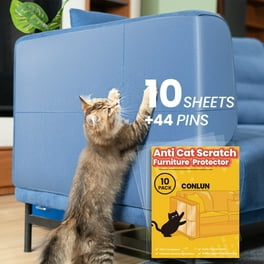
Furniture covers create a barrier between your cat’s claws and your sofa or chairs. Use thick, durable materials that are hard to scratch through. Covers are easy to clean and replace, saving your furniture from wear and tear.
Choose covers that fit well and stay in place. Look for fabrics like polyester or nylon that resist claw marks. Covers also help reduce pet hair on your furniture, making cleaning easier.
Double-sided Tape
Cats dislike sticky surfaces on their paws. Applying double-sided tape to furniture edges deters scratching. The tape feels unpleasant, so cats avoid those spots.
Place tape on areas your cat targets most. Replace the tape once it loses its stickiness. This method is safe and non-harmful for cats but highly effective.
Scent Repellents
Cats react strongly to certain smells. Use scent repellents to keep them away from furniture. Common options include citrus scents, eucalyptus, or specially made cat repellents.
Apply repellents carefully to avoid damaging fabrics. Test on a small area first. The scents discourage cats from scratching but do not harm them.
Maintaining Healthy Claws
Maintaining healthy claws is key to preventing cats from damaging furniture. Proper claw care keeps your cat comfortable and reduces the urge to scratch household items. Healthy claws also protect your cat from injury and infections. Focus on simple habits that support claw health every day.
Regular Trimming
Trimming your cat’s claws regularly stops them from becoming too sharp. Use a special nail clipper designed for cats. Trim only the sharp tip, avoiding the pink part called the quick. If unsure, ask a vet or groomer for help. Regular trimming makes scratching less harmful to furniture.
Soft Nail Caps
Soft nail caps are small covers glued to your cat’s claws. They prevent damage by softening the scratch. Caps last for several weeks and are safe for cats. Use nail caps if trimming alone is not enough. They offer a gentle way to protect furniture while keeping claws healthy.
Veterinary Care
Check your cat’s claws during vet visits. Vets can spot infections or injuries early. They may recommend treatments or professional trimming. Keep your cat’s claws clean and watch for signs of discomfort. Good veterinary care supports claw health and prevents problems that cause furniture scratching.
Credit: www.walmart.com
Common Mistakes To Avoid
Training your cat not to scratch furniture can be challenging, especially if you accidentally make common mistakes. These errors can slow down progress and frustrate both you and your pet. Understanding what to avoid helps you create a better environment for your cat to learn and adapt.
Punishing The Cat
Scolding or punishing your cat for scratching often backfires. Cats don’t connect punishment with the scratching behavior and may become scared or stressed instead. Instead of stopping, your cat might hide or scratch more out of anxiety.
Try redirecting your cat’s energy by providing acceptable scratching options. Reward positive behavior with treats or affection to encourage them. Have you noticed how your cat responds better to gentle guidance rather than harsh words?
Ignoring Scratching Needs
Scratching is a natural and necessary activity for cats. It helps them mark territory, stretch muscles, and keep their claws healthy. Ignoring this instinct leads to frustration and increases the chances of furniture damage.
Providing multiple scratching posts or pads in different rooms can satisfy your cat’s needs. Make sure these are sturdy and placed where your cat likes to scratch. Have you ever seen your cat prefer one spot over another? Use that to your advantage.
Inconsistent Training
Consistency is key when teaching your cat new habits. If you allow scratching in some areas but not others, your cat gets mixed signals. This inconsistency confuses your cat and slows down learning.
Set clear rules and stick to them every day. Make sure everyone in your household follows the same guidelines. How can you expect your cat to understand if the rules change every time?

Credit: www.youtube.com
Frequently Asked Questions
How Can I Stop My Cat From Scratching Furniture?
Provide scratching posts near furniture. Use deterrents like double-sided tape. Reward your cat for using posts. Trim your cat’s nails regularly to reduce damage.
Why Do Cats Scratch Furniture Often?
Cats scratch to mark territory, stretch muscles, and shed nail layers. It’s a natural behavior essential for their physical and mental health.
What Materials Deter Cats From Scratching Furniture?
Cats dislike sticky or rough textures. Use double-sided tape, aluminum foil, or plastic covers on furniture to discourage scratching effectively.
Can Training Prevent Cats From Scratching Furniture?
Yes, consistent training helps. Redirect your cat to scratching posts. Use positive reinforcement and avoid punishment to encourage good behavior.
Conclusion
Training cats not to scratch furniture takes time and patience. Offer your cat good scratching posts and praise them often. Cover furniture with protectors or use scents cats dislike. Remember, cats scratch to mark territory and keep nails sharp. Redirecting this natural behavior helps keep your home safe.
Stay calm and consistent in your approach. Soon, your cat will learn where to scratch. A happy cat and a scratch-free home are possible. Keep trying—you and your cat will succeed together.
