

Training your cat to use a litter box might seem tricky, but it’s easier than you think. You want a clean home and a happy pet, and teaching your cat this simple habit is the first step.
Imagine never having to worry about accidents or messy cleanups again. In this guide, you’ll discover easy, practical tips that make litter box training smooth and stress-free for both you and your cat. Keep reading, and you’ll have a confident, litter-trained cat in no time.
Choosing The Right Litter Box
Choosing the right litter box is key to teaching a cat to use it well. The box must fit the cat’s size and habits. It should feel safe and easy to access. This helps the cat feel comfortable and use the box regularly.
Size And Shape Matters
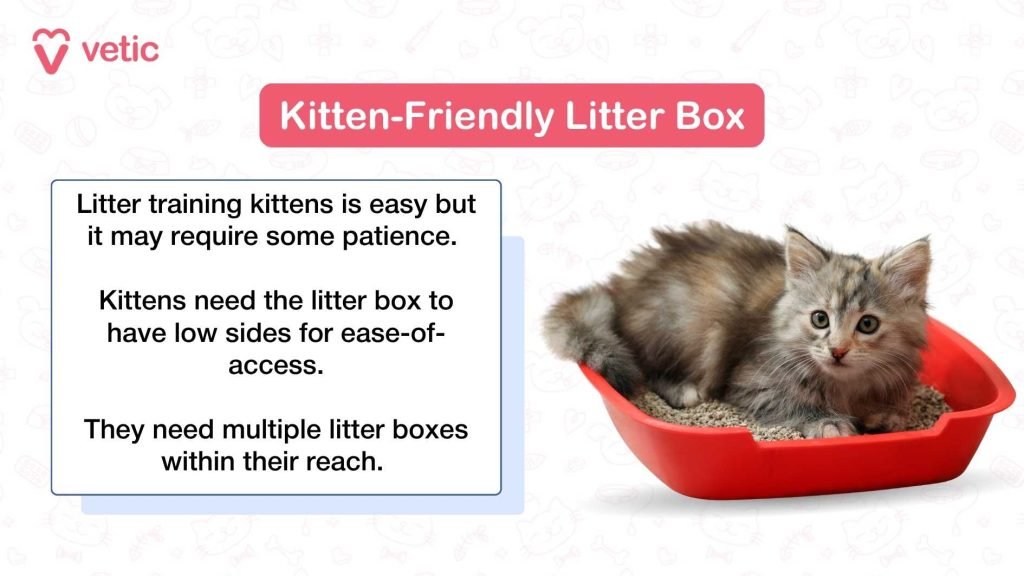
The litter box should be big enough for the cat to turn around. Small boxes can make cats avoid them. Taller sides help keep litter inside, but too tall can block easy entry. Some cats prefer shallow boxes, especially kittens or older cats. Think about your cat’s size and age before buying.
Covered Vs. Open Boxes
Covered boxes give privacy and reduce odors. Cats who like quiet places may prefer them. But some cats dislike covered boxes because they feel trapped. Open boxes offer fresh air and easy access. Watch your cat’s reaction to decide the best type.
Placement Tips
Put the litter box in a quiet, low-traffic area. Avoid noisy spots near washing machines or busy halls. Keep it away from the cat’s food and water bowls. Make sure the location is easy for the cat to reach anytime. Change spots if the cat seems reluctant to use the box.

Credit: cats-magazine.com
Selecting Suitable Cat Litter
Choosing the right cat litter is key to training your cat to use the litter box. Cats can be picky about their bathroom habits. Selecting suitable litter helps keep them comfortable and encourages good habits. The litter should suit your cat’s needs and your cleaning routine. Understand different types, scents, and textures to pick the best option.
Types Of Cat Litter
- Clay-based litter: Absorbs moisture well and clumps tightly.
- Silica gel litter: Controls odor and stays dry longer.
- Biodegradable litter: Made from natural materials like corn, wheat, or wood.
- Recycled paper litter: Soft and dust-free but less absorbent.
Each type has pros and cons. Clay litter is popular but dusty. Biodegradable options are eco-friendly but may need frequent changes.
Scented Vs. Unscented
Scented litter masks odors with fragrances. Some cats dislike strong smells. Unscented litter is more natural and less likely to cause allergies. Choose unscented if your cat shows sensitivity or avoids the box.
Texture Preferences
Cats prefer soft, fine litter that feels gentle on their paws. Rough or hard textures can scare them away. Experiment with small amounts of different textures to see what your cat likes best. Soft clumping litter often works well for most cats.
Preparing The Litter Box Area
Preparing the litter box area is a key step in helping your cat feel comfortable and confident about using it. The right environment can make a big difference in whether your cat takes to the litter box quickly or avoids it altogether. Paying attention to location, noise levels, and cleanliness will set you up for success.
Quiet And Accessible Location
Choose a spot that’s calm and free from loud noises. Cats dislike sudden sounds, so placing the litter box near noisy appliances or busy rooms can stress them out.
Accessibility is just as important. Make sure your cat can easily reach the box without obstacles. If you have a kitten or an older cat, avoid high shelves or rooms with closed doors.
Avoiding High Traffic Zones
Cats need privacy when they use the litter box. Putting the box in a busy hallway or near a loud TV can discourage them from using it.
Think about your daily routines and where you spend most of your time. Pick a spot that’s out of the way but not so hidden that your cat feels isolated or trapped.
Maintaining Cleanliness
Cleanliness is non-negotiable for litter box success. Cats have a strong sense of smell and will avoid dirty litter boxes.
- Scoop waste at least once a day.
- Change the litter regularly, depending on the type you use.
- Wash the box with mild soap and water every week.
Have you noticed how your cat reacts to different smells? A clean box keeps them comfortable and less likely to look elsewhere.
Introducing Your Cat To The Litter Box
Introducing your cat to the litter box sets the foundation for good bathroom habits. This early step helps your cat feel safe and confident using the box. A smooth introduction leads to less mess and stress for both of you.
First Time Introduction
Place the litter box in a quiet, easy-to-access spot. Avoid busy or noisy areas. Show your cat the box gently. Let your cat sniff and explore it without pressure. Keep the box clean and filled with fresh litter. This invites your cat to use it naturally.
Encouraging Exploration
Give your cat time to get used to the litter box. Allow free access throughout the day. Praise your cat softly when near the box. You can gently place your cat inside after meals or naps. This encourages the habit without forcing it. Keep the environment calm and positive.
Recognizing Signs
Watch for signs your cat needs to go. These include scratching, sniffing, or pacing near corners. Gently guide your cat to the litter box at these times. Acting quickly helps your cat connect the feeling with the box. Early recognition reduces accidents and builds trust.
Establishing A Routine
Creating a consistent routine helps cats learn faster. Cats feel safe with regular schedules. This trust makes litter training easier. It guides them to use the litter box naturally. The routine should include meal times, litter box checks, and rewards. Repetition builds good habits for your cat.
Feeding And Litter Timing
Feed your cat at the same times daily. After eating, cats usually need to use the litter box. Watch your cat closely after meals. Gently place them in the litter box. This helps them connect eating and using the box. A fixed feeding schedule supports this learning process.
Positive Reinforcement
Reward your cat when it uses the litter box. Use treats, soft praise, or petting. This makes the cat want to repeat the behavior. Avoid punishment; it can cause fear. Rewards teach your cat that good behavior is valued. Keep rewards consistent to strengthen the habit.
Handling Accidents
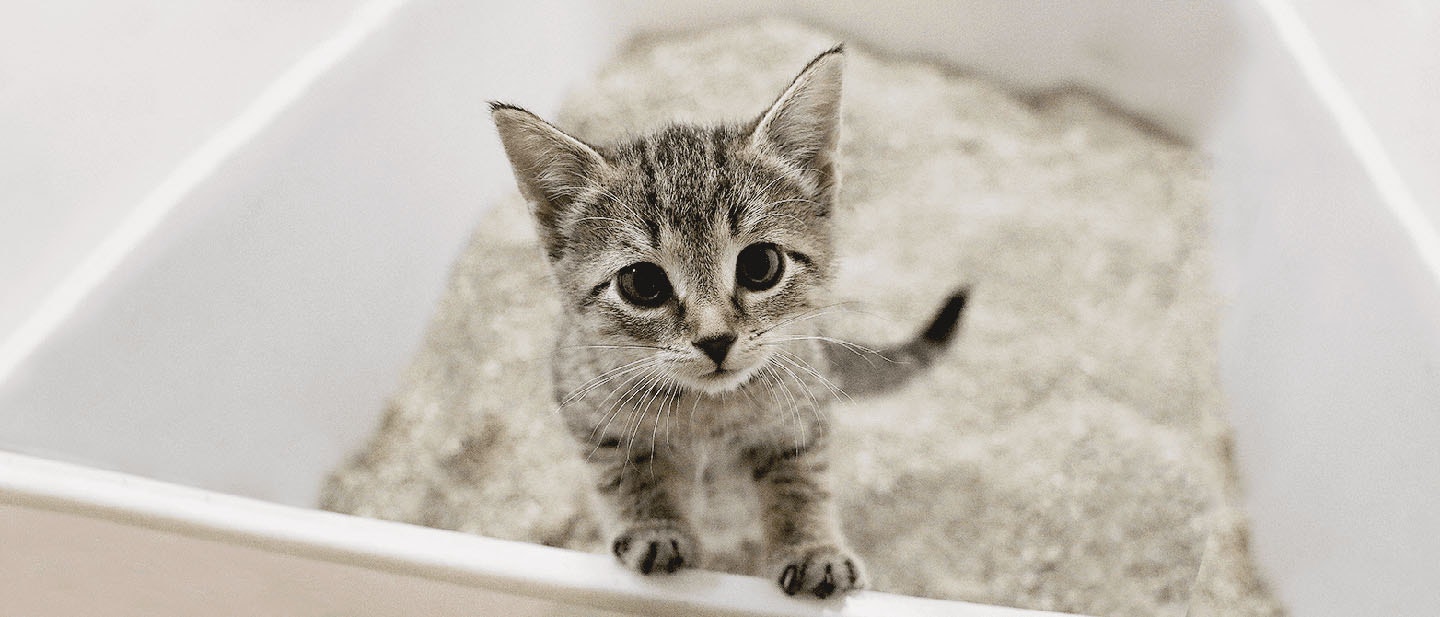
Accidents happen during training. Clean the area quickly and thoroughly. Use enzyme cleaners to remove smells. Avoid scolding the cat for accidents. Instead, calmly guide them back to the litter box. Patience and calmness help your cat learn better.
Credit: www.whiskas.com.ph
Troubleshooting Common Issues
Troubleshooting common issues while training your cat to use the litter box can be frustrating, but understanding the root causes makes a big difference. Cats are creatures of habit, yet small changes in their environment or health can lead to unexpected problems. Let’s look at some practical ways to address these challenges and keep your cat comfortable and consistent.
Avoiding Litter Box Aversion
Does your cat suddenly avoid the litter box? This usually signals discomfort or fear related to the box itself. You might want to check if the litter is clean enough—cats prefer a fresh environment.
Try switching to a different type of litter if your cat seems picky. Some cats dislike scented or clumping litters. Also, consider the box’s location; noisy or hard-to-reach spots can discourage use.
One cat I cared for stopped using the box simply because the lid was added. Removing it restored his confidence. Could your cat be reacting to a new change you overlooked?
Dealing With Inconsistent Use
Inconsistent litter box use often comes down to stress or changes in routine. New pets, visitors, or even rearranged furniture can unsettle your cat. Try to keep the litter box area quiet and accessible at all times.
If your cat uses multiple spots, placing extra boxes around the house can help. The general rule is one box per cat, plus one extra. This reduces competition and confusion.
Observe your cat’s habits closely. Is the inconsistency linked to certain times or events? Tracking this can reveal triggers and guide your adjustments.
Health-related Concerns
Sometimes, litter box issues signal a health problem. Urinary tract infections, kidney issues, or arthritis can make it painful for cats to use the box. If your cat suddenly changes behavior, a vet visit is essential.
Keep an eye on signs like frequent attempts, straining, or blood in urine. These symptoms need prompt attention. Your cat’s comfort should be your top priority.
Have you noticed any changes in your cat’s grooming or appetite alongside litter box problems? These clues can help your vet diagnose the issue faster.
Tips For Multi-cat Households
Managing a litter box routine in a multi-cat household requires extra care and attention. Cats can be particular about their space, and sharing litter boxes sometimes leads to issues. Understanding how to set up and maintain litter boxes can reduce stress for both you and your cats.
Number Of Litter Boxes Needed
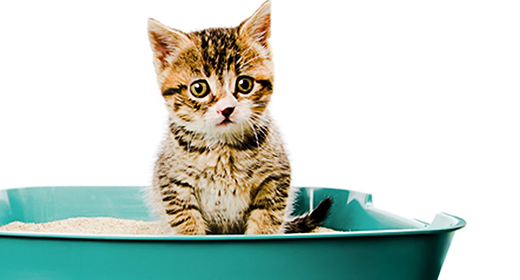
Each cat needs access to their own litter box to avoid competition and accidents. A good rule is to have one litter box per cat, plus one extra. So, if you have three cats, provide at least four litter boxes.
Placing boxes in different areas of your home gives cats options and privacy. This setup helps prevent territorial behavior and encourages consistent litter box use.
Preventing Conflicts
Conflicts often arise when cats feel their personal space is invaded. Observe your cats to identify any tension around the litter boxes.
- Place boxes in quiet, low-traffic areas.
- Use separate boxes for dominant and shy cats.
- Consider adding barriers or partial covers to increase privacy.
Have you noticed one cat avoiding a box after another uses it? This can signal conflict or scent issues that you need to address promptly.
Maintaining Hygiene
Cleanliness is crucial to keep cats using their litter boxes happily. Scoop waste at least once a day and change litter regularly.
Wash the boxes with mild soap weekly to prevent odors and bacteria buildup. Avoid harsh chemicals that might deter your cats.
Keeping the area tidy not only reduces smell but also lowers the chance of conflicts caused by dirty boxes. How often do you clean your cat’s litter boxes?
Credit: www.iams-india.com
Cleaning And Maintenance
Keeping your cat’s litter box clean is key to successful training and a happy feline. A well-maintained box encourages your cat to use it consistently and helps prevent odors and messes in your home. Let’s look at how to keep the litter box fresh and inviting for your furry friend.
Daily Cleaning Routine
Spend a few minutes each day scooping out clumps and solid waste. This keeps the box tidy and reduces smells that might drive your cat away.
Use a small scoop with holes to sift the litter easily. Make sure to dispose of waste in a sealed bag to control odor.
Also, stir the litter gently after scooping to keep it fresh and prevent hard spots from forming.
Deep Cleaning Schedule
Once a week, empty the entire litter box and wash it thoroughly with mild soap and warm water. Avoid strong-smelling cleaners, as they can deter your cat from using the box.
Rinse well and dry completely before adding fresh litter. This prevents bacteria buildup and keeps the box inviting.
Have you noticed your cat hesitating to enter the box? A clean, fresh box often solves this issue immediately.
Replacing Litter Box
Over time, plastic litter boxes can develop scratches that harbor bacteria and odors. Consider replacing your cat’s litter box every 6 to 12 months.
Choose a size and style your cat prefers—some cats like covered boxes, while others want open space.
Think about your cat’s comfort and hygiene. Have you checked if your current box still meets these needs?
Frequently Asked Questions
How Do I Start Training My Cat?
Begin by placing the litter box in a quiet, accessible location. Introduce your cat by gently placing them inside. Repeat this process after meals or naps. Use positive reinforcement, like treats or praise, to encourage their use of the box.
Consistency and patience are key for successful training.
Why Won’t My Cat Use The Litter Box?
Cats may avoid the litter box due to stress, health issues, or an unclean box. Ensure it’s cleaned daily and placed in a quiet area. Check for any changes in your cat’s behavior. Consult a veterinarian to rule out any medical concerns impacting their litter box usage.
How Often Should I Clean The Litter Box?
Clean the litter box daily by removing waste and clumps. This maintains a fresh environment and encourages use. Replace the litter entirely every week and clean the box with mild soap and water. Keeping the box clean prevents odors and promotes your cat’s health and hygiene.
What Type Of Litter Is Best For Cats?
Cats often prefer unscented, clumping litter. It mimics natural textures and is easier to clean. Experiment with different types to see what your cat prefers. Avoid scented litters, as they can deter cats. The right litter can enhance your cat’s comfort and encourage consistent litter box use.
Conclusion
Training your cat to use the litter box takes time and patience. Start with a clean, quiet place for the box. Praise your cat when it uses the box correctly. Keep the litter fresh and change it often. Watch for signs if your cat needs help.
Small steps lead to good habits. Your effort will make life easier for both of you. Soon, your cat will use the litter box with no problems. Trust the process and stay consistent. Success is close.
