

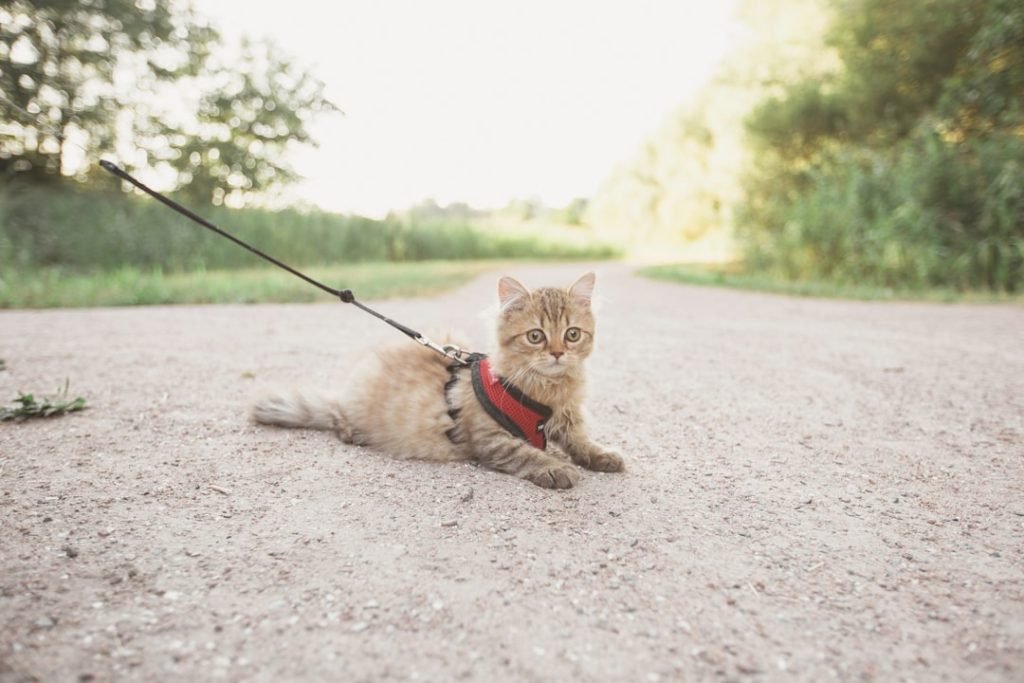
Have you ever wanted to take your cat outside safely, letting them explore the world without worry? Training your cat to walk on a leash can open up new adventures for both of you.
It might seem tricky at first, but with the right approach, you can make it a fun and rewarding experience. In this guide, you’ll discover simple, step-by-step tips to help your cat feel comfortable and confident on a leash. Keep reading, and soon you and your furry friend could be enjoying outdoor strolls together like never before.

Credit: threechattycats.com
Choosing The Right Leash And Harness
Choosing the right leash and harness is key to a safe, comfortable walk for your cat. The right gear helps your cat feel secure and prevents escape. It also makes training easier and more enjoyable for both of you.
Not all leashes and harnesses suit every cat. Consider your cat’s size, personality, and behavior before making a choice. Quality and comfort should be your top priorities.
Types Of Leashes For Cats
- Standard Leash:A simple, fixed-length leash. Easy to control and reliable.
- Retractable Leash:Allows your cat to explore within a set range. Use with caution to avoid tangles.
- Adjustable Leash:Can change length to suit different environments and training stages.
Selecting A Comfortable Harness
- Step-in Harness:Easy to put on. Fits securely around the chest and shoulders.
- Vest Harness:Covers more of the body. Offers extra support and comfort.
- H-Style Harness:Simple design with straps around the neck and chest. Lightweight option.
Choose soft, breathable materials like nylon or mesh. Avoid harnesses with rough edges or stiff parts.
Fitting The Harness Properly
- Measure your cat’s chest and neck before buying.
- Adjust straps to fit snugly but not tight.
- Make sure you can fit two fingers between the harness and fur.
- Check for any signs of discomfort or chafing.
- Let your cat wear the harness indoors first to get used to it.
Preparing Your Cat For Leash Training
Preparing your cat for leash training is key for success and safety. Cats must feel calm and secure before stepping outside. This stage builds trust between you and your pet. It also helps your cat accept the harness and leash without stress.
Acclimating To The Harness Indoors
Start by introducing the harness inside your home. Let your cat sniff and explore it freely. Place the harness near their favorite resting spot to create a positive link. Gently put the harness on for short times, then remove it. Gradually increase the wearing time as your cat gets used to it.
Using Treats And Positive Reinforcement
Use tasty treats to reward calm behavior during harness training. Praise your cat softly to create a happy experience. Treats help your cat associate the harness with good things. Keep the rewards consistent and give them right after your cat wears the harness or stays calm.
Short Practice Sessions
Keep training sessions brief to avoid overwhelming your cat. Aim for 5 to 10 minutes of harness wear indoors at first. Watch your cat’s reactions and stop if they seem stressed. Repeat these short sessions daily until your cat feels comfortable and relaxed in the harness.
Starting Outdoor Leash Walks
Starting outdoor leash walks with your cat can be an exciting and rewarding experience for both of you. It’s a chance for your feline friend to explore the world safely while strengthening your bond. However, beginning this journey requires patience and careful planning to ensure your cat feels comfortable and secure.
Choosing A Safe And Quiet Location
Pick a spot away from busy streets and loud noises. Parks, quiet backyards, or calm residential areas work well. Your cat needs an environment free from overwhelming distractions to focus on the new experience.
Look for places with soft grass or natural ground instead of hard pavement. This makes walking easier on your cat’s paws and more enjoyable. Have you noticed how your cat reacts to different surroundings at home? Use those observations to find the best starting place.
Keeping Initial Walks Short
Start with just a few minutes outside. Short walks prevent your cat from becoming overwhelmed or stressed. Gradually increase the time as your cat becomes more confident on the leash.
Remember, it’s about quality, not distance. Even a 5-minute stroll can teach your cat new sights and smells. How long can you engage your cat’s curiosity without them losing interest or getting anxious?
Observing Your Cat’s Behavior
Watch your cat closely for signs of stress or curiosity. Ears flattened back, tail twitching, or crouching might mean your cat feels unsafe. Conversely, a relaxed posture and forward ears show comfort and interest.
Respond to your cat’s signals by adjusting the pace or heading back indoors if needed. Your cat’s mood will guide the best way to progress. Have you noticed your cat’s favorite spots or scents during these outings? Use those to encourage exploration.

Credit: medium.com
Encouraging Exploration And Confidence
Encouraging exploration and confidence is key to leash training a cat. This helps your cat feel safe and curious outside. Patience and positive experiences build trust. Let your cat take the lead during walks.
Allowing Sniffing And Pausing
Let your cat stop and sniff around often. Cats use their nose to understand the world. Pausing gives them time to explore safely. Avoid pulling the leash during these moments. This shows respect for their pace and comfort.
Using Toys And Rewards
Bring your cat’s favorite toy on walks. Use toys to keep their interest and encourage movement. Offer treats as rewards for calm behavior and walking. Positive rewards make walks fun and motivating. This builds good habits and excitement for future walks.
Gradually Increasing Walk Duration
Start with short walks around the yard or quiet area. Slowly add more time as your cat grows confident. Watch for signs of stress or tiredness. End walks before your cat feels overwhelmed. Gradual increases help build stamina and trust in the outdoors.
Handling Common Challenges
Training your cat to walk on a leash can come with its share of hurdles. Handling common challenges is key to making the experience enjoyable and safe for both of you. Understanding what might unsettle your feline friend helps you respond calmly and effectively.
Dealing With Fear Or Anxiety
Cats are naturally cautious creatures. If your cat shows signs of fear—like crouching low, wide eyes, or trying to hide—pause the training session. Let your cat observe the leash and harness indoors first, allowing them to get used to these new sensations at their own pace.
Try using gentle praise and treats to create positive associations. Have you noticed what calms your cat during stressful moments? Use that insight to build trust during training.
Managing Distractions
Outdoor environments can overwhelm your cat with sounds, smells, and movements. To keep your cat focused, start walking in quiet, familiar places before heading to busy areas.
Bring along favorite treats or toys to redirect your cat’s attention when distractions pop up. What small reward seems to snap your cat’s focus back to you?
Addressing Resistance To The Leash
Some cats resist wearing a leash simply because it feels strange. If your cat resists, don’t force the leash on. Instead, try letting your cat wear the harness indoors for short periods.
Gradually increase the time your cat wears the leash, mixing in play and affection. Have you tried slipping the leash on during your cat’s relaxed moments, like nap time?
Safety Tips For Leash Walking
Ensuring your cat’s safety during leash walks is crucial for a positive experience. Cats are naturally curious but also vulnerable in unfamiliar environments. Taking the right safety measures protects your furry friend and makes walks more enjoyable for both of you.
Avoiding Dangerous Areas
Choose quiet streets or parks with little traffic to keep your cat calm and safe. Avoid places with loud noises, heavy foot traffic, or aggressive dogs. I once took my cat near a busy road, and the sudden noise startled her, showing me how important it is to pick calm spots.
Stay away from areas with toxic plants, chemicals, or sharp objects. Always scan the ground and surroundings before letting your cat explore. Could a hidden danger be lurking where you plan to walk?
Keeping Identification Updated
Make sure your cat wears a collar with an ID tag that has your current contact details. Microchipping is another reliable way to help reunite with your cat if they slip away. I added a tag with my phone number after my cat slipped off the leash once—it gave me peace of mind instantly.
Check the collar regularly to ensure it fits well and isn’t too tight or loose. A secure collar prevents your cat from escaping but doesn’t cause discomfort. Would you want your cat to feel uncomfortable or risk getting lost?
Monitoring Weather Conditions
Weather affects your cat’s comfort and safety during walks. Avoid extremely hot or cold days to prevent heatstroke or hypothermia. On warm days, walk in shaded areas and bring water for your cat to stay hydrated.
Rain and strong winds can frighten cats or make the ground slippery. If the weather turns bad unexpectedly, it’s best to cut the walk short and head home. Have you noticed how your cat reacts to different weather during outdoor time?
Maintaining Consistency And Patience
Training a cat to walk on a leash takes steady effort and a calm mind. Consistency helps your cat understand what to expect. Patience allows you to handle moments when your cat feels unsure or scared. Both are key to making leash training a positive experience for your pet.
Setting A Routine
Create a daily schedule for leash training sessions. Short, regular sessions work best for cats. Try to train at the same time and place each day. This helps your cat feel safe and builds good habits. Keep sessions around 5 to 10 minutes to avoid stress.
Celebrating Small Progress
Recognize and reward even tiny steps your cat makes. Praise, treats, or gentle petting encourage your cat to keep trying. Small wins like staying calm or walking a few steps are big achievements. Celebrate these moments to build your cat’s confidence and trust.
Knowing When To Take Breaks
Watch for signs of stress or fatigue in your cat. If your cat hides, freezes, or resists, it’s time to pause. Taking breaks prevents fear and frustration. Let your cat relax and come back to training later. This keeps the experience positive and stress-free.
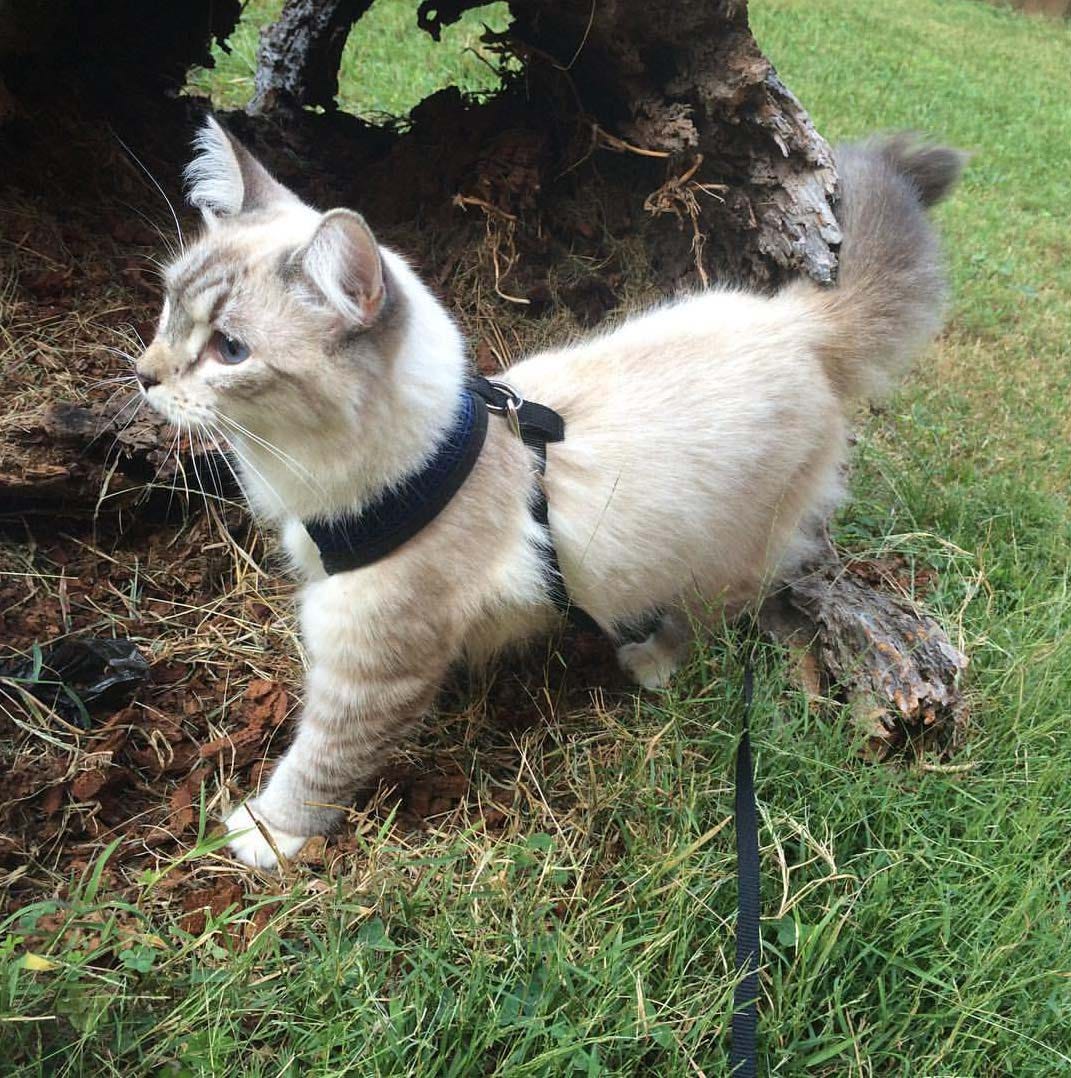
Credit: medium.com
Frequently Asked Questions
Can All Cats Be Trained To Walk On A Leash?
Most cats can be trained to walk on a leash with patience and consistency. However, some cats may resist due to their temperament or previous experiences. It’s important to assess your cat’s comfort level and start training in a calm environment.
Always prioritize your cat’s safety and well-being during training.
How Long Does Leash Training A Cat Take?
Leash training a cat can take anywhere from a few days to several weeks. The time varies based on your cat’s personality and previous experiences. Consistency and patience are key. Gradually introduce your cat to the harness indoors before venturing outside.
Celebrate small successes to build your cat’s confidence.
What Type Of Harness Is Best For Cats?
A well-fitted, comfortable harness designed specifically for cats is best. Look for adjustable harnesses that securely fit your cat without being too tight. Avoid using collars, as they can be unsafe for cats. Ensure the harness allows your cat to move freely.
Test it indoors to ensure it won’t slip off.
Can Leash Training Be Stressful For Cats?
Leash training can be stressful if not done correctly. Start slowly, and observe your cat’s reactions. If your cat shows signs of stress, take breaks and proceed at their pace. Use treats and positive reinforcement to make the experience enjoyable.
Always ensure your cat feels safe and secure.
Conclusion
Training your cat to walk on a leash takes time and patience. Start slow, let your cat explore at its own pace. Use treats and gentle praise to encourage good behavior. Keep sessions short and fun to avoid stress. Remember, every cat learns differently, so be kind and consistent.
Soon, you can enjoy safe outdoor walks together. This bonding time helps your cat stay active and happy. Keep practicing regularly, and success will follow naturally.
