

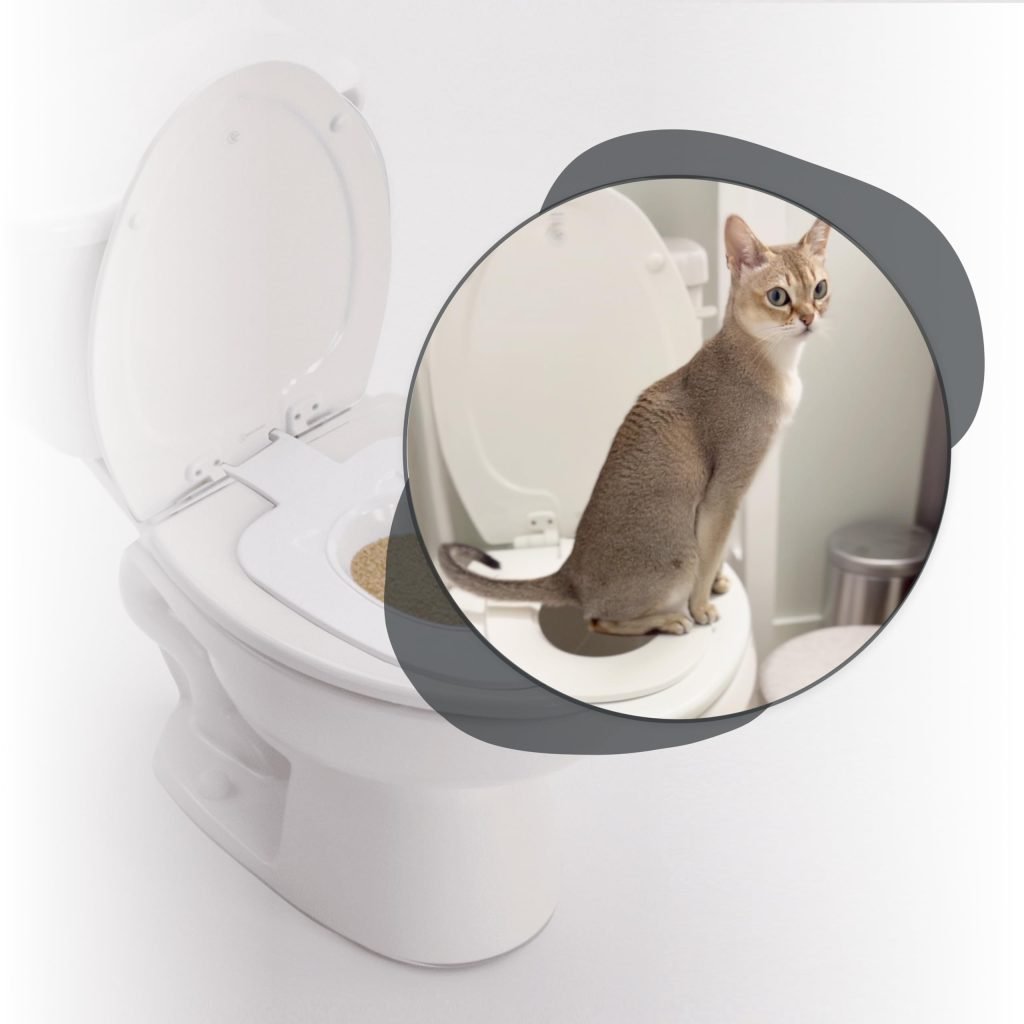
Imagine never having to scoop your cat’s litter box again. Sounds like a dream, right?
Teaching your cat to use the toilet can make your life cleaner, easier, and even more fun. But how do you actually train your cat to do this? If you’ve ever wondered whether it’s possible or how to start, you’re in the right place.
This guide will walk you through simple, step-by-step methods to help your furry friend make the switch smoothly. Ready to transform your cat’s bathroom habits and enjoy a fresher home? Let’s dive in!

Credit: aimextools.com
Choosing The Right Time
Choosing the right time to start toilet training your cat is crucial for success. Timing affects how well your cat adapts to the change and how smooth the entire process will be. You want to pick a moment when your cat is most receptive and your household is ready to support the transition.
Assessing Your Cat’s Age And Temperament
Young cats, especially kittens under six months, can learn new habits quickly. However, very young kittens may not have full bladder control, making toilet training challenging.
Older cats might be set in their ways, but patience can help. Consider your cat’s personality—are they curious and adaptable, or cautious and stubborn?
If your cat gets stressed easily, starting toilet training during a calm period is best. Avoid beginning during major changes like moving homes or new pets arriving.
Preparing Household Members
Everyone in your home must be on the same page about the training process. Inconsistent messages can confuse your cat and slow progress.
Discuss the training steps with your family or roommates and assign responsibilities. For example, decide who will clean the litter box during the transition and who will monitor the cat’s behavior.
Make sure children understand how to interact gently with your cat during this sensitive time. Their support can make a huge difference in your cat’s comfort and success.
Gathering Supplies
Training a cat to use the toilet starts with gathering the right supplies. These items make the process easier and more comfortable for your cat. Having everything ready helps keep training smooth and stress-free. Preparation is key to success.
Selecting A Training Seat
Choose a training seat that fits your toilet securely. It should be stable and safe for your cat to sit on. Many seats have a hole in the middle to mimic a litter box. Look for a design with adjustable height for gradual training. Materials like plastic are easy to clean and durable. Avoid seats that feel slippery or unstable to your cat.
Additional Tools To Have
- Flushable cat litter to place in the training seat
- Treats to reward your cat during training
- A step stool or ramp to help your cat reach the toilet
- Cleaning supplies for quick mess cleanup
- A timer or calendar to track training progress
These tools support your cat’s learning and keep the area clean. Rewarding your cat encourages good habits. A step stool helps older or small cats reach the seat easily.
Starting With The Litter Box
Starting with the litter box is a crucial step in training your cat to use the toilet. This phase helps your cat get comfortable with the idea of using a new spot for their bathroom needs. Patience is key during this stage. Cats need time to adjust to changes in their environment. Ensure the litter box is clean and inviting. Keep an eye on your cat’s behavior to know when they are ready to move forward.
Positioning Near The Toilet
Place the litter box close to the toilet. This helps your cat get used to the new location. The box should be stable and easy to access. Avoid moving it too fast or too far at once. Watch your cat’s reaction. If they seem stressed, slow down the process. Keep the area quiet and calm to make your cat comfortable. This step builds trust and makes the next moves easier.
Gradually Raising The Box
Slowly raise the litter box a few inches each day. Use sturdy objects like books or boxes to support it. The goal is to bring the box to the same height as the toilet seat. Raise it step by step to avoid frightening your cat. Monitor your cat’s comfort and behavior closely. If your cat refuses to use the box, lower it slightly. This gradual rise helps your cat learn to balance on the toilet later.

Credit: www.amazon.com
Introducing The Training Seat
Introducing a training seat is a key moment in teaching your cat to use the toilet. It’s not just a tool; it’s your cat’s new bathroom spot. This special seat fits over the toilet bowl, designed to help your cat transition from the litter box to the toilet gradually and comfortably.
Replacing The Litter Box
Start by placing the training seat directly on top of your existing litter box. This helps your cat get used to the new shape without changing the location immediately.
Gradually, move the litter box closer to the toilet over several days. This shift helps your cat adjust to the idea of going near the toilet.
Once the litter box is next to the toilet, replace it with the training seat filled with litter. Your cat will still have the familiar texture but on a new surface.
Encouraging Exploration
Encourage your cat to explore the training seat by placing treats or their favorite toys on it. This positive association makes the seat less intimidating.
Spend time sitting with your cat near the toilet, speaking softly and offering praise when they step onto the seat. Your calm presence builds their confidence.
Have you noticed how curiosity drives your cat? Use this natural trait to your advantage by letting them investigate the seat at their own pace. Forcing the process can create resistance.
Adjusting The Training Seat
Adjusting the training seat helps your cat get used to the toilet. It makes the transition smooth and less scary. Changing the seat step-by-step builds your cat’s confidence. This part of training needs patience and care. Focus on making small changes to keep your cat comfortable.
Reducing Litter Amount
Start by using less litter in the training seat. Cats like a clean space, so too much litter can be confusing. Gradually reduce the litter over several days. This teaches your cat to use less litter each time. Watch your cat’s behavior and adjust as needed.
Creating A Hole In The Seat
Next, make a small hole in the seat’s center. This hole lets waste fall into the toilet below. Begin with a tiny hole and increase its size slowly. Your cat will learn to balance on the seat. This step is key for toilet training success.

Credit: www.youtube.com
Transitioning To The Toilet
Transitioning your cat to use the toilet is a delicate phase. It requires patience and careful observation. This stage moves your cat from the training seat to the toilet itself. The goal is to make your cat comfortable without the training aid. Gradual removal of the training seat helps your cat adjust smoothly.
Removing The Training Seat
Start by slightly lifting the training seat every few days. This small change helps your cat get used to less support. Watch if your cat shows signs of stress or confusion. Keep the toilet clean and dry to encourage use. After several days, remove the training seat completely. Your cat should now use the toilet seat alone.
Monitoring Your Cat’s Progress
Track your cat’s toilet habits daily. Note any accidents or hesitations near the toilet. Praise your cat with gentle words or petting when it uses the toilet. Avoid punishment if your cat makes mistakes. Use a schedule to create a routine for toilet visits. Adjust the process based on your cat’s comfort and confidence.
Troubleshooting Common Issues
Training a cat to use the toilet can be challenging. Some problems may arise during the process. Knowing how to handle these issues helps keep training on track. Patience and calmness make a big difference. Here are solutions for common problems.
Handling Accidents
Accidents happen during toilet training. Cats may miss the toilet or choose a different spot. Clean the area thoroughly to remove smells. Use an enzyme cleaner to prevent repeat accidents.
Do not punish your cat. Punishment causes fear and confusion. Instead, gently guide your cat back to the toilet area. Reward good behavior with treats or praise. Keep the litter box nearby until your cat fully adapts.
Dealing With Resistance
Some cats resist toilet training. They may refuse to use the toilet or avoid it completely. Observe your cat’s behavior to understand the cause. Stress, fear, or discomfort are common reasons.
Make the toilet area calm and quiet. Let your cat explore the toilet setup at their own pace. Gradually move the litter pan closer to the toilet. Use positive reinforcement to encourage progress.
If your cat continues to resist, pause the training. Return to using the litter box for a while. Restart training later with small steps and more patience.
Maintaining Toilet Training
Maintaining toilet training for your cat is just as important as the initial training itself. Consistency and care help prevent setbacks and keep your cat comfortable with this new habit. You’ll find that a few simple routines and attention to detail go a long way.
Cleaning And Hygiene Tips
Keeping the toilet area clean is essential to encourage your cat to keep using it. Cats are very particular about cleanliness, so make sure to wipe the toilet seat regularly with a mild, pet-safe cleaner.
Remove any litter residue or splashes promptly to avoid unpleasant odors. You might want to keep a small brush nearby for quick touch-ups after each use.
Also, consider flushing the toilet after your cat uses it to prevent any buildup. Have you noticed how quickly your cat reacts to any change in the scent or cleanliness of their space?
Ensuring Long-term Success
Consistency is key. Keep the training routine steady, even during travel or changes in your daily schedule. Your cat needs to trust that this is their permanent bathroom spot.
Watch for signs of hesitation or accidents, and gently guide your cat back to the toilet without punishment. Patience here builds confidence in your pet.
It helps to occasionally reward your cat with treats or praise to reinforce positive behavior. Have you tried using a clicker or a favorite treat immediately after your cat uses the toilet? It can make a noticeable difference.
Frequently Asked Questions
How Long Does It Take To Train A Cat To Use The Toilet?
Training a cat to use the toilet usually takes 4 to 8 weeks. Consistency and patience are key throughout the process. Every cat learns at its own pace, so progress may vary. Regular positive reinforcement helps speed up the training.
What Supplies Are Needed To Toilet Train A Cat?
You need a toilet training kit, which includes a training seat or tray. Gradually reducing litter inside the tray helps transition your cat. Treats and patience are essential to encourage your cat. A calm environment also supports effective training.
Can All Cats Learn To Use The Toilet?
Most cats can learn toilet training, but some may resist. Cats with health issues or anxiety might struggle with the process. Successful training depends on your cat’s personality and your consistency. Always monitor your cat’s comfort and adjust training accordingly.
What Are Common Mistakes In Cat Toilet Training?
Rushing the process and skipping steps often cause failures. Using harsh punishment can stress your cat and slow progress. Not cleaning the litter area properly may confuse your cat. Always use positive reinforcement and follow a gradual training plan.
Conclusion
Training your cat to use the toilet takes time and patience. Start slow and reward small steps. Stay consistent and keep the process calm. Some cats learn quickly, others need more time. Watch your cat’s comfort and adjust as needed.
Remember, every cat is different. Celebrate progress, no matter how small. This training can save litter costs and keep your home cleaner. Enjoy the journey with your cat and stay positive. Success comes with care and gentle guidance.
