

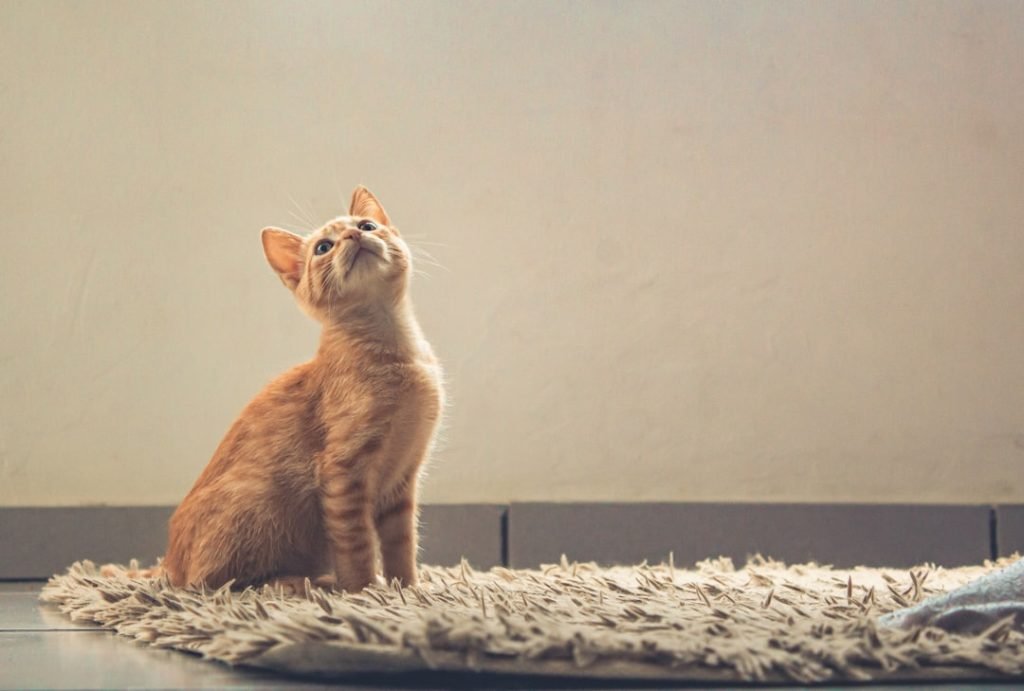
Training your cat might sound tricky, but it’s easier than you think. Imagine having a well-behaved furry friend who listens to you, uses the litter box every time, or even performs simple tricks.
You can make this happen with just a little patience and the right approach. In this guide, you’ll discover simple steps to train your cat effectively, making your life together more enjoyable. Ready to unlock your cat’s potential and build a stronger bond?
Let’s dive in!

Credit: www.happypet.care
Basics Of Cat Behavior
Understanding the basics of cat behavior helps create a strong bond with your feline friend. Cats act based on instincts and communication signals. Recognizing common traits makes training easier and more effective.
Natural Instincts
Cats have hunting instincts that drive their actions. They love to chase, pounce, and stalk. These instincts keep them active and alert. Scratching helps them mark territory and keep claws sharp. Understanding these natural needs guides proper training and care.
Communication Signals
Cats use body language to express feelings. Tail position, ear movement, and eye contact all send messages. A raised tail shows friendliness. Flattened ears mean fear or anger. Slow blinking signals trust and comfort. Listening to these signs improves interaction and training success.
Common Behavioral Traits
- Curiosity leads cats to explore new places and objects.
- Territorial behavior makes cats protect their space.
- Grooming is a daily habit for cleanliness and stress relief.
- Playfulness keeps cats physically and mentally healthy.
- Vocal sounds like meows express different needs or moods.
Knowing these traits helps set realistic training goals. Respecting natural behavior builds a happy, well-adjusted cat.
Preparing For Training
Preparing your cat for training sets the stage for success. It creates a calm, focused environment. Preparation helps your cat feel safe and ready to learn. Small steps make a big difference.
Creating A Safe Space
Choose a quiet room free from distractions. Remove loud noises and sudden movements. Use soft lighting to keep your cat calm. A cozy spot helps your cat feel secure. Keep the area clean and clutter-free.
Gathering Training Tools
Collect items that make training easier. Treats are great rewards for good behavior. Use a clicker or a soft voice for signals. Have toys ready to keep your cat interested. Keep everything within easy reach during sessions.
Setting Realistic Goals
Start with simple commands like “sit” or “come.” Short sessions of five to ten minutes work best. Celebrate small achievements to build confidence. Avoid pushing your cat too fast. Patience helps your cat learn happily.
Training Techniques
Training your cat takes patience and the right approach. Choosing techniques that match your cat’s personality can make the process smoother and more enjoyable for both of you. Let’s look at some effective training techniques that can help you guide your cat’s behavior without stress.
Positive Reinforcement
Positive reinforcement means rewarding your cat for good behavior instead of punishing bad behavior. This encourages your cat to repeat the actions you want to see. For example, if your cat uses the scratching post instead of the furniture, immediately praise or give a treat.
Try to reward your cat right after the desired behavior. Cats live in the moment, so timing is key. Have you noticed how your cat responds better when you reward them quickly?
Clicker Training
Clicker training uses a small device that makes a clicking sound to mark the exact moment your cat does something right. The click is followed by a reward, like a treat or affection. This clear signal helps your cat understand what behavior you want.
Start by clicking and rewarding your cat just for paying attention to the clicker. Once they associate the sound with a reward, use it to mark specific actions like sitting or coming when called. Have you tried using sound cues to get your cat’s attention?
Using Treats Effectively
Treats are powerful motivators, but they work best when used carefully. Choose small, tasty treats that your cat loves but don’t overfeed. Use treats to reinforce good behavior, then gradually reduce how often you give them to maintain the habit.
- Keep treats bite-sized to avoid overfeeding.
- Pair treats with verbal praise or petting.
- Use treats immediately after the desired behavior to connect the reward clearly.
Think about what treats your cat goes crazy for—this can make training sessions more effective. Are you ready to turn training into a fun game for your cat?
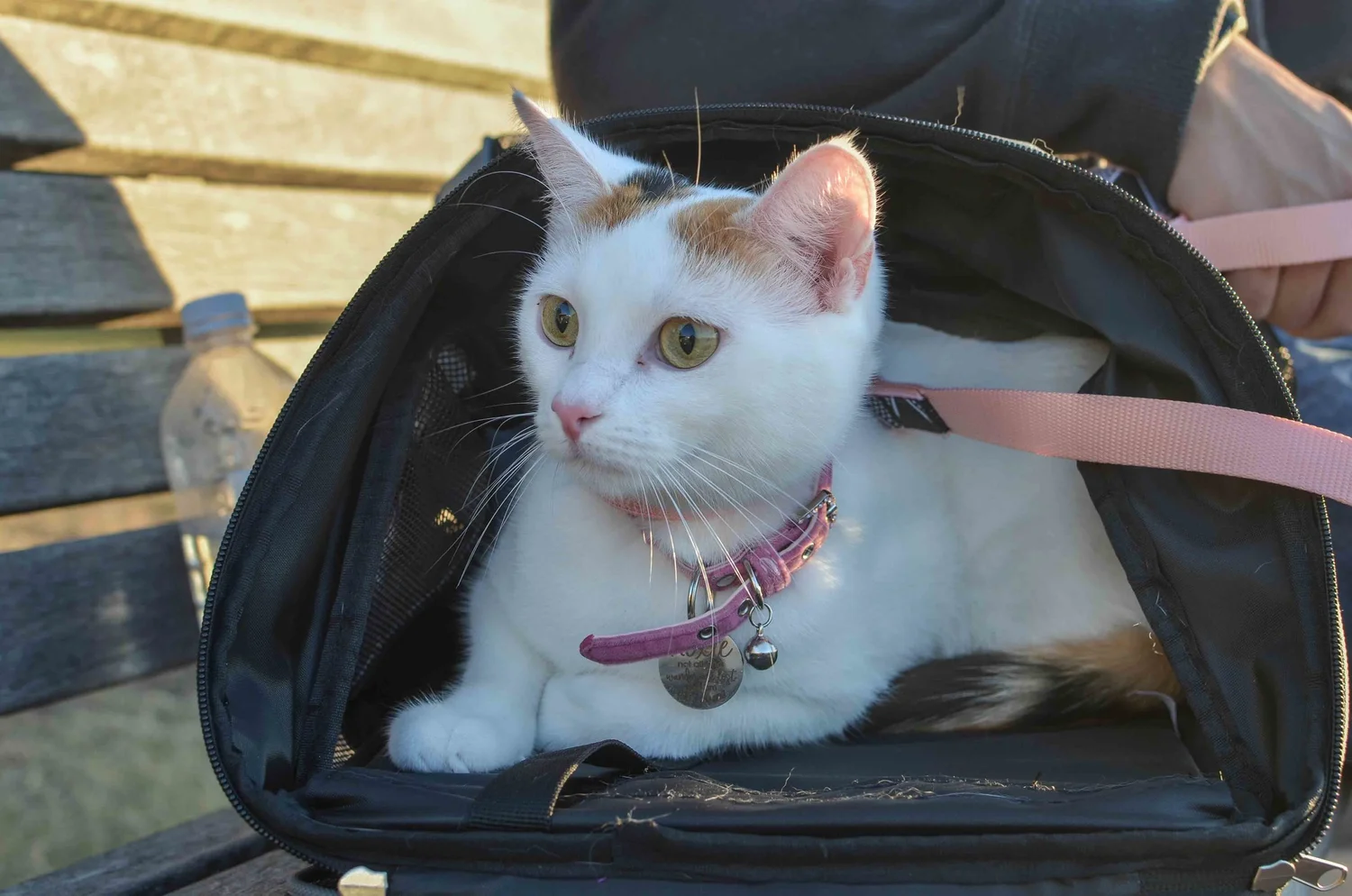
Credit: catexplorer.co
Teaching Essential Commands
Teaching essential commands to your cat builds trust and improves behavior. Cats respond well to clear, simple instructions. Consistency and patience are key during training sessions.
Short training sessions work best. Use positive reinforcement like treats and praise. This helps your cat understand what you want.
Sit And Stay
Teaching your cat to sit and stay improves control and safety. Start by holding a treat close to their nose. Slowly move the treat above their head. The cat will naturally sit to follow it.
Once the cat sits, say “sit” clearly and give the treat. Repeat this several times daily. To teach “stay,” ask the cat to sit first. Show your palm and say “stay.” Step back slowly. If the cat stays, reward immediately.
Come When Called
“Come” is one of the most useful commands for cats. Choose a simple word or sound, like their name or a whistle. Call your cat in a happy tone. When they come, give a treat and pet them gently.
Practice this in quiet areas without distractions. Gradually increase distance and distractions. Always reward your cat for coming quickly.
Litter Box Training
Litter box training is essential for indoor cats. Place the litter box in a quiet, accessible spot. Show your cat the box after meals or naps. Gently place them inside if they seem confused.
Keep the box clean by scooping daily. Use unscented litter to avoid deterring your cat. Praise your cat every time they use the box correctly.
Addressing Unwanted Behavior
Addressing unwanted behavior in cats requires patience and clear communication. Your cat isn’t trying to annoy you; they’re often responding to their environment or needs. Understanding the root cause makes it easier to guide them toward better habits.
Scratching Furniture
Scratching is a natural behavior for cats, but it can quickly become a problem when your furniture is the target. Instead of punishing your cat, provide appealing alternatives like sturdy scratching posts or pads.
Place these scratching spots near the furniture your cat likes to scratch. You can also use catnip or toys to attract them to the new area.
Try covering the scratched furniture with double-sided tape or a protective cover. Cats dislike sticky surfaces, which can discourage them from scratching there.
Excessive Meowing
Excessive meowing often signals that your cat wants attention, food, or is feeling stressed. Observe when your cat meows the most and what might be triggering it.
Respond to meows calmly but avoid giving attention every time they meow, or you could unintentionally encourage the behavior. Instead, reward quiet moments with treats or affection.
Consider adding more playtime or interactive toys if your cat seems bored. Sometimes, meowing is just a way to get you to engage with them.
Aggression And Fear
Aggression and fear in cats usually come from feeling threatened or uncomfortable. Watch your cat’s body language to identify what sets them off.
Give your cat a safe space where they can retreat and relax without disturbance. Gradually introduce new people or animals, and never force interactions.
Use positive reinforcement, like treats or gentle praise, when your cat stays calm in situations that normally cause fear or aggression. This helps build their confidence over time.
Enhancing Bond Through Play
Building a strong bond with your cat goes beyond just feeding and petting. Playtime is a powerful way to connect and understand each other better. It transforms your interactions into shared moments of fun and trust, making your cat more responsive and affectionate.
Interactive Toys
Interactive toys turn play into a two-way communication between you and your cat. Feather wands, laser pointers, and motorized mice encourage your cat to engage actively, mimicking their natural hunting instincts.
Watching your cat chase and pounce on these toys gives you clues about their personality and energy levels. Have you noticed which toy makes your cat perk up the most? That insight helps you choose the right activities to keep them excited and happy.
Scheduled Playtime
Setting a regular playtime routine builds anticipation and creates a sense of security for your cat. Cats thrive on predictability, so having a dedicated time for play helps them stay mentally and physically fit.
Try to keep sessions short but consistent, like 10-15 minutes twice a day. This routine not only boosts your cat’s mood but also strengthens your relationship through shared, enjoyable moments.
Mental Stimulation
Play isn’t just about physical activity—it’s a chance to challenge your cat’s mind. Puzzle feeders and treat-dispensing toys add a layer of mental exercise that keeps your cat sharp and curious.
When your cat figures out how to get a treat, you’ll see their confidence grow. Have you ever seen your cat’s excitement after solving a puzzle? That joy is a sign of a deeper connection forming between you.
Consistency And Patience
Training a cat requires both consistency and patience. Cats learn best through repeated actions and steady routines. Sudden changes or rushing progress can confuse your pet. Patience helps you stay calm and encouraging. This builds trust and makes training more effective.
Establishing A Routine
Create a daily schedule for training sessions. Short sessions work better than long ones. Use the same commands and signals each time. This helps your cat understand what to expect. Consistent timing strengthens habits and makes learning easier.
Tracking Progress
Keep notes on your cat’s behavior and responses. Mark small improvements and areas needing work. This helps adjust your approach and stay motivated. Celebrate little wins to stay positive. Tracking progress shows your cat’s growth over time.
Dealing With Setbacks
Expect some setbacks during training. Cats might ignore commands or lose interest. Stay calm and avoid punishment. Return to simpler tasks and reward success. Setbacks are normal and part of learning. Patience helps your cat regain focus and confidence.
When To Seek Professional Help
Knowing when to seek professional help in training your cat can save you time and frustration. Not all challenges can be handled with simple tips or patience alone. Sometimes, expert intervention is the key to ensuring your cat’s well-being and your peace of mind.
Behavioral Issues
Some behaviors go beyond the usual quirks of cats. Aggression, persistent scratching, or sudden changes in litter box habits might signal deeper problems.
If your cat shows signs of anxiety or fear that interfere with daily life, a professional behaviorist can help identify triggers and offer tailored strategies.
Have you noticed your cat hiding constantly or reacting aggressively to visitors? These are clear signs that expert guidance is necessary.
Health Concerns
Sometimes behavioral changes stem from health issues. If your cat suddenly stops eating, becomes lethargic, or shows signs of pain during training, a vet visit is urgent.
Health problems can mask themselves as training difficulties. A professional can help determine if medical treatment or adjustments in training methods are needed.
Don’t ignore symptoms like excessive grooming or vocalizing; these may require both veterinary and behavioral support.
Finding A Trainer
Choosing the right trainer makes a big difference. Look for someone with experience in feline behavior and positive reinforcement techniques.
Ask for recommendations from your vet or local shelters. Check reviews and certifications to ensure credibility.
- Does the trainer focus on gentle methods?
- Will they create a plan specific to your cat’s personality?
- Do they offer follow-up support?
Remember, training isn’t just about commands; it’s about building trust and understanding. The right professional will guide you and your cat every step of the way.
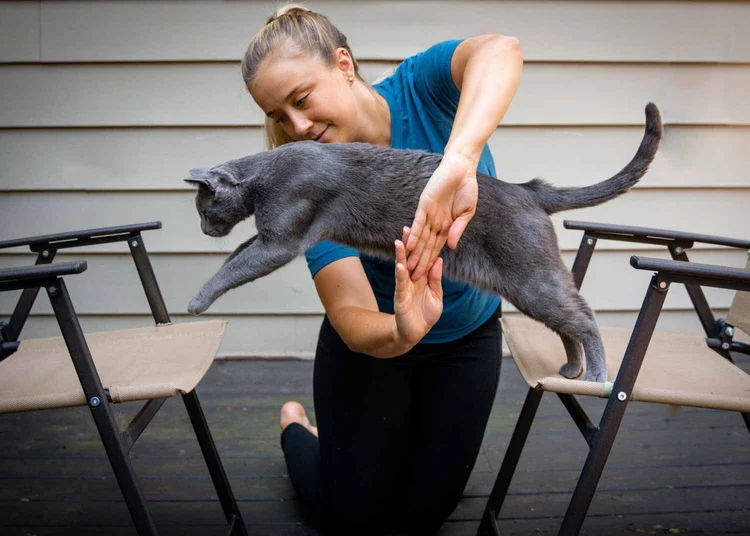
Credit: www.catschool.co
Frequently Asked Questions
How Long Does It Take To Train A Cat?
Training a cat usually takes a few weeks of consistent effort. Patience and positive reinforcement speed up the process. Cats learn best with short, regular sessions and rewards like treats or affection. Each cat’s pace varies, so adapt your training to your cat’s personality and progress.
What Are The Best Methods To Train A Cat?
Positive reinforcement is the most effective method to train cats. Use treats, praise, and play as rewards for desired behaviors. Avoid punishment, as it can cause fear and confusion. Clicker training also works well, helping cats associate a sound with a reward and specific behavior.
Can I Train My Cat To Use The Litter Box?
Yes, most cats easily learn litter box use. Place the box in a quiet, accessible spot. Keep it clean and use litter your cat prefers. Reward your cat immediately after they use the box. Consistency and patience are key to successful litter training.
How Do I Stop My Cat From Scratching Furniture?
Provide scratching posts and reward your cat for using them. Place posts near furniture initially to redirect scratching behavior. Use deterrents like double-sided tape on furniture. Trim your cat’s nails regularly to minimize damage. Consistent training helps your cat develop good scratching habits.
Conclusion
Training a cat takes time and patience. Small steps work best for your pet. Use treats and praise to encourage good behavior. Keep training sessions short and fun. Remember, every cat learns at its own pace. Stay calm and consistent throughout the process.
Enjoy the bond you build together. A well-trained cat is happier and easier to live with. Keep practicing, and you will see progress soon.
