

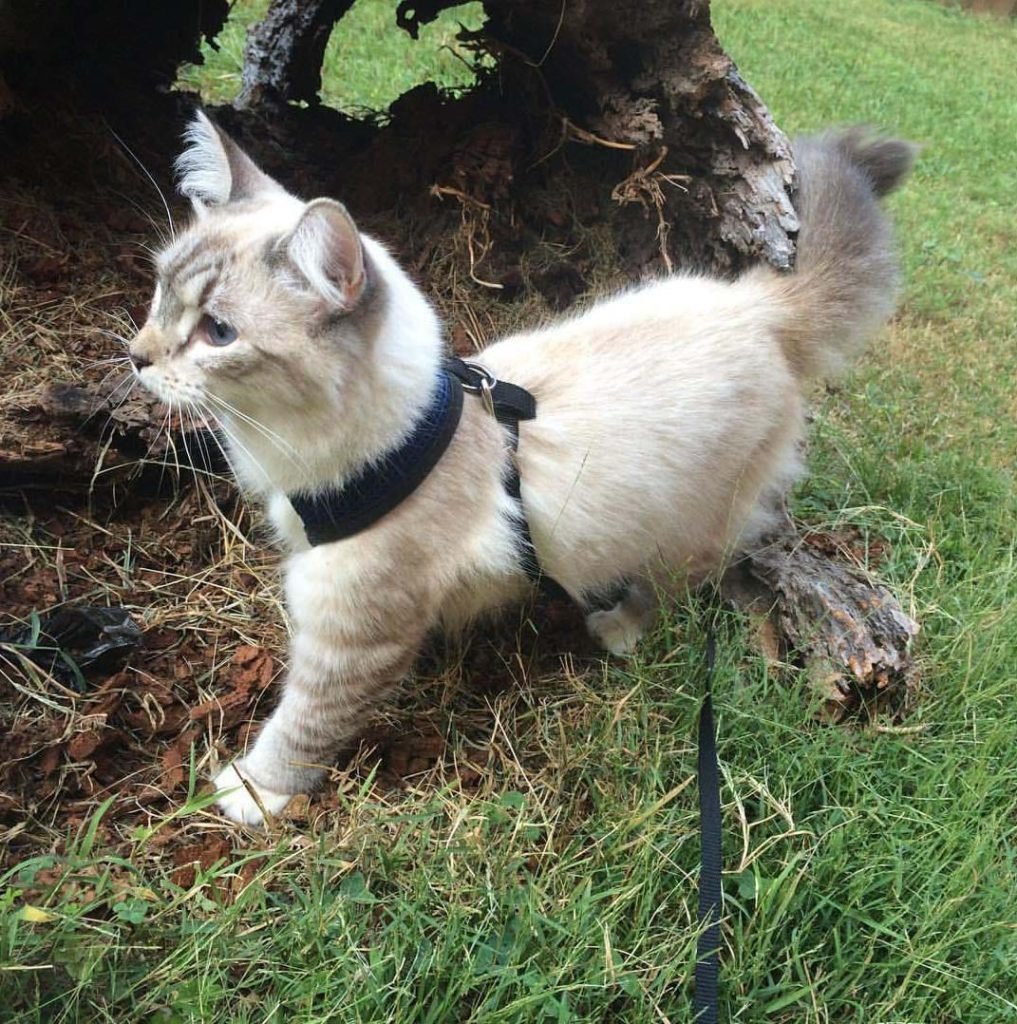
Have you ever wished you could take your cat for a walk just like a dog? Training your cat to walk with a leash might seem tricky, but it’s easier than you think.
Imagine enjoying fresh air together, watching your curious cat explore safely by your side. In this guide, you’ll discover simple, step-by-step tips to help your cat get comfortable with a leash. By the end, you’ll be ready to turn your daily strolls into fun adventures you both look forward to.
Keep reading to unlock the secret to leash training your cat with confidence!
Choosing The Right Leash And Harness
Choosing the right leash and harness is key for walking a cat safely. The right gear keeps your cat comfortable and secure. It also helps your cat enjoy the walk more. This section covers the types of harnesses, materials, and how to find the best fit for your cat.
Types Of Harnesses For Cats
Different harnesses suit different cats. The most common types include:
- H-Style Harness:Simple design with straps around the neck and chest.
- Vest Harness:Covers more of the body and offers extra security.
- Figure-8 Harness:Loops around the neck and chest in a figure-eight shape.
Vest harnesses are often best for shy or small cats. H-style suits active cats that tolerate straps well.
Materials And Comfort
Material affects comfort and durability. Common materials include:
- Nylon:Lightweight and easy to clean.
- Mesh:Breathable and soft, good for warm weather.
- Leather:Strong but less flexible and heavier.
Choose soft, padded materials to avoid skin irritation. Avoid harnesses with rough edges or stiff parts.
Sizing And Fit Tips
Proper fit keeps your cat safe and comfortable. Follow these tips:
- Measure your cat’s neck and chest before buying.
- Choose adjustable harnesses for a snug but not tight fit.
- Ensure two fingers can fit between the harness and your cat’s body.
- Check harness fit often and adjust as needed.
A well-fitted harness prevents escapes and lets your cat move freely. Test the fit indoors before going outside.

Credit: www.outdoorbengal.com
Preparing Your Cat For Leash Training
Getting your cat ready for leash training takes patience and understanding. You want to make sure your cat feels safe and comfortable before stepping outside. Preparing your cat properly can make the whole experience smoother and more enjoyable for both of you.
Introducing The Harness Indoors
Start by letting your cat explore the harness without putting it on. Leave it near their favorite resting spots or play areas. This helps your cat get used to the sight and smell of the harness without feeling threatened.
Once your cat seems curious but calm, gently place the harness on them for a few minutes. Don’t fasten it tightly at first—just enough to get them used to the feeling. Keep these moments short and positive to avoid stress.
Building Positive Associations
Every time your cat interacts with the harness, reward them with treats or gentle praise. This creates a link between the harness and positive experiences. You can also try playing their favorite game while the harness is on to distract and encourage them.
Think about what your cat loves most—is it treats, petting, or playtime? Use those rewards strategically to build excitement rather than fear around the harness.
Short Practice Sessions
Once your cat accepts the harness indoors, attach the leash and let them drag it around in a safe space. Watch closely to make sure they don’t get tangled or frightened. Keep these sessions brief—just a few minutes at first.
Gradually increase the time as your cat grows more confident. Ask yourself: How is your cat reacting? Are they curious or trying to hide? Adjust the pace to match their comfort level and always end on a positive note.
Step-by-step Leash Training Process
Training a cat to walk with a leash takes patience and care. This process helps your cat feel safe and enjoy outdoor walks. Small steps build trust and comfort with the leash. Follow this simple guide to make leash training smooth and fun for your cat.
Attaching The Leash Safely
Choose a soft, comfortable harness designed for cats. Avoid collars; they can harm your cat’s neck. Let your cat wear the harness indoors first. Let them explore and get used to the feel. Attach the leash gently and watch your cat’s reaction. Never pull or force the leash.
Encouraging Movement
Start indoors with short leash sessions. Use treats or toys to motivate your cat. Move slowly and follow your cat’s lead. Praise your cat when they walk with the leash. Gradually increase the time spent walking. Let your cat explore new areas at their own pace.
Handling Resistance And Anxiety
Some cats may freeze or try to run. Stay calm and avoid sudden moves. Give your cat space and time to relax. Use soft voices and gentle petting to soothe them. If needed, take a break and try again later. Never punish your cat for resisting.

Credit: www.purina.com
Safety Tips For Outdoor Walks
Taking your cat outdoors on a leash is exciting but requires care. Safety is key to keep your cat calm and protected. Outdoor walks can have many risks, so being prepared helps avoid problems. Here are important safety tips for your cat’s outdoor adventures.
Choosing Safe Walking Locations
Pick quiet places with little traffic. Parks and quiet streets work well. Avoid busy roads or areas with loud noises. Look for spaces with shade and soft ground. Avoid places with many dogs or wild animals. Choose spots free from harmful plants or chemicals.
Watching For Hazards
Keep eyes open for dangers like broken glass or sharp sticks. Watch out for holes or uneven ground your cat could fall into. Avoid puddles or standing water that may carry germs. Be alert for cars, bikes, or runners nearby. Always keep your cat close and ready to pull back.
Managing Interactions With Other Animals
Other animals can scare or hurt your cat. Stay calm and do not let your cat chase or fight. Keep distance from dogs, birds, or wildlife. Use a short leash for better control. If an animal approaches, move away slowly and calmly. Protect your cat’s space and stay alert to sudden movements.
Common Challenges And Solutions
Training a cat to walk on a leash comes with unique challenges. Patience and understanding are key. Recognizing common issues early helps you guide your cat better. Here are some typical problems and ways to handle them effectively.
Dealing With Fearful Behavior
Cats may feel scared outside. Strange noises and new places can overwhelm them. Start by letting your cat explore indoors with the harness on. Use calm voices and gentle petting to build trust. Gradually introduce short outdoor sessions in quiet spots. Always watch for signs of stress like crouching or hiding. Give your cat breaks and retreat if needed. Praise and treats encourage bravery.
Preventing Leash Tugging
Leash tugging is common when cats get excited or confused. Avoid pulling back hard; it frightens your cat. Instead, stop walking and wait calmly for the leash to slacken. Reward your cat with treats for staying close. Use a lightweight leash for better control. Keep walks slow and steady to reduce sudden pulls. Regular practice helps your cat learn leash manners.
Keeping Your Cat Engaged
Cats lose interest quickly outdoors. Bring favorite toys or treats to keep attention. Change walking routes to spark curiosity. Talk softly to your cat during walks. Let your cat sniff and explore safely. Short, fun sessions work better than long walks. Engagement makes leash training a positive experience.

Credit: lifeandcats.com
Benefits Of Leash Training For Cats
Training your cat to walk with a leash opens up new possibilities for both of you. It’s not just about safety or control—it actually offers several benefits that can improve your cat’s health and happiness. Have you ever noticed how curious cats get bored indoors? Leash training can change that.
Physical Exercise
Walking on a leash gives your cat a chance to move more than they usually do indoors. This helps them stay fit and avoid problems like obesity. Even short walks can boost your cat’s energy levels and keep their muscles strong.
If your cat tends to nap all day, leash walks can add much-needed activity. Think about how you feel after a good walk outside—your cat enjoys that too, just in their own way.
Mental Stimulation
Exploring new sights, sounds, and smells keeps your cat’s mind sharp. Leash walks expose them to different environments that challenge their senses. This mental exercise can reduce boredom and prevent destructive behavior.
Have you noticed your cat’s interest in birds or rustling leaves? Walking outside provides endless new things to discover, which can make your cat more curious and alert.
Strengthening The Bond
Leash training creates special moments between you and your cat. It requires patience and trust, which deepens your connection. You become your cat’s guide and protector on these outdoor adventures.
When your cat follows you on a leash, they show confidence in you. This shared experience can make your relationship stronger and more rewarding for both of you.
Frequently Asked Questions
How Long Does It Take To Train A Cat To Leash Walk?
Training time varies but usually takes a few weeks. Consistent, short sessions daily help cats adjust. Patience and positive reinforcement speed up the process. Each cat learns at its own pace, so stay calm and encouraging throughout training.
What Type Of Harness Is Best For Leash Walking Cats?
Choose a lightweight, secure harness designed for cats. H-style or vest harnesses provide comfort and prevent escapes. Avoid collars as cats can slip out easily. Ensure the harness fits snugly but not too tight for safety and comfort.
Can All Cats Be Trained To Walk On A Leash?
Most cats can learn leash walking with patience. Some breeds or shy cats may resist initially. Early socialization and positive experiences improve success rates. Always respect your cat’s personality and comfort levels during training.
How Do I Introduce My Cat To A Leash Safely?
Start indoors in a calm environment with the harness on. Let your cat wear it for short periods to get used. Attach the leash gently and follow your cat’s lead. Reward calm behavior with treats and praise to build trust.
Conclusion
Training a cat to walk with a leash takes time and patience. Start slow and be gentle with your pet. Use treats and praise to encourage good behavior. Keep sessions short and fun to avoid stress. Watch your cat’s body language closely.
Every cat learns at its own pace. Enjoy the bonding time during your walks. With care, your cat can enjoy the outdoors safely. Stay consistent and positive throughout the process. Walking a cat on a leash can bring joy to both of you.
