

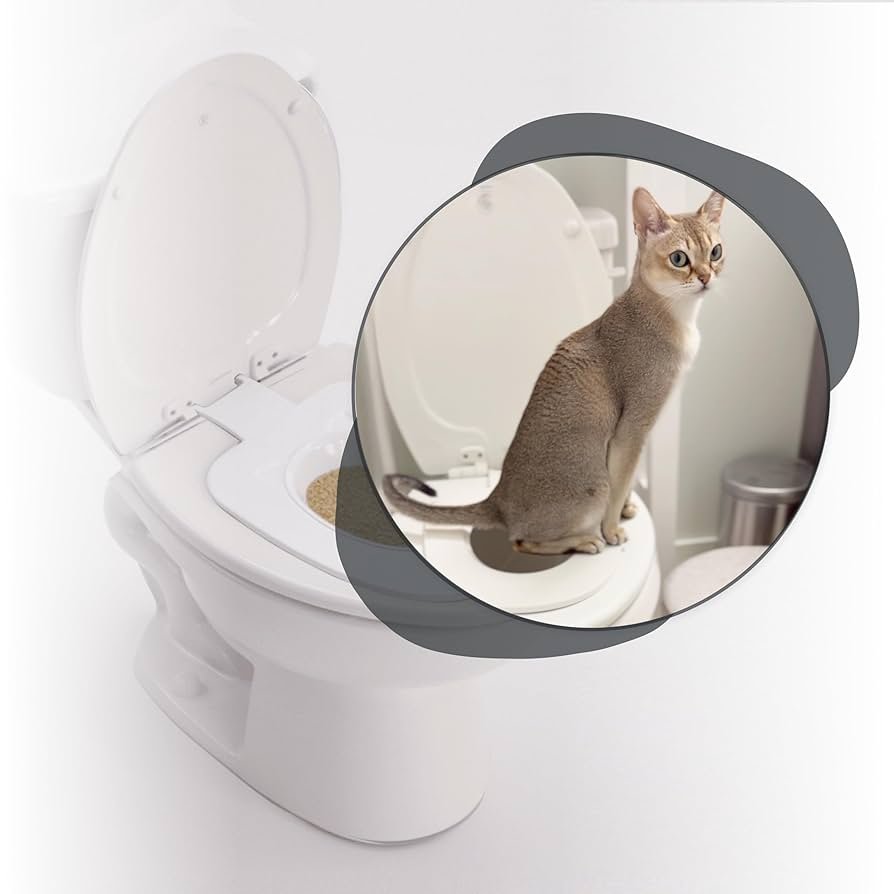
Are you tired of cleaning the litter box every day? Imagine if your cat could use the toilet just like you do.
It sounds too good to be true, but with the right steps, you can teach your furry friend this amazing skill. Not only will this save you time and money, but it can also make your home cleaner and fresher.
Keep reading, and you’ll discover simple, effective ways to train your cat to use the toilet—no stress, no mess, just success. Ready to change the way you care for your cat forever? Let’s dive in.
Benefits Of Toilet Training Cats
Training a cat to use the toilet offers many benefits for both pets and owners. It helps keep the home cleaner and reduces the need for litter boxes. Toilet training can save money on cat litter and lower maintenance time. It also helps reduce odors from litter boxes. This training can make life easier, especially in small spaces. Understanding these benefits shows why toilet training is worth trying.
Reduces Mess And Odors
Toilet training stops cats from spreading litter around. No more tracking litter through the house. It also eliminates strong smells from dirty litter boxes. The bathroom stays cleaner and fresher with less effort.
Saves Money On Cat Litter
Cat litter costs add up over time. Toilet training removes this expense. No need to buy, store, or dispose of litter. This saves money and helps the environment.
Frees Up Space In Your Home
Litter boxes take up space in any room. Training cats to use the toilet frees that space. This is great for small homes or apartments. It makes the living area feel more open and tidy.
Reduces Cleaning Time
Cleaning litter boxes can be a daily chore. Toilet training cuts down this task. Less cleaning means more time for fun and relaxation. It simplifies pet care routines significantly.
Encourages Healthy Cat Behavior
Using the toilet can stimulate a cat’s natural instincts. It teaches discipline and good habits. This can lead to fewer accidents outside the bathroom. Cats feel more comfortable and confident with training.
Credit: www.amazon.com
Preparing Your Cat For Training
Preparing your cat for toilet training is a crucial phase that sets the tone for the entire process. It involves creating a comfortable and encouraging environment where your cat feels safe and curious about the change. Before you start, understanding your cat’s personality and setting up the right space can make all the difference.
Choosing The Right Location
Pick a quiet spot near your cat’s current litter box to start the training. Cats dislike sudden changes, so placing the toilet training setup close to their regular bathroom area helps them adjust gradually.
Make sure the location is free from loud noises and heavy foot traffic. A calm environment reduces stress and keeps your cat focused.
Gathering Necessary Supplies
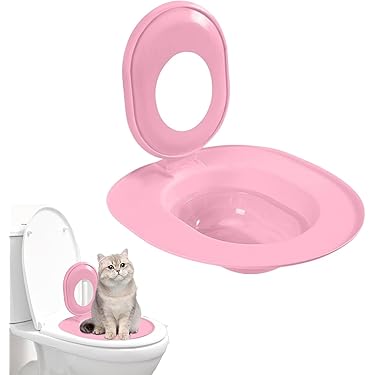
Having the right supplies ready is key to smooth training. You will need a special toilet training seat designed for cats, which fits securely on your toilet.
Additionally, keep some flushable litter handy to mimic their usual litter box experience. Treats and toys can also help reward progress and keep your cat motivated.
Assessing Your Cat’s Temperament
Not every cat adapts easily to toilet training. Observe how your cat reacts to new experiences and changes in routine.
If your cat is shy or easily stressed, introduce changes slowly and be patient. On the other hand, curious and confident cats often pick up new habits faster.
Have you noticed how your cat handles surprises? This insight will guide how quickly you move through the training steps.
Step-by-step Toilet Training Process
Training your cat to use the toilet can seem like a big challenge, but breaking it down into clear, manageable steps makes it easier. Each phase helps your cat get comfortable with a new routine at their own pace. Patience and consistency are key—your cat needs time to adjust without feeling rushed or stressed.
Introducing The Litter Box Near The Toilet
Start by moving your cat’s litter box closer to the bathroom, right next to the toilet. This helps your cat get used to the new location gradually. You might notice they explore the area more, which is a good sign of curiosity and acceptance.
Keep the litter box in this spot for a few days. Watch how your cat responds. Do they seem comfortable? If yes, you’re ready to take the next step.
Gradually Raising The Litter Box Height
Slowly raise the litter box’s height to match the toilet seat. Use sturdy objects like phone books or boxes to support it. Don’t raise it too quickly; your cat needs time to adjust to the new height.
Raise the box a few inches every couple of days. This helps your cat build confidence and balance. Pay attention to any signs of discomfort and slow down if needed.
Using A Training Seat On The Toilet
Replace the litter box with a special cat training seat that fits over the toilet bowl. These seats hold litter and have a hole in the middle that you gradually enlarge. Your cat learns to balance and use the toilet while still feeling familiar litter underfoot.
Initially, fill the training seat with enough litter to mimic the litter box feel. Over time, make the hole bigger to encourage your cat to go directly into the toilet water. This part requires patience—some cats take longer to accept this change.
Reducing Litter Amount
Slowly reduce the amount of litter in the training seat. Your cat will start to rely more on the toilet itself than on the litter. This shift is crucial for successful toilet use.
Observe if your cat is comfortable during this phase. If they hesitate, add a little more litter temporarily. Your goal is to make the litter less necessary without causing stress.
Encouraging Use Of The Toilet Seat
Once your cat is comfortable with minimal litter, remove the training seat entirely. Encourage your cat to balance on the bare toilet seat. You might need to leave the toilet lid up and the bathroom door open.
Reward your cat with treats or praise when they use the toilet correctly. Consistent positive reinforcement helps them understand what you want. Have you noticed how cats respond better to rewards than punishments?
Common Challenges And Solutions
Training a cat to use the toilet can be rewarding but comes with challenges. Each cat reacts differently to change. Patience and understanding help overcome most problems. Expect some bumps on the way. Here are common issues and ways to handle them effectively.
Dealing With Accidents
Accidents happen during toilet training. Cats may miss the toilet or avoid it entirely. Clean the area thoroughly to remove odors. Use an enzyme cleaner to prevent repeat accidents. Avoid punishing the cat; it causes fear and confusion. Instead, gently guide the cat back to the toilet routine. Keep the litter box nearby at first for safety.
Managing Fear Or Resistance
Some cats feel scared or resist the toilet. Loud noises or sudden changes can increase fear. Create a calm environment around the toilet area. Use treats and praise to encourage positive behavior. Let the cat explore the toilet area at its own pace. Do not rush the training steps. Small, slow changes reduce anxiety and build trust.
Handling Regression
Regression is common during toilet training. Cats may return to old habits temporarily. Track any triggers like stress or illness. Return to earlier training steps if needed. Reinforce positive behavior with rewards. Stay consistent and patient throughout the process. Remember, setbacks are normal and part of learning.
Maintaining Toilet Training Success
Keeping your cat successfully toilet trained requires ongoing effort and attention. It’s not just about teaching them once; it’s about maintaining good habits and ensuring their comfort and health over time. Small adjustments and mindful care can make a big difference in sustaining this achievement.
Cleaning And Hygiene Tips
Even though your cat uses the toilet, hygiene remains crucial. Regularly clean the toilet seat and surrounding area to prevent odors and keep it inviting for your cat.
Use pet-safe cleaning products to avoid any harmful residues. Also, consider wiping the seat down before each use to keep it fresh.
Have you noticed your cat hesitating? It might be because of an unclean spot. Keeping the area spotless encourages your cat to stick with the habit.
Monitoring Your Cat’s Health
Toilet training changes how your cat relieves itself, so watch for any health issues. Check for signs like straining, unusual posture, or reluctance to use the toilet, which might indicate discomfort.
Keep an eye on your cat’s litter box during the transition period for any changes in urine or stool that could signal health problems.
Regular vet check-ups help catch issues early. Have you ever thought about how subtle changes in behavior might reveal hidden health concerns?
Keeping Consistency
Consistency is the backbone of maintaining toilet training success. Make sure everyone in your household follows the same routine to avoid confusing your cat.
Keep the toilet setup exactly the same, and avoid switching back to the litter box unless absolutely necessary. Cats thrive on routine and clear expectations.
If your cat seems unsure, gently guide them back to the toilet without punishment. Have you seen how patience and steady reinforcement can make a difference?

Credit: www.youtube.com
When Toilet Training Might Not Be Right
Toilet training a cat is not always the best choice. Some cats may find it stressful or confusing. It is important to watch your cat’s behavior and mood closely. If your cat seems anxious or avoids the toilet area, this method may not suit them. Consider their comfort and well-being before continuing.
Considering Your Cat’s Personality
Every cat has a unique personality. Some cats are curious and adaptable, while others are shy and cautious. Bold cats might learn toilet training quickly. Shy cats may resist changes to their routine. Older cats or those with health issues might struggle. Patience and understanding are key. Respect your cat’s limits to avoid stress or fear.
Alternative Solutions
Toilet training is not the only option. You can try different methods to keep your home clean and your cat happy.
- Use high-quality litter that controls odor well.
- Place multiple litter boxes in quiet areas.
- Try covered litter boxes for privacy.
- Clean litter boxes regularly to encourage use.
- Consider self-cleaning litter boxes for convenience.
These alternatives support your cat’s natural habits. They can be easier to manage and less stressful for your pet.

Credit: www.youtube.com
Frequently Asked Questions
How Long Does Toilet Training Take For Cats?
Toilet training a cat usually takes 4 to 8 weeks. The process requires patience and consistency for best results. Some cats may adapt faster, while others need more time. Gradual steps and positive reinforcement improve success rates significantly.
What Supplies Do I Need To Train My Cat?
You need a training seat, flushable litter, and treats. A special toilet training kit helps transition from litter box to toilet. Patience and rewards encourage your cat’s learning. Avoid harsh punishments during training to keep your cat calm.
Can All Cats Learn To Use The Toilet?
Most cats can learn toilet use, but some resist. Cats with anxiety or medical issues may struggle. Older cats might take longer to adapt. Always observe your cat’s comfort and progress closely throughout training.
Is Toilet Training Safe For Cats?
Yes, toilet training is safe when done gradually. Avoid rushing steps to prevent accidents or stress. Ensure your cat can easily balance on the seat. Watch for any signs of discomfort or fear during training.
Conclusion
Training a cat to use the toilet takes time and patience. Small steps help your cat learn faster and feel safe. Reward your cat with praise and treats for good behavior. Stay calm if your cat makes mistakes along the way.
A clean toilet area encourages your cat to keep trying. This training saves litter and keeps your home fresh. Remember, every cat learns at its own pace. Enjoy the process and celebrate small wins together.
