

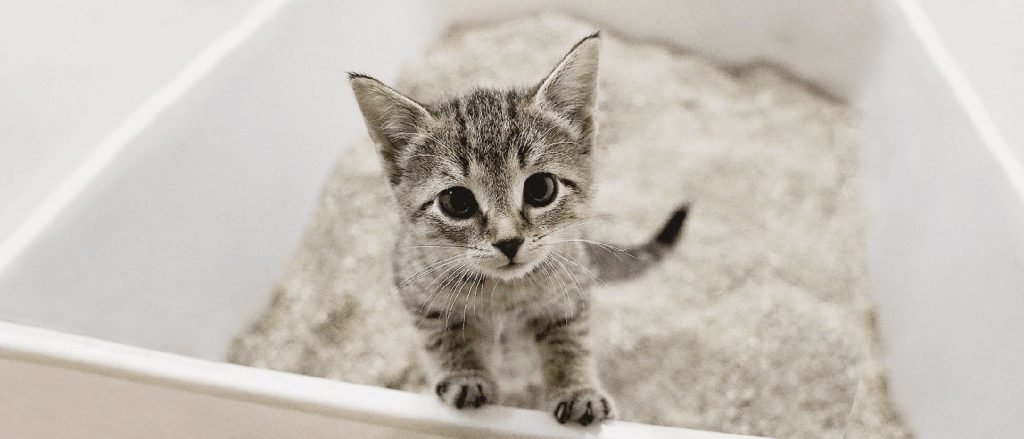
Getting your cat to use the litter box might seem tricky, but it doesn’t have to be. If you want a clean home and a happy pet, training your cat is the key.
Imagine never having to worry about accidents on your floor again. You’ll discover simple, effective steps that anyone can follow to teach their cat good bathroom habits. By the end, you’ll feel confident and ready to create a stress-free environment for both you and your furry friend.
Keep reading to unlock the secrets of easy litter box training!
Credit: www.petsradar.com
Choosing The Right Litter Box
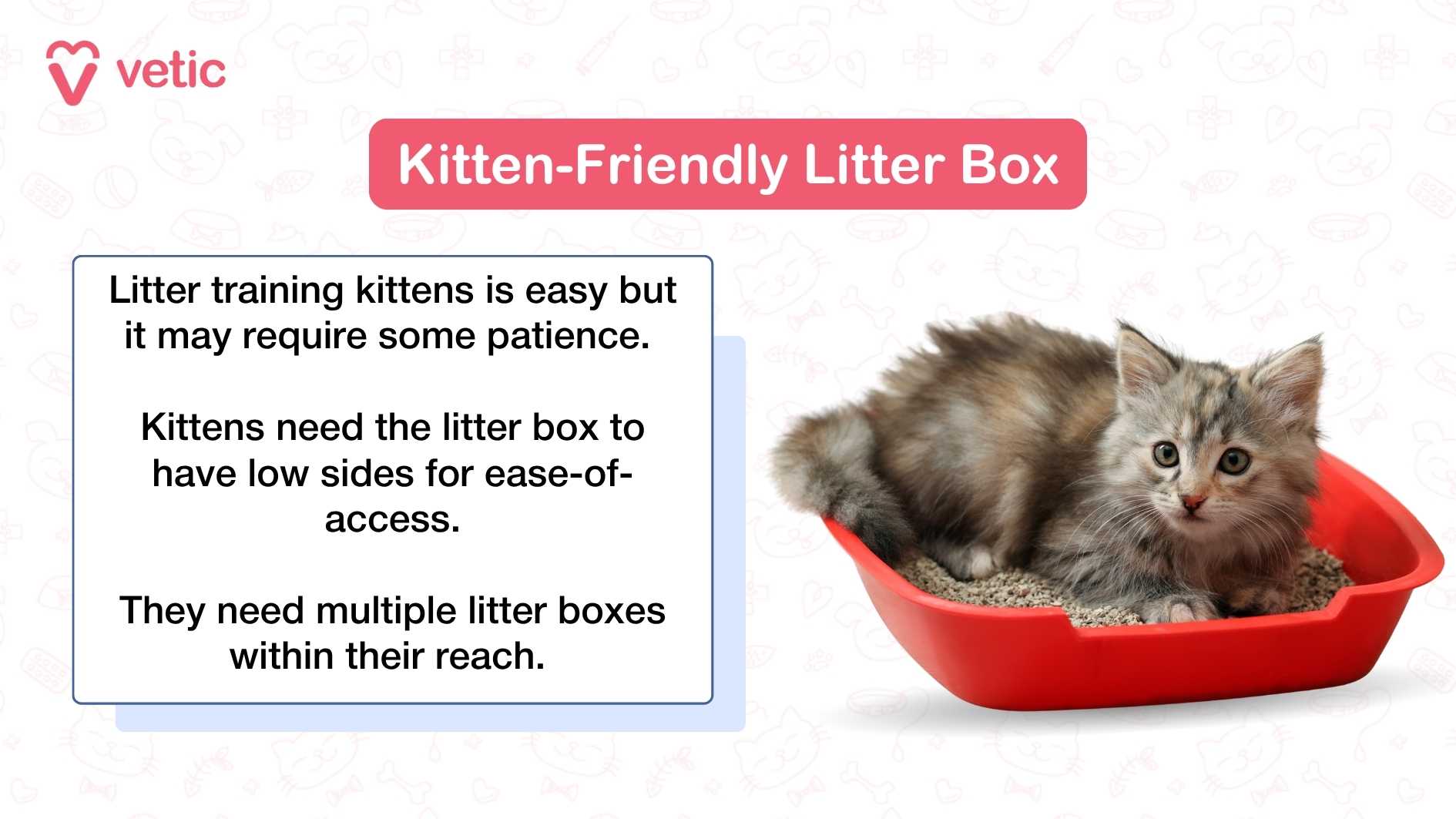
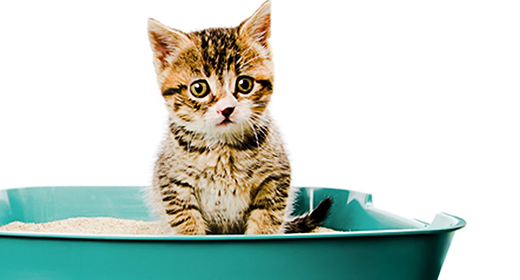
Choosing the right litter box plays a crucial role in teaching your cat to use it consistently. The ideal litter box fits your cat’s size, preferences, and your living space. Selecting the wrong box can lead to accidents and frustration for both you and your cat.
Size And Type Options
Your cat needs enough room to turn around and dig comfortably. Small boxes might seem convenient but can deter your cat from using them. Consider a larger box, especially for bigger breeds, to make your cat feel secure.
There are several types available:
- Standard rectangular boxes:Simple and easy to clean, great for most cats.
- Sifting boxes:Help with quick cleaning by separating waste from clean litter.
- Self-cleaning boxes:Useful if you want to reduce maintenance but may intimidate shy cats.
Think about your cat’s habits. Does your cat like to dig a lot? A deeper box might be better. Does your cat prefer privacy? Covered boxes might suit them.
Open Vs Covered Boxes
Open boxes provide more ventilation and are easier for you to clean. Many cats prefer open boxes because they feel less trapped.
Covered boxes offer privacy and reduce litter scatter. However, some cats dislike the enclosed space and may avoid the box altogether. If your cat seems hesitant, try an open box first.
Try observing your cat’s behavior. Does your cat enter a covered box easily or hesitate at the entrance? This can guide your choice.
Placement Tips
Where you place the litter box matters as much as the box itself. Cats prefer quiet, low-traffic areas where they won’t be startled.
Avoid placing the box near your cat’s food or water dishes. Cats are clean animals and separate their eating and bathroom areas naturally.
Think about your home layout. Can you find a private corner with good ventilation? If space is tight, try placing the box near a less-used room or behind a piece of furniture.
Have you noticed where your cat tends to go when they’re avoiding the box? Placing the box near that spot might help retrain them.
Selecting The Best Litter
Choosing the right litter is key to helping your cat use the litter box. Cats have their own likes and dislikes about litter. The best litter feels natural and comfortable for your pet. It also controls odor and is easy to clean. Finding the right litter can reduce accidents and make training easier.
Types Of Cat Litter
There are many types of cat litter available. Clay litter is common and affordable. Clumping clay forms solid clumps for easy scooping. Silica gel litter absorbs moisture and controls odor well. Natural litters use materials like corn, wheat, or pine. They are biodegradable and gentle on paws. Each type has pros and cons depending on your cat’s needs.
Scented Vs Unscented
Scented litter has added fragrances to mask odors. Some cats dislike strong smells and avoid the box. Unscented litter has no fragrance and feels more natural. Most cats prefer unscented litter because it does not irritate their nose. Choosing unscented litter helps keep your cat comfortable and willing to use the box.
Texture Preferences
Cats have different texture preferences for their litter. Some like fine, soft granules that feel like sand. Others prefer coarser, larger particles. Watch how your cat reacts to different textures. Avoid rough or dusty litter that can irritate paws or lungs. A texture your cat enjoys encourages regular use of the litter box.
Preparing Your Cat
Preparing your cat for litter box training sets the foundation for success. It’s about creating a comfortable space and building your cat’s confidence. Paying attention to how your cat reacts in the first few days can guide you in making adjustments quickly.
Introducing The Litter Box
Start by placing the litter box in a quiet, accessible area. Avoid noisy or high-traffic spots where your cat might feel exposed or scared. If your cat is shy, try putting the box near their favorite resting spot to encourage curiosity.
Keep the litter box clean from the beginning. Cats dislike dirty spaces, so scooping it daily helps them associate the box with a pleasant experience. Have you noticed your cat’s preferred spots at home? Placing the box nearby can make the transition smoother.
Encouraging Exploration
Let your cat sniff and explore the litter box at their own pace. You can gently place them inside after meals or naps to build familiarity. Some cats respond well if you lightly scratch the litter with your fingers to show its purpose.
Avoid forcing your cat into the box, as this can create fear or resistance. Instead, use patience and observe how they interact with it. What small signs does your cat give when they’re curious? These moments are your opportunity to encourage gentle exploration.
Positive Reinforcement
Reward your cat immediately after they use the litter box. Use treats, gentle petting, or a calm voice to reinforce good behavior. Positive feedback teaches your cat that using the box leads to pleasant outcomes.
Consistency is key—reward every successful visit during the training period. Have you tried varying the rewards to keep your cat interested? Some cats respond better to playtime or a favorite toy as a reward.
Credit: vetic.in
Training Techniques
Training your cat to use the litter box can seem tricky, but the right techniques make a huge difference. Consistency and positive reinforcement are key. Let’s look at practical ways to guide your cat gently toward good habits.
Timing And Routine
Set a regular schedule for your cat’s litter box visits. Cats often need to go after meals or naps, so placing them in the box during these times helps build routine.
Observe your cat’s natural bathroom patterns. Are they more active in the morning or evening? Adjust your timing accordingly to catch those moments.
Consistency is crucial. If your cat uses the box at the same times daily, it becomes an easy habit for them to follow.
Using Treats And Praise
Reward your cat immediately after they use the litter box. A small treat or gentle praise reinforces the behavior you want.
Speak in a calm, happy tone to encourage your cat. They respond well to your voice and attention.
Try to avoid overfeeding treats. Instead, keep rewards special and meaningful so your cat stays motivated.
Handling Accidents
Accidents happen, especially during training. Don’t punish your cat; it can create fear and confusion.
Clean the area thoroughly to remove any scent. Cats tend to return to spots where they smell urine.
Instead of scolding, gently place your cat in the litter box after an accident. This teaches them where to go without stress.
Common Challenges
Training your cat to use the litter box can come with a set of challenges that might test your patience. Recognizing these common hurdles early on helps you respond effectively and keeps both you and your feline friend happy. Let’s look at some issues that often arise and how to tackle them.
Avoiding Litter Box Aversion
Cats can develop an aversion to their litter box for several reasons. Sometimes, the box might be dirty, placed in a noisy area, or use a litter type your cat dislikes.
Try cleaning the box daily and placing it in a quiet, accessible spot. If your cat avoids a certain type of litter, experiment with unscented, clumping varieties. Have you noticed your cat stepping in and out quickly? This could be a sign they find the texture uncomfortable.
Dealing With Multiple Cats
Having more than one cat means managing multiple preferences and social dynamics. Some cats guard the litter box or feel stressed by sharing.
Provide at least one litter box per cat, plus one extra. This reduces competition and encourages good habits. Observe your cats’ behavior—if one is blocking access, you might need to separate their boxes to different rooms.
Addressing Health Issues
Sometimes, a cat’s refusal to use the litter box signals health problems like urinary tract infections or digestive issues. Ignoring these signs can worsen your cat’s discomfort and litter habits.
Watch for symptoms such as straining, blood in urine, or sudden changes in litter box use. A prompt vet visit can diagnose and treat issues early, helping your cat return to normal quickly. Have you noticed any unusual behavior around the litter box lately?
Maintaining Cleanliness
Keeping the litter box clean helps your cat stay comfortable and healthy. A clean box encourages regular use and prevents accidents around the house. Maintaining cleanliness also reduces bad smells and keeps your home fresh. Consistency is key to a happy cat and a clean environment.
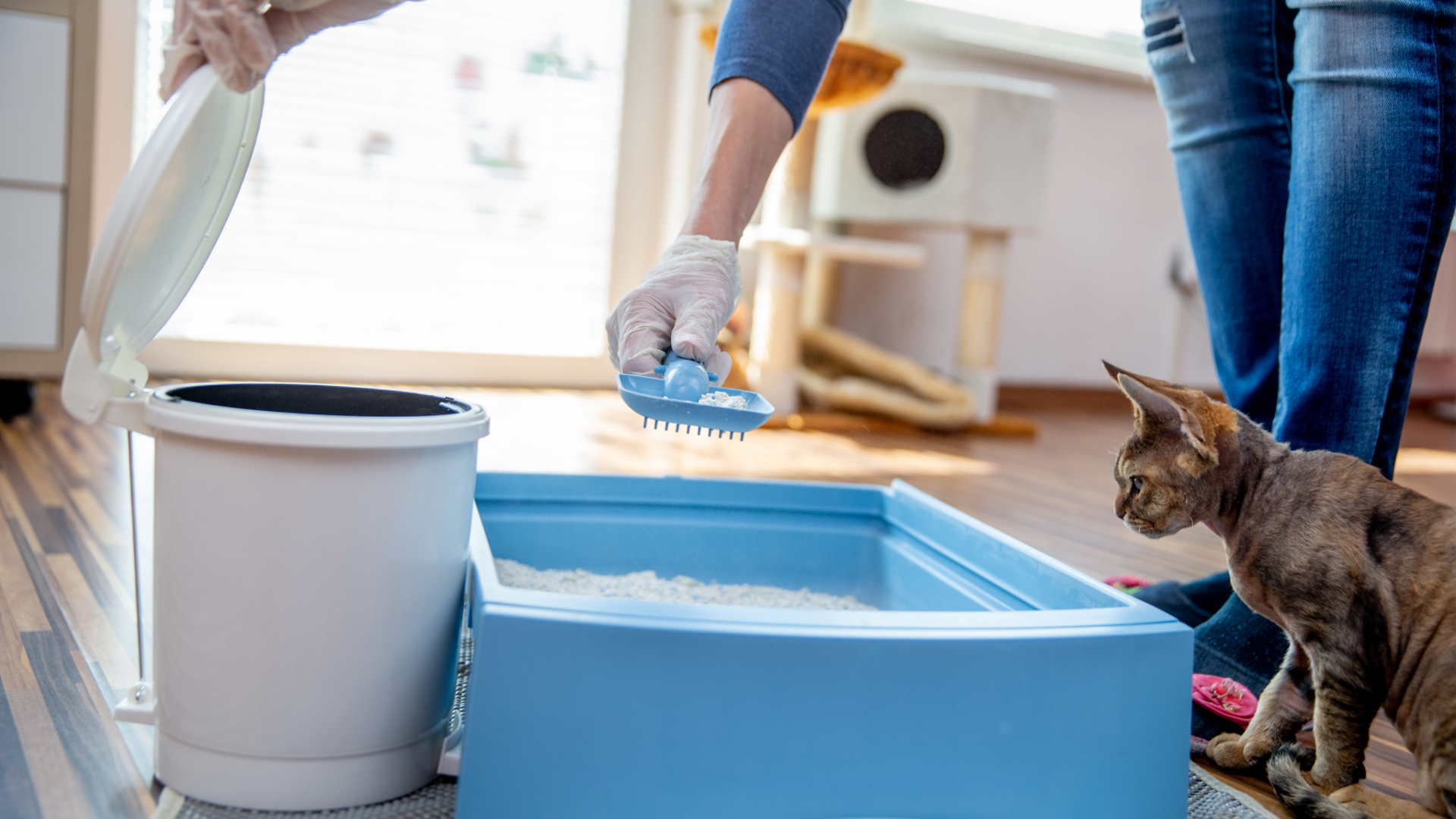
Daily Cleaning Tips
- Scoop out waste at least once every day.
- Remove clumps and solid waste immediately.
- Stir the litter to keep it fresh and dry.
- Check for wet spots and remove them quickly.
- Keep a small scoop near the box for easy access.
Deep Cleaning Schedule
- Empty the entire litter box once a week.
- Wash the box with warm water and mild soap.
- Avoid strong chemicals that can harm your cat.
- Dry the box completely before adding new litter.
- Replace the litter fully to prevent bacteria build-up.
Odor Control
- Use clumping litter to trap moisture and odors.
- Place the box in a well-ventilated area.
- Sprinkle baking soda under the litter for extra freshness.
- Clean any spills around the box immediately.
- Consider using a covered box to reduce smell spread.
Credit: www.iams-india.com
Frequently Asked Questions
How Long Does It Take To Train A Cat To Use The Litter Box?
Training a cat to use the litter box usually takes a few days to two weeks. Consistency and patience are key during this period. Young kittens may learn faster, while older cats might need extra time and encouragement.
What Type Of Litter Is Best For Training Cats?
Unscented, clumping litter is best for training cats. It mimics natural soil, making cats comfortable. Avoid strong fragrances or crystals, as they can deter cats from using the box. Clean litter daily to encourage regular use.
How Often Should I Clean The Cat’s Litter Box?
Clean the litter box daily by scooping waste and change the litter fully once a week. A clean box prevents odors and encourages your cat to use it consistently. Regular cleaning is essential for successful training.
Can I Train An Adult Cat To Use A Litter Box?
Yes, adult cats can be trained to use a litter box. It requires patience and positive reinforcement. Identify any reasons for avoidance, like stress or medical issues, and address them to improve training success.
Conclusion
Training a cat to use the litter box takes time and patience. Start with a clean, quiet spot for the box. Show your cat where it is and keep the area tidy. Praise your cat when it uses the box correctly.
Avoid punishment; it can scare your pet. Small steps each day help build good habits. Soon, your cat will learn the routine easily. Enjoy a cleaner home and a happy pet. Consistency is key to success in litter training. Keep trying, and you will see great results.
