

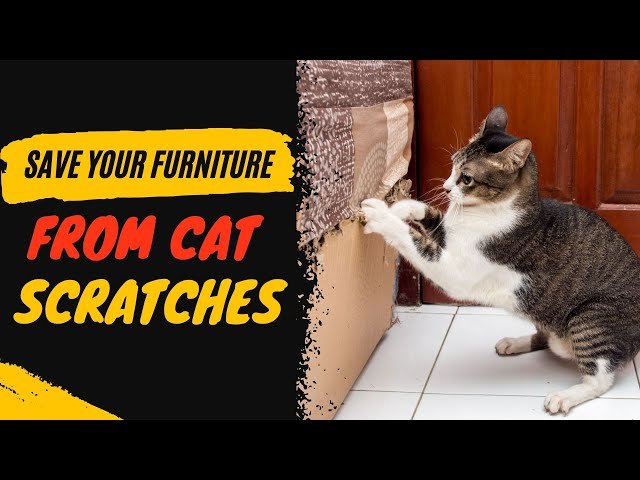
Are you tired of your cat turning your favorite furniture into a scratching post? You’re not alone.
Cats love to scratch—it’s natural for them—but that doesn’t mean you have to accept shredded sofas and damaged chairs. What if you could teach your cat to scratch where you want, saving your furniture and keeping your furry friend happy?
You’ll discover simple, effective tips to stop your cat from scratching on furniture. Keep reading, and you’ll learn easy steps that really work, helping you protect your home without stressing your cat.

Credit: www.latimes.com
Why Cats Scratch
Cats scratching furniture is a natural behavior. Understanding why cats scratch helps in guiding them to better habits. Scratching fulfills several needs for cats beyond just being playful. It is a way for cats to express themselves and care for their claws.
Natural Instincts
Scratching comes from wild cat ancestors. It helps stretch their muscles and keeps them active. Cats use claws to climb and hunt in nature. Scratching keeps their claws sharp and ready for action. This natural urge is strong and hard to stop.
Marking Territory
Cats have scent glands in their paws. When they scratch, they leave a scent mark. This scent signals other animals about their presence. Scratching on furniture marks their territory at home. It gives cats a sense of security and control.
Claw Maintenance
Scratching helps cats remove old claw layers. This keeps their claws healthy and sharp. Without scratching, claws can become dull or overgrown. It also prevents discomfort and damage to the paws. Healthy claws are important for a cat’s well-being.
Identifying Problematic Scratching
Before you can stop your cat from scratching your furniture, you need to understand exactly what the problem looks like. Identifying problematic scratching helps you target the behavior effectively and protect your belongings. Let’s break down how to spot where and when your cat is causing trouble.
Common Targets
Cats often pick certain spots to scratch repeatedly. Look for areas like:
- The edges of sofas and armrests
- Wooden chair legs
- Carpet corners near walls
- Door frames and window sills
Notice if your cat prefers vertical or horizontal surfaces. This preference can guide you in choosing the right scratching posts to redirect their behavior.
Signs Of Damage
Scratching leaves clear marks. Watch for:
- Visible claw marks or tears in fabric
- Shredded or frayed upholstery
- Loose threads or pulled stuffing
- Small piles of claw sheaths on the floor
Even if the damage looks minor, it’s a sign your cat is actively scratching and needs an alternative outlet.
Behavior Patterns
When does your cat scratch the most? Is it:
- Right after waking up?
- During playtime bursts?
- When greeting you at the door?
Noticing these patterns can help you anticipate the behavior and intervene early. Have you observed your cat’s scratching habits throughout the day? Tracking this can reveal clues to what triggers their scratching urges.
Preparing Your Home
Preparing your home is an important first step to stop your cat from scratching furniture. Cats scratch to mark territory and keep claws healthy. Your goal is to guide this natural behavior to proper places. Changing the environment helps cats learn fast and saves your furniture from damage.
Protecting Furniture
Cover furniture with protective materials. Use slipcovers or plastic guards on chair legs and armrests. Sticky tape can work too. Cats dislike sticky surfaces and avoid scratching there. Place these protectors on areas your cat likes to scratch most. Keep an eye on problem spots and renew protection as needed.
Setting Up Scratching Posts
Place scratching posts near the furniture your cat targets. Cats prefer to scratch vertical or horizontal surfaces. Offer both types if possible. Make sure posts are sturdy and tall enough for full stretching. Add catnip or toys to attract your cat. Encourage use by gently placing your cat’s paws on the post.
Choosing The Right Materials
Pick materials that feel good to your cat’s paws. Sisal rope and cardboard are popular choices. Avoid soft fabrics like carpet or velvet on posts. Cats enjoy rough textures to help shed old claw sheaths. Observe your cat’s preferences and try different materials if needed. Comfortable materials increase chances of success.
Training Techniques
Training your cat not to scratch furniture takes patience and the right techniques. You need to understand what motivates your cat and use that to guide their behavior. Let’s look at some effective training techniques that can help you protect your furniture while keeping your cat happy.
Positive Reinforcement
Positive reinforcement means rewarding your cat when they use a scratching post instead of your couch. Cats respond well to treats, praise, or petting when they do the right thing.
Try giving your cat a favorite treat immediately after they scratch a designated area. This helps them connect the good behavior with a positive outcome. Have you noticed how quickly cats learn when rewards are involved?
Redirecting Scratching
If your cat starts scratching furniture, gently move them to their scratching post. This redirection teaches them where scratching is allowed.
Keep scratching posts in places your cat likes to hang out. You can also rub catnip on the posts to make them more appealing. What spots in your home does your cat love most? Placing posts there can make a big difference.
Using Deterrents
Deterrents can discourage your cat from scratching where they shouldn’t. Double-sided tape or furniture covers with textures cats dislike can be very effective.
Spraying a safe citrus-scented spray near problem areas often keeps cats away since they dislike the smell. Have you tried any deterrents that worked well with your cat? Sometimes a small change can save your favorite chair.
Maintaining Healthy Claws
Maintaining healthy claws is key to stopping cats from scratching furniture. Cats need to keep their claws in good shape. Healthy claws reduce damage and make your cat more comfortable. You can help by caring for their nails and giving them the right tools.
Regular Trimming
Trim your cat’s claws every two to three weeks. Use special cat nail clippers to avoid hurting them. Shorter nails cause less damage to furniture. Start slow and be gentle. Praise your cat to make it a positive experience.
Providing Alternatives
Offer scratching posts or pads made from sisal or cardboard. Place them near favorite scratching spots. Encourage your cat to use these by rubbing catnip on them. This protects your furniture and satisfies your cat’s natural urge.
Using Nail Caps
Nail caps are small covers that fit over claws. They stop sharp scratches without harming your cat. Apply them carefully with pet-safe glue. Nail caps last several weeks and are a safe option for furniture protection.

Credit: www.amazon.com
Dealing With Persistent Scratching
Persistent scratching can damage furniture and frustrate cat owners. Understanding why your cat keeps scratching is key to stopping this behavior. Cats scratch to mark territory, stretch muscles, and sharpen claws. When normal scratching turns destructive, deeper issues might be at play. Addressing these problems helps protect your furniture and keeps your cat happy.
Behavioral Issues
Some cats scratch out of habit or boredom. Lack of stimulation can lead to excessive scratching. Cats need toys and playtime to stay mentally active. Create a daily routine with interactive play sessions. Provide scratching posts in different rooms and textures. Reward your cat for using approved scratching spots. Consistency helps change behavior over time.
Stress And Anxiety
Stress often causes cats to scratch more than usual. Changes in environment or routine can upset your cat. Loud noises, new pets, or visitors increase anxiety. Look for signs like hiding, vocalizing, or over-grooming. Offer a calm space with familiar items. Use calming sprays or diffusers designed for cats. Patience and comfort reduce stress-related scratching.
Consulting A Veterinarian
If scratching persists, visit a veterinarian. Medical problems like skin allergies or infections cause itching. A vet can check for underlying health issues. They may suggest treatments or behavior therapy. Early diagnosis prevents worsening problems. Professional advice ensures your cat stays healthy and comfortable.
Encouraging Good Habits
Encouraging good habits helps your cat learn where to scratch. Cats need to scratch for exercise and to mark their space. Teaching them to use the right spots saves your furniture. Positive habits form with clear guidance and gentle training.
Reward Systems
Use treats or praise to reward your cat’s good behavior. Give a small treat when your cat scratches the right object. Praise with a soft voice to make your cat feel safe. Rewards help your cat link good actions with positive feelings.
Consistent Routine
Keep a regular schedule for training sessions and playtime. Cats learn better with repeated, short sessions each day. Always guide your cat back to the scratching post. Consistency makes training clear and easier for your cat to follow.
Patience And Persistence
Training takes time. Your cat may slip up sometimes. Stay calm and do not punish your cat. Gently redirect to the right place and reward good attempts. Patience and steady effort build lasting good habits.

Credit: www.amazon.com
Frequently Asked Questions
How Can I Stop My Cat From Scratching Furniture?
Provide scratching posts and discourage furniture scratching. Use deterrents like double-sided tape or citrus sprays. Praise your cat when it uses approved scratching areas.
Why Do Cats Scratch Furniture Often?
Cats scratch to mark territory, stretch muscles, and sharpen claws. Furniture offers a convenient surface, so redirecting them is essential.
What Are The Best Alternatives To Furniture Scratching?
Offer sturdy scratching posts, cardboard scratchers, or cat trees. Place them near favorite furniture to encourage use and reduce damage.
How Long Does It Take To Train A Cat To Stop Scratching?
Training varies but usually takes a few weeks. Consistency, patience, and positive reinforcement speed up the process.
Conclusion
Training your cat not to scratch furniture takes time and patience. Use scratching posts and reward good behavior. Keep your cat’s nails trimmed and offer toys for play. Avoid punishment; stay calm and consistent instead. Cats respond well to positive reinforcement.
Protect your furniture with covers or sprays that cats dislike. Watch your cat’s habits and adjust your approach. Small steps lead to big changes. Enjoy a happy home with your well-trained cat.
