


Are you tired of finding your favorite sofa or wooden table covered in scratch marks? If your cat’s claws are turning your furniture into a mess, you’re not alone.
But what if you could teach your furry friend to stop scratching where it shouldn’t? Imagine a home where your cat stays happy and your furniture stays safe. You’ll discover simple, effective ways to train your cat not to scratch your furniture—without stress or frustration.
Keep reading, and you’ll learn easy steps that protect your belongings and keep your cat content.
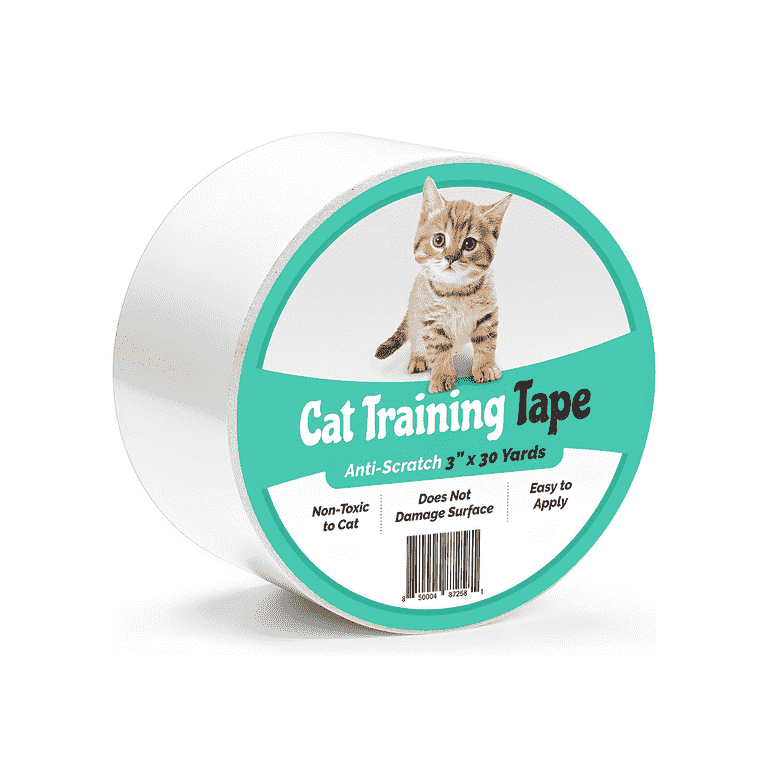
Credit: www.walmart.com
Why Cats Scratch
Understanding why cats scratch is key to managing their behavior effectively. Scratching is more than just a habit; it’s a natural and essential part of a cat’s life. When you know the reasons behind this action, you can guide your cat to scratch in appropriate places without damaging your furniture.
Natural Instincts
Scratching is deeply rooted in a cat’s natural instincts. It helps keep their claws sharp and ready for hunting or climbing. Even indoor cats retain this behavior because it’s ingrained in their DNA.
Think about your cat stretching and digging their claws into a surface—it’s their way of maintaining healthy paws. Denying this instinct can lead to frustration and unwanted scratching on your belongings.
Communication And Territory
Have you noticed scratch marks on walls or furniture? Your cat uses scratching to communicate and mark their territory. The action leaves both visual signs and scent from glands in their paws.
This is your cat’s way of saying, “This space belongs to me.” Understanding this can help you create designated scratching areas that satisfy their need to mark territory without ruining your couch.
Physical Benefits
Scratching isn’t just about claws and territory; it also provides important physical benefits. It stretches your cat’s muscles, especially in their paws, legs, and back.
Imagine how good it feels to stretch after sitting for a long time—scratching offers the same relief and exercise. Providing a scratching post can support your cat’s health and reduce their urge to use your furniture for this purpose.
Choosing The Right Scratching Posts
Choosing the right scratching post is a key part of training your cat not to scratch your furniture. Cats have unique preferences that affect whether they will use a scratching post or ignore it completely. Understanding what makes a scratching post appealing can save you frustration and protect your home.
Materials Cats Prefer
Cats usually like rough, textured materials that let them dig their claws in. Sisal rope is a favorite because it’s durable and provides a satisfying grip. Cardboard scratchers are also popular, especially for cats that enjoy a softer surface.
Consider avoiding smooth fabrics or plastic, as these often discourage scratching. If you want to test your cat’s preference, try offering different materials in various spots and watch which one they use more. You might be surprised how picky your cat can be!
Placement Tips
Where you place the scratching post matters just as much as what it’s made of. Cats often scratch right after waking up, so placing the post near their sleeping area increases the chance they’ll use it. Also, put posts near favorite hangout spots or doorways, where they naturally stretch and mark territory.
Try moving the post closer to the furniture they usually scratch. Once your cat starts using it regularly, you can slowly shift the post to a more convenient location. Have you noticed your cat scratching in a specific spot? Start there.
Variety And Size
Offering different types of scratching posts keeps your cat interested. Some cats prefer vertical posts, while others like horizontal or angled surfaces. Including a mix of sizes lets your cat fully stretch and scratch comfortably.
- Small posts for kittens or older cats
- Tall posts for full-body stretches
- Combined posts with perches for climbing and scratching
Providing variety helps you discover your cat’s favorite style and prevents boredom. Would your cat enjoy climbing as well as scratching? Adding a scratching post with a platform might be the answer.
Training Techniques
Training a cat not to scratch furniture takes patience and consistency. Using the right techniques can help change your cat’s behavior gently. Focus on rewarding good habits and guiding your cat toward acceptable scratching spots. This creates a positive learning experience for your pet.
Positive Reinforcement
Reward your cat when it uses the scratching post. Offer treats, pets, or praise immediately. This helps your cat link good behavior with rewards. Avoid punishment, which can cause fear or confusion. Consistent positive feedback encourages your cat to repeat the action.
Redirecting Behavior
When your cat starts scratching furniture, gently move it to a scratching post. Use toys or treats to lure your cat to the post. Make the post attractive with catnip or soft fabric. Redirecting helps your cat learn where scratching is allowed. Be patient and repeat this often.
Using Deterrents Safely
Use safe deterrents to protect your furniture. Cover scratched areas with double-sided tape or plastic sheets. Cats dislike sticky or slippery surfaces, so they avoid these spots. Avoid sprays with strong chemicals that may harm your cat. Deterrents should guide, not frighten, your pet.

Credit: www.amazon.com
Protecting Furniture
Protecting your furniture is key to keeping your home beautiful and your cat happy. Scratching is natural for cats, but it can damage sofas, chairs, and tables. Using smart strategies helps save your furniture and guides your cat’s behavior.
Furniture Covers And Guards
Covers and guards create a barrier between your cat’s claws and your furniture. Use slipcovers made from durable fabrics that resist scratching. Plastic or vinyl guards stick to furniture edges to block claws.
- Choose washable covers for easy cleaning.
- Use corner protectors on sharp furniture edges.
- Clear guards keep furniture visible while protecting it.
These tools discourage cats from scratching by making surfaces less appealing or hard to grip.
Applying Cat Repellents
Cat repellents help keep cats away from furniture. Use sprays made with safe, natural ingredients. These sprays have smells cats dislike but are harmless to humans and pets.
- Spray repellents on furniture legs and sides.
- Reapply regularly for best results.
- Test repellents on a small area first to avoid damage.
Repellents send a clear message to cats about off-limit areas without causing stress.
Rearranging Room Layout
Changing your room’s setup can protect furniture from scratches. Move prized furniture away from common cat paths. Place scratching posts near favorite spots to redirect behavior.
- Group furniture to create fewer open scratching spaces.
- Use rugs or mats under furniture to shield surfaces.
- Place cat trees or scratching posts in well-used areas.
Rearranging gives cats new options and reduces damage to your belongings.
Maintaining Healthy Claws
Maintaining healthy claws is key to stopping cats from scratching furniture. Cats use their claws to mark territory and stretch muscles. Keeping claws well cared for helps reduce damage to home items. A few simple habits keep claws in good shape and satisfy your cat’s natural needs.
Regular Trimming
Trim your cat’s claws every two to three weeks. Use a special claw clipper made for pets. Cut only the sharp tips to avoid pain or bleeding. Regular trimming keeps claws short and less likely to scratch deeply. Stay calm and gentle to make trimming easier for your cat.
Providing Alternatives
Give your cat proper places to scratch. Use scratching posts or pads made of sisal or cardboard. Place them near favorite resting or playing spots. Encourage your cat to use these with toys or treats. Alternatives satisfy scratching urges and protect your furniture.
Monitoring Claw Health
Check claws often for cracks, splits, or infections. Look for swelling or redness around the nail bed. Watch your cat’s walking and behavior for signs of discomfort. Healthy claws mean less chance of damage or pain. Consult a vet if you notice unusual changes in claws.

Credit: panther-armor.com
When To Seek Professional Help
Knowing when to seek professional help is important for stopping your cat from scratching furniture. Some problems need expert advice to protect your home and keep your cat happy.
Professional guidance can save time and reduce stress for both you and your pet.
Behavioral Issues
Sometimes, scratching is more than just normal behavior. Cats may scratch due to stress or anxiety. Aggressive scratching or sudden changes in behavior need attention. A professional can assess if your cat has deeper behavioral problems. They offer plans to manage these issues safely and effectively.
Veterinary Concerns
Scratching might signal health problems. Skin infections, allergies, or pain can cause excessive scratching. A vet can check your cat’s health. They rule out medical causes before starting training. Treating health issues helps stop destructive scratching.
Consulting A Cat Trainer
Cat trainers specialize in teaching pets good habits. They use positive methods to redirect scratching. Trainers suggest the best tools and techniques for your cat. They help you understand your cat’s needs better. Working with a trainer improves your chance of success.
Frequently Asked Questions
How Can I Stop My Cat From Scratching Furniture?
Provide scratching posts near furniture. Use deterrents like double-sided tape. Reward your cat for using posts. Trim their nails regularly to reduce damage.
Why Do Cats Scratch Furniture?
Cats scratch to mark territory, stretch muscles, and shed nail sheaths. It’s a natural behavior essential for their well-being.
What Are The Best Alternatives To Furniture Scratching?
Offer sturdy scratching posts, pads, and cat trees. Place them in high-traffic areas to attract your cat’s interest.
Can Training Really Change A Cat’s Scratching Habits?
Yes, consistent training with positive reinforcement helps cats learn where to scratch. Patience and repetition are key to success.
Conclusion
Training a cat not to scratch furniture takes time and patience. Offer your cat good scratching posts nearby. Praise your cat when it uses them. Cover furniture with materials cats dislike. Use gentle redirection rather than punishment. Watch your cat’s behavior closely each day.
This helps protect your furniture and keeps your cat happy. Consistent effort creates a peaceful home for both of you. Keep trying, and your cat will learn.
