

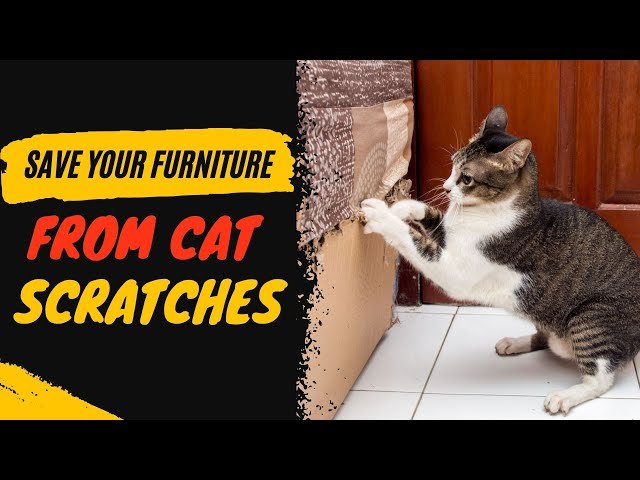
Are you tired of your cat scratching your furniture, walls, or even you? It can be frustrating and stressful, but the good news is—you can train your cat not to scratch.
With the right approach, patience, and a few simple steps, you’ll protect your home and keep your furry friend happy. You’ll discover easy, effective ways to change your cat’s scratching habits for good. Keep reading, and you’ll learn how to turn those sharp claws into gentle paws.

Credit: yourcatbackpack.com
Reasons Cats Scratch
Understanding why your cat scratches can help you guide their behavior more effectively. Scratching is not just a random habit; it fulfills several important needs for your feline friend. Let’s look at the main reasons cats scratch so you can better address this natural behavior.
Natural Instincts
Scratching is deeply rooted in a cat’s natural instincts. It helps them stretch their muscles and keeps their paws flexible and strong. Have you noticed how your cat stretches their whole body while scratching? This is more than just a stretch; it’s a full-body exercise that feels good to them.
Ignoring this instinct can cause frustration for your cat. Instead, providing appropriate outlets like scratching posts satisfies their need to stretch and scratch safely.
Marking Territory
Cats use scratching as a way to mark their territory. Their paws have scent glands that release pheromones when they scratch surfaces. This sends a clear message to other cats that the area belongs to them.
Think about it: your cat isn’t just damaging your furniture—they’re communicating. Offering designated scratching spots can redirect this behavior without losing their sense of ownership.
Nail Maintenance
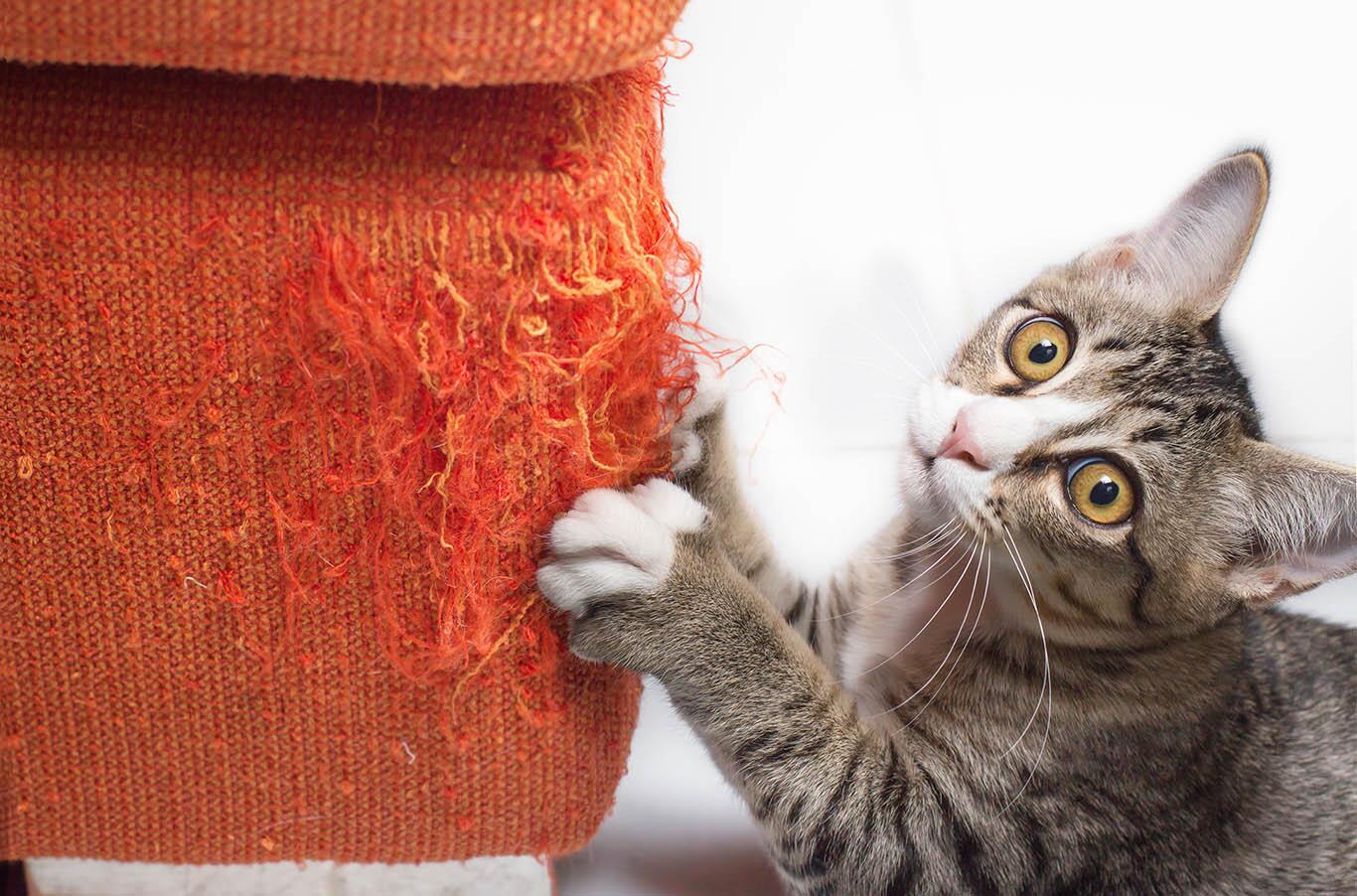
Scratching also helps cats keep their nails healthy. It removes the outer layer of old, dead nail sheaths, revealing sharper, newer claws underneath. This natural nail maintenance is essential for their comfort and mobility.
If your cat is scratching excessively or on inappropriate surfaces, it might be because they need better nail care. Regular nail trimming combined with proper scratching tools can reduce unwanted damage around your home.
Credit: www.latimes.com
Setting Up Scratching Alternatives
Setting up scratching alternatives is key to protecting your furniture and keeping your cat happy. Cats scratch to mark territory, stretch muscles, and keep their claws healthy. Giving them the right options helps redirect this natural behavior without frustration for either of you.
Choosing The Right Scratching Posts
Not all scratching posts are created equal. Your cat might prefer vertical posts made of sisal rope or horizontal pads covered in cardboard. Pay attention to what your cat already scratches—if they like scratching the couch arm, a vertical post is better. If they tend to scratch the floor or carpet, try a horizontal one.
Size matters too. The post should be tall enough for your cat to fully stretch out, usually around 28 to 32 inches. Stability is important—wobbly posts can scare your cat away. Have you noticed your cat avoiding certain posts? It could be because they aren’t sturdy enough or the material doesn’t feel right.
Placement Tips
Where you place scratching posts makes a huge difference. Cats often scratch right after waking up, so put a post near their favorite sleeping spots. Also, place posts near the furniture or areas your cat currently scratches.
Try putting multiple scratching options around your home to see which your cat prefers. Don’t forget entrances and windows where cats like to mark their territory. Would your cat scratch more if the post was closer to their usual hangout spots?
Encouraging Use
Getting your cat to use the new scratching post can take patience. Sprinkle some catnip on the post or use a toy to attract their attention. Praise and reward your cat with treats when they use the post correctly.
If your cat scratches furniture, gently move their paws to the post and reward them. Avoid punishment—it can create fear and damage your bond. Have you tried mimicking your cat’s scratching behavior to show them what you want? Sometimes, simple guidance is all they need.
Discouraging Unwanted Scratching
Discouraging unwanted scratching helps protect furniture and keeps your home tidy. Cats scratch to mark territory and sharpen claws. Redirecting this behavior is key to peaceful living. Use tools and techniques that guide your cat gently away from off-limit areas.
Using Deterrent Sprays
Deterrent sprays discourage cats from scratching specific spots. These sprays often have scents cats dislike but are safe for pets. Spray areas where scratching happens most. Repeat regularly for best results. Choose sprays made for cats to avoid harm.
Applying Physical Barriers
Physical barriers block access to favorite scratching spots. Use items like plastic covers or double-sided tape on furniture. Cats dislike sticky or rough surfaces. Place barriers on couches, walls, or door frames. This prevents scratching and protects your belongings.
Negative Reinforcement Techniques
Negative reinforcement teaches cats to avoid bad behavior. Use a firm but gentle voice to say “no” during scratching. A quick clap or a gentle spray of water can stop scratching immediately. Avoid harsh punishment to keep trust. Consistency is important for success.
Trimming And Maintenance
Trimming and maintaining your cat’s nails is key to stopping unwanted scratching. It keeps your cat comfortable and protects your furniture. Regular nail care helps your cat stay healthy and happy. It also reduces the chance of painful scratches for both you and your cat.
How To Trim Cat Nails Safely
Choose a quiet spot with good light. Hold your cat gently but firmly. Use sharp, clean nail clippers made for cats. Avoid cutting the pink part inside the nail, called the quick. Cutting the quick causes pain and bleeding. Trim just the sharp tip of each nail. If unsure, trim little by little. Praise your cat and give treats after.
Frequency Of Trimming
Check your cat’s nails every one to two weeks. Some cats need trimming more often, especially indoor cats. Outdoor cats may wear down their nails naturally. Watch for nails curling or touching the floor. These nails need trimming right away. Regular checks keep nails at a safe length.
Benefits Of Regular Maintenance
- Prevents painful nail breaks and infections.
- Reduces damage to furniture and skin.
- Keeps your cat comfortable and agile.
- Helps manage your cat’s scratching behavior.
- Strengthens the bond through gentle handling.
Positive Reinforcement Strategies
Positive reinforcement is a gentle and effective way to teach cats not to scratch. It focuses on encouraging good behavior instead of punishing bad actions. Cats respond well to rewards and attention. Training becomes easier and more enjoyable with this approach.
Rewarding Good Behavior
Give your cat treats or praise when it avoids scratching furniture. Use small, tasty treats your cat loves. Offer a pet or soft voice to show approval. Rewards should happen immediately after good behavior. This helps your cat connect the action with the reward.
Training Sessions
Keep training sessions short and fun. Five to ten minutes is enough. Use toys or scratching posts during these times. Encourage your cat to use the scratching post instead of furniture. Repeat the sessions daily for best results.
Consistency And Patience
Always reward good behavior and ignore scratching on furniture. Be patient. Cats need time to learn new habits. Consistency helps your cat understand what is expected. Never punish your cat, as it can cause fear and confusion.
Managing Stress And Anxiety
Scratching often signals that your cat is feeling stressed or anxious. Managing these feelings can reduce unwanted scratching and improve your cat’s overall well-being. Understanding what causes your cat stress is the first step to calming their nerves and protecting your furniture.
Identifying Stress Triggers
Watch your cat closely to spot what upsets them. Loud noises, sudden changes in routine, or new pets can all cause stress. Even something small like a new piece of furniture might unsettle them.
Ask yourself: Has anything changed in your home recently? Your cat’s scratching might be a way to cope with that change. Pinpointing the exact triggers helps you address them directly.
Environmental Enrichment
Adding toys, climbing trees, and cozy hiding spots gives your cat a safe outlet for energy and stress. Cats need mental and physical stimulation to stay calm and happy.
Think about what your cat enjoys. Do they like chasing feather toys or lounging in sunny spots? Tailoring the environment to their preferences can reduce anxiety and scratching.
- Provide scratching posts in multiple areas to redirect scratching.
- Rotate toys to keep your cat interested and engaged.
- Create quiet zones where your cat can retreat when overwhelmed.
Calming Products
Sometimes, extra help is needed. Calming sprays, diffusers, or collars with pheromones can ease your cat’s anxiety. These products mimic natural scents that make cats feel secure.
Have you tried using a pheromone diffuser near your cat’s favorite spot? Many owners find it reduces stress-related behaviors quickly. Always observe your cat’s response and consult your vet for the best options.
When To Seek Professional Help
Sometimes, cats scratch in ways that are hard to manage alone. Their behavior might become aggressive or destructive. It is important to know when expert help can improve the situation. Professionals have tools and knowledge to guide you and your cat.
Behavioral Experts
Behavioral experts study animal habits deeply. They identify why a cat scratches excessively. Experts suggest tailored strategies to change bad habits. They help reduce stress or anxiety in cats. Their advice often prevents future problems.
Veterinary Advice
Veterinarians check for health issues causing scratching. Pain or skin conditions might trigger scratching. They recommend treatments or medications if needed. Vets also advise on safe products to protect furniture. Their guidance supports the cat’s overall well-being.
Training Classes
Training classes teach owners how to guide cats gently. Classes cover scratching alternatives like scratching posts. Trainers show how to reward good behavior effectively. Group settings allow learning from others’ experiences. Classes boost confidence and success in training.

Credit: www.amazon.com
Frequently Asked Questions
How Can I Stop My Cat From Scratching Furniture?
Provide scratching posts near furniture and reward your cat for using them. Use deterrents like double-sided tape or citrus sprays to protect furniture. Consistent redirection helps your cat form new, positive scratching habits over time.
What Types Of Scratching Posts Work Best For Cats?
Sturdy posts covered in sisal rope or carpet are ideal. Cats prefer vertical and horizontal options to stretch and scratch. Place posts in high-traffic areas and near favorite resting spots for better use.
Is Declawing A Good Solution To Scratching?
Declawing is harmful and inhumane. It can cause pain, behavioral issues, and mobility problems. Instead, use training, nail trimming, and scratching alternatives to manage scratching naturally and ethically.
How Often Should I Trim My Cat’s Nails?
Trim your cat’s nails every 1-2 weeks to reduce damage from scratching. Regular trimming keeps nails blunt and less likely to cause harm. Use proper cat nail clippers and avoid cutting too close to the quick.
Conclusion
Training a cat not to scratch takes time and patience. Use gentle guidance and offer good alternatives. Reward your cat when it uses the right things to scratch. Stay calm and consistent every day. Avoid punishment, as it can cause fear.
Remember, cats scratch to mark and stretch. Helping your cat scratch the right way keeps your home safe. Enjoy a happy, peaceful life with your furry friend. Small steps lead to big changes in behavior. Keep trying, and success will come.
