

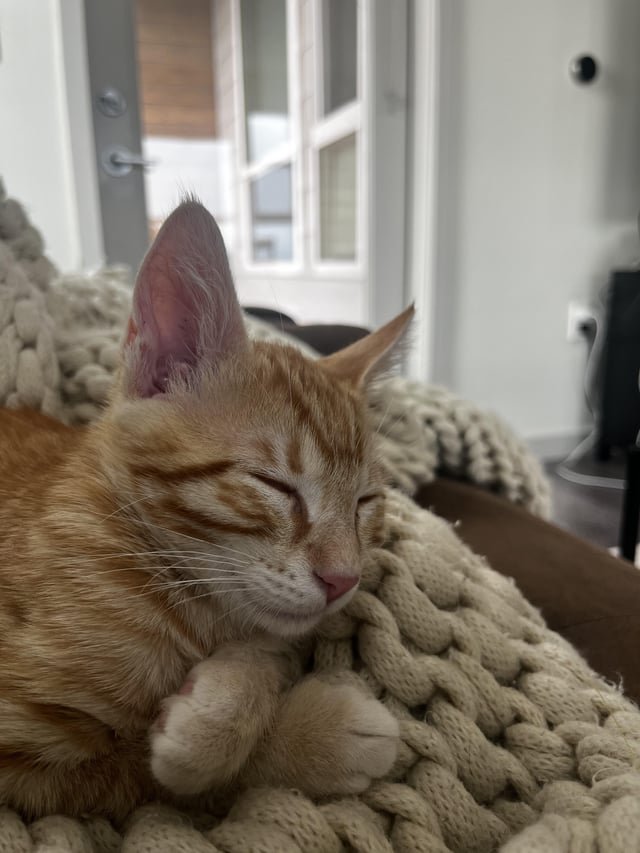
Do you ever wonder if your cat feels lonely? Cats are often seen as independent creatures, but just like you, they can crave companionship.
If you’ve noticed changes in your cat’s behavior, it might be time to consider whether they need a furry friend. Understanding the signs can help you decide what’s best for your pet’s happiness and well-being. Keep reading to discover how to tell if your cat needs a friend—and what steps you can take to bring joy back into their life.
Behavior Changes
Cats often show changes in behavior when they feel lonely or need a companion. Watching for these signs helps you understand their emotional state. Behavior changes can be clear signals your cat wants a friend to play with or cuddle. Paying attention to these shifts keeps your cat happy and healthy.
Increased Vocalization
Your cat may start meowing more than usual. This can sound like crying or calling out. It shows they want attention or feel lonely. Vocalizing loudly or often is a way to express boredom or sadness. A cat that suddenly becomes noisy might be asking for company.
Excessive Grooming
Over-grooming happens when a cat licks or bites itself too much. This can cause hair loss or skin irritation. It is a sign of stress or anxiety. Cats often groom to comfort themselves when they feel lonely. Notice if your cat spends much time cleaning its fur without stopping.
Withdrawal And Hiding
Cats that need a friend may hide more than usual. They might stay in quiet corners or under furniture. Avoiding people and other pets can mean they feel sad or bored. Withdrawal is a sign your cat is lonely and wants company. Watch for changes in how often your cat interacts with you or others.

Credit: www.rd.com
Signs Of Loneliness
Recognizing the signs of loneliness in your cat is essential to ensuring their happiness and well-being. Cats can be subtle about their feelings, so it’s important to watch for changes in behavior that hint they might be craving companionship. Noticing these signs early can help you decide if your feline friend would benefit from having a buddy.
Seeking Attention More Often
Has your cat started meowing more loudly or frequently when you’re busy? This could be their way of asking for more interaction and mental stimulation. When a cat seeks attention beyond their usual routine, it often means they feel lonely and want more social engagement.
Try to observe if your cat interrupts your activities more than usual. Are they pawing at you or nudging your hand persistently? These behaviors suggest they’re not just hungry or bored—they want connection.
Clinginess And Following You Around
If your cat suddenly becomes your shadow, following you from room to room, it’s a strong sign they want more companionship. This clinginess often indicates anxiety or loneliness rather than just affection. It’s their way of making sure they’re not left alone.
Have you noticed your cat jumping onto your lap every chance they get or refusing to leave your side? These behaviors can signal that your cat feels insecure or isolated and might benefit from a feline friend to share their time with.
Lack Of Playfulness
Is your usually energetic cat suddenly uninterested in toys or games? A decline in playfulness can point to feelings of loneliness or depression. Play is a key way cats express happiness and burn off energy; without it, they might be struggling emotionally.
Watch for signs like ignoring favorite toys, sleeping more than usual, or showing less curiosity. These changes might mean your cat is missing the social interaction that comes from playing with another cat or engaging more actively with you.
Impact On Health
Cats thrive on companionship. Without it, their health can suffer in subtle ways. Noticing changes in your cat’s behavior helps you understand its needs better. Health impacts often reveal if your cat feels lonely or stressed.
Changes In Appetite
A cat without a friend may lose interest in food. Eating less or skipping meals is common. Sometimes, a lonely cat might eat more out of boredom. Sudden appetite changes should not be ignored.
Sleep Pattern Shifts
Lonely cats often change their sleep habits. They might sleep more to cope with sadness. Some cats become restless and sleep less. Watch for unusual daytime naps or nighttime activity.
Stress-related Illnesses
Stress weakens a cat’s immune system. Signs include frequent infections or skin problems. Hair loss and excessive grooming can also appear. Stress may cause digestive issues, such as vomiting or diarrhea.

Credit: weareallaboutcats.com
Social Behavior With Other Pets
Understanding your cat’s social behavior with other pets is key to deciding if they might benefit from a furry friend. Cats show a wide range of reactions toward other animals, and these reactions tell you a lot about their comfort level and social needs. Observing these behaviors closely helps you make choices that improve your cat’s happiness and well-being.
Curiosity Toward Other Animals
Curiosity is a strong sign your cat might enjoy a companion. If your cat often watches birds, dogs, or other cats with interest, they’re showing a natural desire to engage. You might notice your cat trying to approach other pets calmly or following them around the house.
Have you seen your cat sniffing a new pet or gently pawing at a neighbor’s dog through the window? These moments hint they could benefit from a friend to satisfy their social curiosity.
Aggression Or Fear
Sometimes cats react with aggression or fear instead of curiosity. Hissing, growling, or hiding when another animal is near signals discomfort and stress. This behavior doesn’t always mean your cat won’t get along with others, but it does mean you need to introduce companions carefully and slowly.
Ask yourself: Does your cat calm down after a while, or do they stay tense? This can help you decide if your cat needs more time alone or gentle social exposure before adding a new pet.
Previous Experience With Companions
What your cat has experienced before shapes how they interact with other animals now. If they grew up with siblings or have lived with dogs or other cats, they’re often more open to sharing their space. On the other hand, a cat who has always been alone might be unsure or nervous about a new companion.
Think about your cat’s history: Have they shown signs of loneliness or boredom when alone? Sometimes, a well-matched friend can bring joy and activity to a cat’s life, but only if introduced thoughtfully.
Preparing For A New Cat
Preparing for a new cat means more than just picking out a cute kitten. It requires careful thought about your current cat’s feelings and needs. Bringing a new companion into your home can change your cat’s life—and yours—in big ways.
Assessing Your Cat’s Personality
Before adding a new cat, watch how your cat behaves around other animals. Are they social and playful, or do they prefer being alone? Some cats enjoy having a buddy, while others get stressed easily.
Think about your cat’s age and energy level. An energetic young cat might enjoy a lively friend, but an older cat might want a calm companion. Understanding your cat’s likes and dislikes helps you choose a companion who fits well.
Choosing The Right Companion
Not every cat will be a perfect match. Look for a new cat with a similar temperament to your current pet. For example, if your cat is shy, a gentle and patient newcomer is best.
Consider the new cat’s age and activity level. Pairing an active kitten with a tired senior might cause tension. Also, think about gender—sometimes opposite-sex pairs get along better, but this isn’t a strict rule.
- Visit shelters to meet cats and observe their behavior.
- Ask shelter staff about the cat’s social habits.
- Choose a cat with a calm demeanor if your cat is nervous.
Introducing Cats Safely
How you introduce your cats can make or break their relationship. Start by keeping them in separate rooms with their own food, water, and litter boxes. Let them get used to each other’s scent by swapping bedding or toys.
After a few days, allow brief, supervised meetings. Watch for signs of stress or aggression. If your cats hiss or growl, separate them and try again later.
Be patient. It might take weeks or even months before your cats are comfortable together. Have you noticed your cat’s body language during introductions? Understanding their signals can save you from future conflicts.
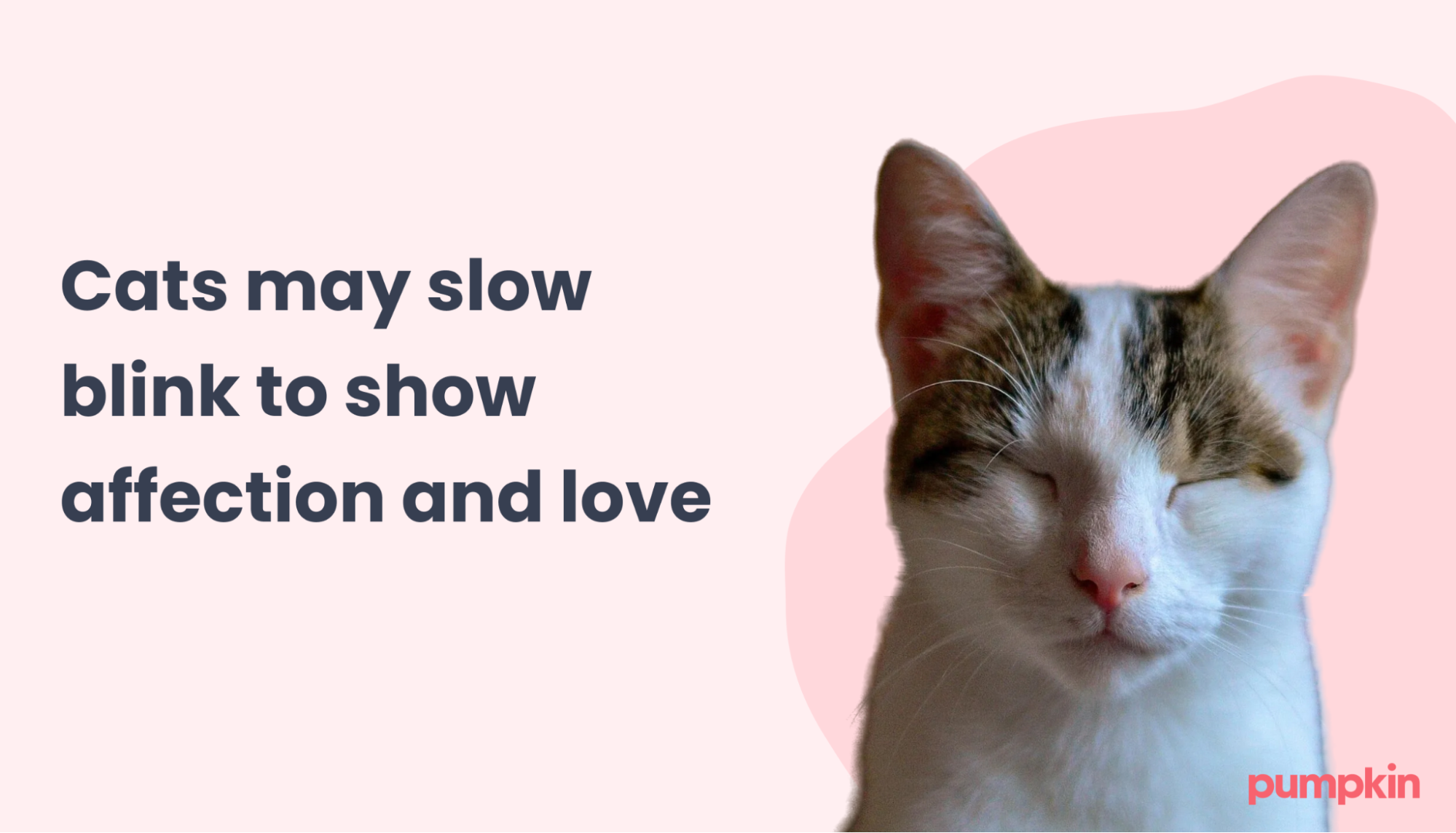
Credit: www.pumpkin.care
Frequently Asked Questions
How Do I Know If My Cat Feels Lonely?
Signs of loneliness include excessive meowing, lethargy, and destructive behavior. Your cat may seek more attention or seem depressed. Observing these behaviors can help determine if your cat needs companionship.
Can A Second Cat Reduce My Cat’s Loneliness?
Yes, a second cat can provide social interaction and companionship. Introducing a compatible cat helps reduce boredom and anxiety. Proper introduction is key to a successful relationship.
What Behaviors Show My Cat Wants A Friend?
If your cat frequently stares out windows or seems bored, it may crave interaction. Restlessness, vocalizing, and increased clinginess also suggest your cat needs a companion.
How Long Should I Wait Before Adding A New Cat?
Wait at least a week to observe your cat’s behavior before adding a new one. Gradual introductions help reduce stress and ensure both cats adjust well.
Conclusion
Cats show many signs when they want a new friend. Watch how your cat acts every day. Changes in behavior can tell you a lot. A new companion might bring joy and play. But some cats prefer to stay alone.
Think about your cat’s personality first. Giving love and attention always helps too. Trust your feelings and take small steps. Your cat’s happiness matters most of all. Keep caring, and your furry friend will thank you.
