

Have you noticed your cat scooting across the floor or licking its rear more than usual? These signs might mean your cat’s glands need to be expressed.
It’s not always easy to tell when your furry friend is uncomfortable, but knowing what to look for can save your cat from pain and irritation. You’ll learn the simple ways to spot the signs and what you can do to help your cat feel better fast.
Keep reading to make sure your pet stays happy and healthy.

Credit: vetnique.com
Common Signs Of Full Anal Glands
Recognizing the common signs of full anal glands in your cat is essential for their comfort and health. These glands can become clogged or overly full, causing discomfort and sometimes leading to infection. Paying attention to subtle changes in your cat’s behavior or appearance can help you decide when they might need gland expression.
Scooting And Licking Behavior
If you notice your cat dragging its rear across the floor, it’s a clear sign something is bothering them. This scooting behavior often indicates irritation or fullness in the anal glands. You might also see your cat licking or biting around their tail base more than usual, trying to relieve the discomfort themselves.
Swelling Around The Tail
Take a close look at the area around your cat’s tail. Swelling or a small lump near the anus can mean the anal glands are blocked or inflamed. This physical change is a strong indicator that your cat needs a checkup and possibly gland expression to avoid further issues.
Unpleasant Odor
A noticeable foul smell coming from your cat’s rear end is often the most obvious sign of full anal glands. The scent is usually strong and fishy, which can be hard to ignore. If you catch this smell, it’s a good time to inspect your cat or consult your vet to prevent infection.
Discomfort During Sitting
Watch how your cat sits and moves. If they seem uncomfortable or avoid sitting normally, this might mean their anal glands are causing pain. Cats may shift frequently or avoid putting pressure on their rear, signaling you should have their glands checked soon.
Credit: www.kinship.com
Causes Of Anal Gland Issues
Anal gland problems in cats often happen due to several common causes. These glands need to empty naturally during bowel movements. If they do not, cats can face discomfort, swelling, or infection. Understanding the causes helps spot issues early and keep your cat healthy.
Diet And Fiber Intake
Poor diet affects anal gland health. Low fiber makes stools soft and less firm. Soft stools do not press glands enough to empty them. Cats on a low-fiber diet may have harder gland issues. Adding fiber improves stool consistency and gland function.
Infections And Blockages
Infections cause swelling and pain in anal glands. Blockages happen when gland openings get clogged. This stops natural fluid release. Bacteria can grow inside blocked glands. Infection may lead to abscesses or severe discomfort. Early treatment is important to avoid complications.
Obesity And Inactivity
Overweight cats have more trouble with anal glands. Excess weight adds pressure and slows gland emptying. Inactive cats have weaker muscles around glands. This affects natural squeezing during bowel movements. Weight management and exercise support healthy gland function.
When To Express Cat’s Glands
Knowing when to express your cat’s glands can make a big difference in their comfort and health. Cats have anal glands that sometimes get full or impacted, causing discomfort or even infection. Understanding the right timing to express these glands helps prevent unnecessary stress for your pet and avoids potential complications.
Recognizing Persistent Symptoms
Look out for signs that your cat may need gland expression. If your cat frequently scoots their rear across the floor or licks the area excessively, these could be clear signals. Persistent foul odor or swelling near the anus also suggests the glands might be full or infected.
Occasional scooting can happen for other reasons, but if it becomes a regular behavior, it’s time to pay attention. Have you noticed your cat acting unusually restless or biting at their tail base? These behaviors often point to gland discomfort that won’t resolve on its own.
Veterinary Recommendations
Your vet should be your go-to for guidance on gland expression. Many professionals recommend only expressing glands when symptoms persist or worsen, rather than as a routine. This helps avoid causing injury or irritation to your cat’s sensitive area.
During your visit, ask your vet to show you the correct technique if you want to do it at home. Some cats tolerate this well, but others might need professional help to avoid stress or harm. Regular check-ups can also catch gland issues early before they become serious.
Avoiding Over-expression
Expressing your cat’s glands too often can lead to irritation and even damage to the tissue. Only perform this task when clear signs indicate it is necessary. Overdoing it might cause your cat to develop anxiety around grooming or handling near their rear.
Think about how often your cat really shows symptoms before you act. Could you be causing more harm than good by trying to fix a problem that isn’t there? Always balance the benefits with the risks to keep your cat comfortable and safe.
How To Express Cat’s Glands Safely
Expressing your cat’s anal glands can be a delicate task. Doing it safely protects your cat from pain and infection. It also makes the process easier and less stressful for both of you.
Preparing Your Cat And Supplies
Start by finding a quiet, comfortable space where your cat feels secure. Have someone help you hold your cat gently if needed. This reduces the chance of sudden movements that could cause injury.
Gather these supplies beforehand:
- Disposable gloves
- Paper towels or clean cloths
- Lubricant (like petroleum jelly)
- Antiseptic wipes
- Waste container or trash bag
Wearing gloves protects you from bacteria and keeps the process hygienic. Lubricant makes the expression smoother and more comfortable for your cat.
Step-by-step Expression Process
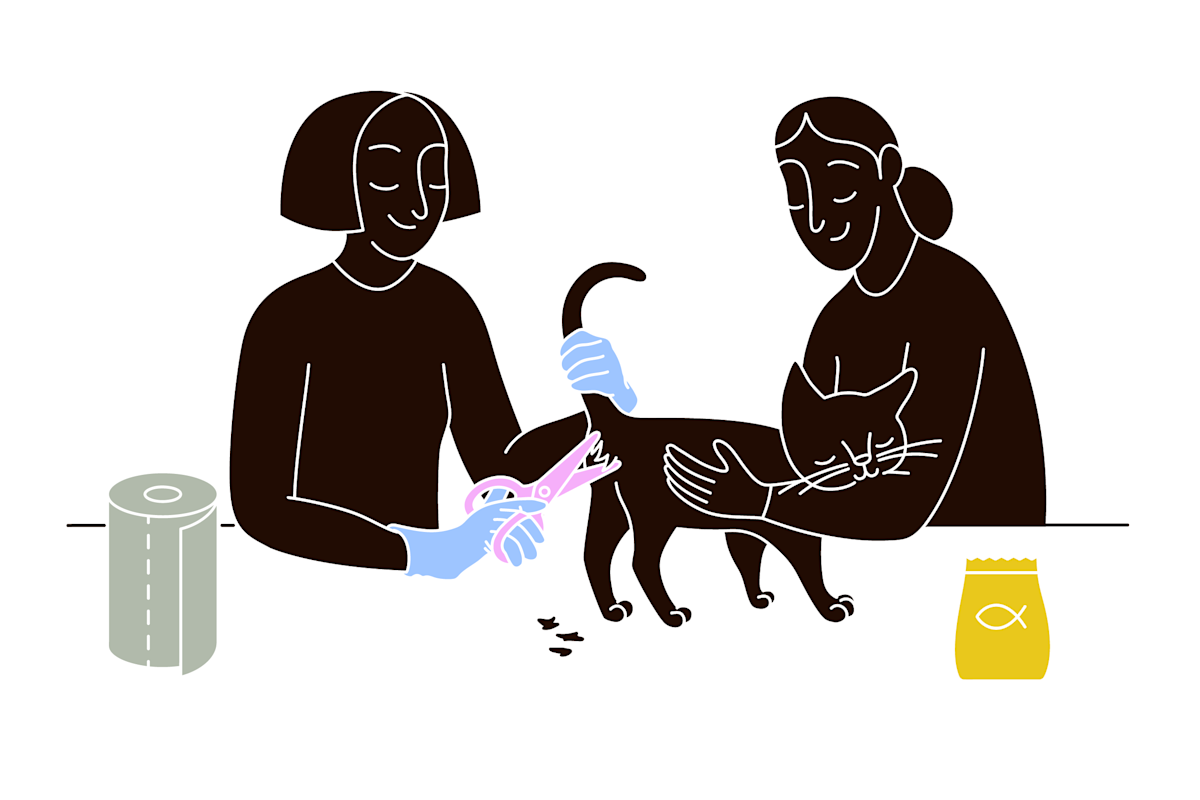
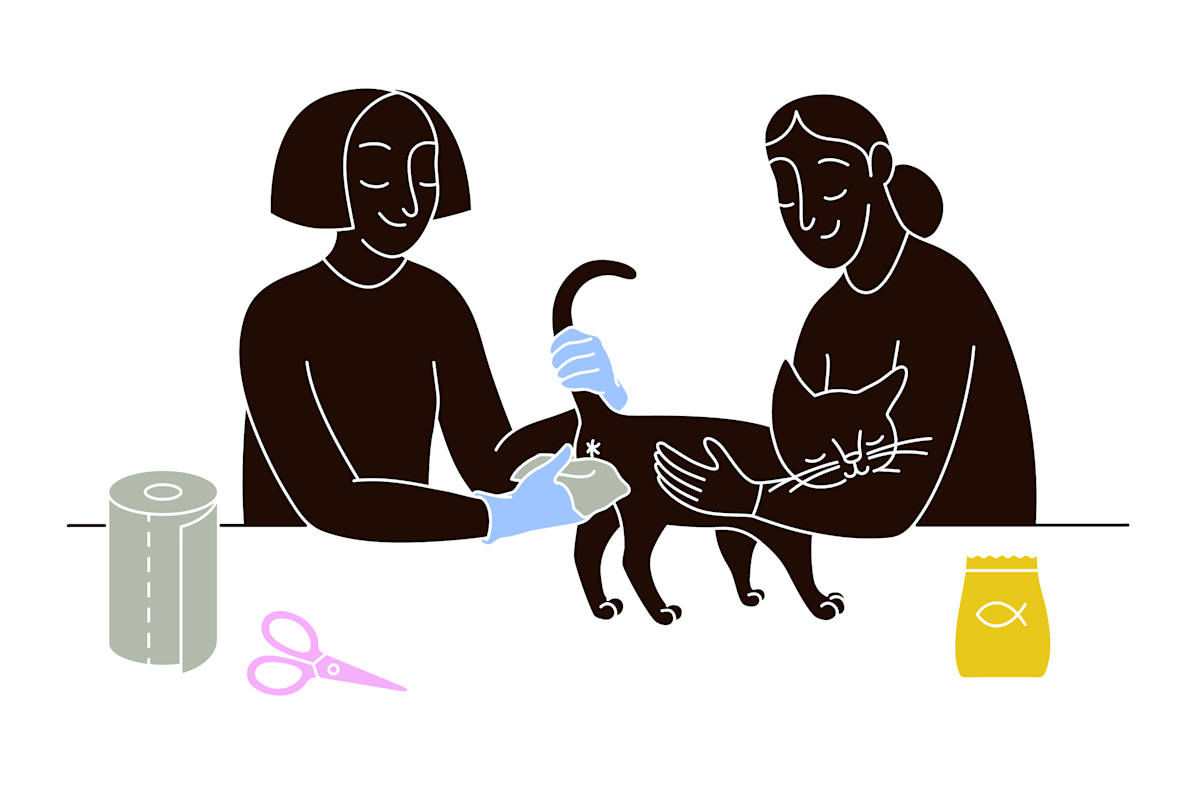
First, put on your gloves and gently lift your cat’s tail. Locate the glands; they sit at about 4 and 8 o’clock positions near the anus. You’ll feel small, soft sacs under the skin.
Place a paper towel under the area to catch any discharge. Use your thumb and forefinger to gently squeeze these sacs inward and upward towards the anus. Apply slow, firm pressure—rushing can hurt your cat.
If fluid releases, wipe it away carefully. Repeat on the other side. Throughout, watch your cat’s reaction. If they become overly distressed, pause and comfort them.
Signs To Stop And Seek Help
If the glands feel hard, swollen, or painful, stop immediately. Bleeding, pus, or a foul smell indicates infection. Your cat may also cry out or try to bite, signaling discomfort.
In these cases, contact your vet promptly. Attempting to express infected glands yourself can worsen the problem. Remember, your cat’s health and comfort come first.
Preventive Measures For Healthy Glands
Keeping your cat’s glands healthy prevents discomfort and infections. Simple daily care supports gland function and avoids problems. Focus on good food, exercise, and regular vet visits. These habits keep your cat happy and healthy.
Balanced Diet Tips
Feed your cat a diet rich in fiber and moisture. Fiber helps prevent blockages in the anal glands. Wet food or adding water to dry food increases hydration. Avoid foods with too many fillers or artificial ingredients. A healthy diet supports smooth gland function and digestion.
Regular Exercise
Exercise promotes healthy bowel movements. Active cats move waste through their system more easily. Playtime with toys or short walks encourages activity. A moving cat has less chance of gland problems. Keep your cat active daily for better gland health.
Routine Vet Check-ups
Schedule vet visits twice a year or as advised. The vet checks your cat’s glands and overall health. Early detection of gland issues prevents serious problems. Professional cleaning may be needed if glands feel full. Regular check-ups keep your cat comfortable and healthy.
When To Seek Veterinary Care
Knowing when to seek veterinary care for your cat’s anal glands is vital. Some signs show the need for professional help. Prompt attention prevents pain and serious issues.
Symptoms Of Infection
Watch for redness or swelling near the anus. Foul smell or discharge can indicate infection. Your cat may lick the area often or seem uncomfortable. Fever and lethargy are also red flags. These symptoms require a vet’s examination and treatment.
Recurring Gland Problems
Repeated gland issues suggest a deeper problem. Cats with frequent gland expression may need medical care. A vet can check for blockages or underlying health concerns. Ignoring recurring problems can lead to chronic pain and infections.
Pain And Severe Swelling
Severe swelling around the anal glands is alarming. Your cat may show signs of pain or distress. Difficulty sitting or walking is common. Immediate veterinary care is necessary to relieve discomfort and prevent complications.
Credit: www.kinship.com
Frequently Asked Questions
How Do I Know If My Cat Needs Glands Expressed?
Signs include scooting, licking the rear excessively, and a foul odor. Your cat may also show discomfort when sitting or defecating. These symptoms suggest the anal glands might be full or impacted.
What Are Common Symptoms Of Impacted Anal Glands In Cats?
Impacted glands cause scooting, swelling near the anus, and frequent licking. Your cat may also have a bad smell and difficulty defecating. Early detection helps prevent infection and discomfort.
Can I Express My Cat’s Glands At Home Safely?
Expressing glands at home is risky without proper knowledge. Incorrect handling can hurt your cat or cause infection. It’s best to consult a vet or groomer for safe gland expression.
How Often Should A Cat’s Anal Glands Be Expressed?
Most cats rarely need gland expression unless they show symptoms. If your cat frequently scoots or licks its rear, consult a vet. Regular checks help maintain your cat’s comfort and health.
Conclusion
Cats show signs when their glands need attention. Watch for scooting, licking, or a bad smell. These clues help you know when to act. Regular checks keep your cat healthy and happy. Don’t wait for pain or discomfort to appear.
Early care prevents bigger problems later on. Trust your observations and seek help if unsure. Your cat depends on you to stay comfortable. Simple steps make a big difference in their well-being. Caring for your cat’s glands is part of good pet care.
