

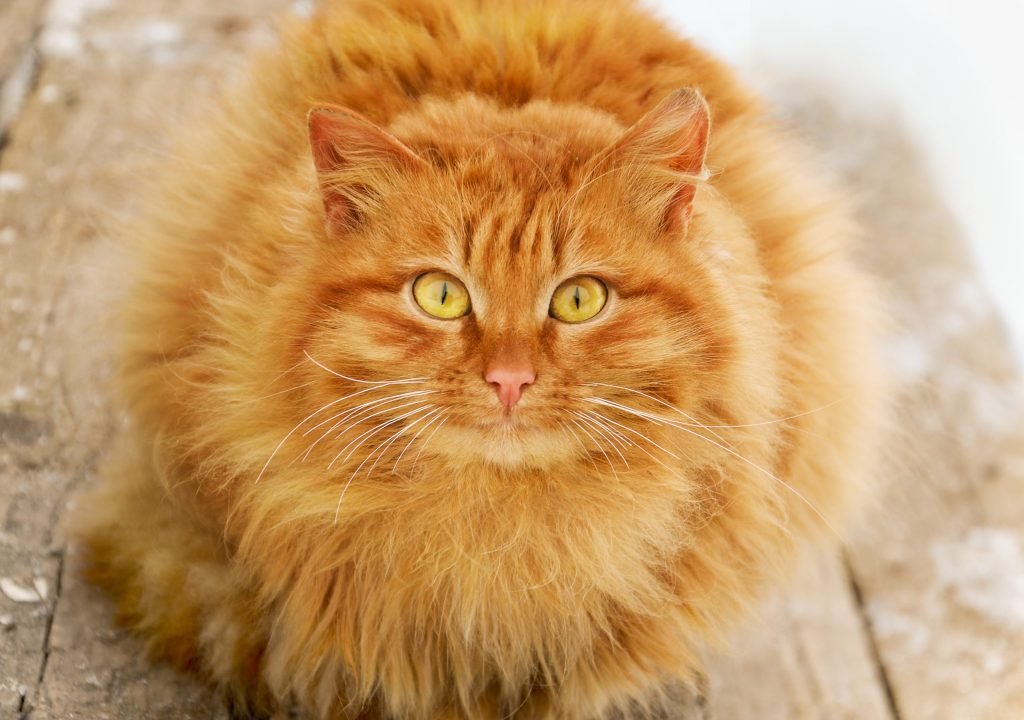
Is your cat spending too much time licking or biting their fur? Over grooming can cause painful skin problems and leave your furry friend uncomfortable.
If you’re worried about your cat’s constant grooming habits, you’re not alone. Understanding why your cat is over grooming and knowing how to stop it can make a huge difference in their health and happiness. Keep reading to discover simple, effective ways to help your cat feel better and regain their natural balance.
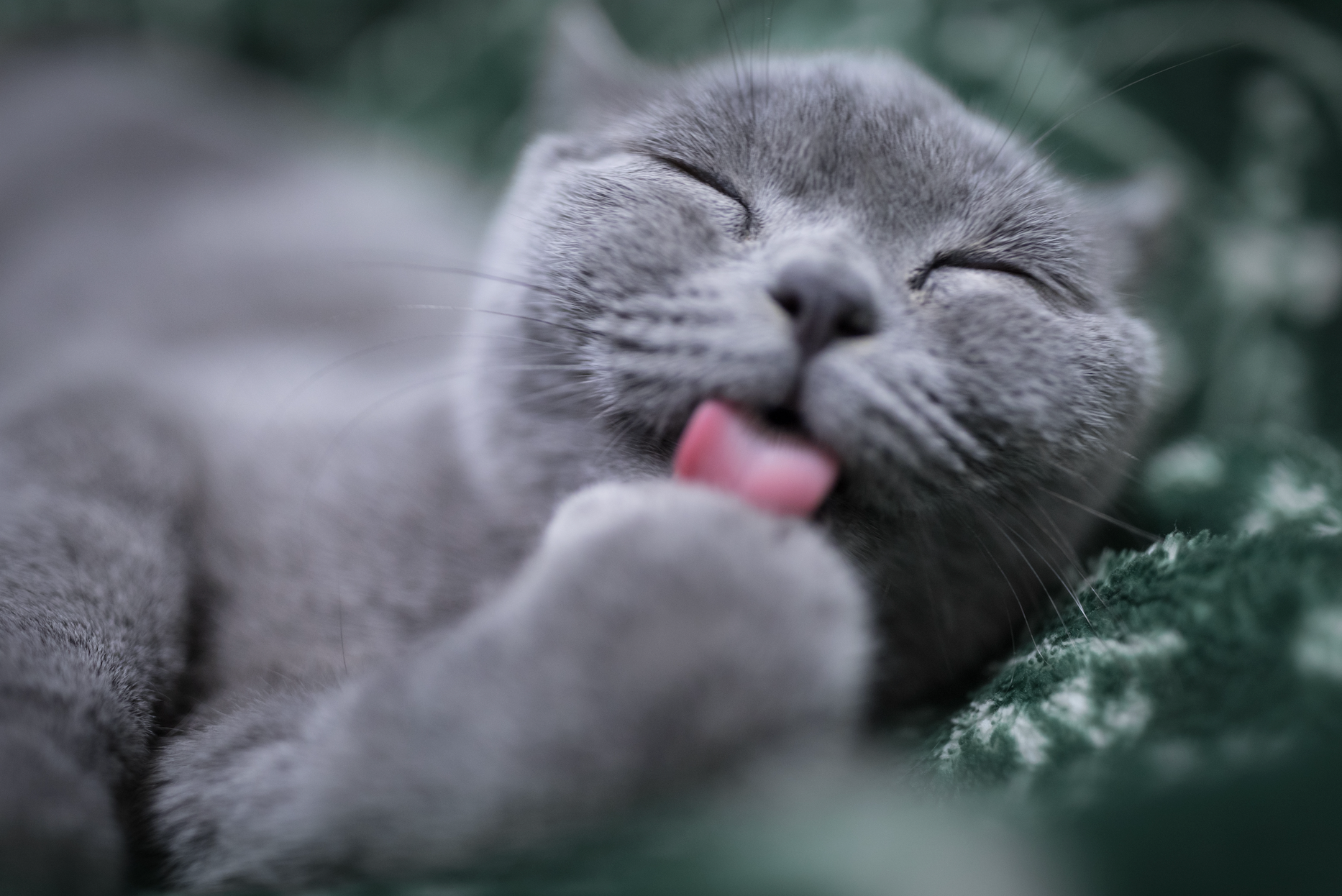
Credit: www.fullbuckethealth.com
Causes Of Over Grooming
Over grooming in cats can signal several underlying issues. This behavior often points to physical or emotional discomfort. Understanding the causes helps in addressing the problem effectively. Cats groom to stay clean, but excessive grooming can harm their skin and fur. Identifying why your cat is over grooming is the first step to stopping it.
Stress And Anxiety
Cats feel stress from changes in their environment. New pets, moving homes, or loud noises can trigger anxiety. Over grooming becomes a coping mechanism to relieve stress. It may appear as constant licking or chewing on their fur. Recognizing stress signs early can prevent skin damage.
Allergies And Skin Issues
Allergies cause itchiness and irritation in cats. Food, pollen, or dust mites may trigger allergic reactions. Skin conditions like dermatitis also lead to over grooming. Cats lick or scratch to ease discomfort. A vet can help identify allergies or skin problems.
Parasites And Infections
Fleas, ticks, and mites cause intense itching in cats. Parasite bites create irritation and skin inflammation. Infections from bacteria or fungi worsen the problem. Over grooming is a natural response to these irritants. Treating parasites quickly stops the cycle of itching.
Boredom And Lack Of Stimulation
Cats need mental and physical activity daily. Without enough play or interaction, they get bored. Boredom may lead to excessive grooming as a self-soothing habit. Providing toys and playtime reduces this behavior. Engaged cats groom less and stay healthier.

Credit: brooklynpetspa.com
Identifying Symptoms
Recognizing the signs of over grooming in your cat early can save them from discomfort and serious health issues. Cats often hide their pain or stress, so it’s important to watch closely for subtle changes. Knowing what to look for helps you act quickly and effectively.
Signs Of Excessive Grooming
Excessive grooming means your cat spends much more time licking or biting their fur than usual. You might notice your cat licking the same spot repeatedly or chewing on their paws and legs.
Does your cat seem restless or fixated on grooming even when there’s no dirt or mess? This is a clear warning sign that something isn’t right.
Skin Damage And Hair Loss
Look closely at your cat’s skin for redness, sores, or scabs. Over grooming often causes bald patches or uneven fur where the skin is irritated.
If you spot open wounds or scabs, it’s a sign your cat’s grooming behavior is causing harm. This can lead to infections if left untreated.
Behavioral Changes
Over grooming can be a symptom of stress, anxiety, or pain. You might notice your cat hiding more, becoming less playful, or reacting aggressively when touched.
Has your cat’s mood changed suddenly? Behavioral shifts often accompany over grooming and should not be ignored.
Veterinary Diagnosis
Veterinary diagnosis is a crucial step in understanding why your cat is over grooming. Identifying the root cause helps target the treatment effectively. Without a proper diagnosis, you might miss underlying health issues that need attention.
Physical Examination
Your vet will start with a thorough physical examination. They check your cat’s skin for redness, swelling, or hair loss patterns that tell a story. This hands-on approach often reveals clues about infections, parasites, or stress-related behaviors.
Have you noticed if your cat licks or bites specific areas more than others? Sharing these details with your vet can make the examination more focused and accurate.
Allergy Testing
Allergies often cause intense itching, leading to over grooming. Your vet might suggest allergy testing to pinpoint triggers like food, pollen, or dust mites. This helps in creating a tailored plan to reduce your cat’s exposure to allergens.
Think about your cat’s environment and diet. Have you recently changed their food or introduced new plants? These questions help guide allergy testing and management.
Skin Scrapings And Cultures
Skin scrapings allow vets to look for mites, fungal infections, or bacteria under a microscope. Cultures help identify specific germs causing infections. These tests provide clear evidence to select the right medication.
Consider how fast your cat’s skin condition changes. Quick worsening might indicate an infection needing immediate care. Sharing such observations can speed up diagnosis and treatment.
:strip_icc()/the-kitty-1011094438-5c3d1af5c9e77c00015e66a6.jpg)
Credit: www.thesprucepets.com
Environmental Adjustments
Environmental adjustments play a key role in stopping over grooming in cats. Changes in the surroundings can greatly reduce stress and help your cat feel safe. A calm environment supports healthy behavior and less grooming. Small tweaks in your home can make a big difference for your cat’s well-being.
Reducing Stress Triggers
Identify what makes your cat anxious. Loud noises, new pets, or visitors can cause stress. Keep your cat away from these triggers as much as possible. Use calming tools like pheromone diffusers or soft music. Routine helps cats feel secure, so keep feeding and playtimes consistent. Avoid sudden changes in your cat’s daily life.
Enhancing Play And Enrichment
Provide toys that mimic hunting behavior. Puzzle feeders and interactive toys keep your cat busy. Play sessions help burn energy and reduce boredom. Bored cats often groom too much. Offer a variety of toys to keep interest high. Rotate toys to keep the environment fresh and exciting.
Creating A Comfortable Space
Set up a quiet area just for your cat. Use soft bedding and cozy hiding spots. Cats need safe places to retreat and relax. Place food and water in calm locations away from noise. Make sure the litter box is clean and private. A comfortable space reduces stress and over grooming habits.
Medical Treatments
Medical treatments play a key role in stopping over grooming in cats. They target underlying causes like allergies, infections, and anxiety. Proper treatment helps your cat feel better and reduces excessive licking or biting. Always consult a vet before starting any medication or therapy. Early treatment improves recovery and comfort.
Medications For Allergies And Infections
Allergies and skin infections often cause cats to over groom. Vets may prescribe antihistamines to reduce allergic reactions. Antibiotics or antifungal medicines help clear infections. These medications relieve itching and skin irritation. Treating these issues reduces the need for constant grooming.
Anti-anxiety Therapies
Anxiety can trigger over grooming as a stress response. Vets may suggest anti-anxiety medications to calm your cat. These drugs help reduce nervousness and restlessness. Behavioral therapy combined with medication improves results. Creating a calm environment supports your cat’s mental health.
Topical Treatments
Topical treatments soothe irritated skin and promote healing. Medicated shampoos, sprays, or creams reduce inflammation and itching. These treatments provide quick relief to affected areas. Applying them as directed prevents further damage from over grooming. Always follow your vet’s instructions for best results.
Behavioral Interventions
Behavioral interventions play a key role in stopping over grooming in cats. These strategies help redirect your cat’s attention and reduce stress, which often triggers excessive grooming. You can make a real difference by understanding and gently guiding your cat’s behavior.
Redirecting Grooming Behavior
If your cat starts over grooming, try offering a distraction. Toys, puzzle feeders, or interactive play sessions can shift their focus away from licking or biting themselves.
Notice what seems to trigger the behavior. If it happens when your cat is alone, leaving a soft blanket or a piece of your clothing nearby might comfort them.
Have you tried engaging your cat in short, frequent playtimes? Even five minutes a few times a day can lower anxiety and reduce the urge to over groom.
Training And Positive Reinforcement
Teaching your cat to respond to gentle commands can help interrupt over grooming before it starts. Use clear, calm signals like a soft “no” or a clicker sound to catch their attention.
Reward your cat immediately with treats or affection when they stop grooming. This builds a positive connection between good behavior and rewards.
Consistency is key. Cats learn better when you reward the behavior you want and ignore unwanted actions without punishment.
Using Protective Wear
When behavioral changes take time, protective wear like soft collars or suits can prevent damage from over grooming. These items physically block access to the affected areas.
Choose comfortable, breathable options that allow your cat to move easily. This reduces stress and helps them accept the gear faster.
Have you noticed your cat’s mood change when wearing protective gear? Some cats adapt quickly, while others need gradual introduction paired with praise and treats.
Long-term Care Tips
Long-term care plays a vital role in stopping over grooming in cats. It helps keep your cat healthy and comfortable. Consistent attention to your cat’s needs reduces stress and prevents skin problems. Careful observation and good habits create a peaceful environment for your pet.
Regular Vet Checkups
Regular visits to the vet help detect health issues early. Skin infections, allergies, or parasites can cause over grooming. Your vet can recommend treatments or tests. Schedule checkups every six months or as advised. Keep records of any changes in your cat’s condition.
Monitoring Behavior Changes
Watch your cat’s behavior closely. Over grooming may signal stress, pain, or boredom. Note any new habits or changes in routine. Stress triggers include loud noises or new pets. Provide toys and quiet spaces to reduce anxiety. Early detection helps prevent worsening problems.
Maintaining A Healthy Diet
A balanced diet supports skin and coat health. Poor nutrition can lead to itching and irritation. Feed high-quality cat food rich in omega fatty acids. Avoid sudden diet changes that upset your cat’s system. Consult your vet about supplements if needed.
Frequently Asked Questions
What Causes Cats To Over Groom Themselves?
Cats over groom due to stress, allergies, pain, or parasites. Identifying the root cause is key to stopping over grooming effectively.
How Can I Reduce My Cat’s Grooming Anxiety?
Provide a calm environment, interactive play, and regular routines. Use pheromone diffusers or consult a vet for anxiety treatments.
When Should I See A Vet For Over Grooming?
Visit a vet if grooming causes hair loss, skin wounds, or behavior changes. Early diagnosis prevents complications and improves treatment success.
Can Diet Affect A Cat’s Grooming Habits?
Yes, poor diet or allergies can trigger skin issues leading to over grooming. A balanced, hypoallergenic diet may help reduce symptoms.
Conclusion
Stopping over grooming in cats takes patience and care. Watch your cat’s behavior closely every day. Offer plenty of toys and attention to reduce stress. Keep your cat’s environment calm and safe. Check with a vet if the problem stays.
Healthy skin and fur need proper nutrition and grooming. Small changes can make a big difference over time. Your cat will feel happier and healthier soon. Keep trying—you can help your cat feel better.
